What Our Workshop Setup Advice Covers
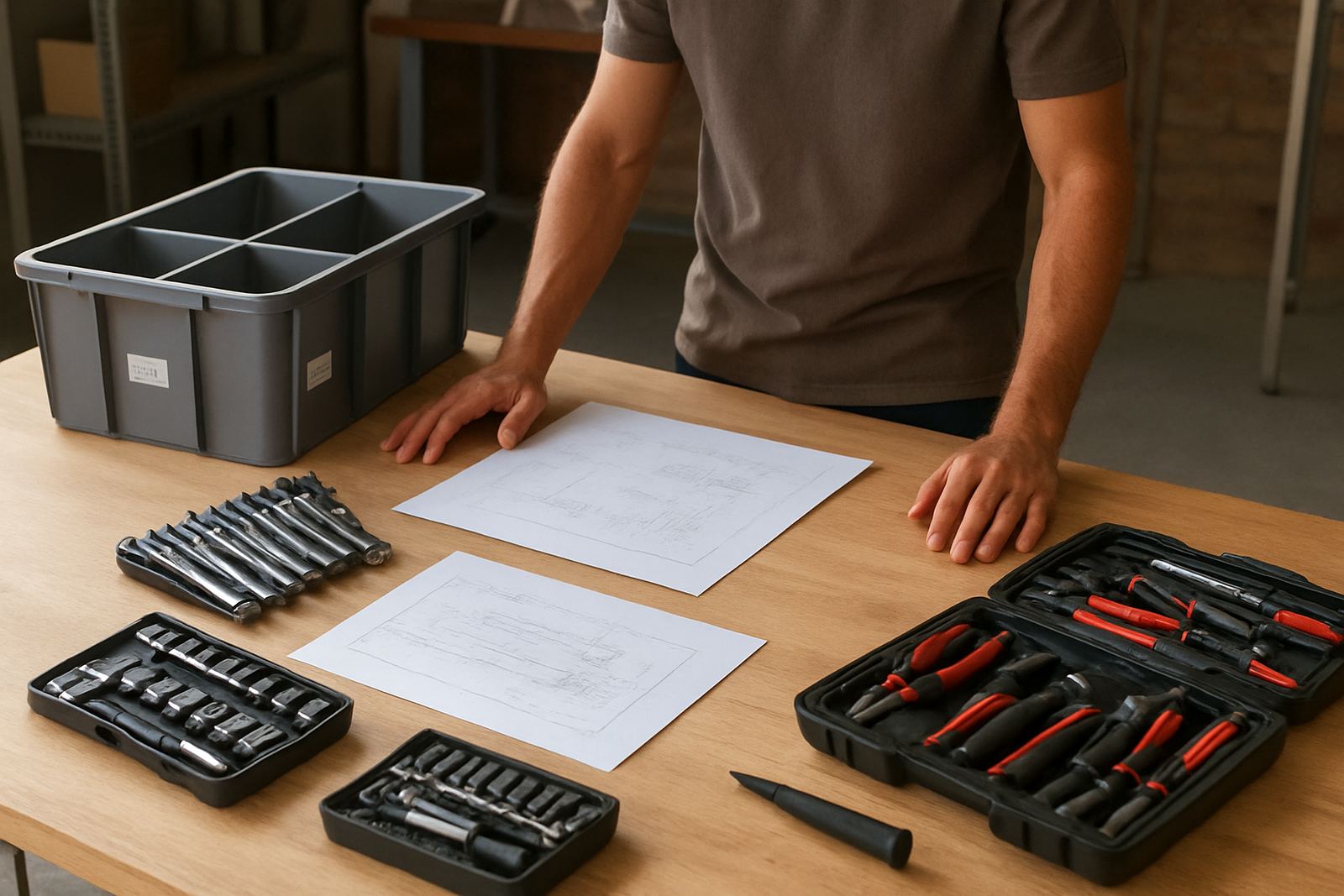
We help you plan a workshop that can work properly from the first week, not just look full on paper. That means balancing core hand tools, power-tool accessories, storage, consumables and safety items so your team can work efficiently without overbuying or leaving gaps that slow jobs down. For small start-ups in Westmead or larger trade spaces in Umhlanga and Durban North, the aim is the same: enough equipment to get jobs moving, with sensible room to grow.
Advice is built around the type of work you do, the number of staff, the daily job mix and the power supply situation on site. If load-shedding affects your operation we can help you prioritise manual tools and cordless-friendly accessories first, then plan the rest in phases. We also look at coastal humidity in Durban, where corrosion control and storage choices matter more than many teams expect.
- Core hand tools for assembly, fitting, repair and maintenance work
- Power-tool accessories matched to common machine types and sizes
- Starter kit bundles for new teams or new branches
- Workshop consumables and replenishment planning
- Storage and stock list standardising for repeat ordering
How We Build a Practical Tool List
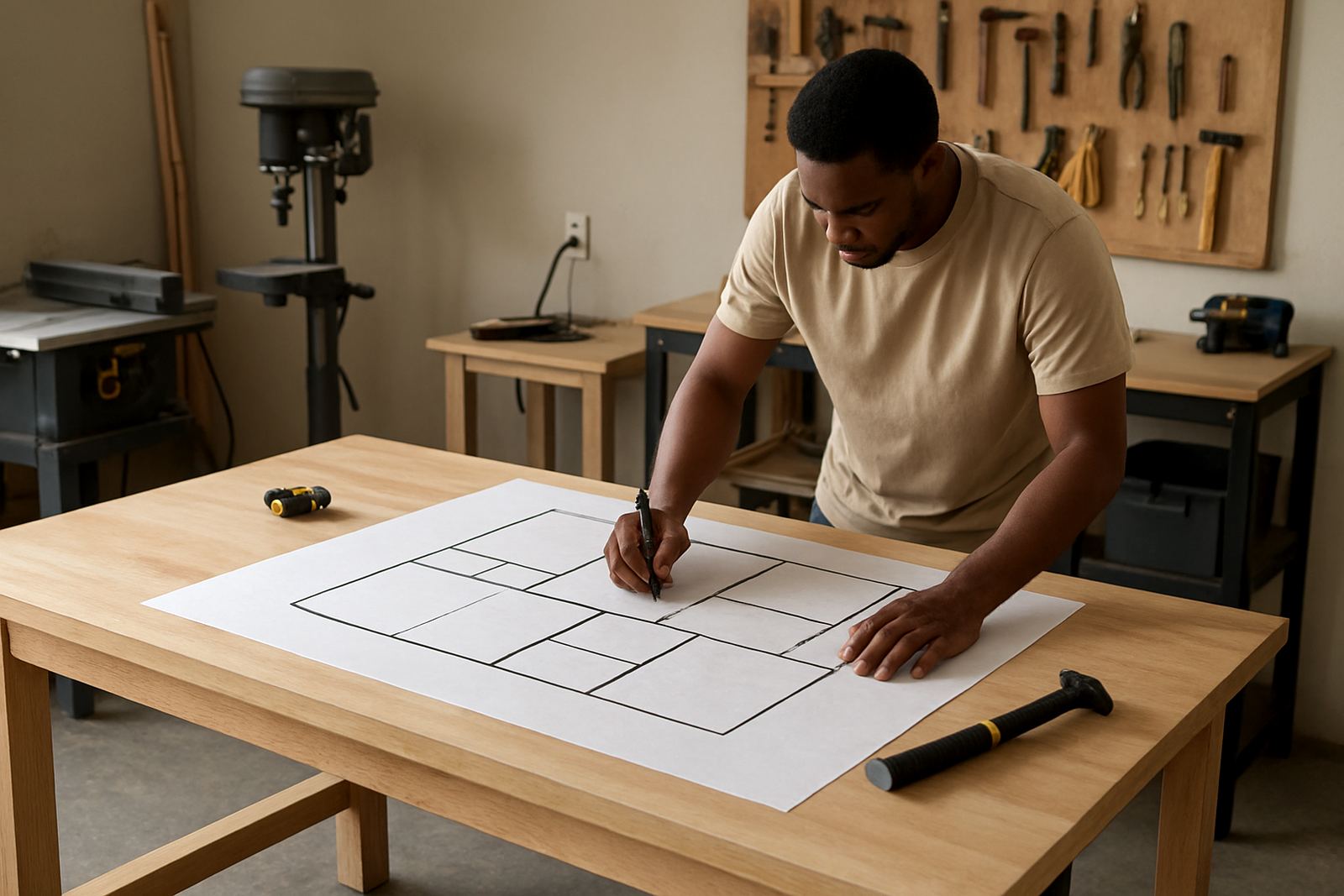
We start with the work itself. A workshop doing general maintenance will need a different setup from a fabrication bay, vehicle prep area or light assembly line. We ask about your daily tasks, the number of technicians, the size of the space and any site rules that affect tool control or PPE. From there we suggest a balanced list that suits your workflow and helps avoid duplicate buying.
The final list is usually grouped into essentials, add-ons and later-stage upgrades. Essentials cover the tools that must be on hand from day one. Add-ons include items that improve speed or reduce wear on key tools. Later-stage upgrades are planned for once the workshop is running and cash flow settles. This approach keeps the opening budget under control and still gives you a proper base to work from.
- Trade-specific itemisation by job type and staff count
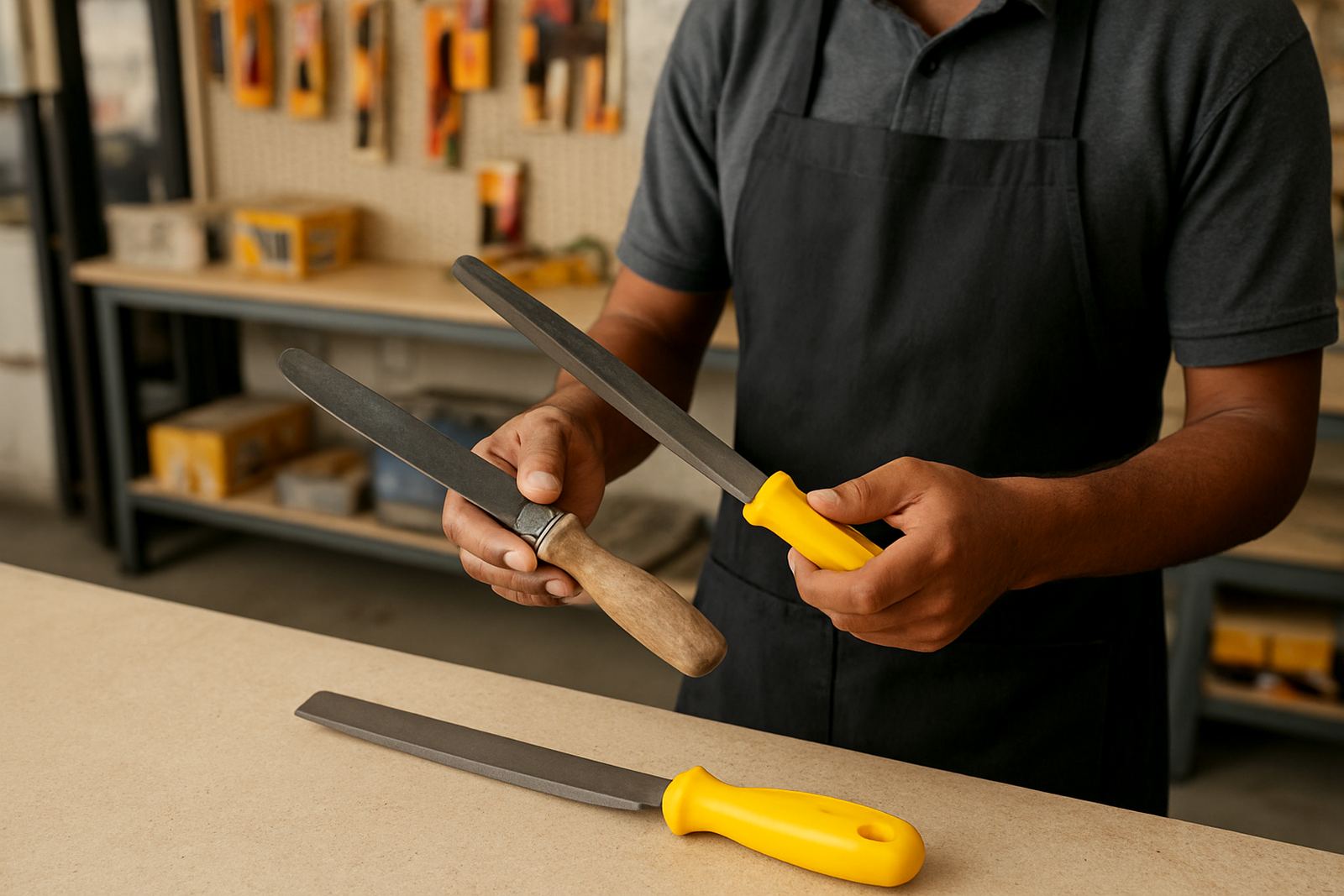
- Tool size and spec matching, including socket ranges, driver sizes and accessory diameters
- Consumable estimates for the first 30, 60 and 90 days
- Replacement planning for tools that wear quickly in high-use areas
Step-by-Step Setup Process
The process is straightforward and keeps things practical. We can work from a stock list you already have, or help you build one from scratch. For clients in Pinetown, New Germany and nearby areas, we can also arrange direct discussion with the person managing the workshop floor so the list reflects the real space and not just the quote request. If needed, we coordinate courier delivery to site once the order is confirmed.
1. We review your workshop requirements and the type of work being done.
2. We map the core tools, accessories and consumables needed for opening or upgrading.
3. We confirm preferred brands by spec and application, without overcomplicating the order.
4. We split the order into immediate purchase items and future replenishment items.
5. We arrange delivery, collection or phased supply depending on the rollout plan.
Where a team needs a quick start, we can also bundle starter kits for specific roles so supervisors do not have to issue tools one by one. This saves time and makes stock control easier from the beginning.
Turnaround Time And Ordering Lead Times
For standard workshop setup advice, turnaround is usually 1 to 3 working days once we have the basic workshop details. More detailed planning with multiple departments, larger stock lists or on-site inductions can take longer, especially if we are coordinating with a new build, a branch move or staged opening. We aim to keep the process moving so your opening date is not held up by missing tools or unclear specs.
If an item needs to be replaced or matched to existing equipment, we check dimensions, drive sizes, voltage requirements, accessory fitment and duty use before recommending a substitute. That matters when you are dealing with mixed tools from different job sites. A wrong accessory can waste time and money, so we keep the matching specific.
- Simple setup plans: usually 1 to 3 working days
- Expanded workshop lists: usually 3 to 5 working days
- Phased supply and replenishment plans: scheduled to your opening and usage rate
Pricing Approach That Fits New Workshops
We keep pricing practical and transparent. There is no one fixed price because every workshop starts with a different floor plan, trade mix and stock requirement. Smaller setups in Hillcrest may only need a focused starter bundle, while a busier Durban workshop may need a broader list with extra consumables and replacement planning. Pricing is based on the scope of advice, the number of categories covered and whether you need courier coordination or on-site induction support.
For customers who want to control costs over time, we can phase the order so the most urgent items are bought first and the rest are added as the workshop settles in. This is often the best way to manage a new setup when cash needs to go toward machines, storage and labour at the same time. If you are comparing options, we can also help standardise a stock list so future buying stays consistent and simpler to manage.
Maintenance Intervals And Replacement Planning
A good workshop setup includes the maintenance rhythm from the start. We advise on inspection intervals for high-use tools, accessory wear checks and consumable top-ups so the team is not caught out mid-job. In a coastal city like Durban, surface rust and moisture damage can creep in fast if tools are not cleaned and stored properly. Covered storage, dry wipe-downs and regular checks make a real difference.
As a general guide, fast-moving consumables should be reviewed weekly, high-use hand tools monthly and slower-moving spares every quarter. Cordless accessories and cutting consumables may need more frequent replacement depending on the work being done. If your team runs multiple shifts or works through busy seasonal periods, we can build that timing into the supply plan so there is less emergency buying and fewer delays.
- Weekly: consumable top-up review and missing item checks
- Monthly: tool condition inspection and accessory wear review
- Quarterly: stock list review, replacement matching and workshop refresh planning
Local Support In Durban And Nationwide Delivery
We are based in Pinetown and support workshops across Westmead, New Germany, Durban North, Umhlanga and the greater Durban area. Nationwide courier delivery is available for clients outside KwaZulu-Natal, and we coordinate orders so they arrive in a workable sequence where possible. That helps when you are opening a new site or fitting out several teams at once.
Our team includes Sibusiso Mthembu, Anele Dlamini, Ruan Naidoo, Zanele Khumalo, Matthew Petersen and Nokuthula Ndlovu, so you are speaking to people who understand both the technical side and the day-to-day pressure of getting a workshop running properly. If your site needs inductions, tool issue guidance or stock list standardising, we can keep that part simple and practical. For orders and setup questions, email orders@jameson.co.za.
Key facts
| Service area | Pinetown, Durban, KwaZulu-Natal and nationwide courier delivery |
|---|---|
| Typical turnaround | 1 to 5 working days depending on setup scope |
| Starter kit sizes | Role-based kits for 1 to 10 users, or phased by department |
| Tool matching | Drive sizes, voltage, accessory diameter and duty use |
| Maintenance review | Weekly consumables, monthly tools, quarterly stock list checks |
| Contact | orders@jameson.co.za |