


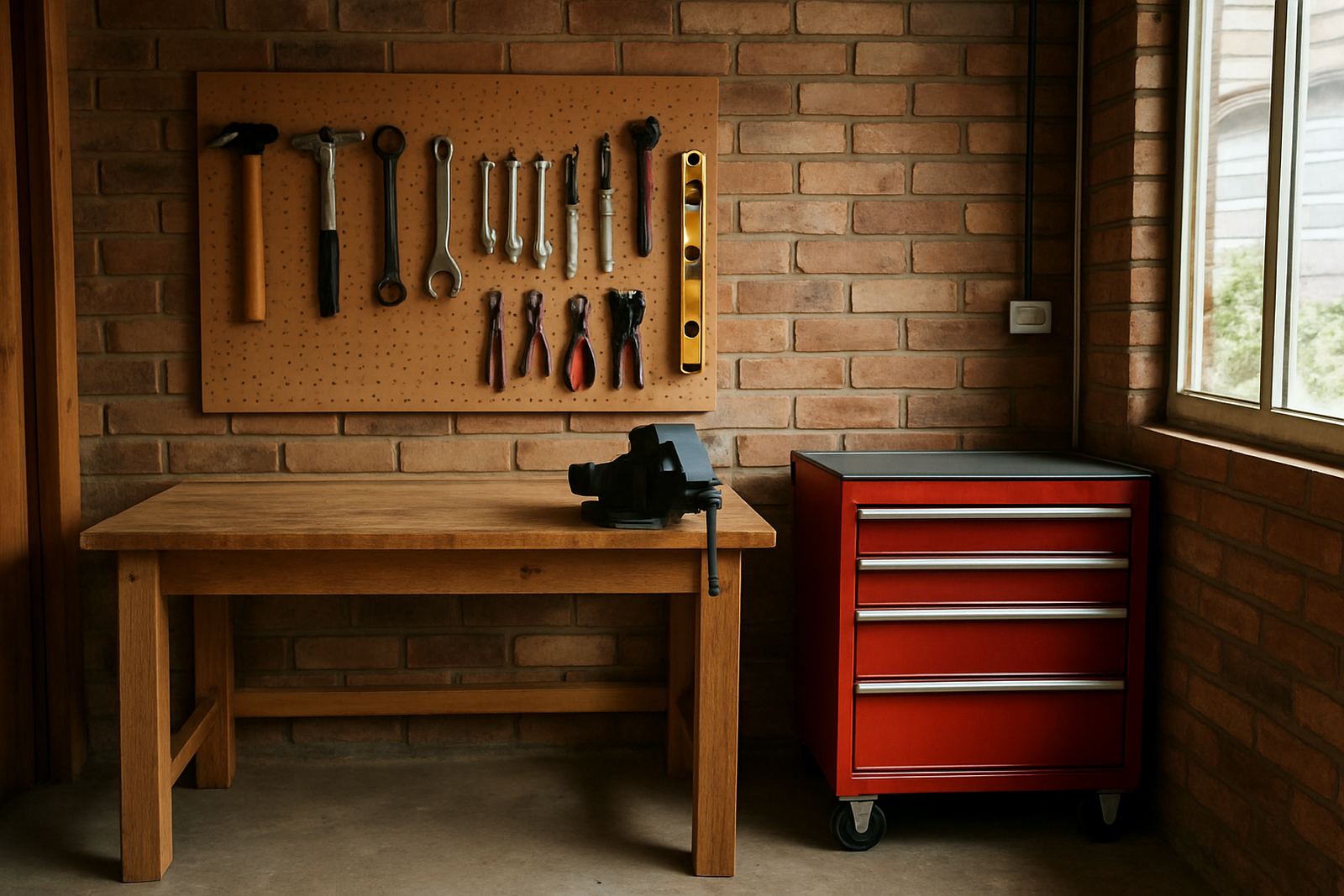

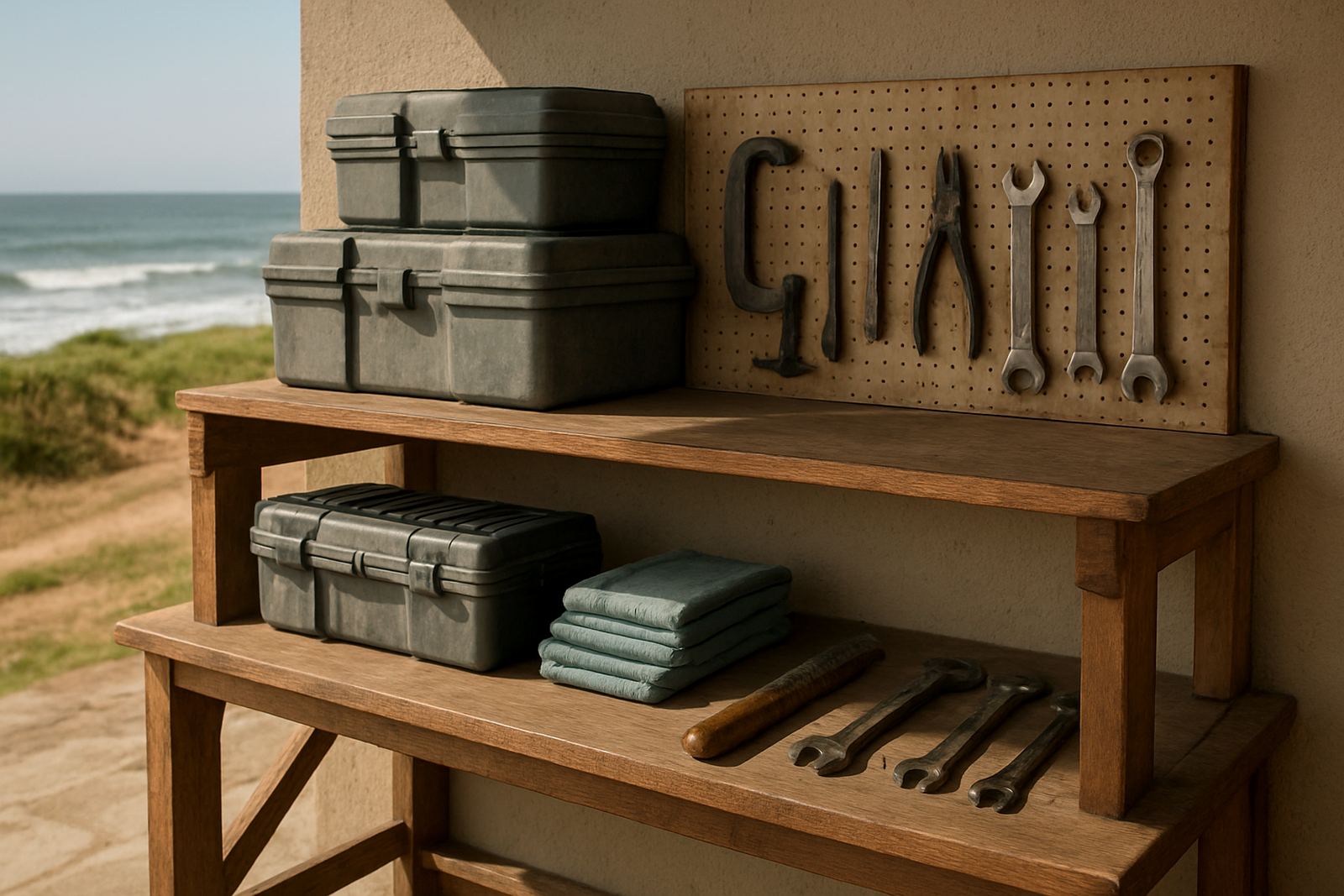
Practical guidance for trade workshops
Toolbox Talk is written for the real conditions South African workshops work in every day. That means dust, heat, coastal humidity, load-shedding, shared benches and tools that have to keep going after a long week in Pinetown or a site run out to Durban North. The aim is simple: help you make better choices with less wasted time.
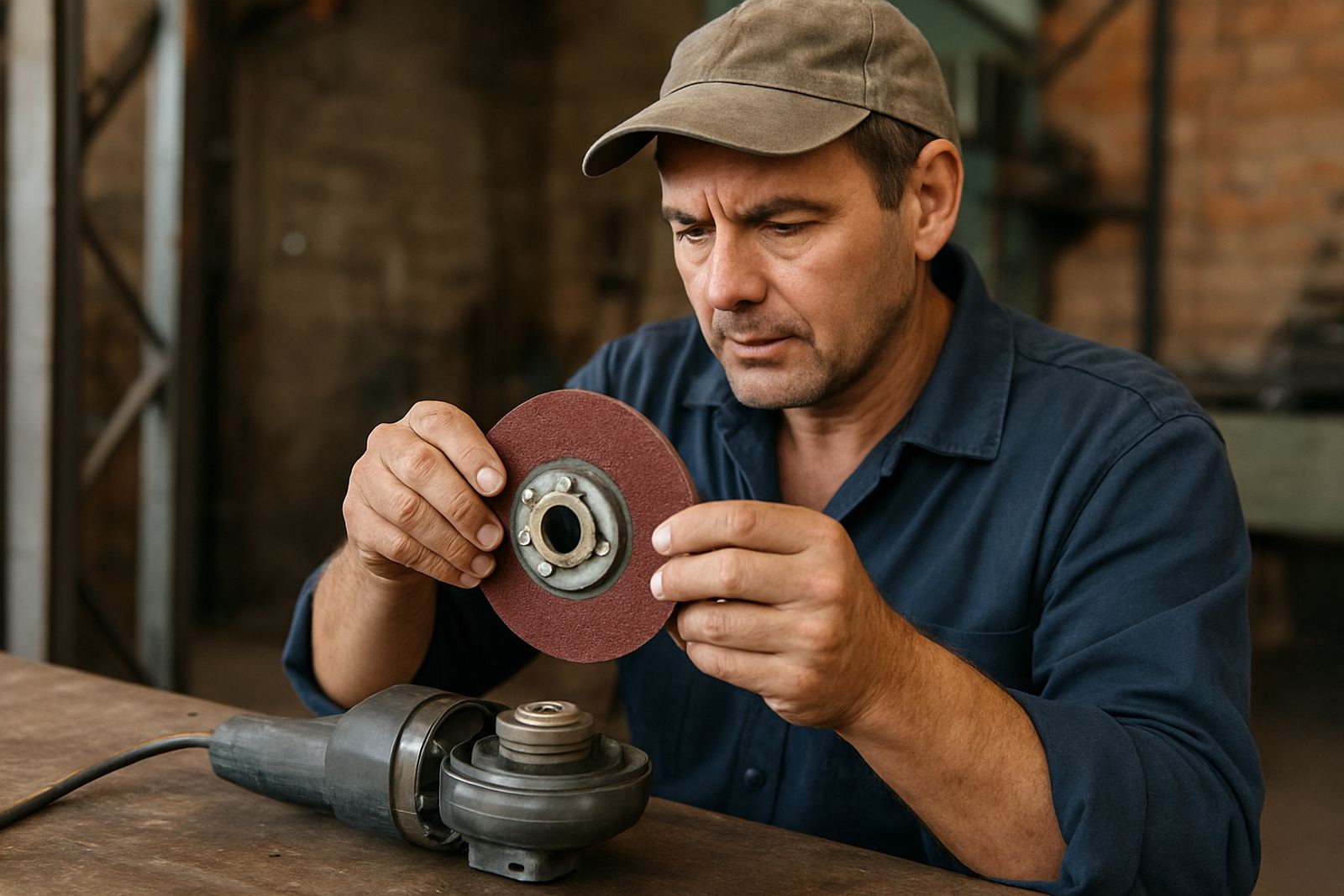
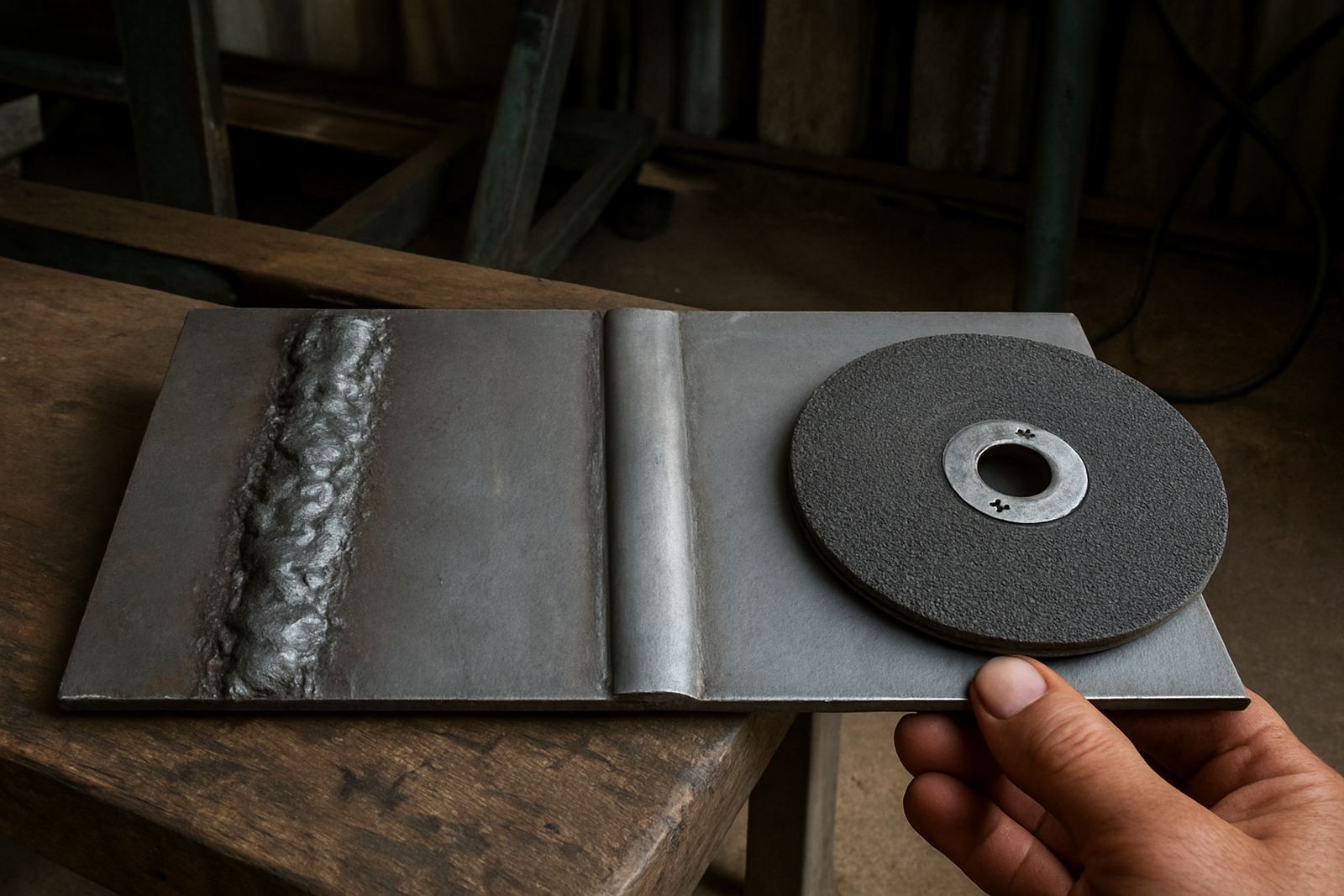
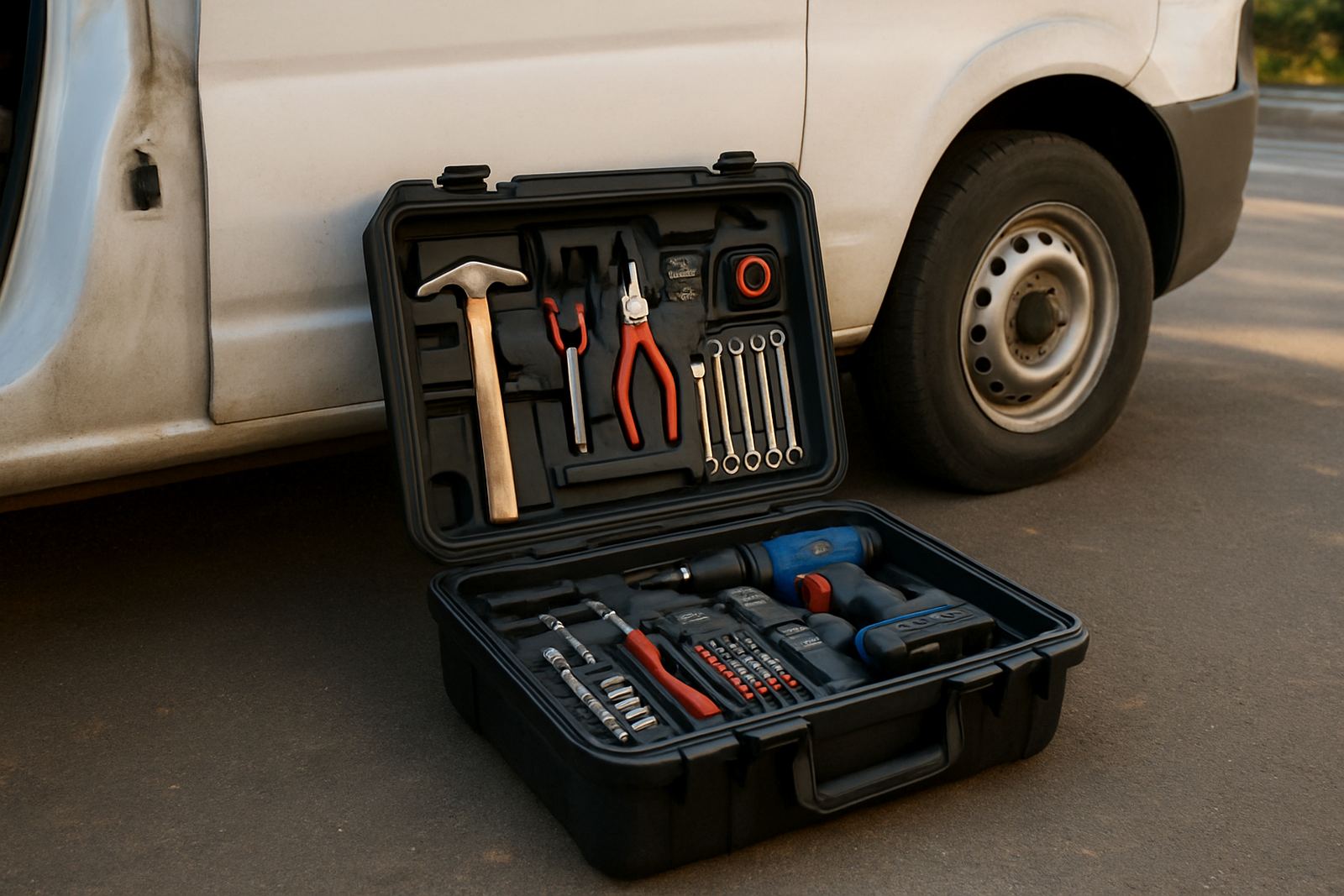
Some articles focus on safety and setup, others on buying the right hand tools, power-tool accessories and starter kits for the work you actually do. We also cover maintenance habits that help tools last longer, because a well kept tool set usually costs less over time than replacing worn items every few months.
How to use this hub
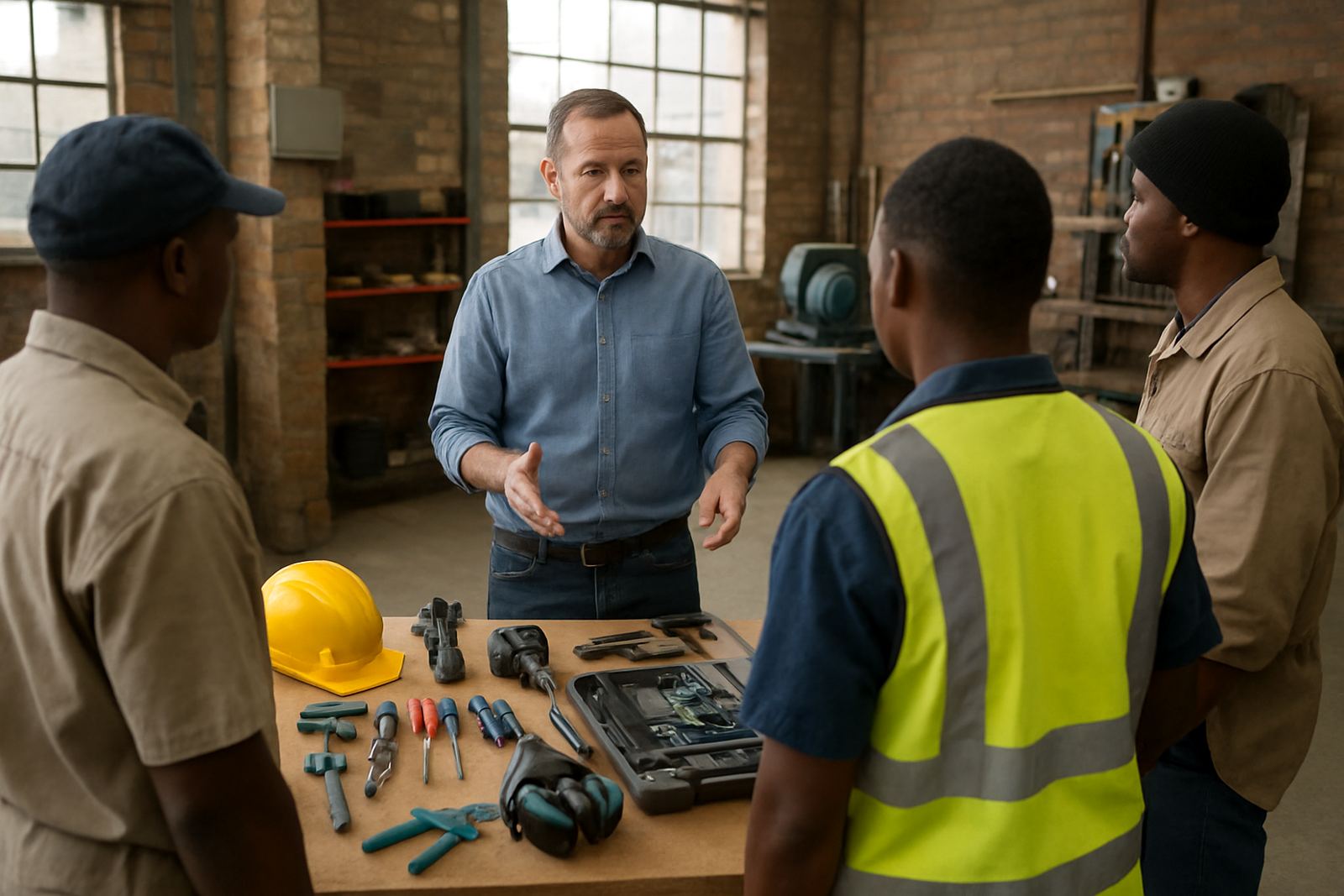
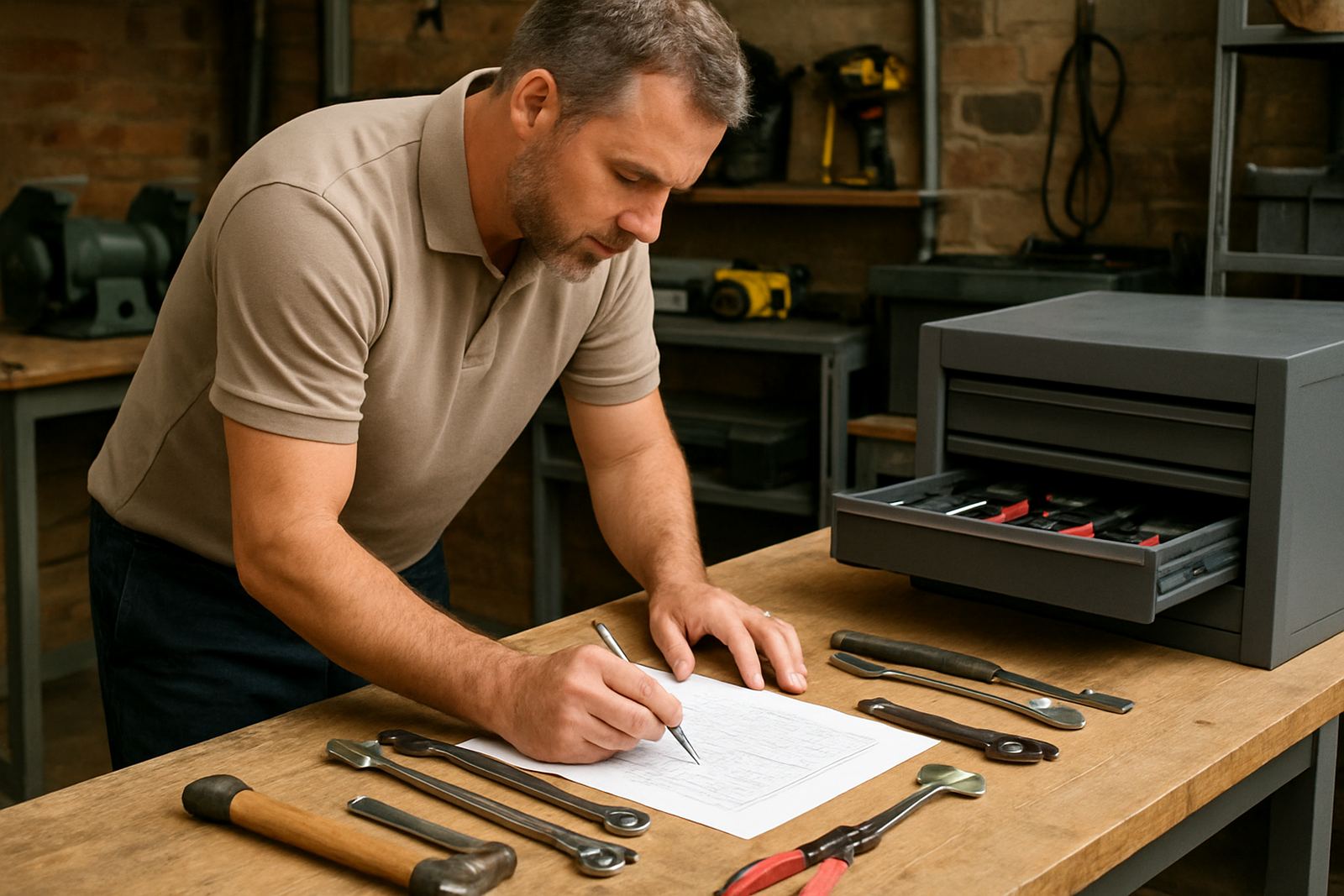
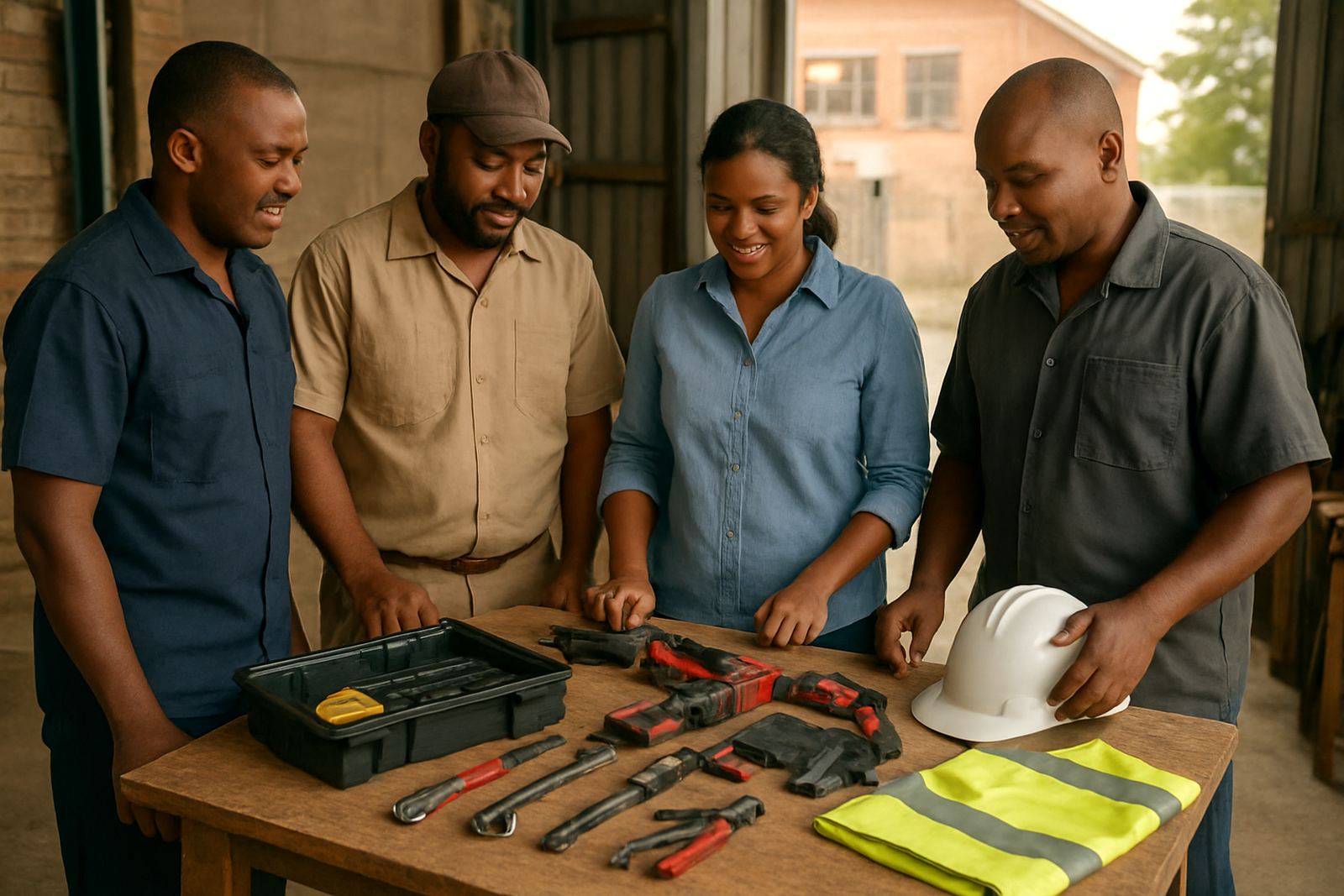
If you are setting up a new workshop, start with the articles on starter kits, stock lists and basic planning. If you already have a running trade space, use the maintenance and replacement guidance to identify weak points in your current setup. Supervisors can also use the articles for toolbox talks, weekly refreshers and new staff inductions.
Each article is meant to stand on its own, so you can read what matters now and come back later when the next job comes in. The listing cards below are added separately, so this page is mainly here to help you choose where to begin and what to read next.
- Need safer daily routines? Start with work practice and storage articles.
- Need buying advice? Look for tool comparison and accessory selection topics.
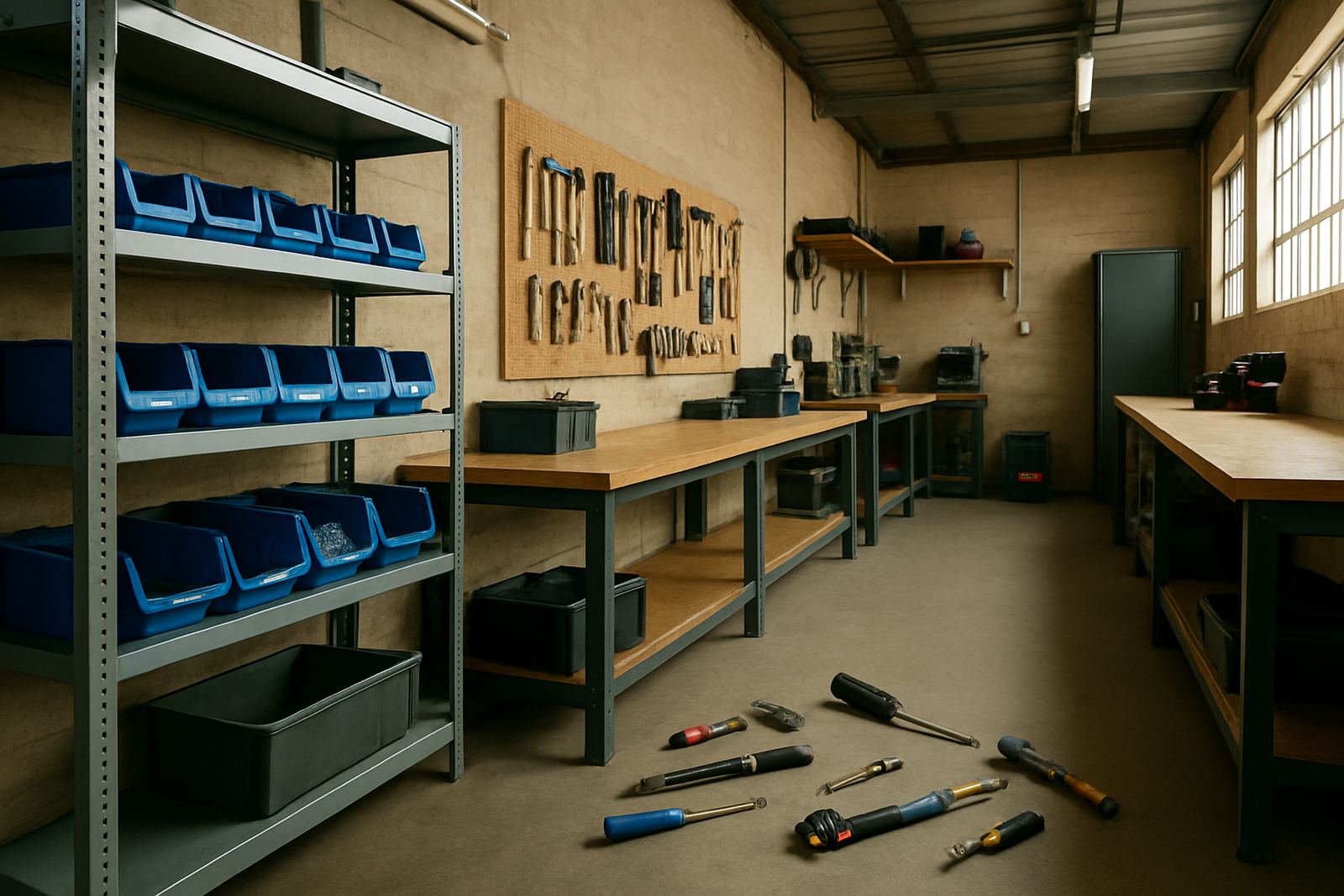
- Need better stock control? Read the sections on replenishment and standardising.
Topics that support better buying decisions
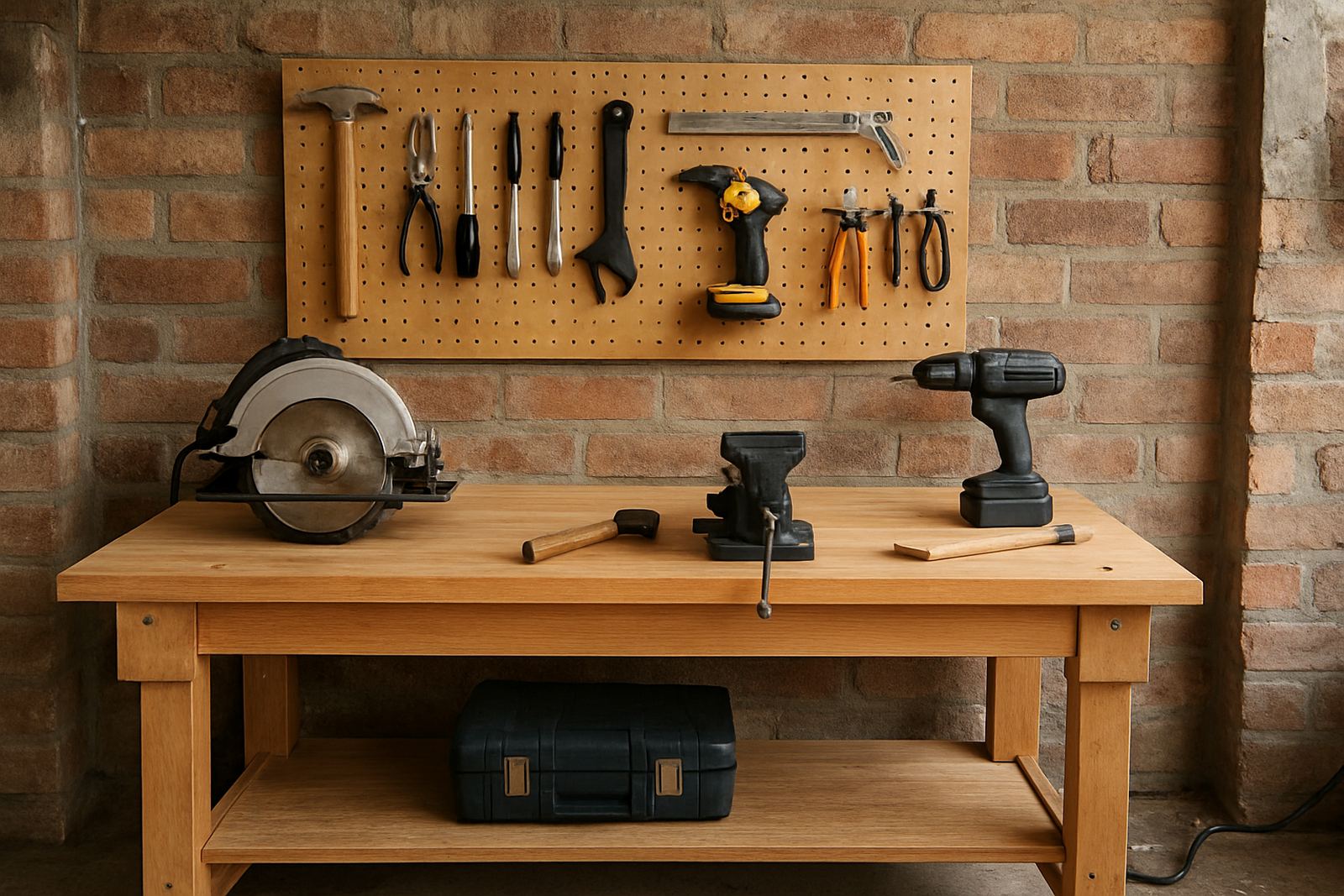
Good tool buying is not only about price. It is about matching the item to the job, the shift pattern, and the way your team actually works. A workshop in Westmead may need a different kit mix from a small mobile crew heading between Hillcrest and Umhlanga, and a one size approach often leads to duplicate items or gaps in the rack.
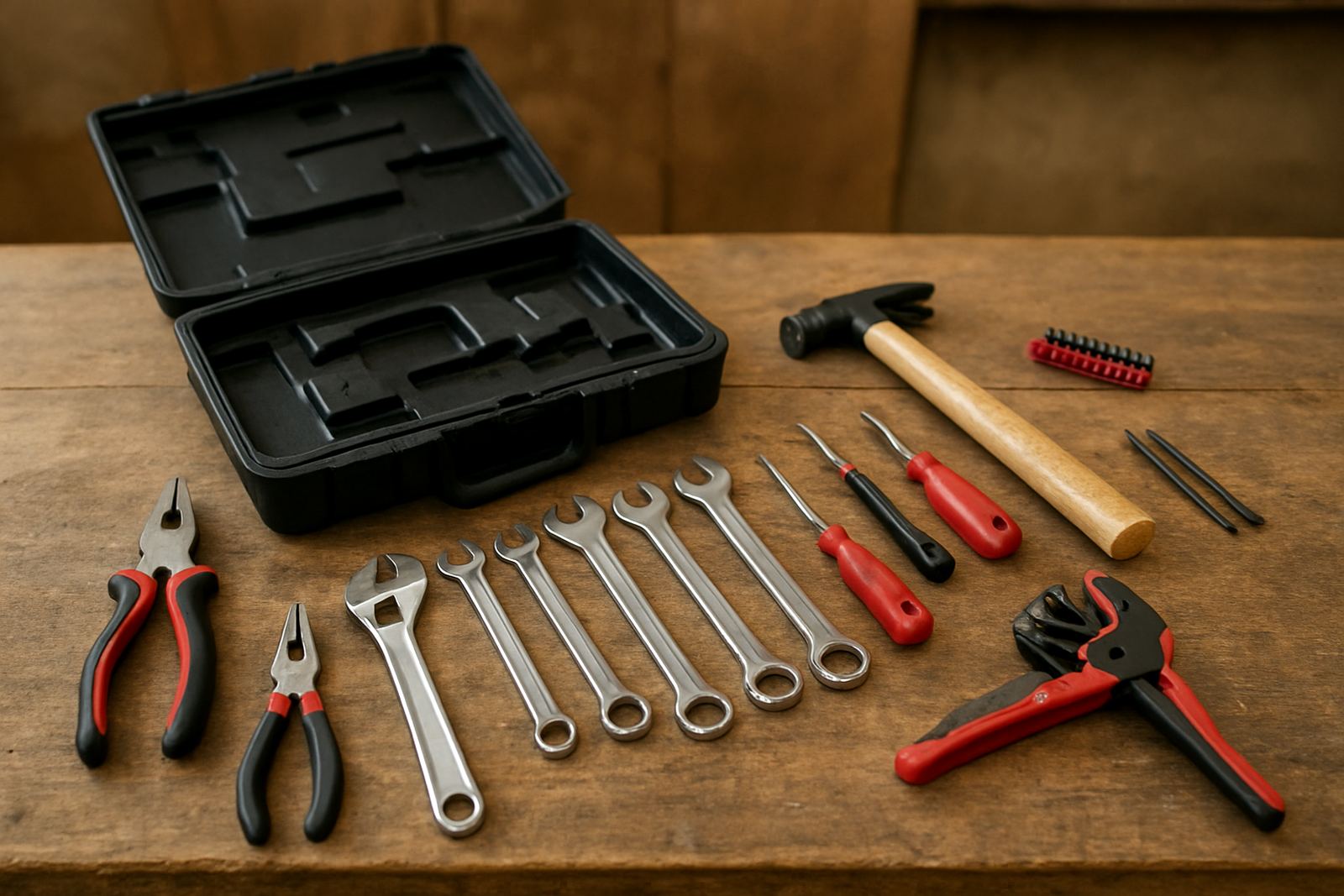
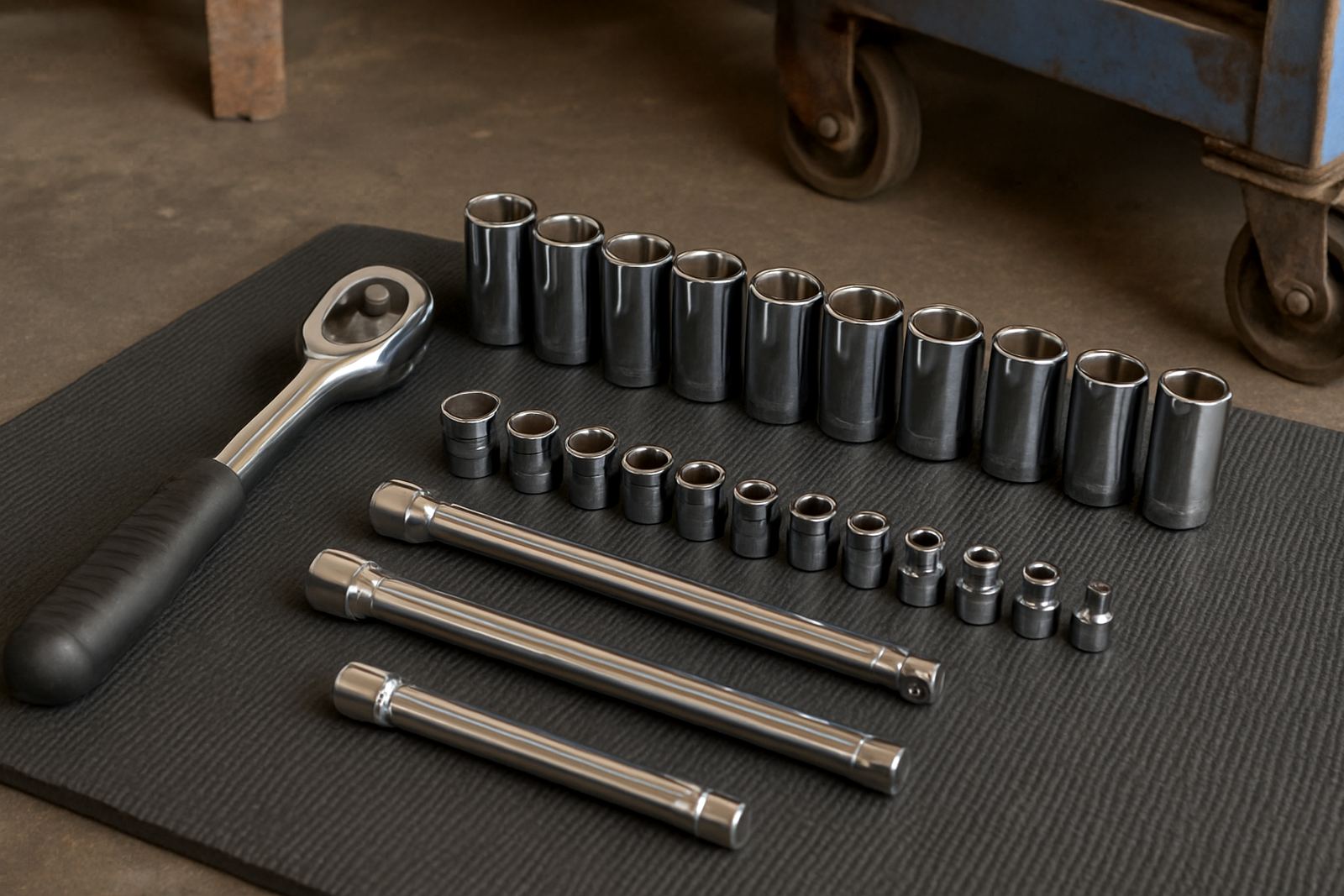
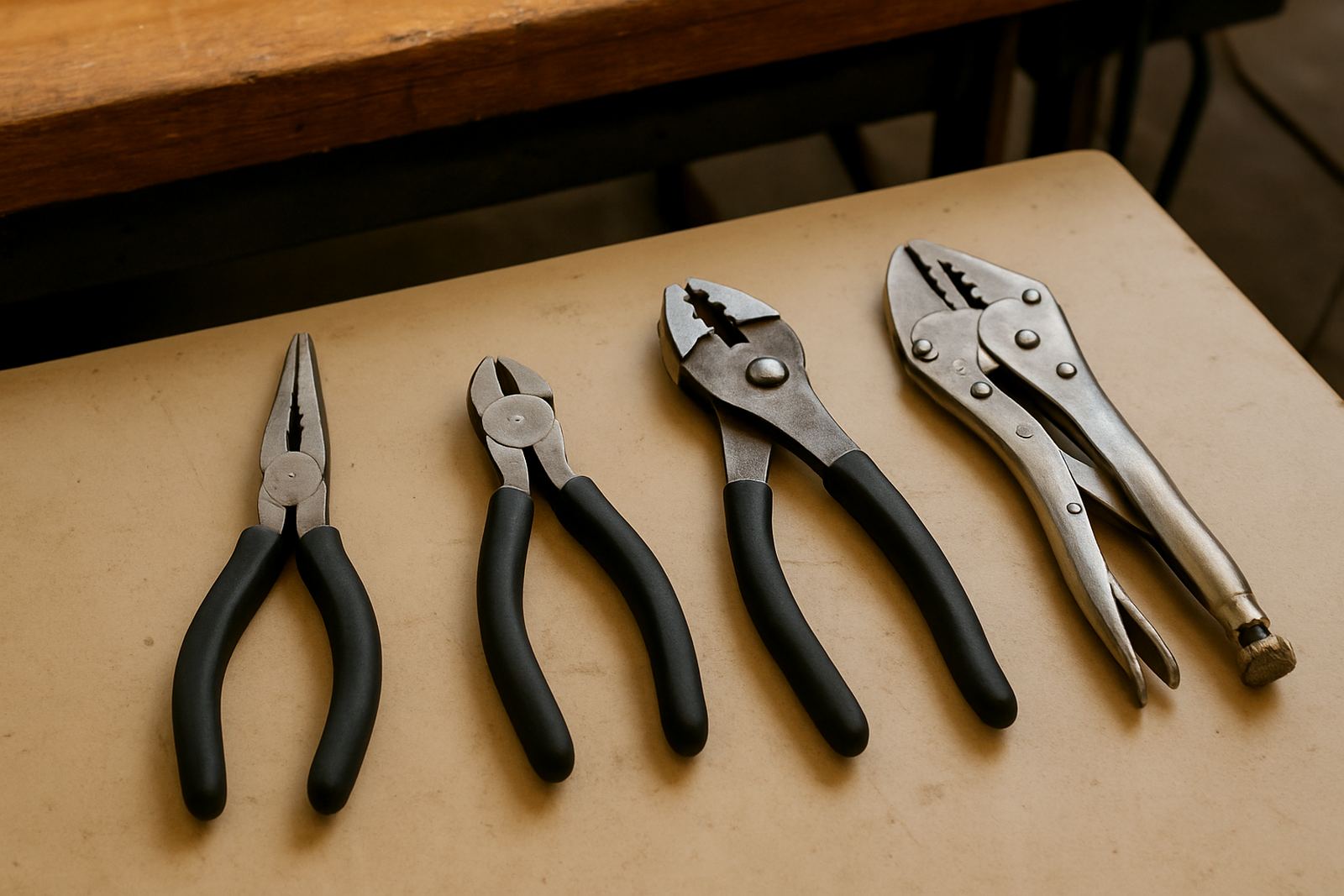
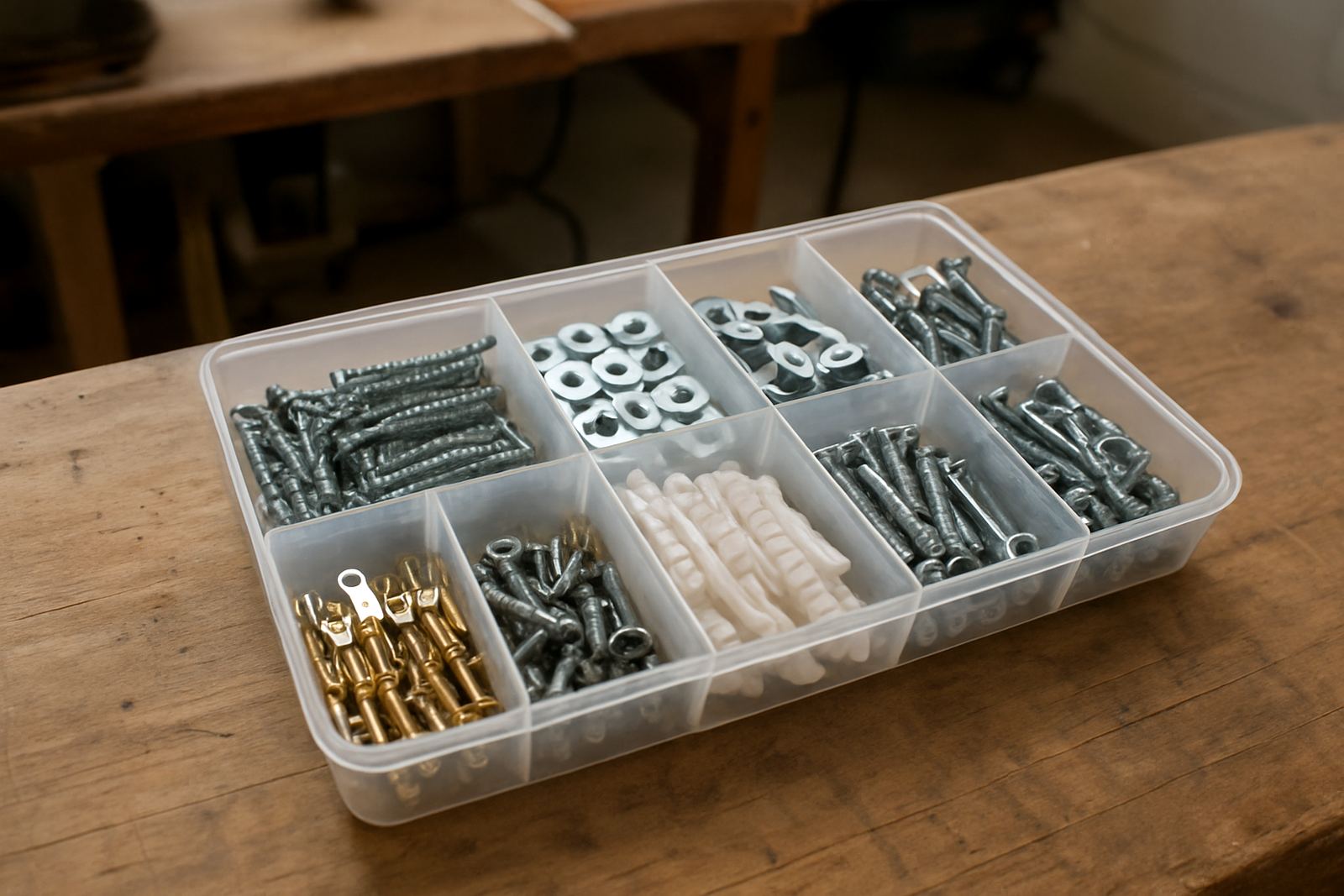
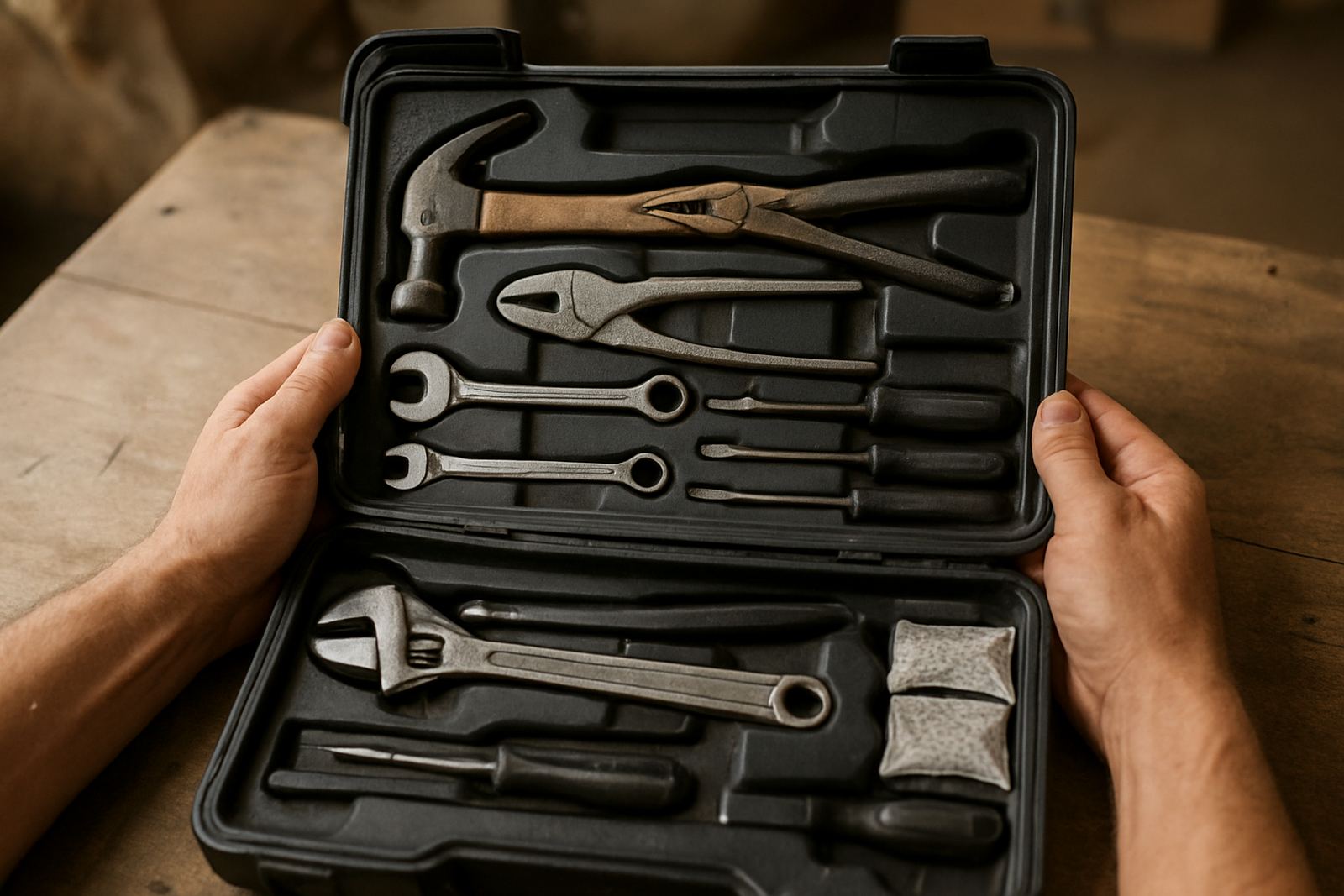
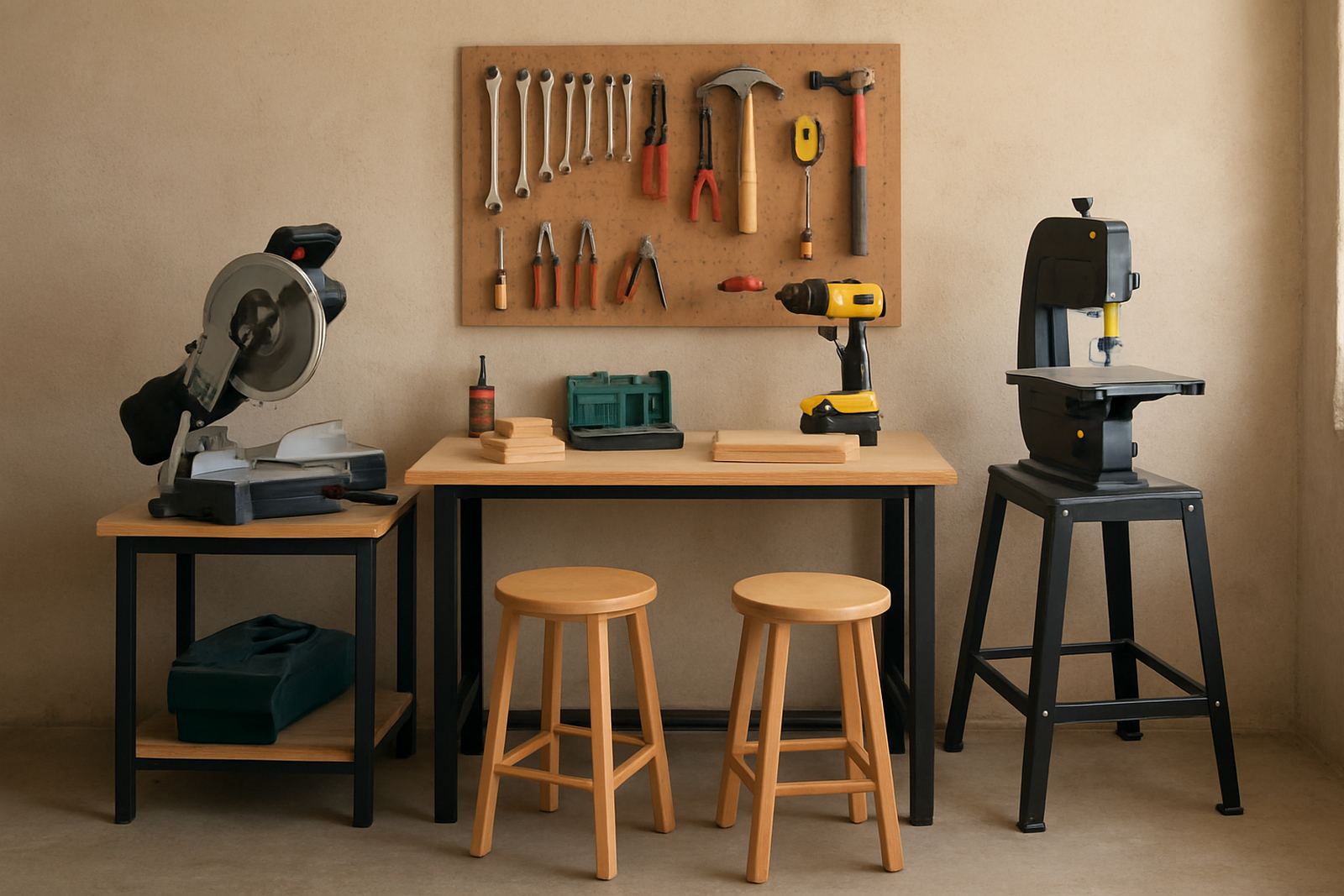
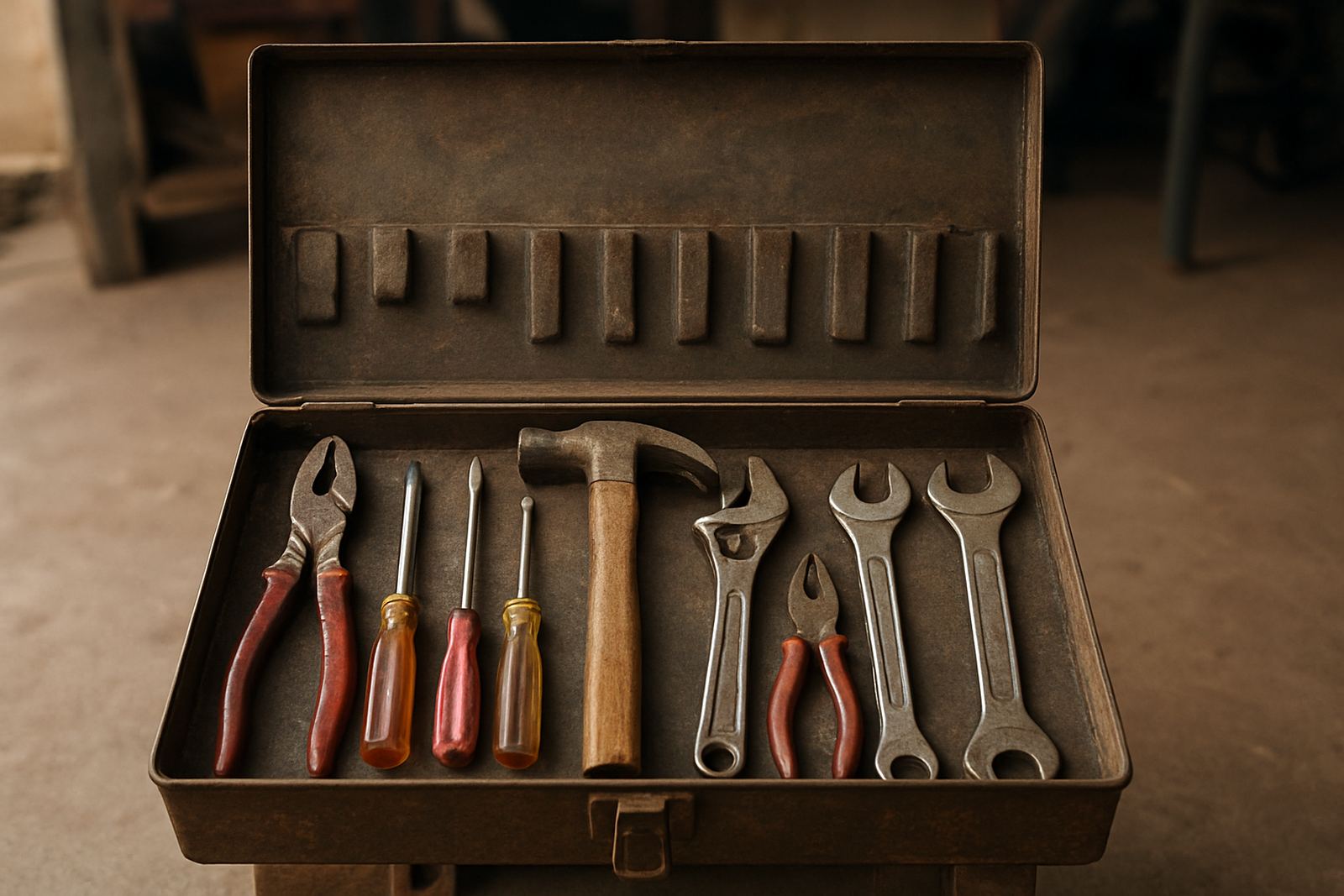
Our guidance looks at practical questions like which items should be bought in sets, when a replacement match is better than a full swap, and how to build a starter kit that gives a new user enough range without overloading them. You will also find notes on consumables so you can keep moving when the small items run low.
- Choose items for daily use, not just emergency use.
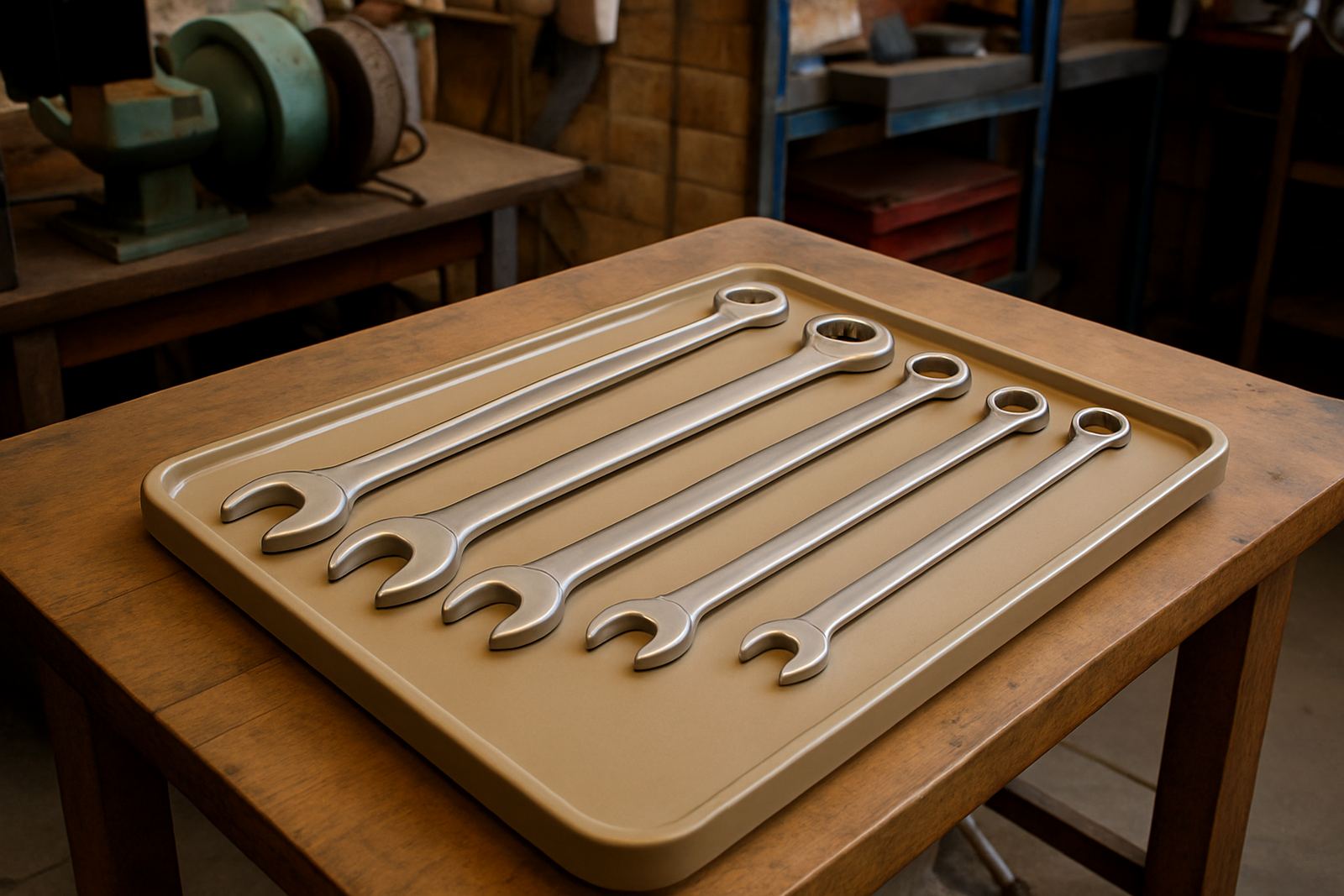
- Keep replacements consistent where size and fit matter.
- Separate nice to have items from the tools that keep the work moving.
Maintenance habits that save time
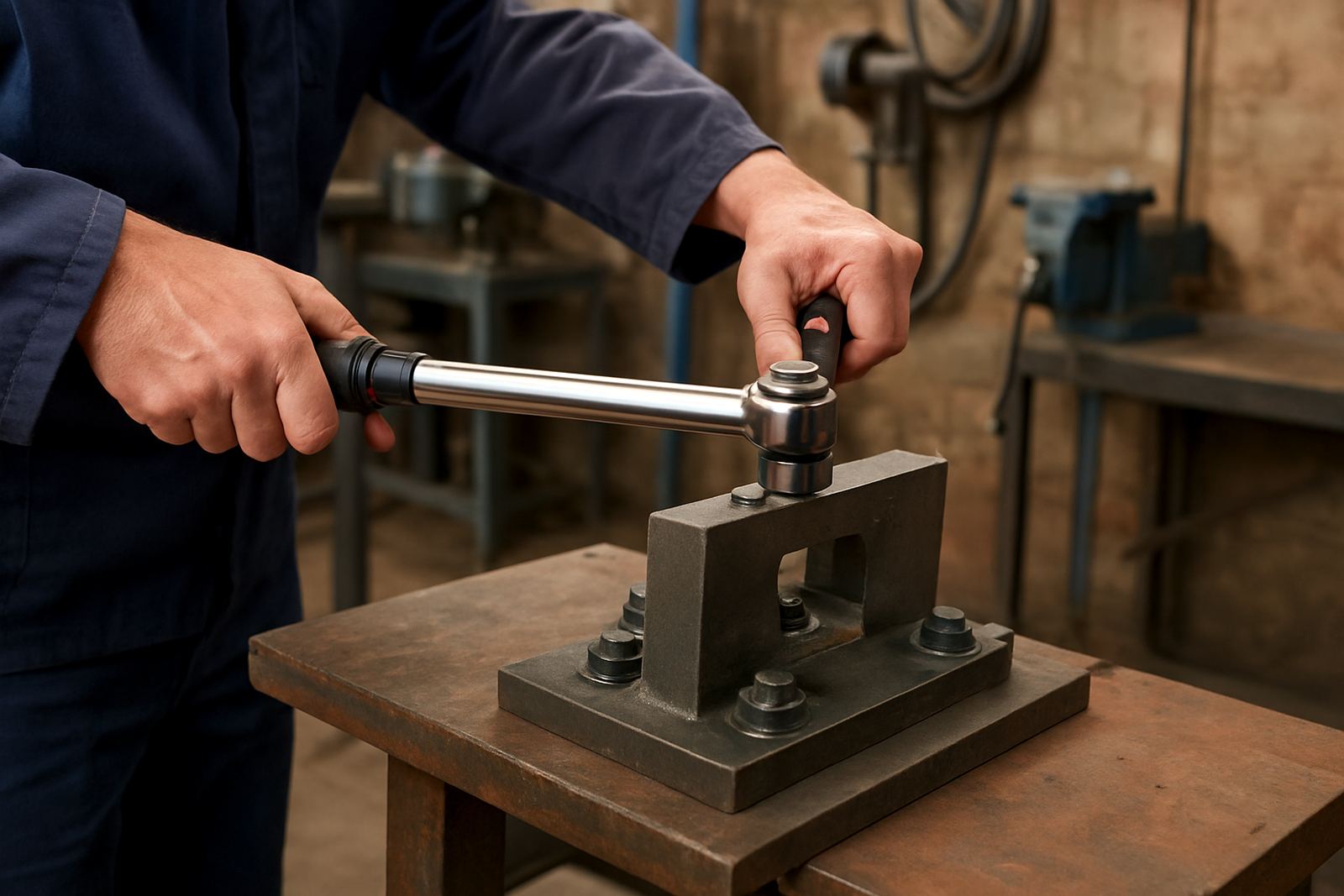
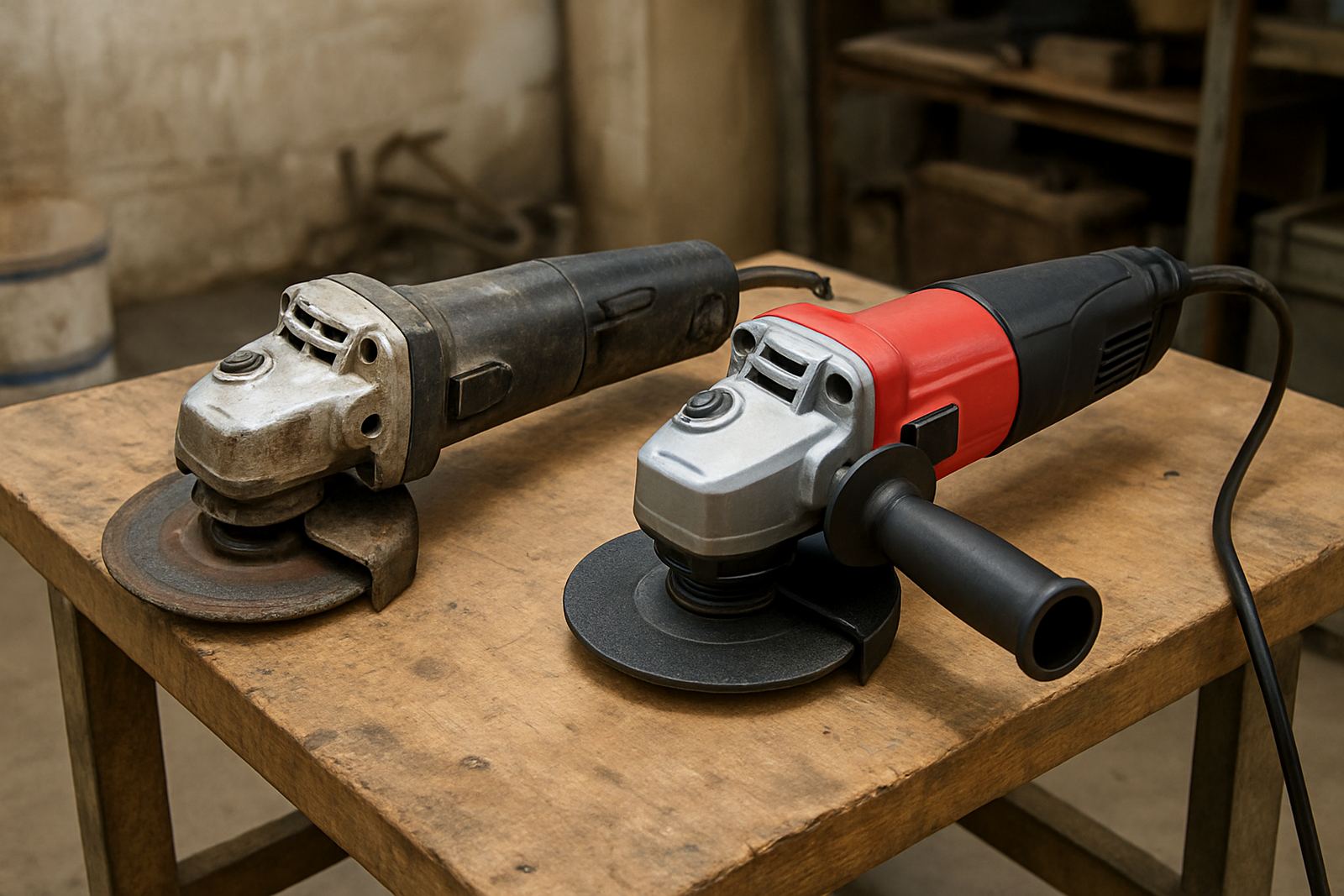
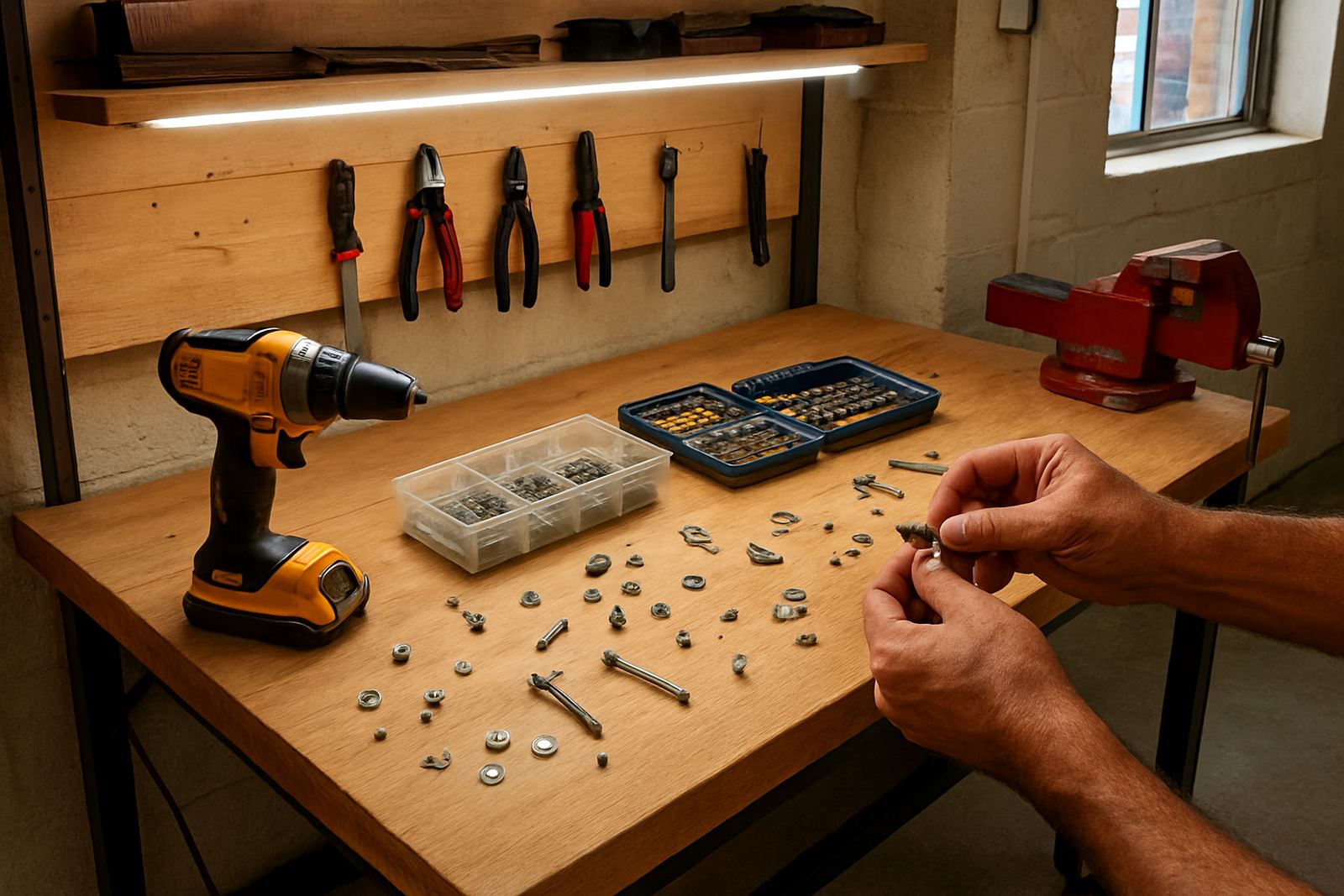
Most workshop delays come from small problems that were easy to ignore. Loose fittings, blunt accessories, poor storage and dirty tools can slow a team down far more than people expect. That is why the editorial section includes maintenance ideas that fit into normal trade routines, even when the day is already busy.
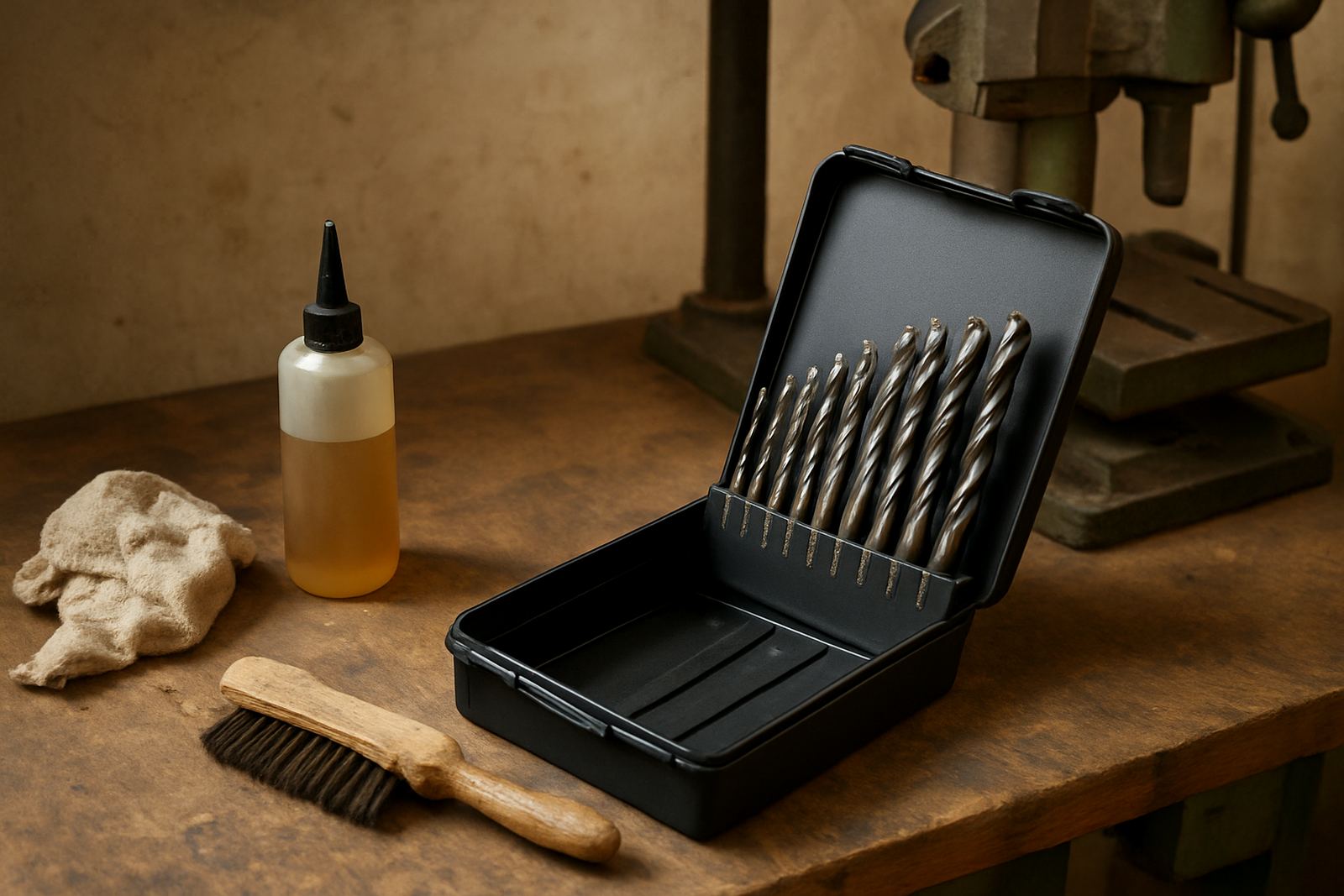
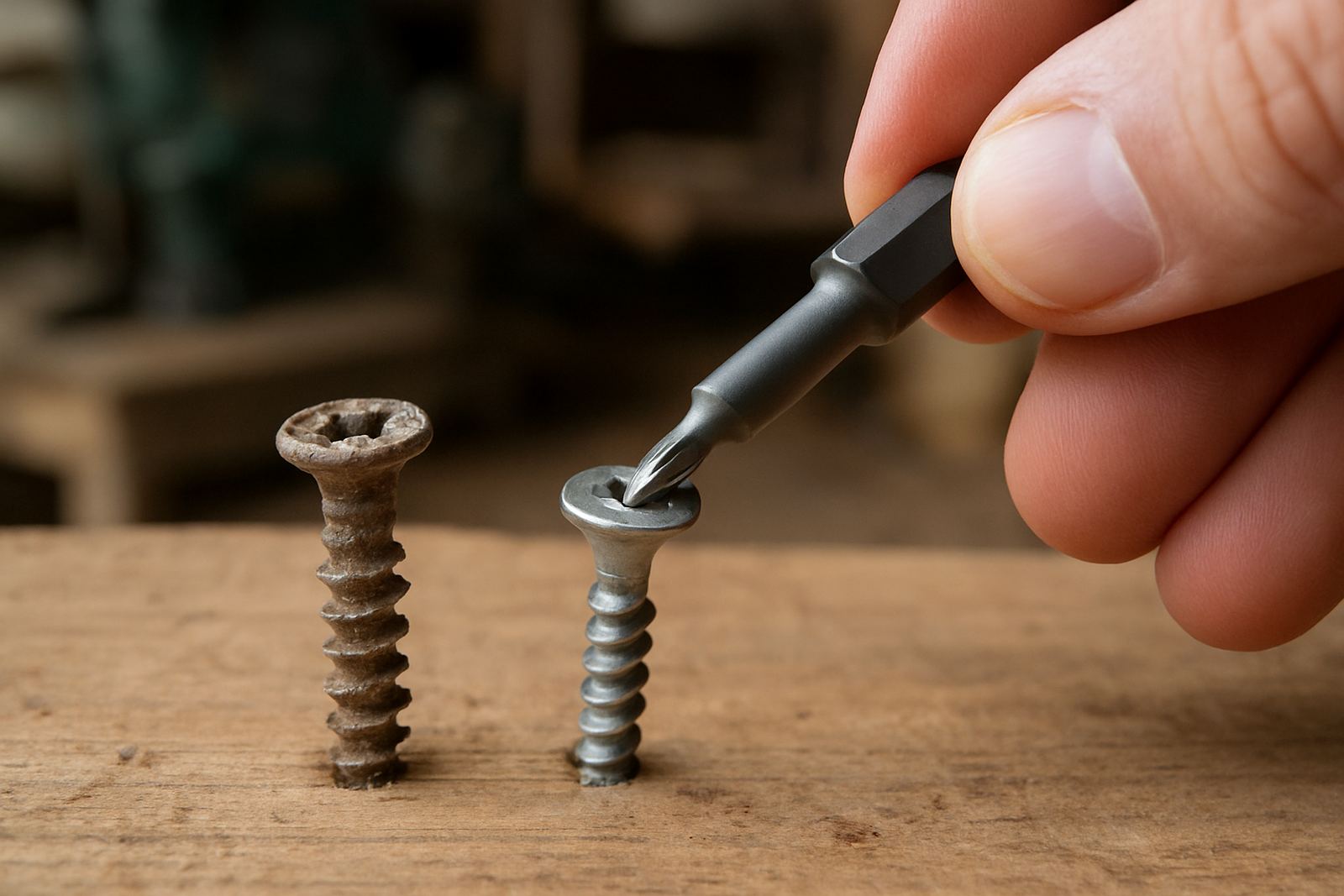
We also touch on the challenges of Durban weather and coastal air, where metal surfaces can pick up corrosion faster if tools are left open or packed away damp. A few minutes spent drying, wiping and checking stock can make a real difference, especially if power cuts or after-hours work mean you are sorting gear by torchlight. It is not fancy, but it works.
Support for supervisors and team leads
Supervisors often need more than product details. They need a way to keep standards consistent across different staff members and shifts. Toolbox Talk includes ideas for on-site inductions, stock list standardising and seasonal workshop refresh plans, so teams can stay aligned without constant reminders.
For workshop leaders in Pinetown, New Germany and nearby areas, this can help with team onboarding, replenishment checks and better control of shared tool cupboards. It also helps when you need to explain why one kit is issued for one task and a different kit is used for another. Clear rules save arguments later.
- Use short checklists for handover and return.
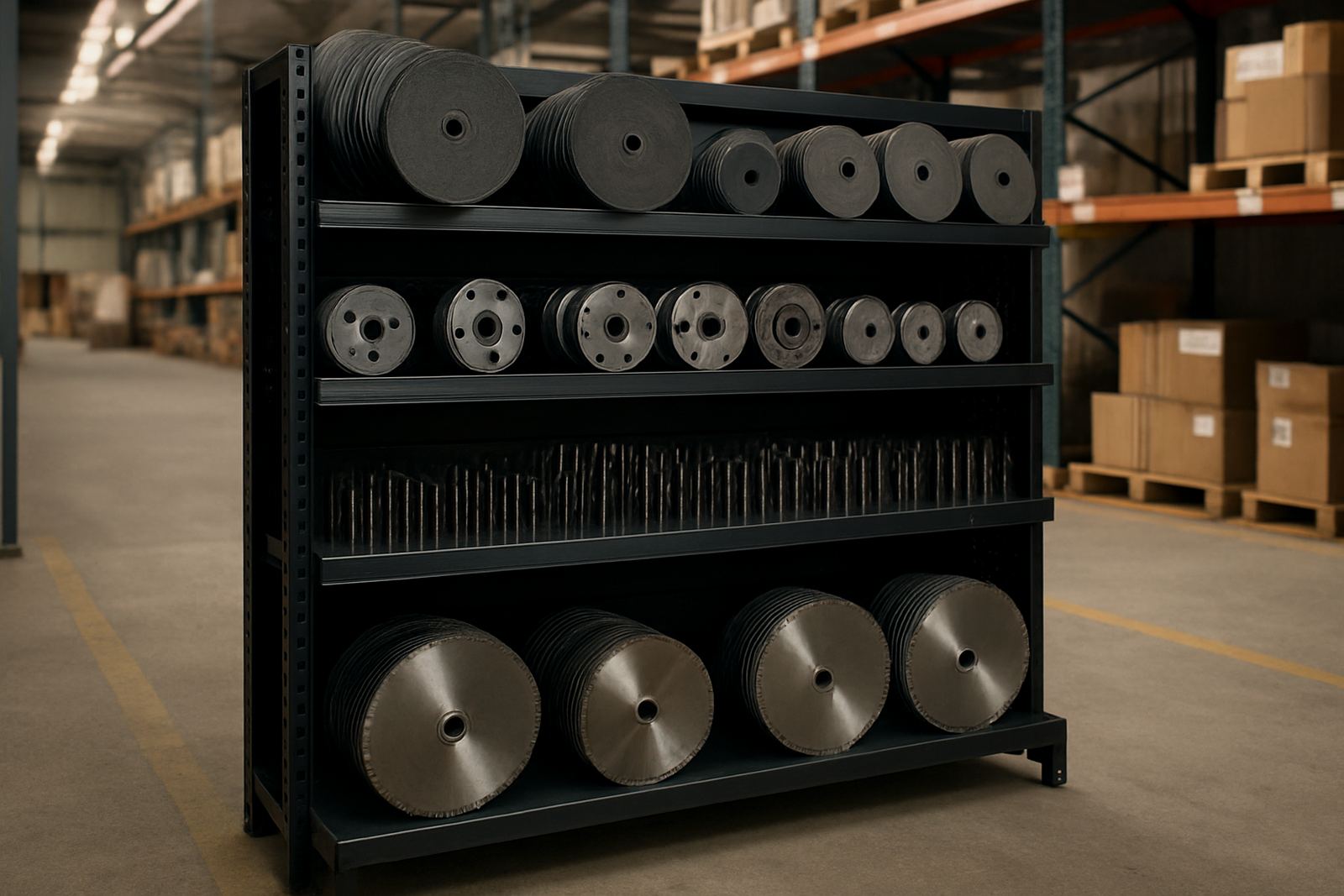
- Keep common sizes and consumables easy to find.
- Review weak points before busy seasons and shutdown periods.
What to expect from each article
Every article is written to be direct, usable and relevant to South African trade work. You will not find vague advice or theory that only makes sense in a classroom. The focus is on what to do next, what to check first and how to keep the workshop moving with less waste and fewer surprises.
If you are based in Durban or ordering nationwide, use the articles to narrow down what you need before placing an order or speaking to the team. That makes tool kit planning quicker, especially when you are balancing courier delivery, trade account support and urgent replacement items. In short, read, choose, then buy with more confidence.