Start With the Job, Not Just the Shopping List
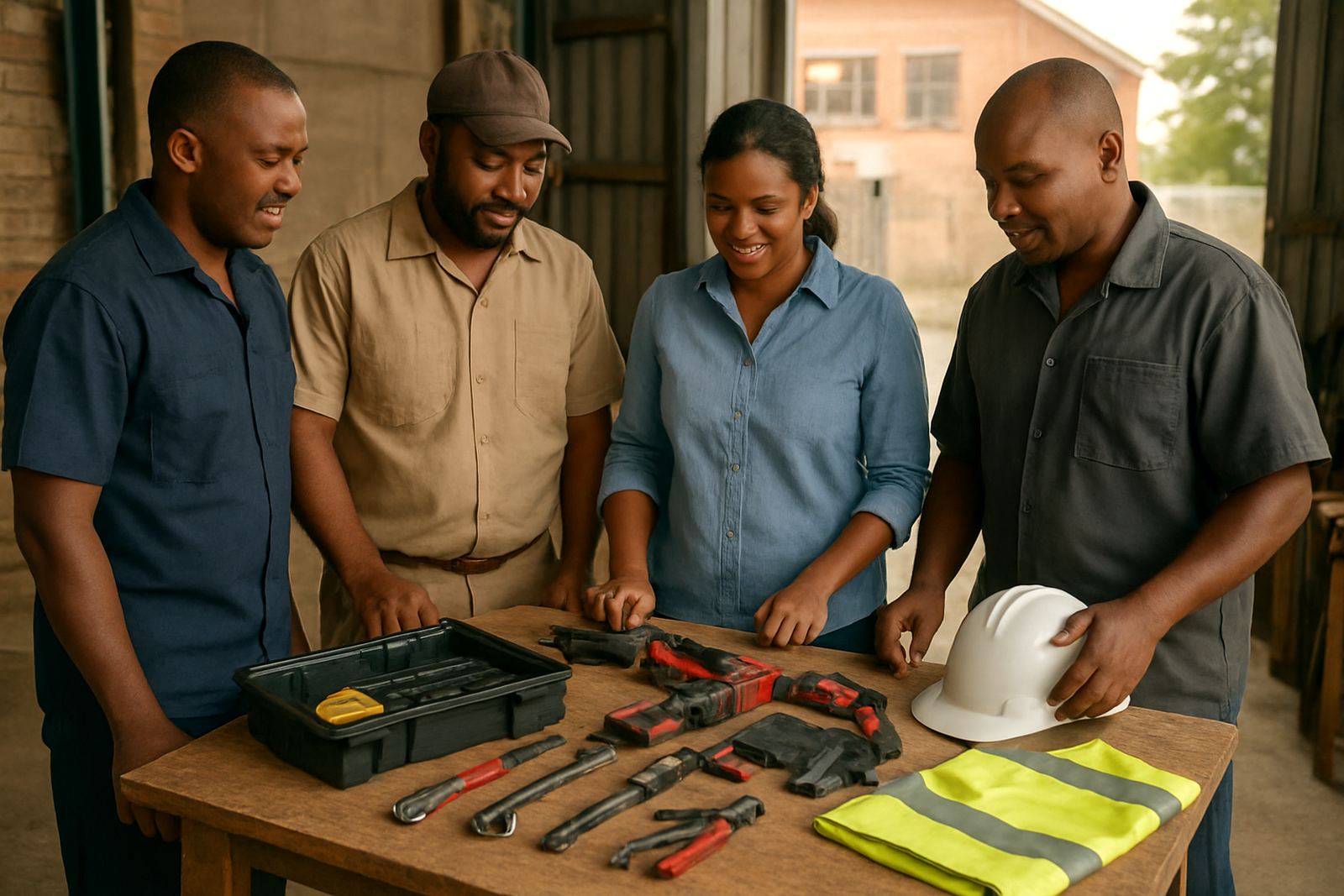
When a new apprentice joins the workshop, the first question should not be what can we buy, it should be what will this person need in week one, month one and by the end of the first quarter. A starter kit should match the work on your floor, whether that is general fitting, light fabrication, vehicle maintenance or installation work. If the kit is too broad, tools go missing and drawers fill up with things nobody uses. If it is too thin, the apprentice borrows from everyone else and never builds proper habits.
In Durban and Pinetown, many trade workshops are busy with mixed work and tight turnaround times. That means the apprentice has to learn quickly how to prepare a bench, check tools before use, and return items in good order. At Jameson Tools, we see better results when the kit is planned around actual tasks and the stock list is standardised from the start.
Build a Starter Kit That Teaches Good Habits
A starter kit should do more than fill a toolbox. It should show the apprentice how the workshop expects tools to be handled, cleaned and stored. Basic kits often work best when they include measuring tools, screwdriving and fastening items, cutters, pliers, marking tools and a small selection of accessories for drills and drivers. Add a durable carry case or storage box, then label the contents so the learner can account for each item at the end of the shift.
The point is not to issue a massive set on day one. It is to give enough for safe, useful work while making missing items easy to spot. That also helps supervisors track replacement needs, which matters when load shedding interrupts the day and teams are rushing to finish before the lights go out.
- Choose tools that match the actual trade tasks in the workshop
- Use marked compartments or labels so missing items are seen quickly
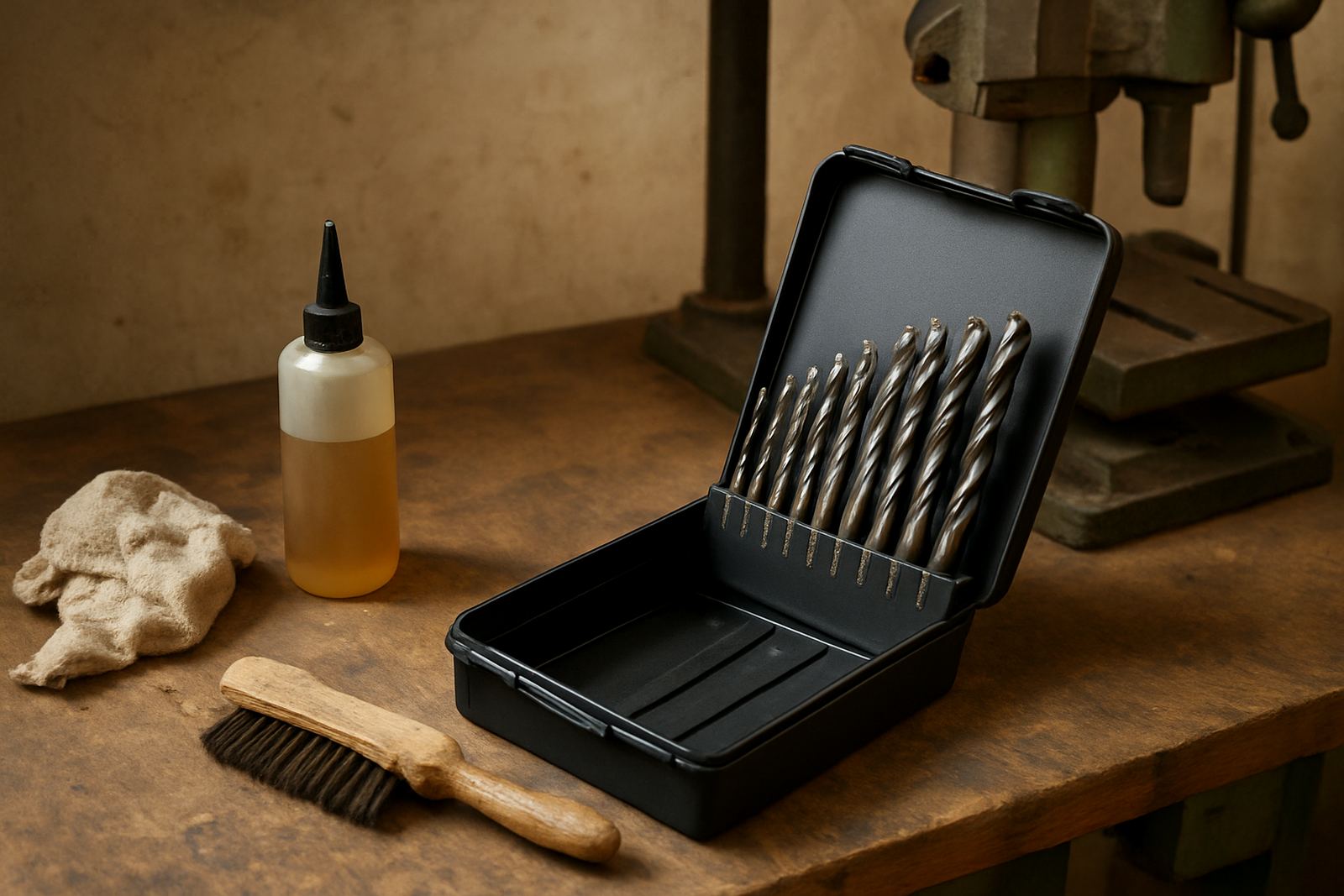
- Keep spare consumables together, such as blades, bits and fasteners
- Issue a simple checklist for end of shift counts
- Replace worn items early rather than waiting for total failure
Teach the Routine Before the Apprentice Teaches Bad Habits
Apprentices do not only need tools, they need a routine. Show them where to collect equipment, how to inspect it before use, and how to clean it before it goes back. Explain what must never be borrowed without permission, what gets signed out, and what gets reported immediately if damaged. It sounds basic, but these steps prevent confusion and they save money over time.
A short morning check takes only a few minutes but it sets the tone for the day. In our experience, workshops that repeat the same routine every day get better control of consumables and fewer arguments about missing kit. It also helps when the team changes shifts or works across more than one site in Pinetown, New Germany or Westmead. Consistency beats memory every time.
- Start each day with a 5 minute tool check
- Use the same names for every tool and accessory
- Keep a replacement log for damaged or lost items
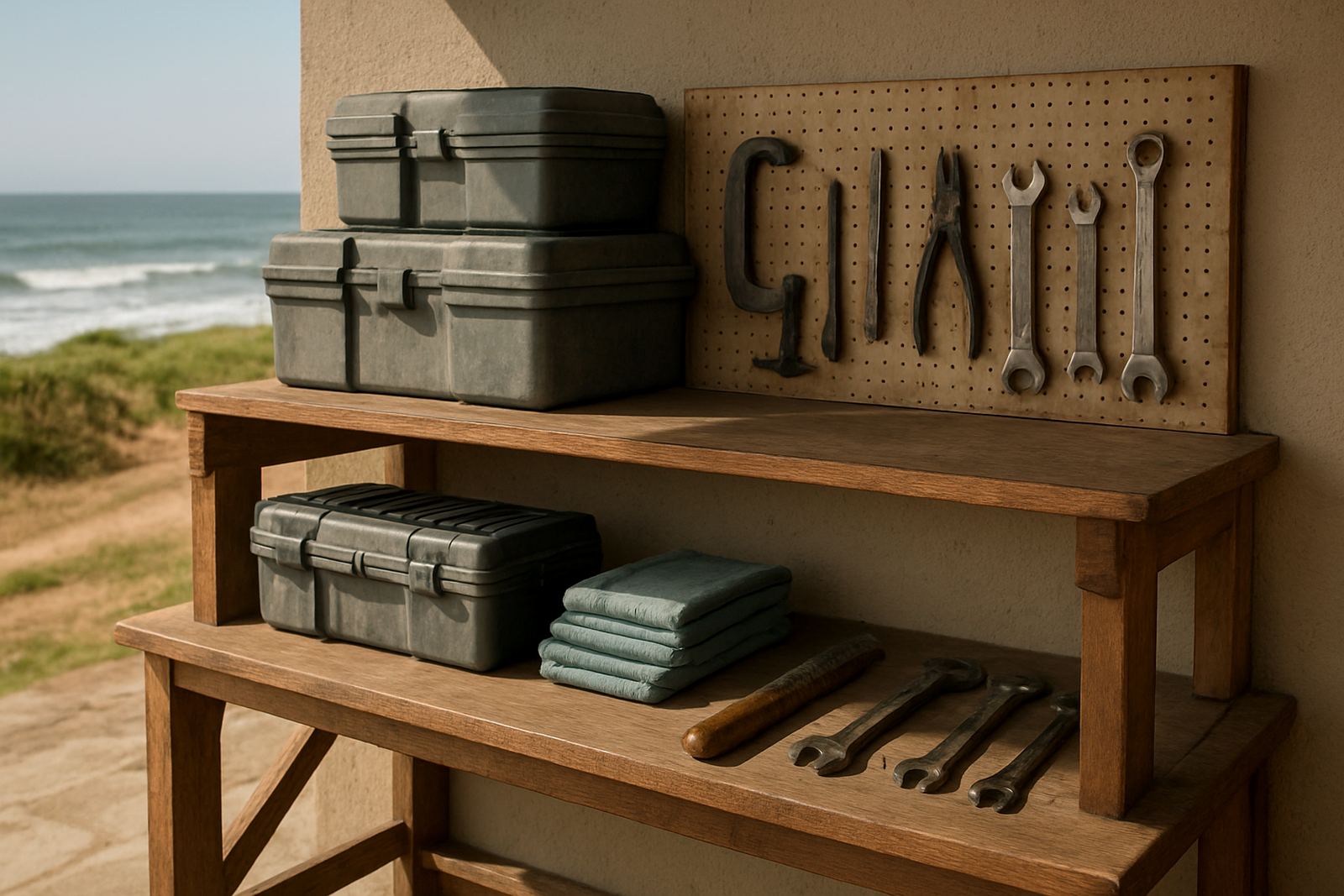
- Show the correct storage place for every item
- Review the routine again after the first two weeks
Match Training to Real Workshop Conditions
Training works best when it reflects the conditions people actually work in. In coastal areas like Durban North and Umhlanga, humidity can affect storage and lead to surface rust if tools are left exposed. In busy industrial areas, tools get knocked, dropped and packed away in a hurry. Apprentices should learn how to wipe down tools, store them dry and keep accessories sealed when not in use.
For workshops that run long days or deal with municipal site work, the apprentice should also learn how to keep records clean and easy to read. A simple stock list, a sign out sheet and a replacement note can prevent wasted trips for missing items. This is especially useful when courier deliveries are coming in from Pinetown to branches or job sites elsewhere in the country. Clear records make ordering easier and reduce downtime.
Use Training Resources to Reinforce the Kit
The best apprentices are not the ones who rush through the work, they are the ones who learn why each step matters. Pairing starter kits with short training sessions gives the learner context. Explain how to choose the right accessory, when to replace a worn bit, and how to avoid forcing a tool beyond its rating. That practical guidance builds confidence without cutting corners.
At Jameson Tools, we find that a workshop gains more value when the kit, the training and the stock planning all line up. A new apprentice can be shown the same standard every time, which makes supervision easier for the team. It also helps the operations side because replenishment can be planned before the cupboard runs empty. That kind of order is what keeps the floor moving when orders are busy and the weather turns wet.
- Use short inductions when a new apprentice starts
- Show accessory selection with the tools that will be used most often
- Link each tool to the task it supports
- Explain what damage looks like and when to report it
- Keep a simple refresher session after the first month
A Local Example From a Pinetown Workshop
A small workshop in Pinetown taking on two apprentices for the first time can make a lot of progress with a simple plan. The manager issues matching starter kits, puts the same checklist in each box, and sets one supervisor to review the tools at the start and end of the day. The apprentices are shown how to organise their kit, how to tag damaged items and how to replenish common consumables before they run out. Within a few weeks the team has fewer missing tools and the older tradespeople spend less time explaining the basics.
That same setup works well in New Germany and Westmead too, where workshops often balance repairs, installations and urgent callouts. If the apprentice learns the routine early, the rest of the team can trust the process. And when the workshop grows, the same system can be used to add more kits without starting again from scratch.
What Makes Training Stick Over Time
Training new apprentices is not a once-off event. It works best when the workshop keeps the standard visible. Revisit the kit contents after the first month, remove items that are not being used, and add any accessory that has become part of the job. Keep the language simple and the process the same for every intake. That makes it easier for new people to settle in and easier for supervisors to see where help is needed.
If you are setting up a new workshop or bringing fresh learners into an existing team, a well planned starter kit is a practical starting point. Add routines, add clear handling rules and back it with support from people who understand trade work. That approach saves time, protects stock and helps apprentices become useful sooner, without the chaos that often comes with guesswork.