Why short talks beat long lectures on a busy shop floor
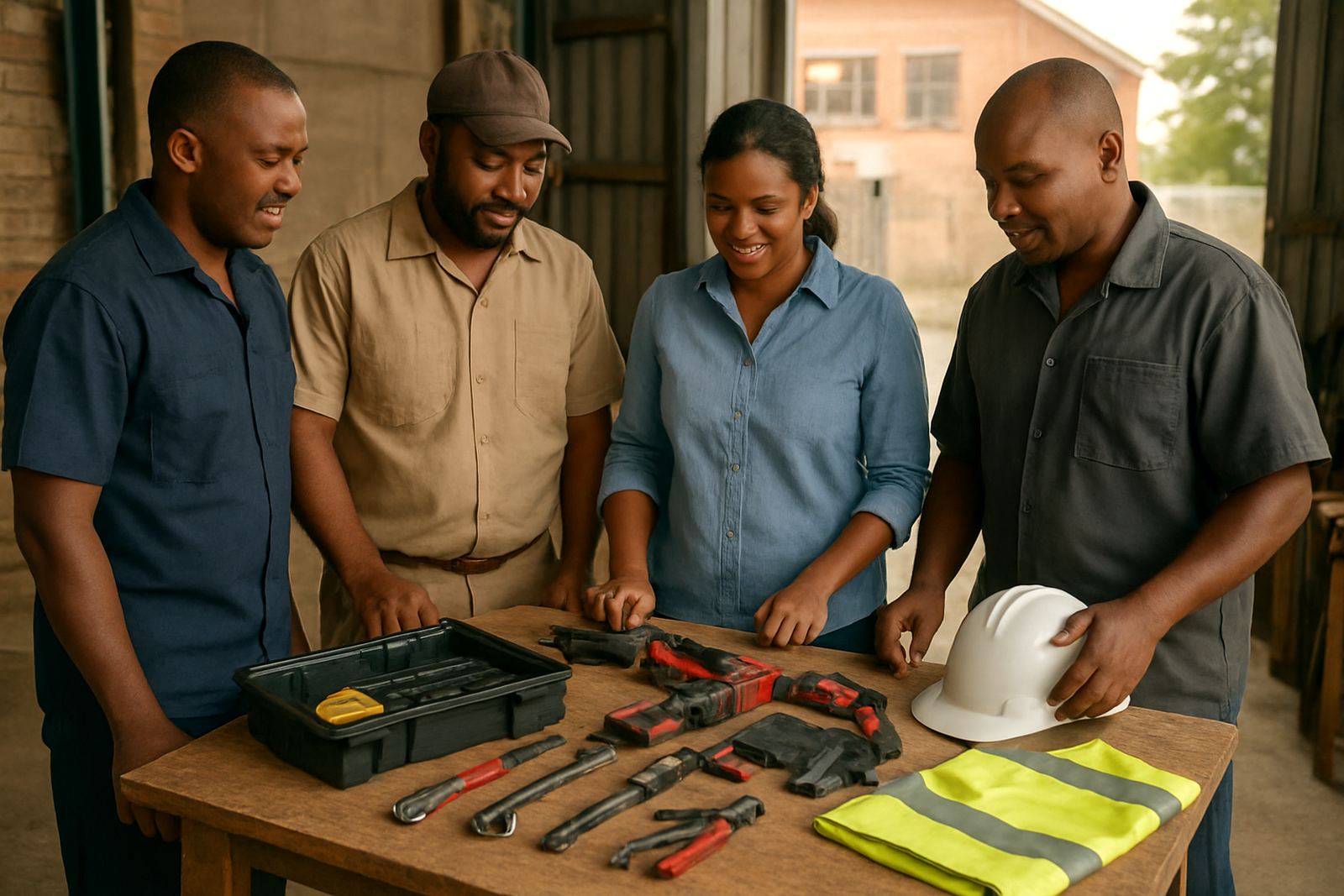
A toolbox talk is not a classroom lesson. It is a five to ten minute check-in that sets the tone for the shift, reminds the team of the risk on that job and gives everyone the same instructions before tools come out. In workshops from Pinetown to Westmead, that small pause can prevent missed steps, damaged parts and avoidable downtime.
Long safety meetings are often ignored because people are thinking about deadlines, courier cut-offs and the next machine changeover. Short talks work because they respect production time. The message lands better when it is tied to one task, one hazard and one clear action. Keep it practical and people will remember it when they reach for the grinder, drill or extension lead.
- Focus on one job, not the whole workshop
- Use real examples from the previous week
- End with one instruction everyone can follow
- Keep it to 5 to 10 minutes
What to cover before the first tool is switched on
The strongest toolbox talks start with the work that is actually happening that morning. If the team is cutting, drilling, assembling or moving stock, speak to those risks only. There is no value in talking about every hazard in the building when the crew needs to know how to handle one particular task safely and properly.
Cover the working area, the tools, the protective gear and the order of work. If load-shedding affected the shift plan, say so upfront. If a generator, compressor or backup lighting is being used, check cables, ventilation and fuel handling before anyone starts. In coastal air around Durban North and Umhlanga, remind the team to wipe down exposed metal and store consumables dry to avoid early rust and swelling packaging.
- What job is being done today
- Which tool or accessory is in use
- Where the main risk sits
- What to do if something changes mid-job
A Pinetown workshop example that saves time and rework
A small fabrication workshop in Pinetown was losing time because the same mistake kept happening on morning jobs. The team would start with the right cutting blades, but the wrong drill bits would be pulled from the trolley later in the day. That meant extra walking, mixed stock and a few poor-quality holes that had to be reworked.
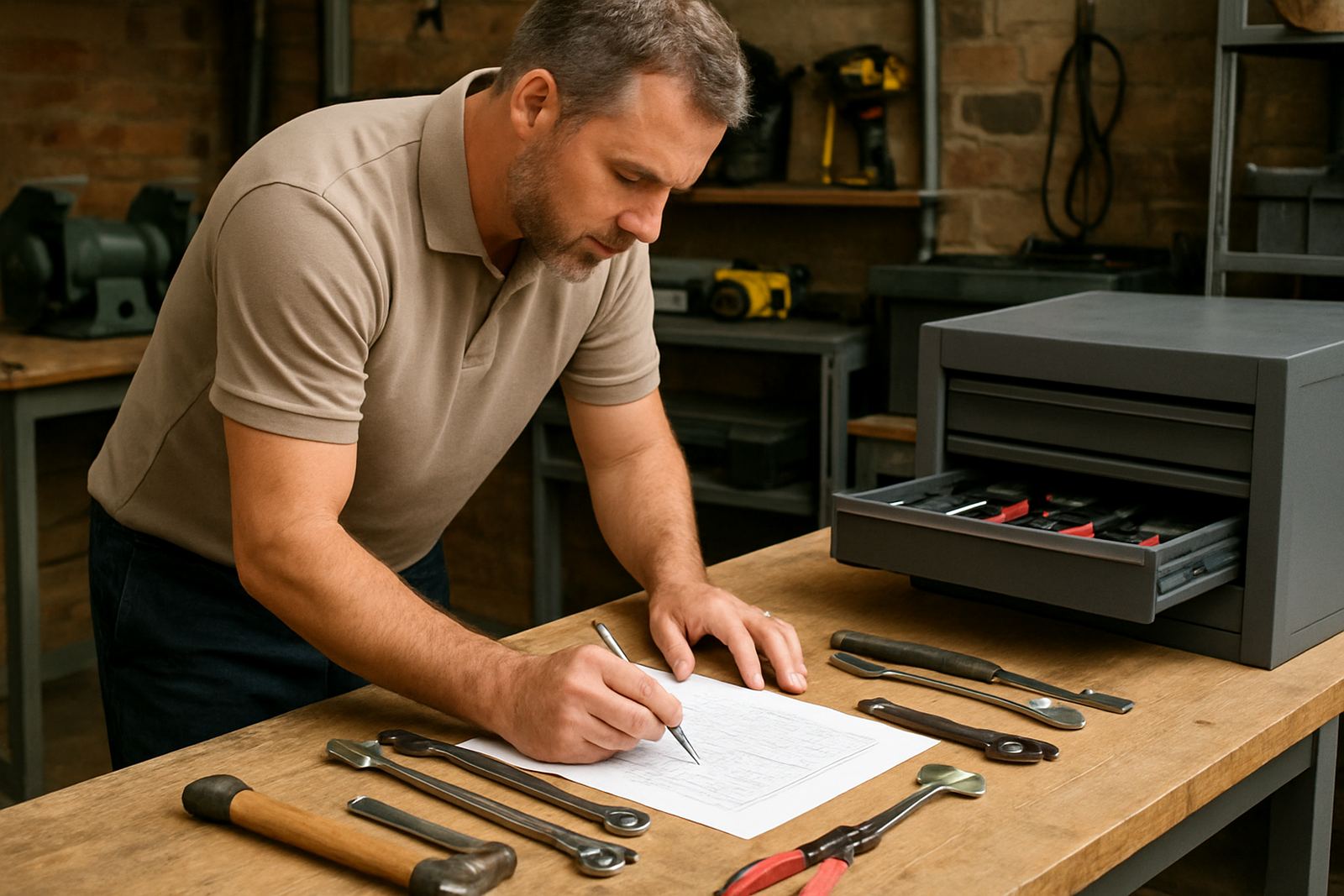
The supervisor changed the routine and used a two-minute toolbox talk before each shift. One day the topic was drill bit sizes and storage. Another day it was checking accessory wear before fitting. The talk always ended with the same instruction: one person confirms the kit list before the job starts. The result was less stopping and starting, cleaner work and fewer surprises when the order had to go out before the courier collection. It was a small adjustment but it made a proper difference.
That approach works in New Germany and Hillcrest too, especially where a mixed team of experienced tradespeople and newer hands is sharing tools. The message stays simple, so nobody is left guessing.
How to keep toolbox talks practical, not repetitive
When the same warning gets repeated every day, people stop listening. The answer is to rotate the subject and keep each session tied to current work, stock and conditions. A talk about extension lead safety makes sense after a stormy week. A talk about blade condition makes sense when the workshop is running through a batch of timber or sheet material. A talk about labels and storage makes sense before a stock take or refresh.
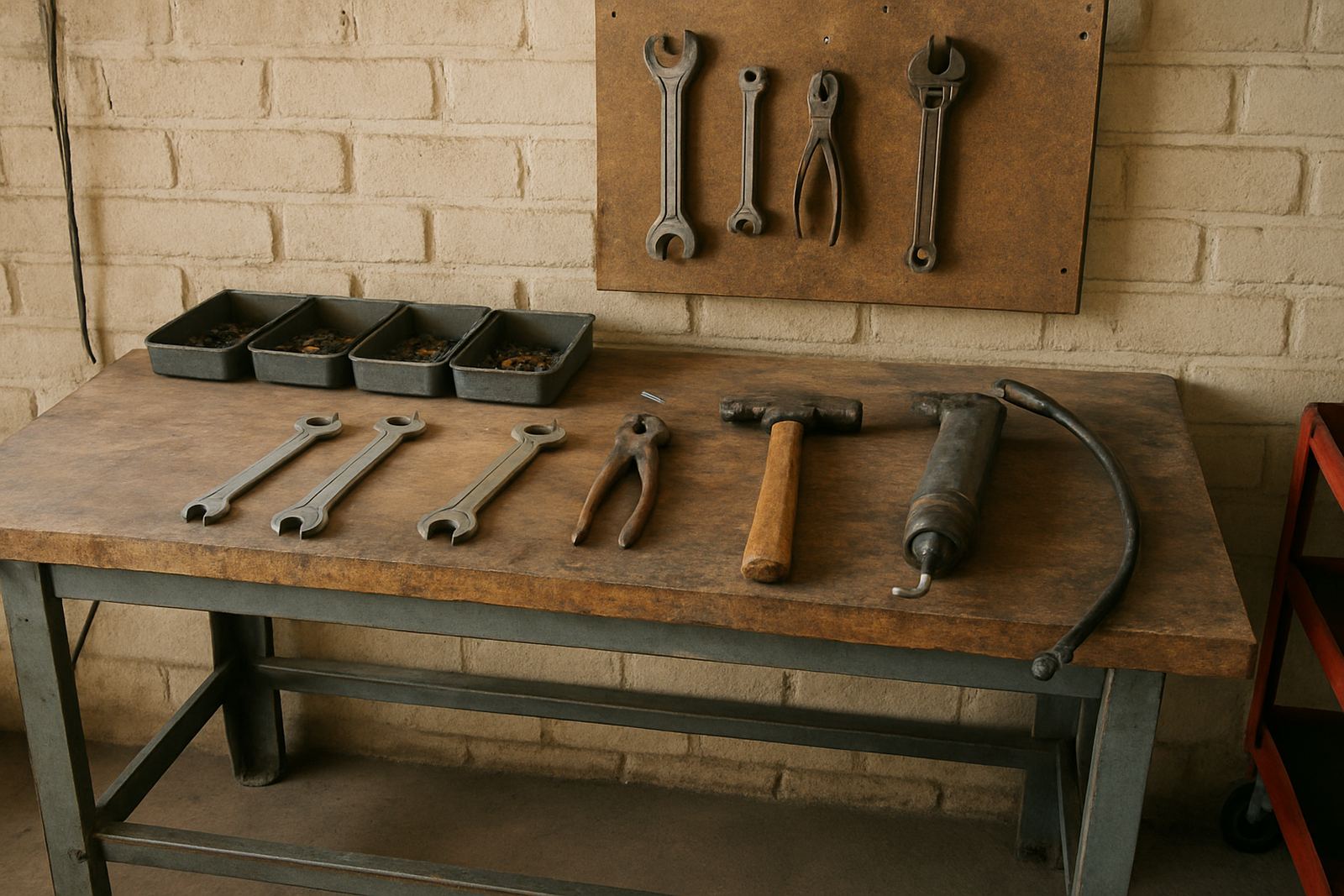
Use the floor, the bench and the actual tools as your teaching aids. If someone can point to the problem, they are more likely to remember the fix. Keep one person responsible for the talk, but encourage a second voice from the team now and then. That helps the crew feel involved instead of spoken at.
- Change the topic often enough to stay useful
- Use items already in the workshop as examples
- Invite one quick comment or question from the team
- Record only the key point and the date
Link the talk to stock control and tool condition
A good toolbox talk should do more than warn about safety. It should help the workshop run better. If the team is constantly searching for missing consumables, the talk can be about stock location and standardising the list. If accessories are wearing out too fast, the talk can cover inspection, cleaning and the right replacement sequence. This is where many workshops save time without spending extra Rand.
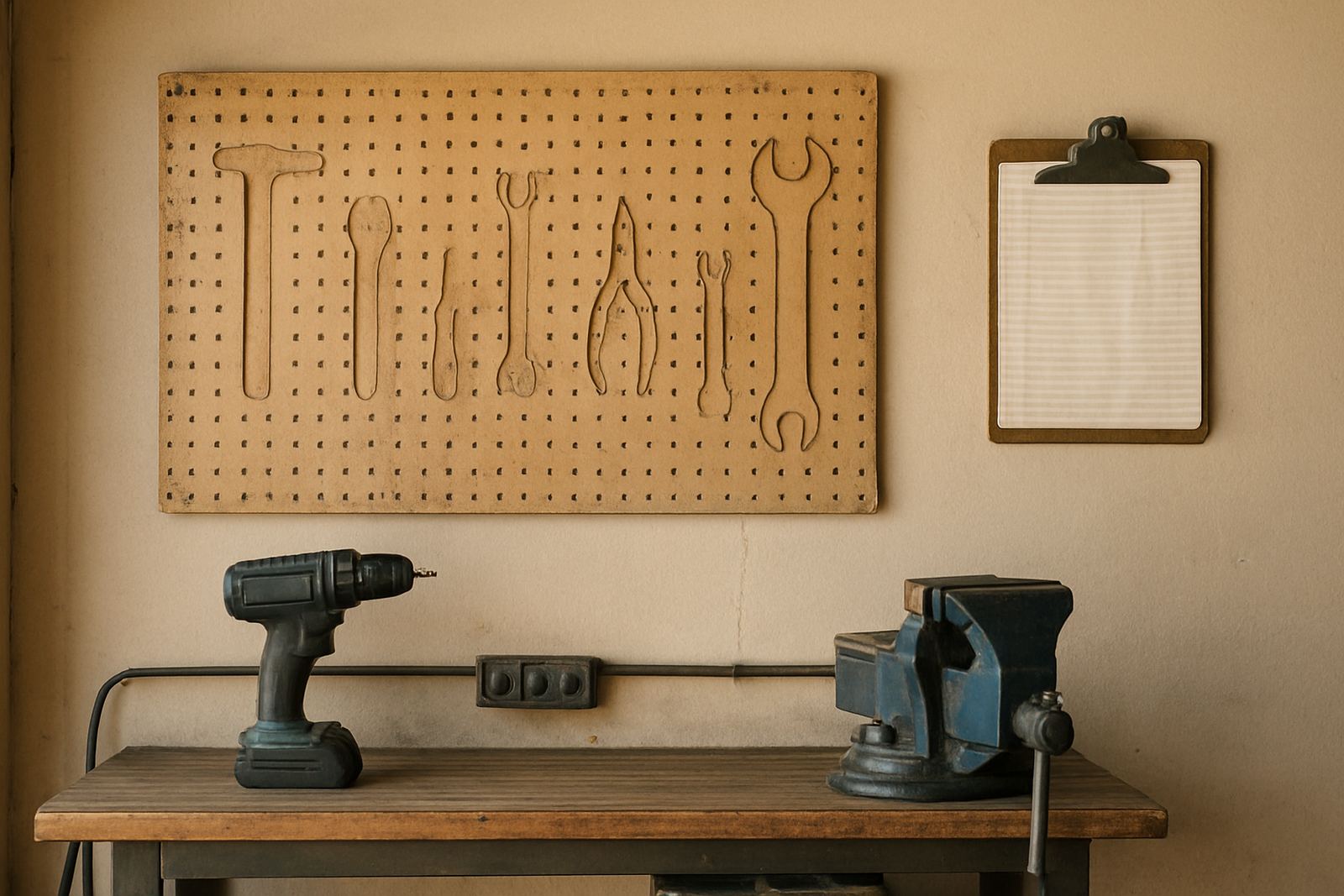
For a workshop set-up in Durban or around Pinetown, it is smart to check the condition of hand tools, power-tool accessories and starter kits before the busy season. Replace damaged items before they fail on a job. Keep the most used items packed together. Make sure everyone knows where spares are stored and when to report low stock. A short reminder can stop a full morning from being lost to rummaging through mixed boxes.
- Match the tool to the task
- Check wear before use
- Restock before the last item is gone
- Keep the list the same across shifts
A simple format your team can use every week
If you want the habit to stick, keep the format the same every time. That way the team knows what to expect and the talk never drifts into a long meeting. The best format is simple enough for a supervisor, team leader or senior tradesperson to use without prep time becoming a problem.
Try this: start with the job for the day, point out the one risk, show the right tool or accessory, confirm who checks the kit and finish with one reminder. If a new worker is on site, add a quick induction point so they know the storage area, courier drop-off point and reporting process for faulty stock. In a trade workshop, consistency is what makes the talk useful.
When the sessions stay short and relevant, the team keeps moving and the habits improve quietly in the background. That is the real value. Less confusion, less rework and fewer interruptions to the production line.