

Home / Toolbox Talk / Stocktake Your Tools

Toolbox Talk

Stocktake Your Tools

A proper stocktake shows what is missing, what is overbought, and what needs replacing before the next job starts. For workshops in Pinetown, Durban and beyond, a regular count saves time, reduces waste and keeps consumables moving.

Stocktake Your Tools

Why a tool count pays for itself

A stocktake is not just about counting spanners and sockets. It tells you which items are disappearing from the workshop, which consumables are being used faster than expected, and which tools are being bought twice because nobody knows what is already on the shelf.

In a busy trade space, those small leaks add up quickly. A missing set of screwdrivers may seem minor until three jobs are delayed, or a box of drill bits gets reordered because the last one was borrowed and never logged back. A monthly or quarterly count gives you a clear picture of what is really on hand and what needs attention.

For Durban workshops, humidity can also make a difference. Steel items stored near open doors, or in sheds close to the coast, can rust quicker if they are not checked and cleaned regularly. That means stocktake time is also inspection time, which helps you catch damage early and keep tools fit for use.

Start with the items that disappear fastest

Do not begin with the largest tools. Start with the small, high movement items that disappear first and are hardest to notice during the week. These are often the parts that keep the whole workshop running.

  • Drill bits, masonry bits and hole saws
  • Cutting discs, grinding discs and sanding pads
  • Replacement blades, blades for utility knives and spare cutters
  • Fasteners, plugs, anchors and cable ties
  • Measuring tapes, marker pens and chalk line consumables

Once these are counted, compare them with job sheets and purchase records. If a certain size bit keeps running out, that tells you something practical about the work being done. It may also point to a need for better starter kits or a different replenishment cycle. A workshop in New Germany may use different quantities from a site team moving between Pinetown and Hillcrest, so the count should match the actual work, not a guess.

Make the shelf list match real workshop use

A stocktake is only useful if the list is simple enough for staff to follow. Long, confusing descriptions lead to errors and repeated buying. Keep item names consistent, and use the same naming across shelves, invoices and job cards.

For example, if one person records an item as a 13 mm bit and another calls it a 13 millimetre masonry bit, it is easy to lose track. Standardising the list makes it easier to see what is being used, what is idle, and what should be reordered.

  • Use one item name for each part
  • Group tools by task or location
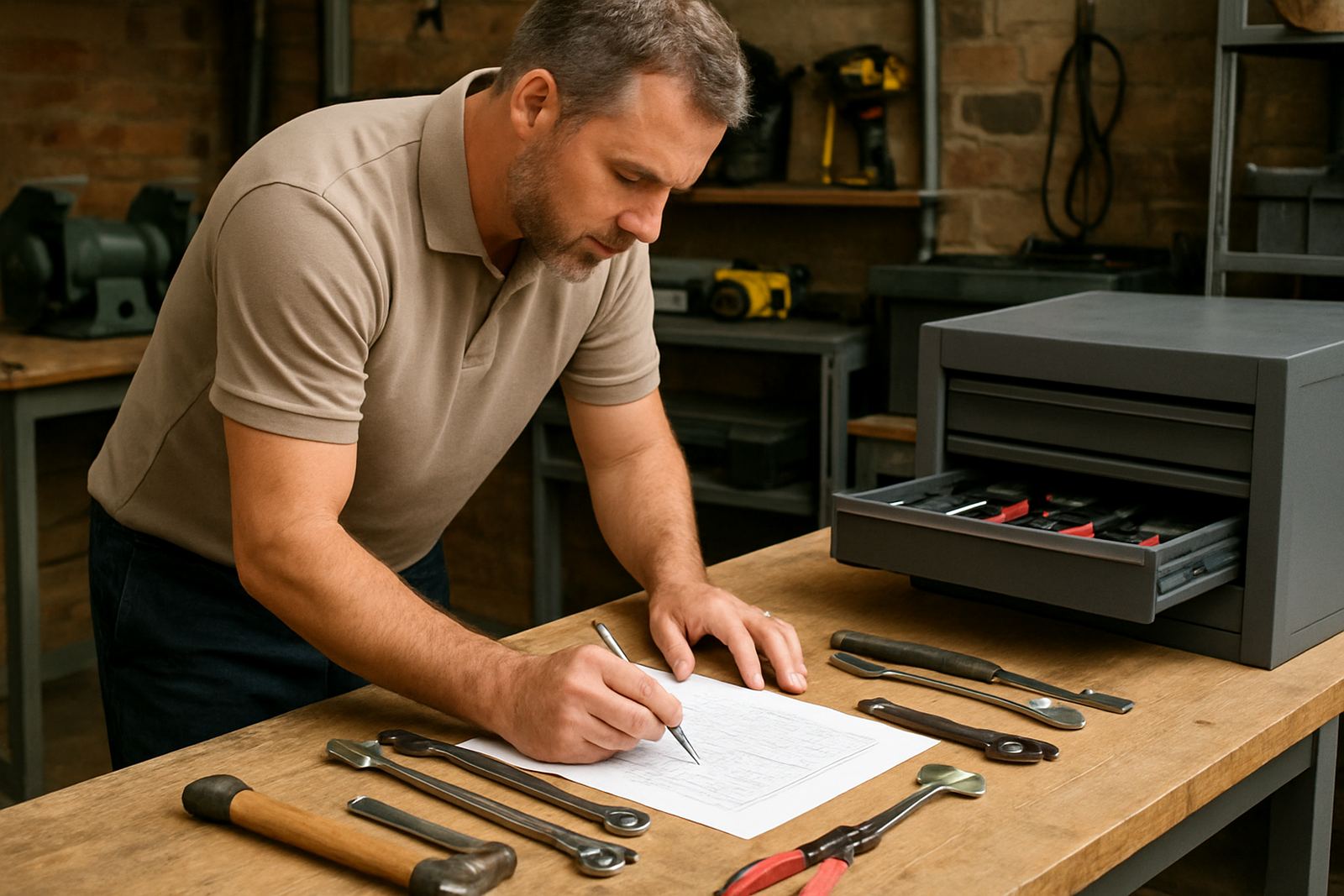
  • Record counts in a simple spreadsheet or printed list
  • Mark damaged, missing and borrowed items separately

This is especially useful for workshops with multiple users. A tidy list helps the person responsible for purchasing to act faster, and it reduces the chance of replacing the wrong item. It also makes handover easier when a foreman, buyer or storeman changes.

Spot repeat buying before it becomes waste

One of the biggest benefits of stocktaking is spotting repeat buying opportunities before money is wasted. If you know a certain accessory is used every two weeks, you can plan the order instead of paying urgent delivery charges after stock runs out.

That matters during load-shedding and busy work periods, when time on site is already tight. A workshop that keeps enough charger leads, cutters and fixings on hand can keep jobs moving instead of waiting for the next courier. It also helps avoid panic buying, which usually means the wrong size or a more expensive substitute.

For many businesses, stocktake results also show where starter kits would help. If new staff keep asking for the same basic items, bundling those tools into a standard kit often saves both time and Rand. The same applies to consumables replenishment, where a fixed list can remove the guesswork.

A Durban example from the shop floor

A small workshop in Pinetown recently reviewed its tool cupboard after noticing that the same items kept disappearing from the shelf. The team thought the problem was theft, but the stocktake showed something simpler. Bits, gloves and marking pens were being borrowed across jobs and not returned to the right place.

After sorting the list and assigning shelf positions, the workshop cut duplicate buying within a month. They also found that certain discs were running out much faster than expected because one machine was being used for longer shifts than planned. That meant the buyer could increase those items on the next order and reduce downtime.

In practical terms, the count changed the way they worked. Staff spent less time hunting for items, and the manager had a clearer view of what needed replacing. It was not a complicated fix, just a regular count and a proper record. Simple things often make the biggest difference, especially when the shop is busy.

Turn the count into a buying plan

Once the stocktake is done, do not leave the figures in a file. Use them to build a buying plan for the next month or quarter. That is where the real value sits. The count should guide orders, replacement choices and workshop setup decisions.

  • Set minimum levels for fast-moving consumables
  • Identify tools that need replacement matching
  • Separate once-off purchases from regular replenishment
  • Schedule seasonal workshop refresh work before peak periods

For trade businesses in Durban North, Umhlanga, Westmead and Hillcrest, courier delivery can keep those orders moving without extra travel. For teams in and around Pinetown, an ordered stock list also makes collection and planning easier. If you are setting up a new workshop or tightening an existing one, a proper count gives you the facts before you spend.

Jameson Tools works with workshops that want clear stock control, practical kit planning and support that fits real trade conditions. When the numbers are known, the next order makes more sense and the workshop runs better.

Questions we get asked

How often should a workshop do a stocktake?

Most trade workshops should do a full count monthly or quarterly, with quick checks on fast-moving consumables every week if items are used heavily.

What should I count first?

Start with small items that disappear quickly, such as drill bits, discs, fasteners, blades and measuring consumables. These show shortages earliest.

Can stocktake results help with ordering?

Yes. They show what is running low, what is being overbought and what should be bundled into starter kits or standard replenishment lists.

Planning something? Email the team.

orders@jameson.co.za