Why tidy work areas pay off every day
In a busy trade workshop, clutter costs time. A missing socket, a tangled extension lead or a bench covered in offcuts can slow the whole team down. When tools have a place and walkways stay clear, jobs move smoother and there is less chance of damaged stock, slips or avoidable rework.
It also helps with accuracy. When a fitter, technician or apprentice can find the right cutter, spanner or consumable quickly, measurements get checked properly and the job is less likely to be rushed. That matters whether you are handling vehicle service work in Pinetown, light fabrication in Westmead or a small home workshop in Hillcrest.
- Less time searching for hand tools and accessories
- Lower risk of trips, cuts and dropped parts
- Better stock control for fast-moving consumables
- Cleaner benches that support more accurate work
During load-shedding, tidy cable management becomes even more important. A workshop with loose leads, mixed chargers and tools left on the floor can turn a power cut into a hazard very quickly. Good order is not extra admin, it is part of daily control.
Start with the bench, then work outwards
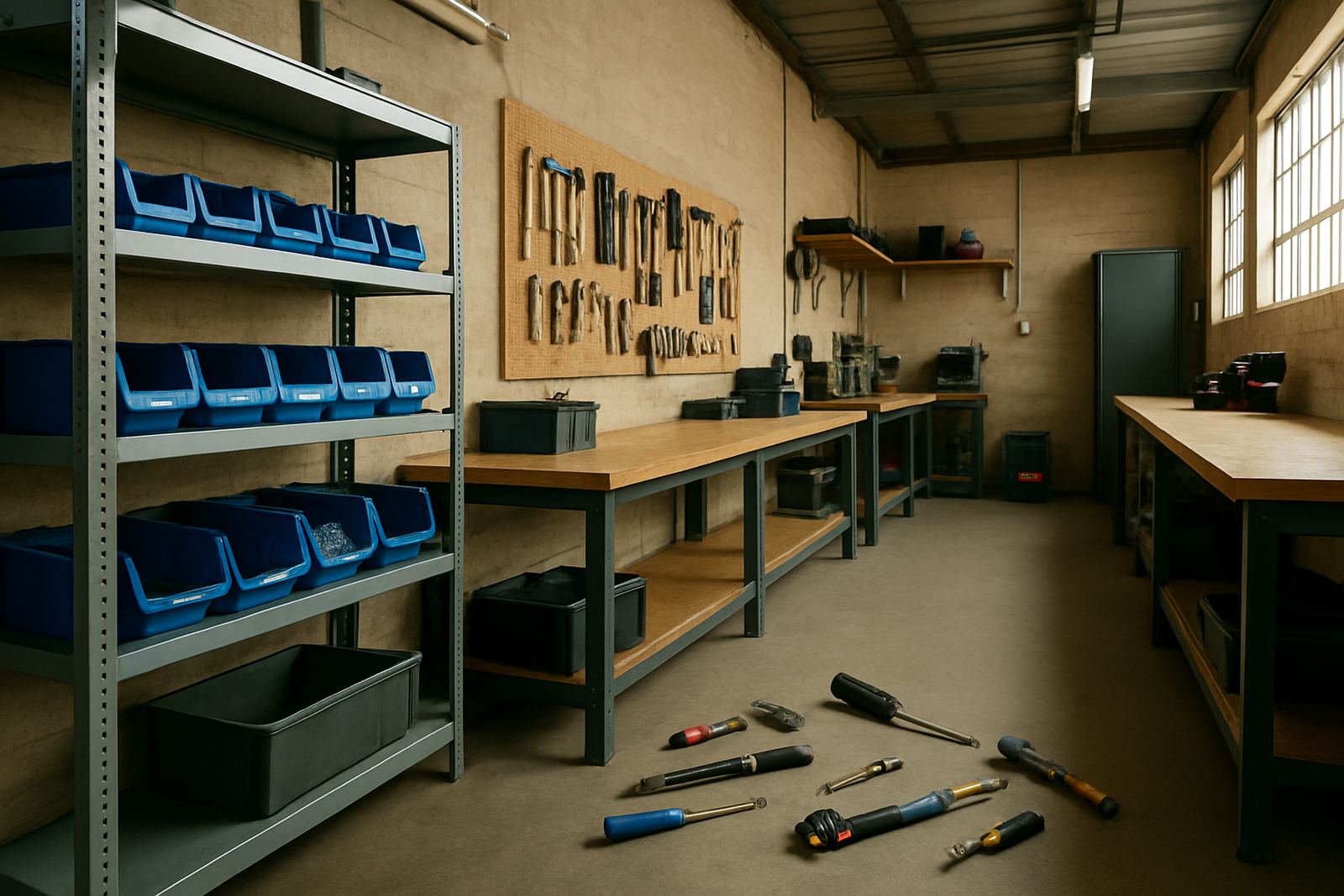
The quickest way to improve workshop order is to begin at the main bench. Clear everything off, sort it into keep, repair, replace and relocate, then put only active tools back within reach. If the bench is carrying old packaging, bent drill bits and half-used boxes of fasteners, it has become storage instead of a working surface.
From there, move outwards in zones. Keep cutting tools near the cutting station, measuring equipment near the setup area, and consumables near the point of use. This cuts walking time and keeps the floor open for trolleys, material movement and quick cleaning at the end of the day.
- Use shallow trays for screws, plugs, tips and blades
- Hang frequently used hand tools on marked panels or rails
- Keep heavy items below waist height to reduce strain
- Leave a clear path from the entrance to the main work areas
A common mistake is to tidy only what can be seen. Cupboards, drawers and shelves need the same discipline. If the storage system is messy, the bench will be messy again by lunchtime, and then everyone starts borrowing from the same pile. That is where small jobs turn into long delays.
Set storage rules that fit South African workshops
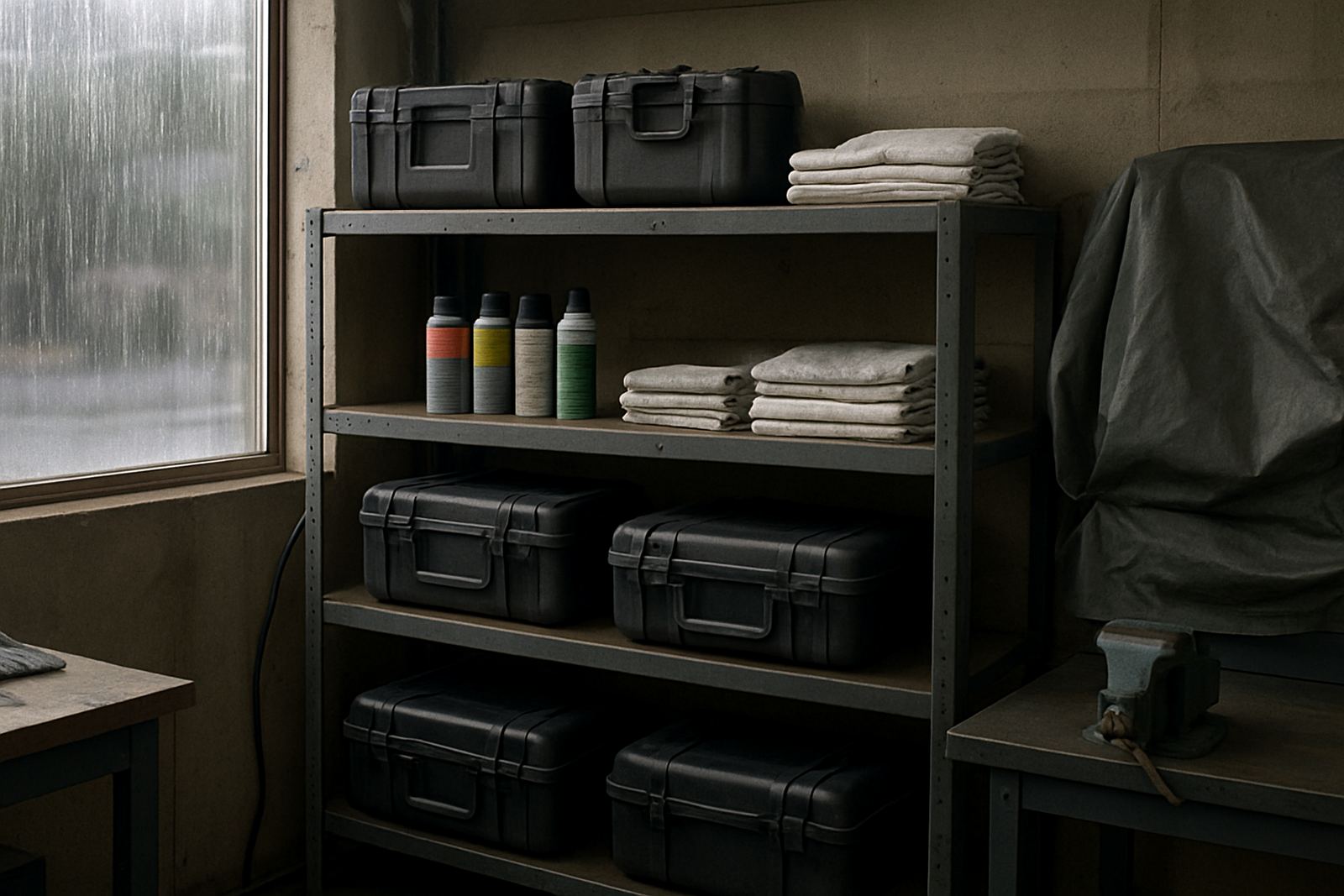
Storage should match the way your team actually works, not a perfect catalogue picture. In Durban and the coastal belt, moisture and salt air can affect metal tools, fixings and machine accessories if they are left open to humidity for long periods. A closed cabinet, labelled bin or sealed case protects stock better than a loose shelf, especially during summer.
For workshops near the coast or in industrial areas with dust and vibration, simple rules go a long way. Label drawers clearly, keep similar items together and rotate stock so older consumables are used first. If municipal inspections or landlord rules apply to your premises, tidy storage also helps you show that fire exits and access points are not blocked.
- Group items by task, not by size alone
- Store chemicals and aerosols separately from heat sources
- Keep first aid, cleaning cloths and spill kits easy to reach
- Check that shelves and racking are fixed properly and not overloaded
For mixed teams, a short colour system can help. For example, one shelf for cutting and drilling, one for fastening, one for cleaning, one for electrical consumables. It sounds simple because it is simple, and simple systems are easier to keep when the workshop is under pressure.
Clear walkways prevent avoidable stoppages
Walkways are part of the workshop floor, not spare space for boxes. When delivery cartons, scrap metal and loose cords spill into traffic areas, people slow down and the chance of bumps or falls rises. It only takes one hurried trip past a grinder or vice to cause a real problem.
Keep the main routes wide enough for movement with a part in one hand or a trolley in use. In smaller spaces, mark the edges of work zones with floor tape or paint so everybody knows where material can wait and where it cannot. If your team works with extension reels or portable equipment, make sure leads are lifted or routed so they do not cross open walkways.
- Remove packaging and offcuts as soon as a job is complete
- Keep fire exits and access doors fully open at all times
- Do a quick floor check before tea break and before closing
- Place bins where waste is created, not only near the door
This kind of control matters in shared spaces too. In a workshop with more than one trade, one person’s temporary pile can block another person’s whole job. A clear floor supports better flow and fewer arguments, which is good for production and good for morale.
Match replacement tools before a problem becomes downtime
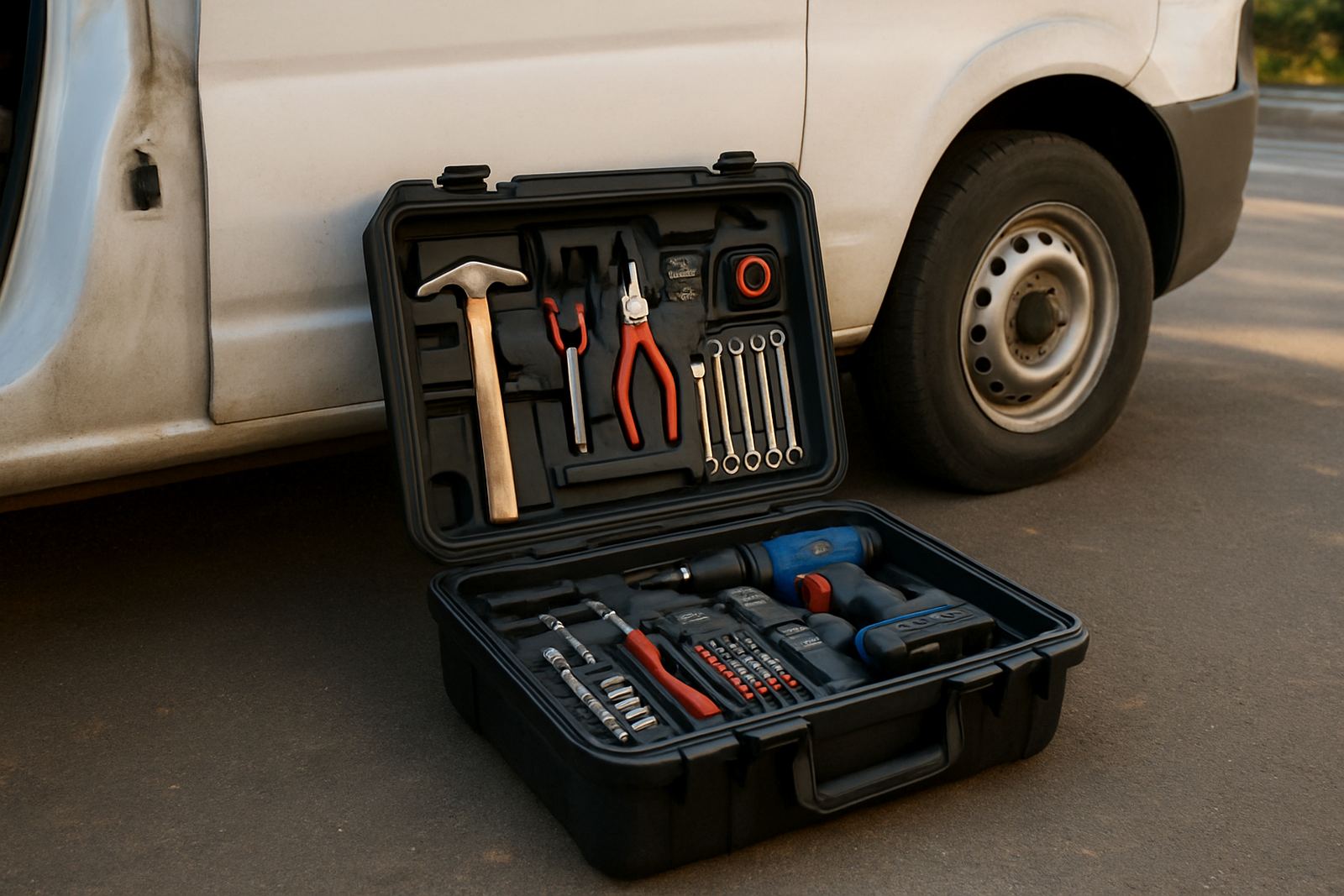
Tidy workshops are easier to maintain when replacement planning is part of the routine. If a driver bit is worn out, a measuring tape has split, or a power-tool accessory is no longer straight, mark it for replacement instead of leaving it in circulation. Waiting until it fails usually means a stopped job and a rushed purchase.
Tool replacement matching helps you choose items that fit the work you actually do. A starter workshop may need general hand tools and basic accessories first, while a fabrication bay might need cutting and clamping items in higher quantities. The right match saves money because you are not buying duplicates that never get used, or cheap items that fail too quickly.
- Keep a simple replacement list by category
- Record which items disappear, wear out or get shared too often
- Bundle starter kits around real tasks, not just product counts
- Review consumable levels before month end and after busy projects
For Pinetown and New Germany workshops, this can be as practical as checking what ran short during the last week of the month. If drill bits, gloves or cutting discs are always the first to go, that tells you where the stock system needs attention. A tidy stock room should make those patterns easy to see.
Train the team so order becomes a habit
Clean benches stay clean when the team understands the reason behind them. A short induction for new staff, apprentices or casual helpers can cover where tools belong, how waste is handled and which items need to be returned after each job. Without that guidance, everybody tidies in a different way and the system falls apart by Friday.
Good training does not need to be formal or long. A fifteen minute walk-through at the start of a shift can cover the basics. Explain the storage labels, show the cleaning point and agree on who checks the floor before closing. Once people know what the standard is, they are more likely to keep it. It saves time later, even if it feels like one more task at first.
- Show new staff the storage system on day one
- Assign one person to do a closing floor and bench check
- Keep a short list of non-negotiables near the main work area
- Refresh the system after busy seasonal periods or staff changes
In busy Durban operations, especially where couriers collect and deliver daily, a tidy workshop also helps handovers run properly. The correct kit is easier to pick, count and pack when every item has a home.
A simple weekly reset keeps standards from slipping
The best tidying system is the one that can survive a normal week. Set aside a short reset at the end of Friday or the last shift of the week. Put tools back, empty scrap bins, wipe benches and check that commonly used items are still in their marked places. If something is always out of place, adjust the system instead of blaming the staff.
A local example makes this easy to picture. A small Pinetown service workshop with three technicians may start Monday neat and end Thursday buried under boxes, parts trays and shared tools. Once the team introduces a ten minute close-down each afternoon, the floor stays safer, the next morning starts faster and stock losses drop because fewer items get left in odd places. It is not fancy, just disciplined.
Order is not about making the workshop look perfect for visitors. It is about helping people do proper work with fewer interruptions. Clean benches and clear walkways are practical habits, and in a South African trade environment they make a real difference to safety, accuracy and daily productivity.