Start With The Jobs You Actually Do
The quickest way to overpack a mobile kit is to build it for an imagined emergency instead of the calls you get every week. If you service gates, wiring faults, fittings, pumps or general maintenance in and around Durban and Pinetown, your kit should reflect the fast-moving jobs that come in before 8am and after load-shedding changes the day again.
Begin with the top 10 tasks you repeat most often. Then match each task to the smallest practical set of hand tools, bits, consumables and testers. A lean kit saves time in the van, reduces breakages, and makes replenishment simpler when something goes missing or wears out.
- List your most common callouts by type, not by guesswork
- Keep one kit for daily jobs and another for heavier workshop work
- Choose tools that fit the work, the space and the operator’s hand size
- Replace duplicates with items that are actually used
What Every Field Kit Should Carry
For most mobile technicians, the essentials are a measured mix of driving, cutting, gripping, measuring and fixing tools. You do not need four versions of the same screwdriver if one handle set and the right inserts will cover 80 percent of your work. The point is not to carry less for the sake of it, but to carry what can handle most callouts without a second trip.
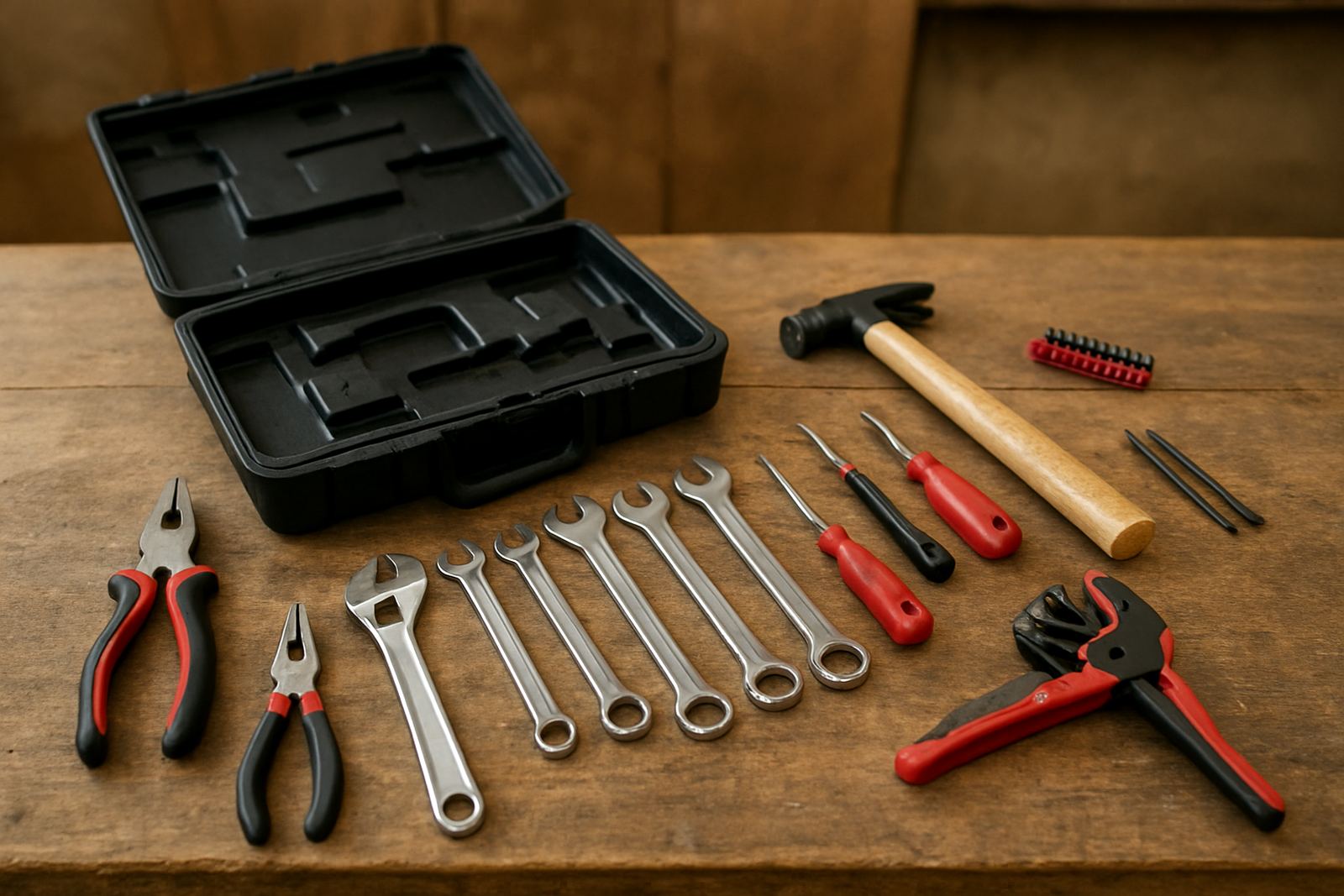
Good mobile toolbox essentials usually include a compact set of screwdrivers or bit drivers, pliers, side cutters, adjustable spanners, a tape measure, a test light or compact meter, utility blades, hex keys, a small torch and a few fasteners. Add consumables like insulation tape, cable ties, spare screws, nuts, washers and thread seal material. In humid coastal areas like Durban North and Umhlanga, keep metal items wiped down and stored dry so rust does not creep in quietly.
- Driver set with common head sizes, kept together in one pouch
- Pliers, cutters and one good adjustable spanner
- Measuring tape, marker and compact torch
- Fasteners, tape, cable ties and other consumables in labelled pouches
- Battery-powered tester or meter with fresh cells checked regularly
Keep The Kit Light Enough For Real Workdays
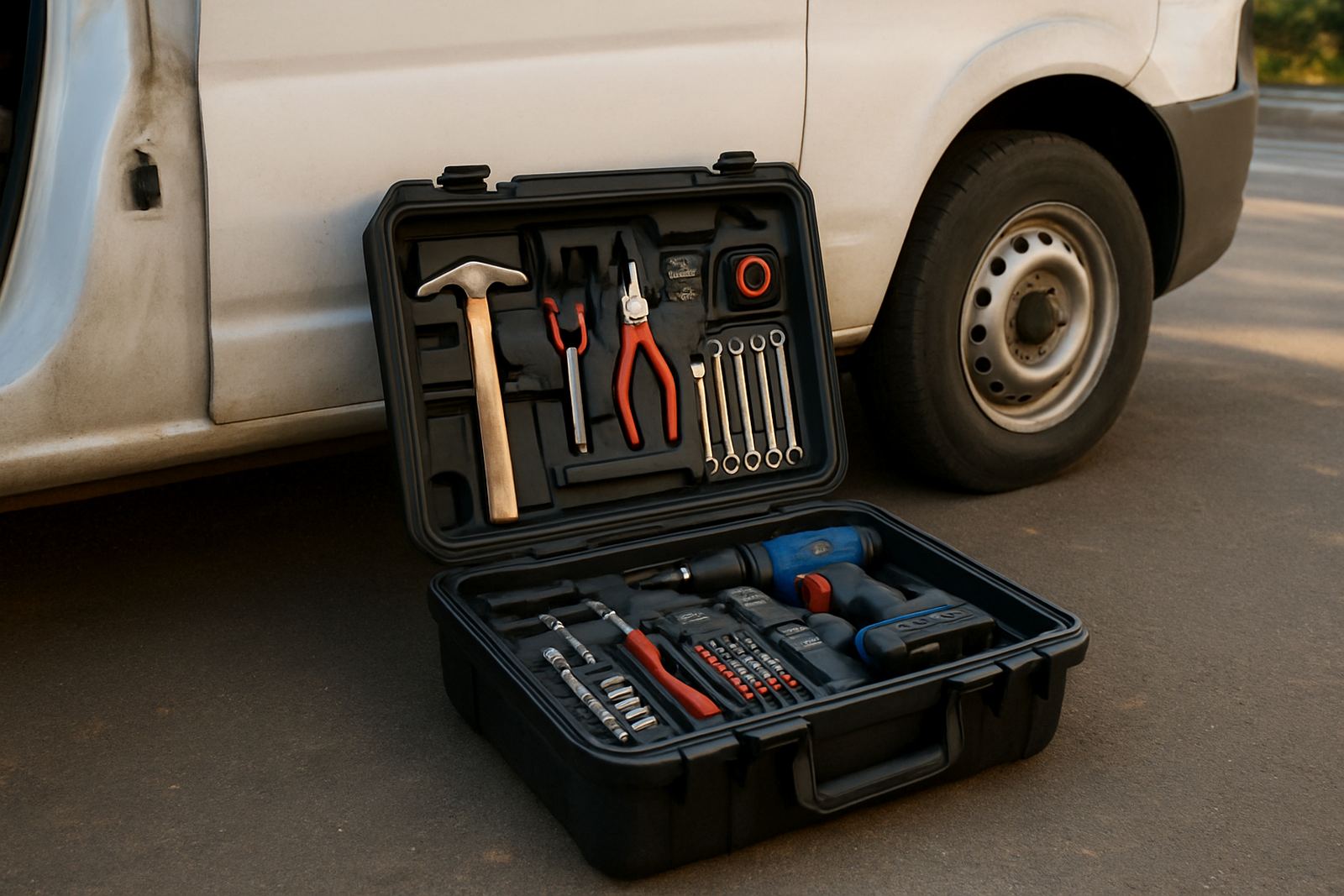
A mobile toolbox should move easily from the bakkie to a flat, stairwell, rooftop or plant room without becoming a burden. If a case is too heavy to carry comfortably, it starts slowing the job before the tools are even opened. That is why many field teams split their kit into a core box and a task-specific tray or pouch. The core box stays lean, while add-ons go in only when needed.
Weight matters even more when technicians are on foot in tight spaces or working through multi-stop days in Hillcrest, Pinetown or Westmead. A lighter kit also reduces the chance of leaving equipment behind at a site. Keep the layout consistent, so the same item is always in the same place and the van can be restocked quickly at the end of the day, not searched through after dark.
Use clear compartments and avoid loose clutter. If every item has a spot, it becomes obvious what is missing after a job. That makes stock control easier for the office too, especially if several field staff share the same replenishment process.
Build Replenishment Into The Kit From Day One
A field kit is only useful if it can be topped up quickly. Many teams lose time because consumables are bought as one-offs from different suppliers, then nobody knows what size or quantity to reorder. Standardising your mobile toolbox makes replenishment faster and far less frustrating. It also helps when you are sending out multiple technicians and need the same basic stock across all vehicles.
Use labelled compartments, small bags or stackable boxes for repeat items. Record sizes, thread types, bit profiles and cable specifications in a simple stock list. Then restock from that list after each week or after every second callout, depending on how busy the team is. If you work near the coast, keep spare blades, drill bits and fixings sealed from moisture so they dont corrode before they are used.
- Label all consumables by size and use
- Keep one master list for the whole field kit range
- Reorder on a set day each week
- Track high-use items separately from occasional items
- Check for damaged packaging, blunt edges and worn grips during restock
Match The Kit To The Site, Not Just The Vehicle
Not every callout needs the same pack-out. A residential repair in Durban North is very different from a maintenance visit at a light-industrial site in New Germany or Westmead. If you are entering controlled premises, keeping a tidy, purposeful kit also helps with site rules and time on the ground. Most clients want technicians to arrive prepared, work cleanly and clear the area without leaving waste behind.
A practical approach is to create a standard mobile base kit, then add modules for electrical work, mechanical fixing, drilling, sealing or inspection. That way the essentials stay constant, while the extras are added only when booked. It reduces the chance of overloading the vehicle and means each technician knows what should already be in the box before the first job of the day.
For example, a Pinetown-based maintenance team handling roller doors, gate motors and small hardware repairs can run one core kit with common drivers, fasteners and measuring tools, then keep a separate pouch for electrical checks and another for drilling and anchors. That setup cuts repeat visits and keeps the day moving when traffic or weather eats into your schedule.
Training Makes A Small Kit Work Harder
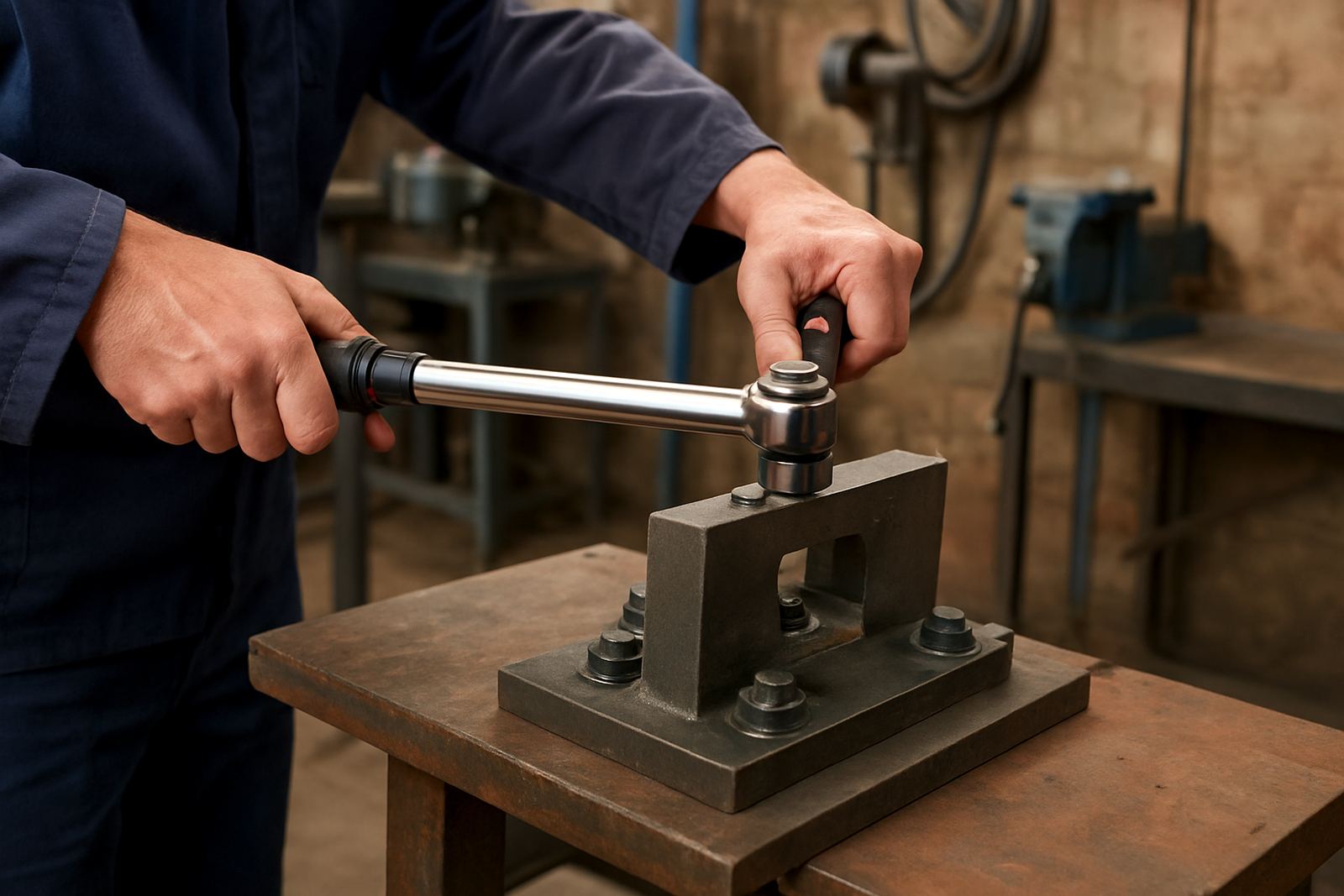
Good tools matter, but the way they are used matters just as much. A short induction on correct handling, torque control, bit selection and basic care can make a compact kit last longer and perform better. That is useful for apprentices, new field staff and even experienced people moving into a different trade area. When everyone knows how to use the same kit properly, breakage drops and service speed improves.
Training also helps with safety and consistency. A technician who understands how to check a tool before use, clean it after a dusty job, and store it properly in the vehicle is less likely to return with missing parts or damaged stock. In a busy operation, that small difference saves money every month.
Keep tool care simple: wipe down after use, return items to their slots, replace worn blades quickly, and inspect chargers or batteries before the next shift. A mobile toolbox should be treated like working stock, not a throw-in box at the end of the week.
A Durban Field Example That Keeps The Day Moving
Consider a service team based in Pinetown covering callouts across Durban, Umhlanga and Hillcrest. Their day starts with a gate motor fault in Westmead, then a loose fitting at a small commercial site in Durban North, followed by a quick maintenance check near New Germany. If the van carries a heavy all-purpose box, the technician wastes time moving through tools that are never used. If the kit is streamlined, the same technician can complete more callouts, restock faster and get home without a pile of unused gear to sort out.
That is the real value of mobile toolbox essentials. Keep the kit lean, useful and simple to replenish, and it becomes easier to stay ready for the next job. In practical terms, that means fewer delays, fewer repeat trips and a cleaner stock list at the end of the month.