

Home / Toolbox Talk / Torque Control Matters

Toolbox Talk

Torque Control Matters

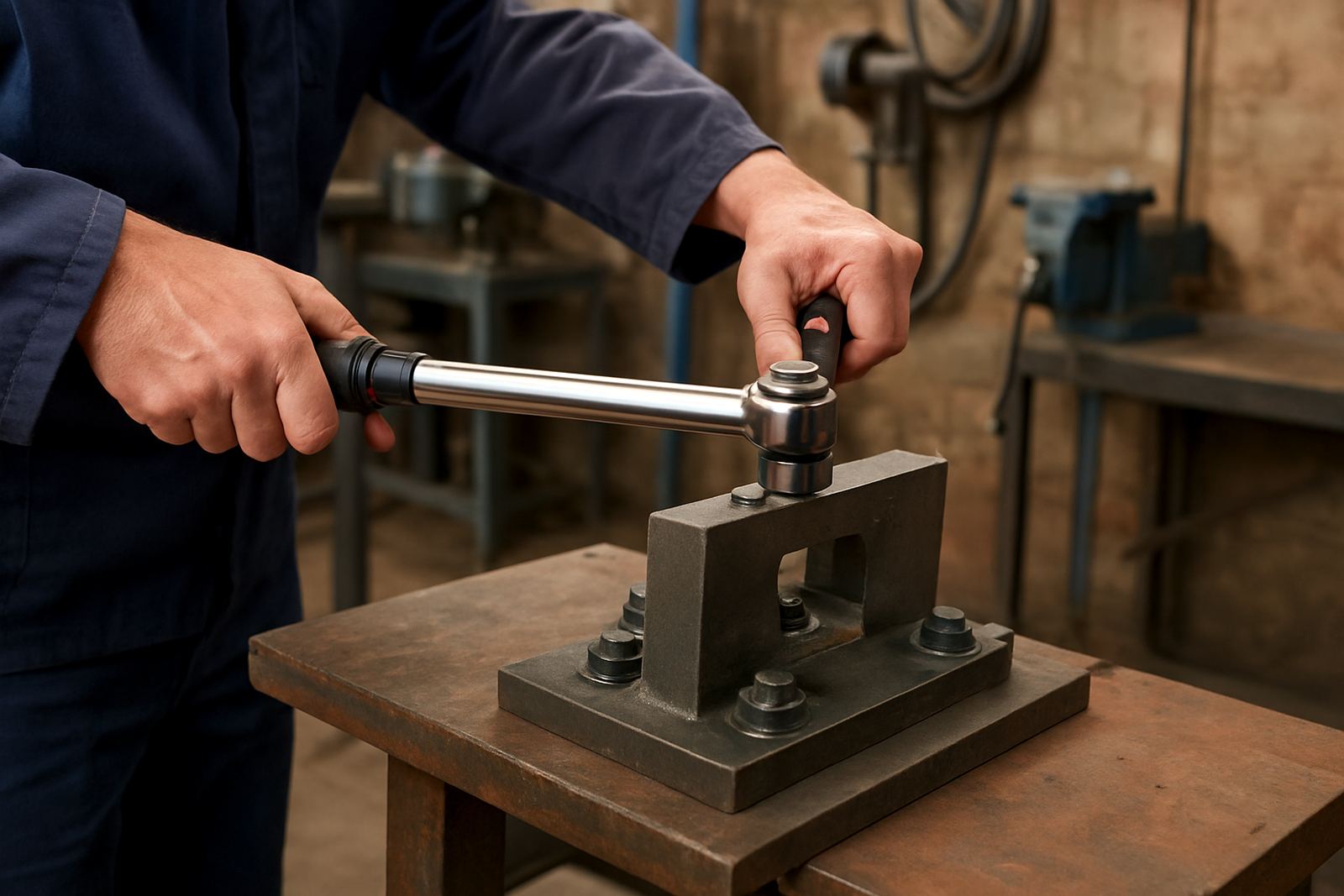
Getting the tightening right is not a small detail, it is part of the job. In workshop work, correct torque protects components, keeps assemblies consistent and cuts down on returns.

Torque Control Matters

Why Tightening by Feel Costs More Than It Saves

Many fitters, installers and DIY users still tighten by feel because it is quick. That works until a bracket cracks, a fastener backs off, or two identical assemblies behave differently because each person pulled the spanner a little harder. Correct torque gives the same result every time, which matters when parts must carry load, stay aligned, or fit together without distortion.

Overtightening can stretch bolts, crush washers and damage threads. Undertightening leaves joints loose, noisy and unsafe. In a workshop, both problems create extra work, wasted consumables and repeat visits that no one wants.

  • Use torque where clamp force matters, not just where it feels neat.
  • Check the fixing size and material before choosing a setting.
  • Recheck critical joints after the first run-in period.

Where Torque Control Shows Up in Everyday Trade Work

Torque control is not only for engine bays. It comes up in shelving, machine guards, trailer fittings, electrical enclosures, pump installations and light fabrication. Even simple work can go wrong if fasteners are uneven. A steel frame can twist slightly, a hinge can bind, or a housing can warp if one corner is pulled down harder than the others.

In Durban and Pinetown workshops, humidity and coastal air add another layer. Fasteners can seize, surfaces can corrode and tired threads lose consistency faster than expected. That makes proper tightening even more important because a badly torqued joint is harder to correct later, especially if it has already started rusting.

  • Use the right socket or bit so the head is not rounded.
  • Keep threads clean and lightly lubricated where the application allows.
  • Replace damaged fasteners instead of forcing another use out of them.

How to Set Up a Simple Torque Routine

You do not need a complicated process to improve results. Start by identifying the joints that matter most on the job card. Then decide whether the work needs a torque wrench, a torque screwdriver, or a clear tightening sequence with a standard hand tool. For many small assembly jobs, the difference comes down to using the same method every time.

A good routine is easy to teach to new staff as well. That helps when a team is rotating between jobs or when one person is off sick. It also reduces arguments on the floor because the result is based on a repeatable method, not personal judgement. That matters when you are working under load-shedding pressures and trying to finish jobs in short windows.

  • Mark critical fasteners on a checklist before the job starts.
  • Tighten in stages on patterns such as cross or star sequences.
  • Record the final setting for repeat work and future servicing.

Tools and Accessories That Help You Hold the Setting

Torque control works best when the rest of the kit supports it. Worn sockets slip, poor quality bits chew out heads and cheap extensions can give false readings. A workshop that keeps the right hand tools and power-tool accessories in good condition will get more reliable results from every tightening job.

Starter kits can be a practical way to set up a new bay or improve an existing one. A kit should cover the common fixings, the correct drive sizes, marking tools, bits, sockets and basic measuring items. If you are replacing mixed items one by one, it is easy to miss a part and end up with a half-finished setup. Better to standardise the stock list and buy to a plan.

  • Match the drive size to the fixing and the available access.
  • Keep torque tools separate from general rough-use kit.
  • Store accessories clean and dry to limit corrosion and wear.

A Pinetown Example: One Loose Joint Can Stop a Small Line

A local workshop in the Pinetown New Germany area had a small assembly line that kept shifting out of alignment. The team thought the frame was the problem, but the real issue was uneven tightening on a set of mounting bolts. Two operators were doing the job differently, and one side of the frame was always pulled down harder. After the joints were standardised and the fasteners were rechecked after first use, the line held position and the adjustments dropped away.

That is the real value of torque control. It is not about being fussy. It is about saving time, protecting equipment and keeping the job consistent from Monday to Friday. On sites with changing shifts, or where seasonal pressure means rushed turnarounds, a clear tightening method helps keep the work stable.

  • Use one tightening method across the team.
  • Keep a simple sign-off record for critical assemblies.
  • Replace poor fitting accessories before they damage the fixing.

When to Replace, Recheck or Call for Support

If a fixing has been overtightened, rounded, stripped or repeatedly loosened, it is usually telling you something about the assembly. Do not keep tightening the same problem and hoping it settles. Check the thread condition, the mating surface and whether the original fastener is still suitable for the job. In some cases, the right answer is a replacement fixing or a better matched accessory rather than another turn on the tool.

For workshops setting up from scratch, or for teams trying to tidy mixed stock, it helps to plan the fastening work properly. That can include starter kit bundling, workshop setup advice, stock list standardising and on-site tool inductions so everyone works the same way. A clear process means fewer damaged parts, fewer call-backs and less wasted time, which is what every trade job needs.

Questions we get asked

Why is torque control important on smaller jobs too?

Small jobs can still fail if fasteners are too tight or too loose. Correct torque helps prevent stripped threads, warped parts and loose assemblies.

Do I need torque tools for every fixing?

No. Use torque tools on critical joints, repeat assembly work and fasteners where clamp force matters. General hand tightening is fine for non-critical jobs.

What causes a bolt to keep loosening?

Common causes include wrong torque, vibration, damaged threads, poor fit, corrosion and using the wrong washer or fastener size.

Planning something? Email the team.

orders@jameson.co.za