Why Grip Matters More Than Most Tradespeople Think
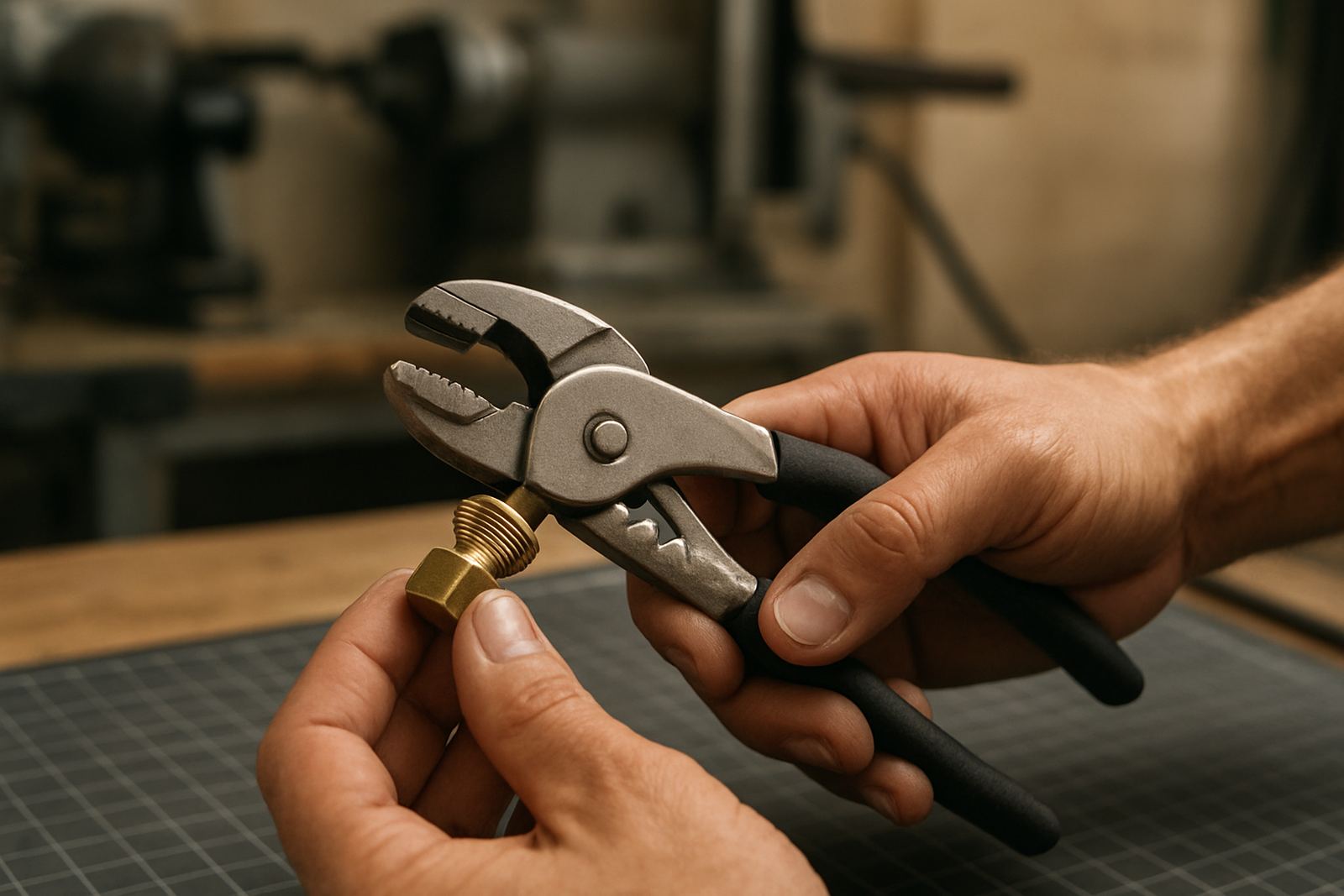
When a tool sits properly in the hand, the work feels calmer and more controlled. The thumb, fingers and palm share the load instead of forcing one part of the hand to do everything. That matters on long shifts, especially when you are fitting fasteners, trimming cable, cleaning edges or holding a part steady while another hand works.
Bad grip often shows up in small ways first. A screwdriver starts to twist out of the slot. A wrench needs more force than it should. A drill wanders at the start of a hole. Over time, that extra strain adds up to sore wrists, slow work and damaged material. It can also lead to dropped tools, which is a real risk on concrete floors, scaffold planks and metal benches.
For workshops in Durban and the surrounding areas, humidity plays a part too. Hands get sweaty, metal handles feel slick and powdery gloves can reduce feel if the size is wrong. The answer is not always more force. It is usually better contact, a cleaner hold and the right tool shape for the task.
Set Your Hand Position Before You Start the Job
Good control starts before the first cut or turn. Check where your hand is going to sit, how much pressure you need and whether the tool will move under load. If your wrist is bent sharply or your shoulder is lifted, you will tire quicker and your accuracy will drop.
A simple setup can improve results straight away:
- Keep the wrist as straight as possible for pushing, turning and drilling.
- Use a full hand grip where the handle allows it, not just the fingertips.
- Place the dominant hand where it can guide, and the support hand where it can stabilise.
- Keep elbows close enough to the body for control, but not so tight that movement becomes stiff.
- Reposition the workpiece instead of overreaching when access is poor.
It also helps to match the grip to the task. A fine trimming job needs feel and control. A heavy tightening job needs a firmer hold and better leverage. If one grip style is being used for every job, the worker will usually end up fighting the tool, and that is where mistakes begin.
Choose Handles, Gloves and Accessories That Support Control
Many grip issues come from poor tool choice rather than poor technique. A handle that is too small can dig into the palm. A handle that is too large can force the fingers open and reduce control. The best fit is usually the one that lets the hand close naturally without strain.
Gloves should help, not get in the way. In a Pinetown workshop, where staff may move between oily parts, painted surfaces and outdoor loading areas, the glove needs enough grip for handling but still enough feel for detail work. If a glove is too loose, it can bunch up and catch on moving parts. If it is too thick, you lose control when turning small fixings or reading the feel of a fastener.
Useful items that support grip and reduce slip include:
- Tools with textured or shaped handles for better purchase.
- Replacement grip sleeves for worn handles.
- Anti-slip pads for benches and assembly areas.
- Properly sized gloves for general handling and fitting work.
- Magnetic trays or organisers that keep parts within easy reach.
Even something simple like handle maintenance matters. If the grip is cracked, oily or worn smooth, replace it. Waiting until the tool slips is bad practice and usually more expensive in the end.
Reduce Fatigue on Long Shifts and Repetitive Work
Grip is not only about holding on. It is also about how long you can keep control without fatigue. Repeated squeezing weakens accuracy, so a job that starts neat can become messy after an hour. This is common in assembly work, repeated fastening, cable prep and workshop maintenance.
To reduce strain, use the lightest grip that still keeps the tool secure. Let the tool do the work where possible. A sharp bit, a clean cutting edge and the right accessory often need less force than a tired operator expects. Break longer tasks into shorter runs, especially when load-shedding changes the rhythm of the day and staff are trying to catch up after a power interruption.
Small adjustments also help at the bench. Keep parts at a height where the shoulders do not creep up. Store frequently used items within one arm's reach. Rotate staff between tasks that demand heavy grip and tasks that need fine control. It sounds basic, but it works, and the hands feel it by the end of the day.
Local Workshop Example: Faster Assembly in Westmead
A small workshop in Westmead recently reviewed its hand tool setup after a run of damaged fasteners and a few near misses on repetitive fitting work. The team was using mixed handle sizes, worn gloves and a poor stock layout. Staff could complete the jobs, but they were using more force than needed and stopping often to search for the right item.
After standardising the most-used tools, matching glove sizes properly and moving key consumables closer to the fitting area, the team reported better control and less hand fatigue. The changes were not dramatic on paper, yet the difference was clear on the floor. Parts were held more steadily, small fittings were less likely to cross-thread, and there was less waste from damaged components.
That kind of practical improvement is common in Durban workshops, especially where teams handle a mix of repair, assembly and service work. It is often not one big fix but a series of small corrections that make grip more dependable.
Practical Checks Before You Buy or Replace Tools
If grip is a problem, do not start by buying more tools at random. First check what the team actually does each week. A starter kit for light maintenance will not suit a workshop doing heavy fitting and fabrication. Likewise, a heavy-duty handle may be wrong for fine electrical or assembly work.
Before replacing or adding tools, ask these questions:
- Does the handle size suit the main users on site?
- Is the surface still giving enough hold when hands are dusty or slightly oily?
- Are the tools matched to the kind of work being done most often?
- Do staff need a simpler stock list so the right item is always at hand?
- Would training on grip and tool handling improve speed and accuracy?
Training matters because good habits stick. A short induction on hand position, correct pressure and tool care can cut repeated errors. It also helps new staff settle in faster, which is useful when a workshop is scaling up or replacing worn stock after a busy season.