Why socket set size matters on real jobs
Not every socket set does the same work. The most common drive sizes are 1/4 inch, 3/8 inch and 1/2 inch, and each one suits a different level of torque and access. Smaller drives are better for lighter fasteners and tighter spaces, while larger drives handle wheel nuts, suspension work and heavier equipment.
In a Pinetown workshop, for example, a technician repairing electrical panels may use a 1/4 inch set for small fixings, while a fitter working on a trailer or bakkie will reach for 1/2 inch sockets. Choosing the right drive size means less slipping and less strain on your hands when a nut is tight from corrosion or overtightening.
- 1/4 inch: small fasteners, trim work, light maintenance
- 3/8 inch: general workshop use, mixed repair jobs
- 1/2 inch: automotive, plant maintenance and heavier tightening
Socket types: standard, deep and specialist profiles
Sockets are not all the same length or profile. Standard sockets are the everyday choice for most jobs, while deep sockets help when a nut sits on a long bolt or a threaded section sticks out. If you work on machinery, plumbing brackets or vehicle components, deep sockets often save time because you dont need to remove extra parts just to get proper engagement.
Profile matters too. A 6 point socket grips the fastener on the flats and is usually the safer option for seized or rounded nuts. A 12 point socket can be quicker to align in awkward spaces, but it can slip more easily on worn heads. For trade use in humid coastal areas like Durban North or Umhlanga, where fasteners can pick up rust faster, 6 point sockets are often the better call.
- Standard sockets: general purpose and compact
- Deep sockets: longer reach over protruding studs
- 6 point: stronger grip on stubborn fasteners
- 12 point: faster alignment in tighter positions
Ratchet handles and extension pieces that actually help
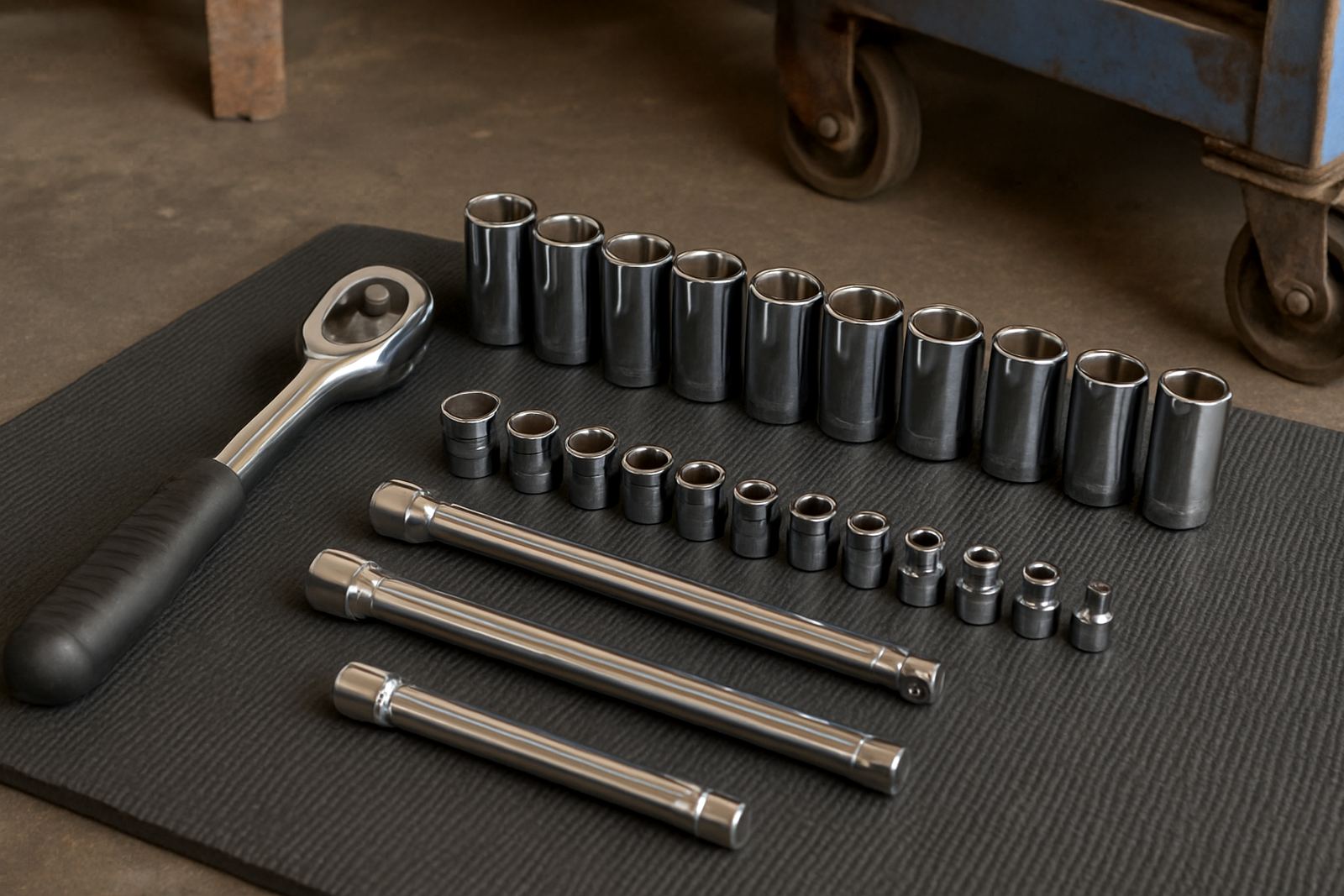
The ratchet is the heart of the set, but the handle and accessories decide how useful it is on the floor. A fine tooth ratchet helps when space is limited because it needs less swing to turn the fastener. That is useful under dashboards, inside machinery guards or around awkward pipe runs. A larger handle gives more leverage, which is handy when a nut has been sitting in the weather.
Extensions are worth buying with the set, not later. Short extensions help with tight access, while longer ones can reach recessed fasteners without forcing your hand into a bad position. Universal joints, also called wobble joints, are useful when the socket has to work at an angle, but they should not replace proper access where possible.
- Fine tooth ratchet for limited swing space
- Long extension for recessed fasteners
- Short extension for control and feel
- Universal joint for angled access only when needed
Metric sizing, markings and avoiding the wrong fit
Most South African trade workshops work mainly in metric sizes, so look for clear markings and an organised case. The right socket should sit snugly on the fastener with no rocking. If you have to force it, you may be on the wrong size and that is how corners get rounded. A quick size check before turning saves far more time than a stripped nut later.
Keep in mind that worn fasteners do not always tell the truth. A bolt head that should be 13 mm may behave like it is between sizes if it has been rusted or damaged. In that case, the best move is to clean the head first, then choose the closest proper fit rather than reaching for a loose one. It sounds basic, but many workshop delays come from skipping this step.
- Read the size markings before you start
- Match the socket firmly to the fastener
- Clean rust and dirt off the head first
- Do not use the next size up just to make it fit
Useful accessories for daily workshop work
A starter set is useful, but a few extras make it more practical. A spark plug socket is needed for engine work, while bit sockets help with Torx, hex and security fasteners found on modern equipment. If your workshop handles vehicles, agricultural repairs or light plant maintenance, you will likely use these more often than you expect.
Extension bars, adapters and a breaker bar also deserve a place in the kit. Adapters can let you use one drive size with another, but they should be used carefully because too much leverage can damage the ratchet or the socket. A breaker bar is the better choice for stubborn fasteners that wont shift with a standard ratchet. That saves the ratchet from taking abuse it was not made for.
- Spark plug sockets for engine service
- Bit sockets for Torx, hex and security heads
- Adapters for occasional size changes
- Breaker bar for high-torque loosening
How to choose a socket set for a Durban workshop
For a workshop in Durban, Pinetown or Westmead, the best set is the one that matches the kind of work you do most days. If you handle mixed repairs, a 3/8 inch set with good extensions may cover most jobs. If your team works on vehicles, heavy fittings or outdoor equipment, add a solid 1/2 inch set. For smaller assembly work, keep a 1/4 inch set close at hand for control and access.
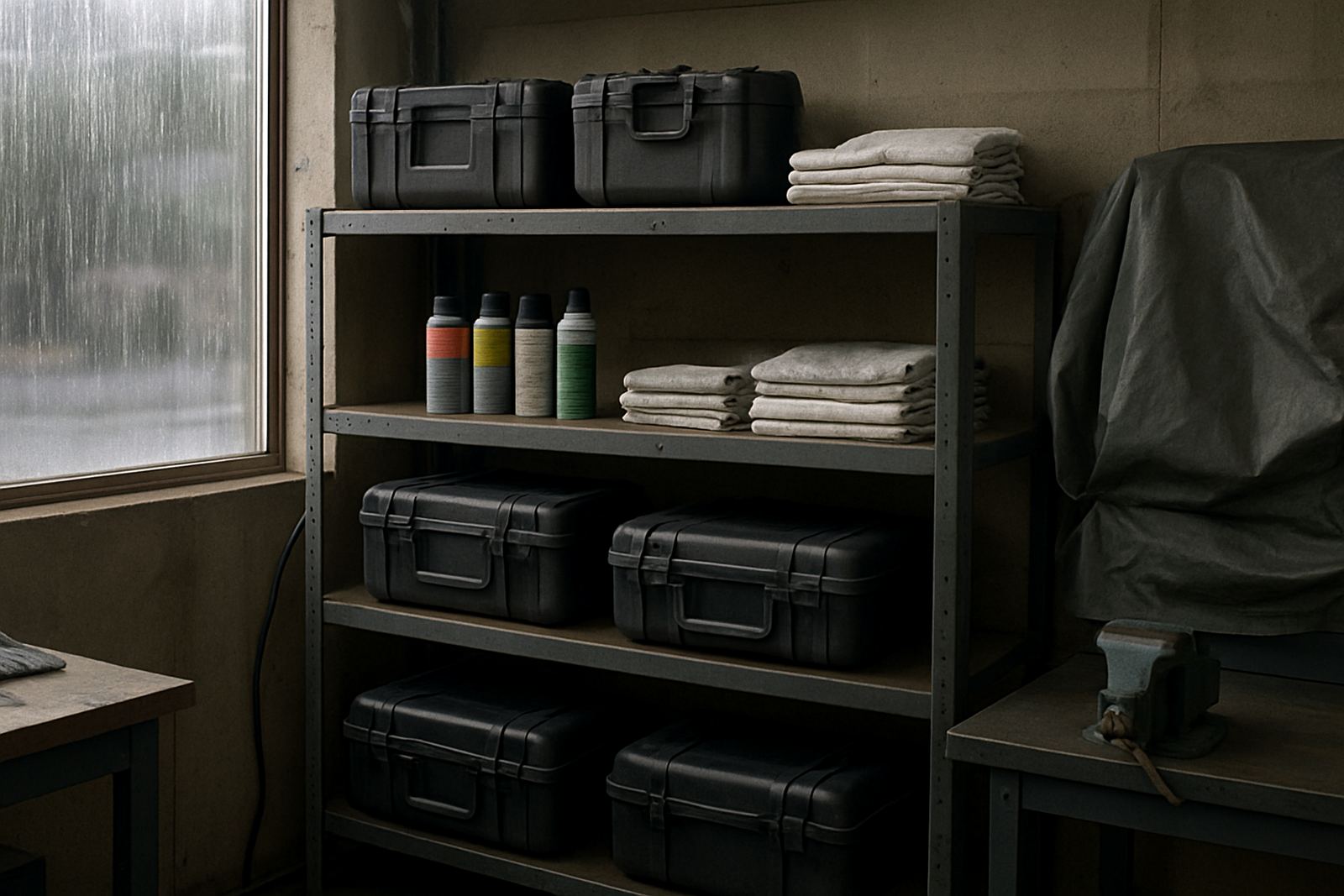
Humidity near the coast means storage matters too. Choose a case that keeps sockets in order and dry, and wipe tools before packing them away at the end of the shift. During load-shedding, a well organised hand tool kit still keeps a job moving when powered equipment is delayed. That is often the difference between finishing on time and losing half a day.
- Mixed workshop use: 3/8 inch set first
- Vehicle and heavy repair: add 1/2 inch
- Fine assembly and light service: keep 1/4 inch on hand
- Store dry to limit rust in coastal conditions
A practical starter kit for new teams
If you are setting up a new workshop in New Germany or standardising stock for a service team, start with the basics that get used every week. A sensible kit includes the three common drive sizes, a range of metric sockets, a small set of extensions, and a few bit sockets for modern fixings. That gives new staff enough reach and flexibility without paying for tools that sit unused.
Training matters just as much as the hardware. A technician who knows when to use a deep socket, when to stop and clean a fastener, and when to switch to a breaker bar will work faster and damage fewer parts. That is good for stock control, customer turnaround and the workshop budget.
- 1/4 inch, 3/8 inch and 1/2 inch drives
- Common metric socket ranges
- Short and long extensions
- Bit sockets and a breaker bar