Start with a winter stock take before the first cold front
Before the weather turns properly wet, walk through the workshop and check what is already in use, what is running low and what is likely to fail first. In winter, small problems become bigger ones because moisture sits on metal, packaging softens and batteries lose a bit of performance in the mornings. A quick stock take also helps you spot duplicates, missing spanners, blunt drill bits and damaged cases before they slow a job down.
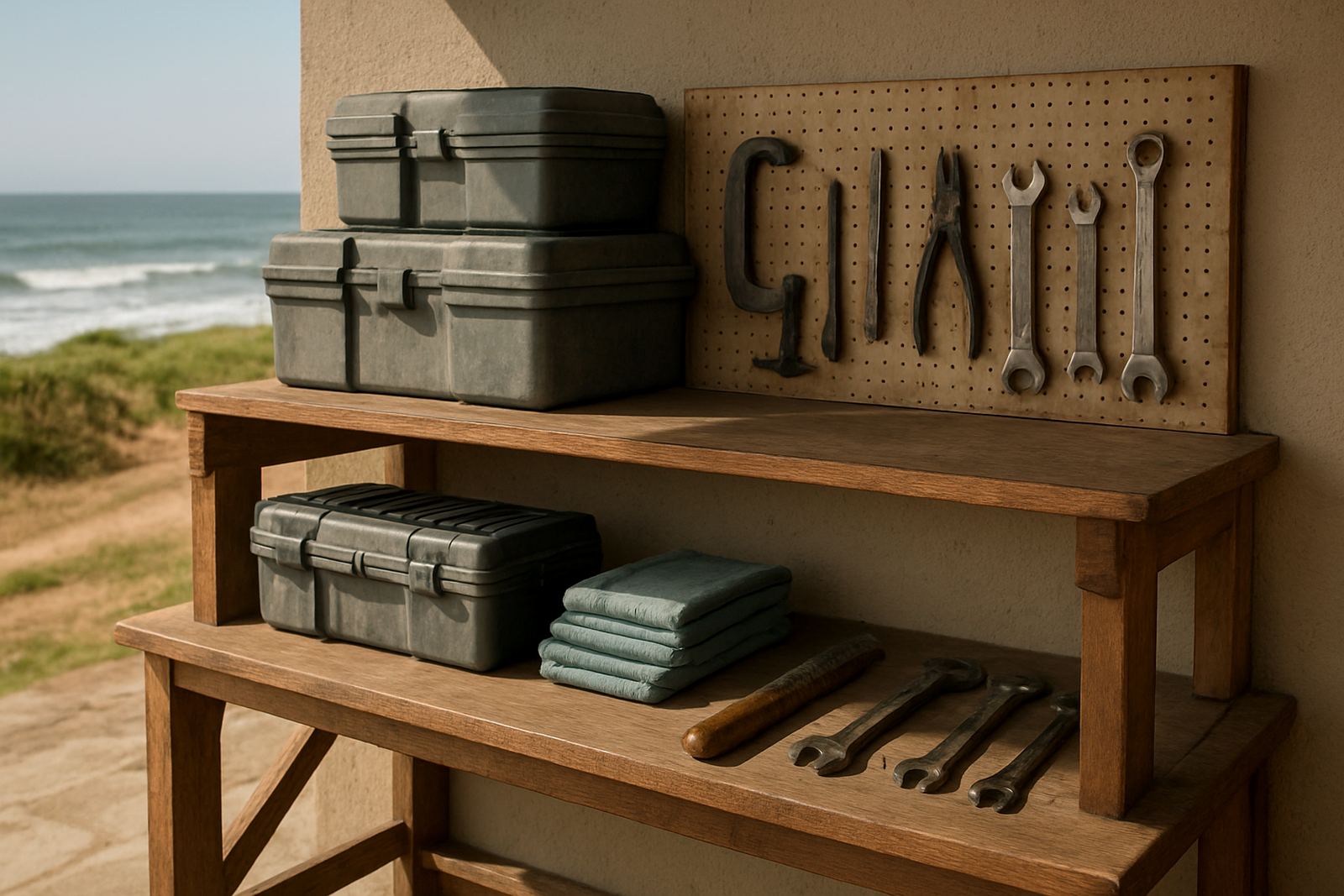
For teams in Pinetown, New Germany and Westmead, this is the time to sort the shelves by use, not by habit. Keep the items used every day within easy reach and move slower-moving stock into labelled containers higher off the floor. If your team works out in Hillcrest or Durban North, where garages and small sites can stay cooler overnight, check what tools are being left in vehicles or open trailers too. That is where rust and damp creep in fastest.
- Count hand tools, sockets, cutters and measuring gear
- Check what needs replacement, sharpening or recalibration
- Separate wet-weather jobs from general stock
- Make a note of missing items before the month-end rush
Protect metal tools from damp air and coastal corrosion
In Durban and the surrounding areas, winter does not always mean dry air. Coastal humidity hangs around, and that means open steel surfaces, cutters and fasteners can pick up rust even when the workshop looks clean. Wipe down tools after use, dry them fully and apply a light protective oil where needed. If tools are stored in plastic boxes, check for trapped condensation inside the lids. A box that looks sealed can still collect moisture overnight.
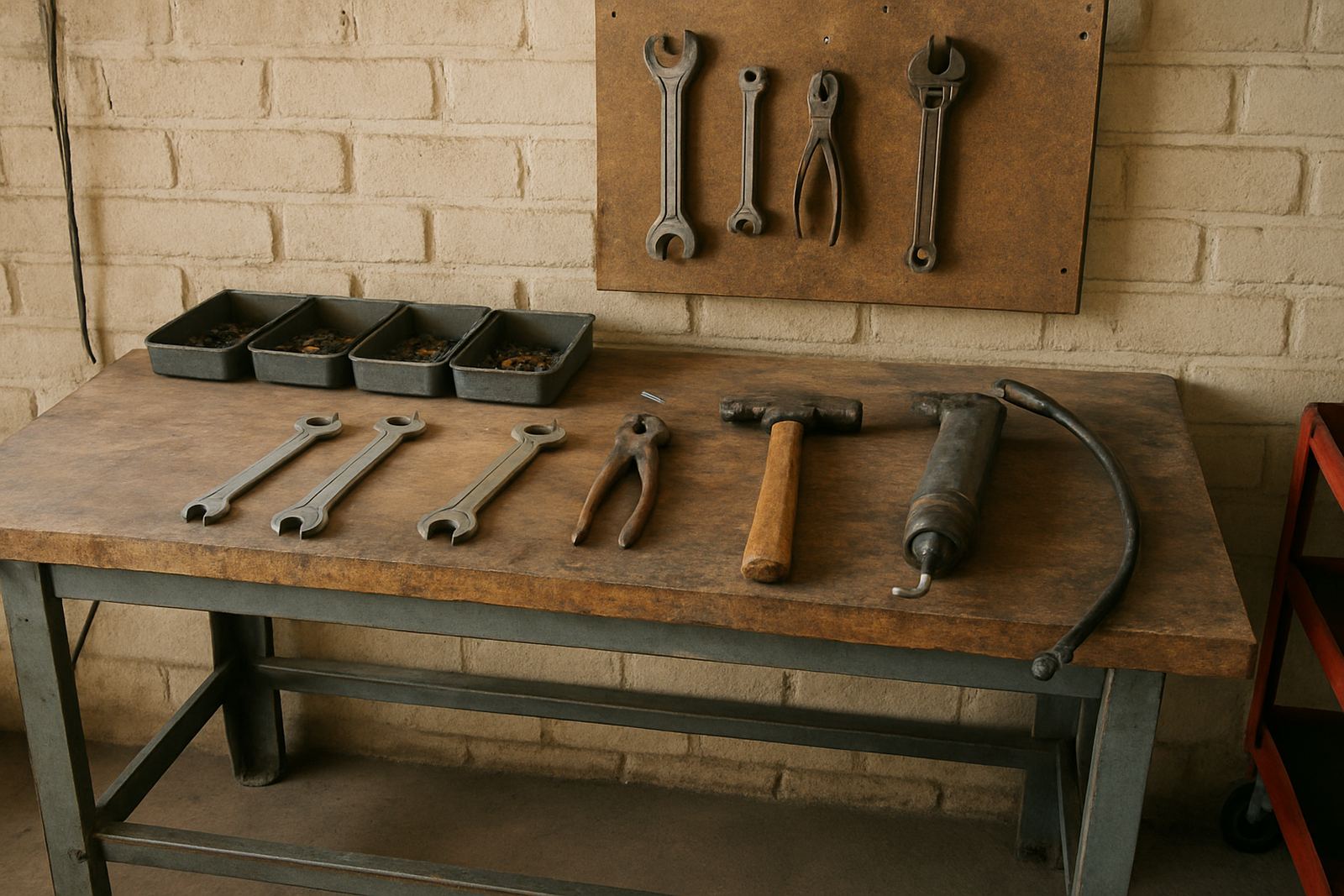
Keep absorbent cloths or paper towels near the bench so tools can be cleaned before being packed away. For sockets, pliers and wrenches, a simple routine of cleaning and drying at the end of the shift saves money later. It also saves time on site when a customer is waiting and the correct tool has seized from rust. In our climate, that is a small thing that becomes a daily headache.
- Store tools off concrete floors and away from open doors
- Use closed cabinets or lockable boxes where possible
- Keep silica gel or moisture absorbers in storage containers
- Inspect tool bags and cases for wet linings after rain
Review power-tool accessories before wetter jobs start
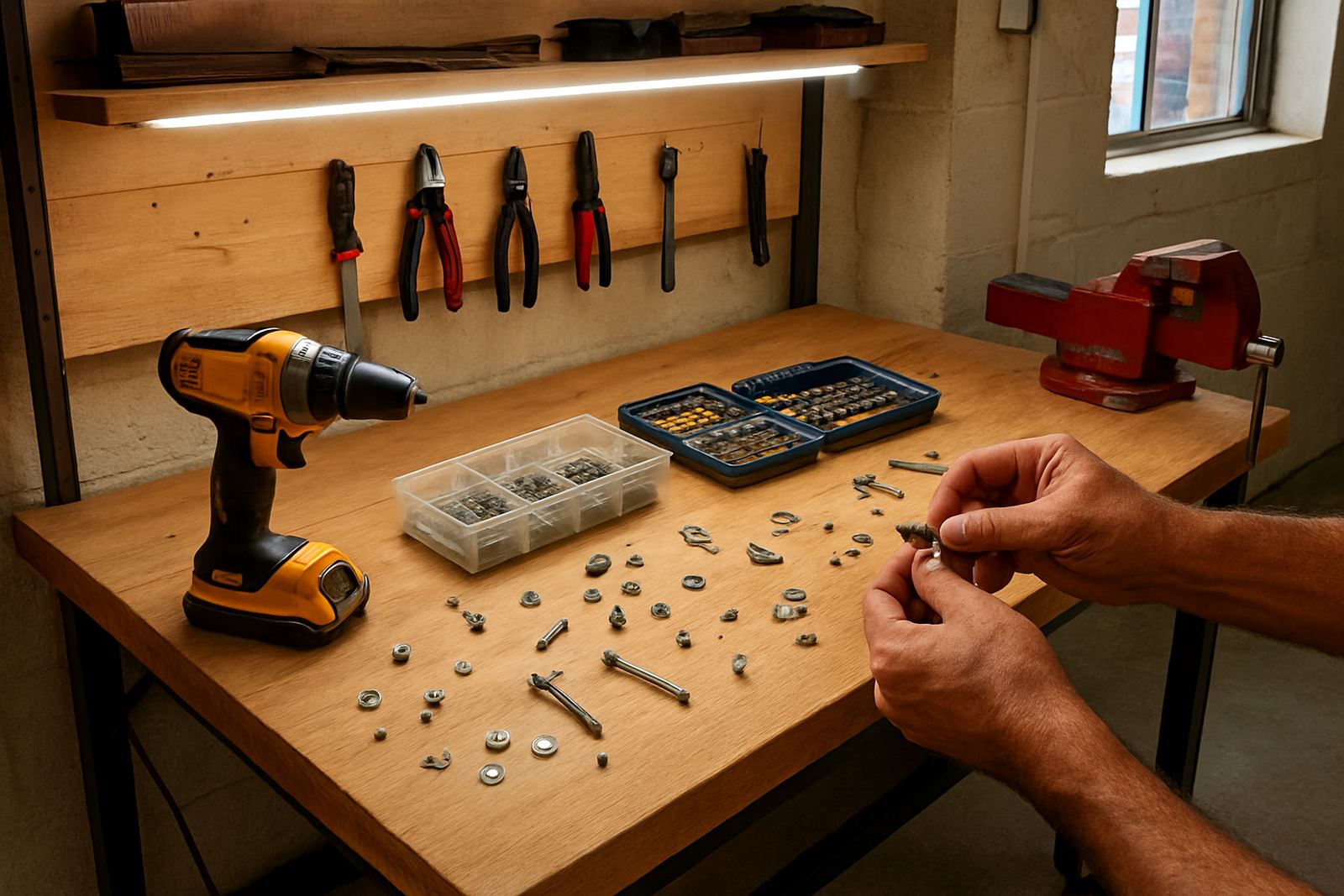
Winter work often means more time on indoor fit-outs, sheltered maintenance jobs and repairs after rain. That makes power-tool accessories work harder than people expect. Drill bits blunt faster when they hit damp timber or masonry with grit in it, cutting discs wear unevenly if they have been stored badly and sanding consumables can clog quicker in colder conditions. A short review now helps your team avoid stopping mid-job for a small part that should have been on the shelf.
Look at the accessories that get used every week and replace the poor-performing ones before they start costing you labour. If your team runs cordless tools, keep chargers in dry, ventilated spaces and avoid leaving packs in vehicles overnight. Batteries do not like cold, and a flat pack on a frosty Pinetown morning can slow a whole crew. It is also worth matching accessories to the actual work you do, rather than buying mixed packs that leave you with too many odd sizes and not enough of the sizes that go out daily.
- Check drill bits, driver bits, blades and discs for wear
- Sort accessories by size and task so stock is easier to issue
- Keep battery packs charged and stored indoors when possible
- Replace damaged holders, cases and chuck keys straight away
Set up storage so wet gear does not contaminate dry stock
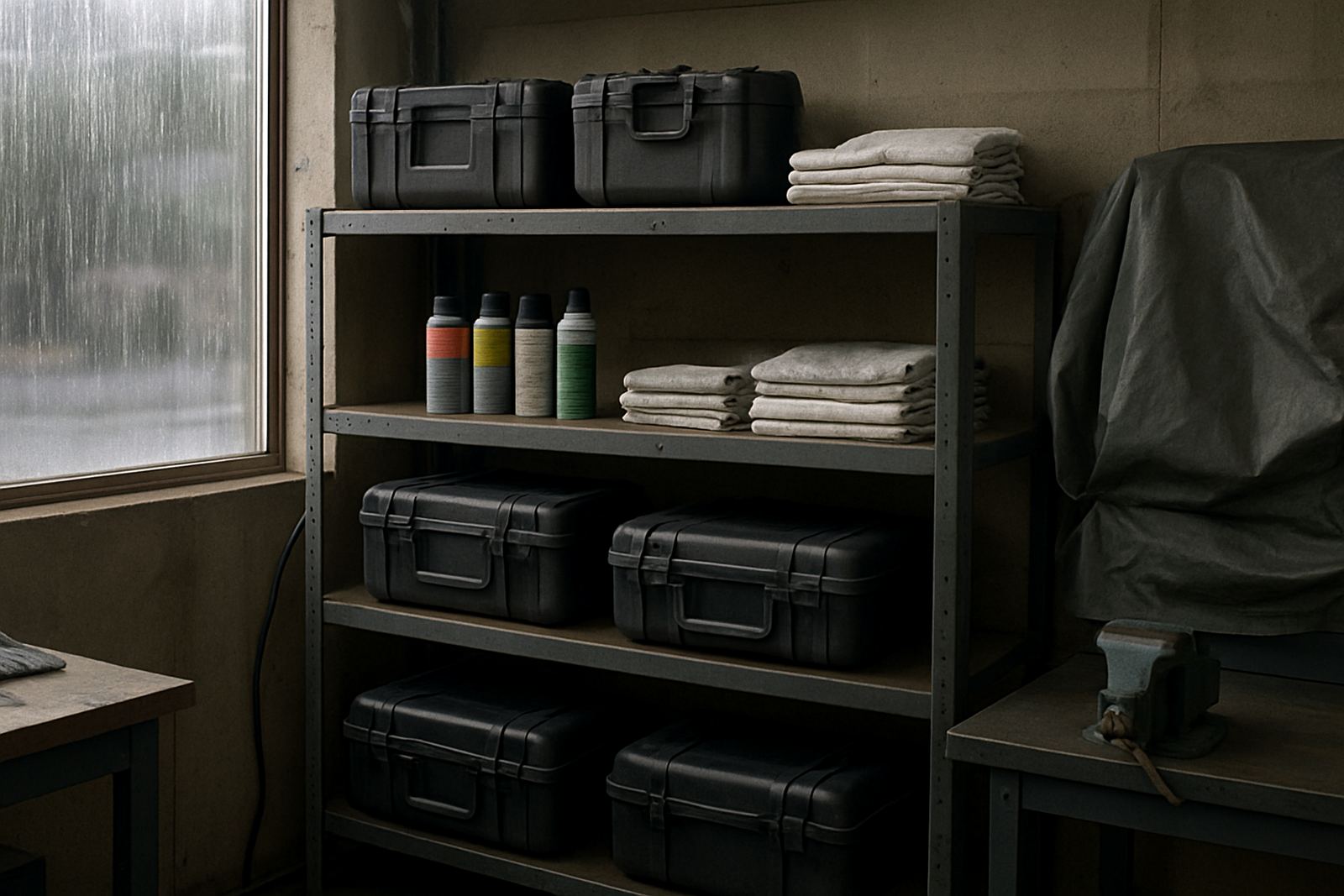
One wet jacket, damp glove pair or rain-soaked mat can affect a whole storage area if it is packed in with dry consumables. Winter storage needs clear zones. Create a space for items that come back wet from site, a separate area for dry stock and a clean shelf for fast-moving consumables like fixings, blades and tape. This sounds simple, but it cuts down on mould, warped packaging and mixed-up orders.
For smaller workshops in and around Umhlanga or Durban North, wall shelving and lidded bins can make a big difference where floor space is tight. In larger spaces, keep heavier items on low racking and use raised pallets if water gets in during heavy rain. Check door seals, roof leaks and gutters too. A storage plan is only as good as the building keeping the weather out, and in a coastal city that matters more than people think.
- Label wet return areas clearly
- Keep cartons and paper stock away from walls and floors
- Store fasteners in sealed tubs to stop rust and spillages
- Move absorbent materials away from direct floor contact
Keep consumables and workshop kits aligned with winter jobs
Winter jobs often bring a different mix of callouts, small repairs and maintenance visits. That means your consumables should match the season. Revisit what goes into each starter kit, service bag or trade tray so teams are carrying what they actually need. A good winter pack usually includes the basics for fixing, marking, cutting and fastening without overloading the vehicle.
It also helps to standardise stock lists across the team. If one technician calls a part by one name and another calls it something else, replenishment gets messy fast. Make the list simple and consistent so everyone knows what is expected. For workshops in Pinetown or Westmead, where jobs can turn over quickly, that kind of order keeps the counter moving and reduces repeat trips for the same item. It also makes seasonal refreshes easier when the weather changes again.
- Review the contents of vehicle kits and site bags
- Bundle common consumables into repeat-order packs
- Keep a written list of the most-used winter items
- Remove slow-moving items that are taking up space
Plan for load-shedding, cold starts and slower mornings
Winter often brings earlier darkness and more pressure on power. When load-shedding overlaps with cold mornings, the workshop can lose time before the first job even starts. Test lighting, extension leads, battery chargers and backup power arrangements now, not after a rushed callout. Make sure high-use areas are lit properly and that plug points are known to everyone on the floor.
Also think about the human side of a cold start. Staff work better when the first hour is organised and warm enough to keep hands working properly. Simple things like dry gloves, clear walkways and a place to warm up after rain can improve output more than a fancy purchase ever will. In a place like Durban, where winter can be damp rather than bitterly cold, the real problem is often clammy tools, wet clothing and slower hands. Sort those out and the rest of the day becomes easier.
If your team needs help planning what to keep on hand, how to bundle kits or how to standardise stock for winter, it pays to put a proper system in place before the first rush hits. A small amount of planning now can save hours of lost time later.