Why Coastal Air Changes the Way You Store Tools
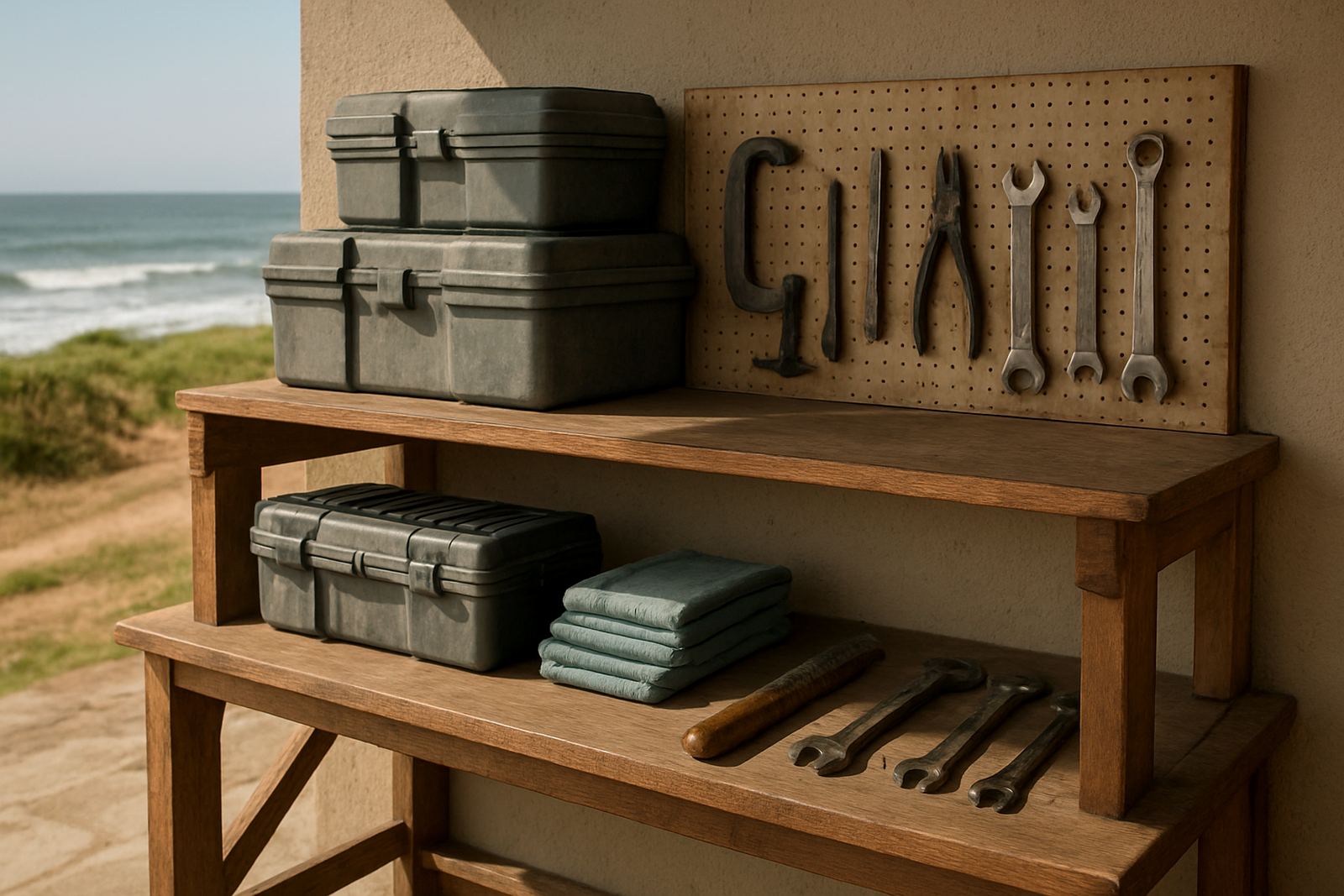
In a Pinetown or Durban North workshop, the same spanner set can last years if it is wiped, dried and stored properly. Leave it on an open bench through a wet week and the story changes fast. Coastal moisture settles on steel overnight, then dust and fine grit cling to it the next morning. That mix is what starts surface rust, sticky moving parts and dull cutting edges.
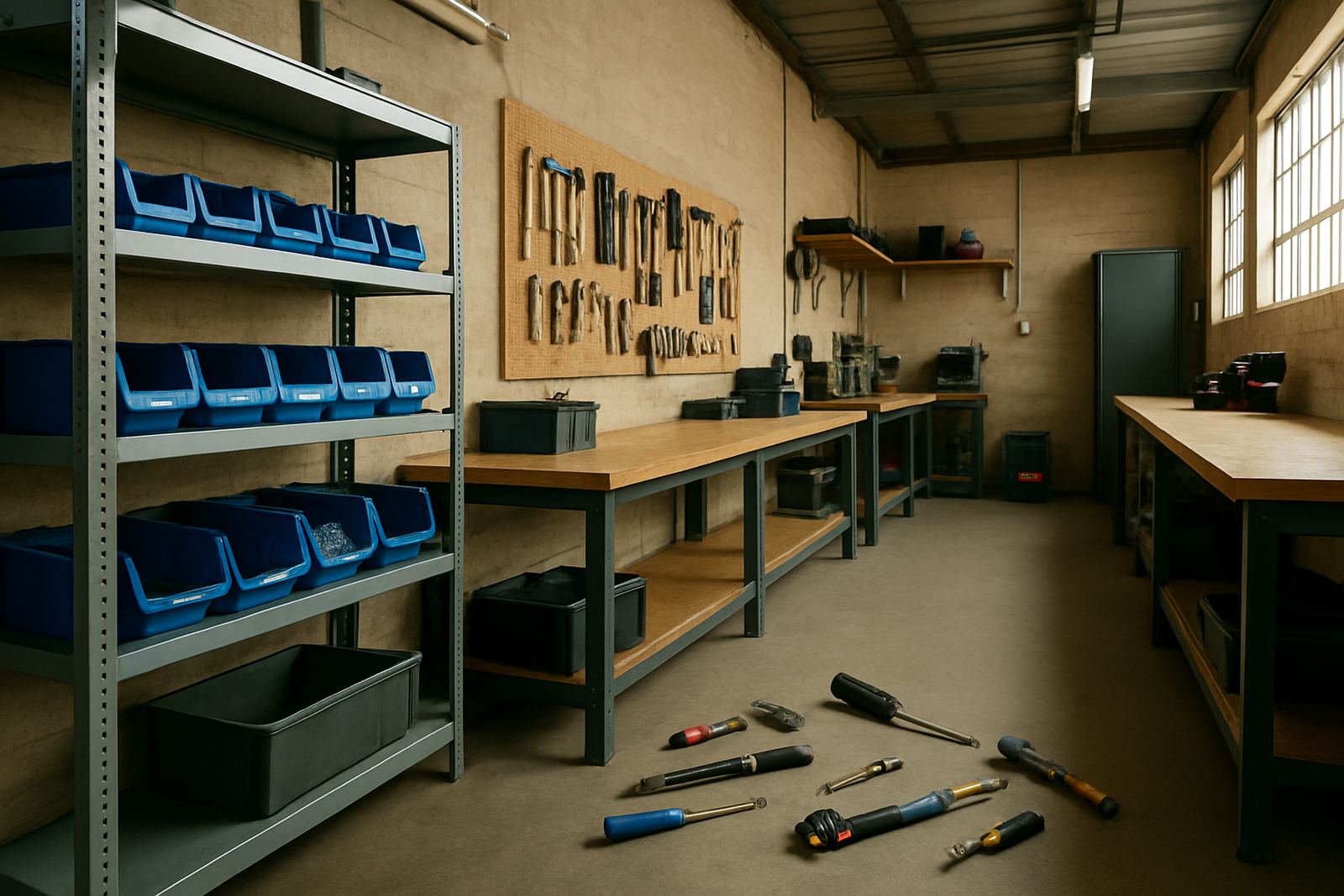
The point is not to overcomplicate things. It is to build a simple routine that fits real trade work. If a team is opening roller doors early, working through load-shedding, then packing up late, storage has to be quick and practical. Every tool should have a home, and every home should be dry enough to do its job.
- Keep hand tools off bare concrete and away from open windows.
- Use closed cabinets, lidded boxes or lockable trolleys where possible.
- Separate clean tools from used accessories so dust does not travel back into storage.
- Label shelves and drawers clearly so tools are returned fast at pack-down time.
Daily Cleaning That Saves Money Later
A few minutes at the end of each shift can save a lot of replacement cost. The trick is to clean tools before they are put away, not the next morning when corrosion has already started. In humid weather, a tool that looks dry can still carry moisture in joints, knurling and sockets. Wiping it down properly matters more than a quick shake and a rush to lock up.
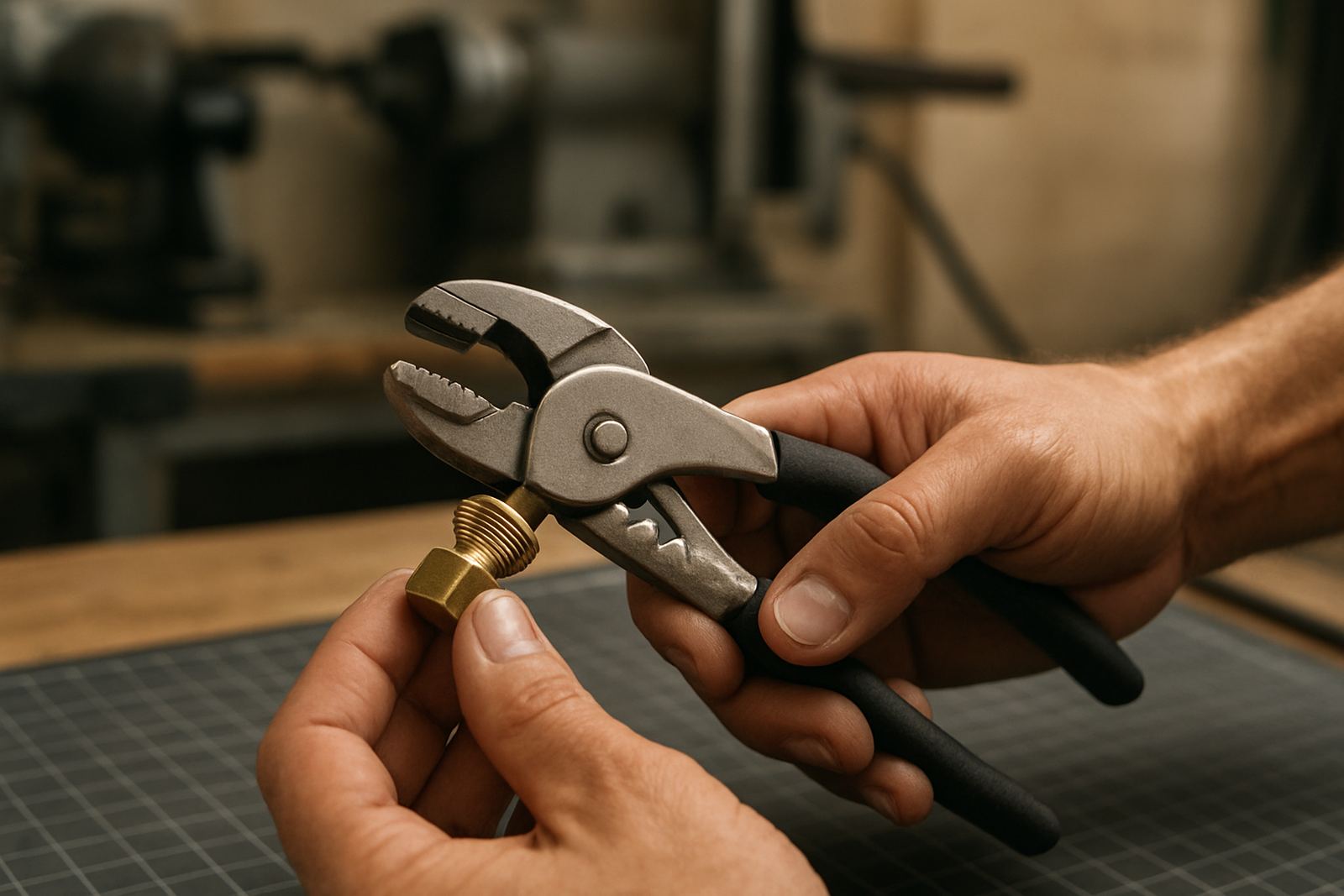
For workshops doing fitment, maintenance or light fabrication, the best routine is simple: remove debris, dry the surface, check for damage, then store. If a screwdriver tip is worn or a socket is cracked, move it out of general use straight away. Waiting until the next job usually means the wrong tool gets forced onto a fastener and both parts take damage.
- Use clean rags that do not leave lint on precision parts.
- Brush out dust from handles, ratchets and adjustable mechanisms.
- Check blades, cutters and bits for wear before returning them to the box.
- Keep a small cleaning station near the exit so pack-down does not get skipped.
At Jameson Tools, we often see that workshops with good cleaning habits buy less often, because they replace only what is actually worn out. That is better for the budget and better for the job schedule too.
Starter Kit Bundling for New Coastal Workshops
Setting up a new workshop in Westmead, Hillcrest or Umhlanga means more than buying a mixed pile of tools. A proper starter kit should match the work being done, the storage space available and the conditions on site. In coastal areas, that also means thinking ahead about moisture, dust and how often equipment will be moved between jobs.
Bundling helps because it avoids gaps. It is no use having five hammers and no proper socket selection, or a full drill bit set with no safe case to keep it dry. A good starter kit should cover daily tasks first, then add items that support growth over the next few months.
- Hand tools for fixing, measuring and fastening.
- Power-tool accessories sized for the tasks you actually do.
- Storage boxes or cases that close properly.
- Consumables like blades, drill bits, screws and cutting discs.
For a small Durban-area workshop, that kind of bundling makes training easier too. Staff can learn where each item belongs and how to keep it in order from day one.
How to Protect Tools During Load-Shedding
Load-shedding changes the rhythm of workshop work. Charging windows get shorter, fans stop turning, and closed rooms can trap damp air. If your tools and accessories are already close to the coast, the added heat and stillness can make corrosion and storage problems worse. That is why power cuts should be part of workshop care planning, not just an inconvenience to work around.
When the power goes off, the priority is to secure what can be affected by heat, moisture or theft risk. Corded equipment should be disconnected properly, battery-powered items should be charged in a managed cycle, and open consumables should be boxed up before the lights fail. A workshop that leaves items scattered during an outage usually spends extra time sorting them out later.
- Keep battery chargers and spare batteries in a dry indoor area.
- Store sensitive accessories in sealed containers during long outages.
- Use battery labels or a charging rotation sheet so packs are not forgotten.
- Check that extension leads and plugs are kept off wet floors after storms.
In Durban, a heavy evening storm can arrive right after a power cut. If the workshop is already packed and locked, there is much less chance of moisture damage overnight.
Stock List Standardising for Cleaner Reordering
One common problem in busy coastal workshops is random buying. Someone runs out of a bit or blade, grabs a substitute, then the stock room fills with mixed sizes and unmatched packs. It creates waste and it makes cleaning harder because nothing stacks neatly. Standardising the stock list brings order back into the room and gives staff a clear list to work from.
With a standard list, you know which sizes are kept on hand, what gets reordered monthly and what should stay as emergency stock only. That matters in coastal conditions because the more organised the shelves are, the less time tools spend exposed to humidity. It also helps with trade account control, since the same items can be tracked from month to month without guesswork.
- Use one naming system for every tool type and accessory size.
- Group fast-moving items near the front of the store room.
- Keep spares in sealed packs until they are needed.
- Review slow-moving stock every season so it does not sit and rust.
Matthew Petersen, who manages workshop solutions at Jameson Tools, often recommends a seasonal stock check for coastal clients because it catches problems before they become expensive shortages. A ten-minute list review can prevent a week of missed jobs.
A Pinetown Example: Small Habits, Fewer Replacements
A local motor repair workshop in Pinetown had a simple issue that kept repeating. Steel tools were being left on open shelving near a roller door, and after a few wet weeks the crew started seeing orange staining on sockets and pliers. Nothing dramatic, just enough to slow work down and push a few items into early replacement. The problem was not the tools. It was the storage habit.
After a proper reset, the team changed three things. First, they moved the main tool sets into closed boxes. Second, they added a short end-of-day wipe-down routine. Third, they assigned one person to check that damp rags and used consumables were removed before closing. Within a short time, the rust spots were down, the benches stayed cleaner and tool finding got quicker too.
That is the main lesson for coastal workshops. You do not need fancy equipment to fight humidity. You need discipline, a clear system and a team that knows the routine. With the right setup, even a busy workshop can stay orderly through summer heat, winter rain and the odd municipal water interruption.