Training Turns Good Tools Into Daily Value
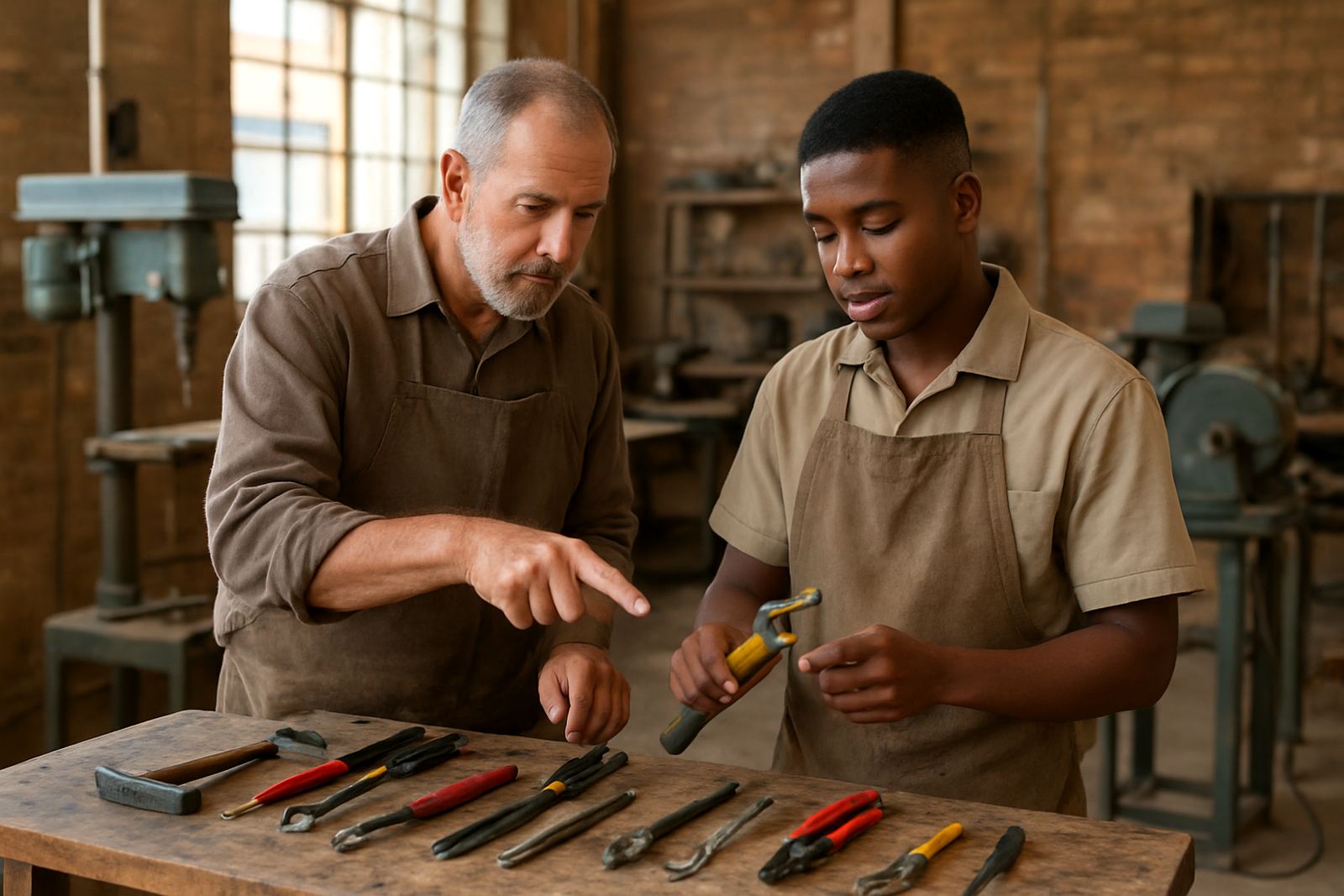
A new hand tool or accessory can look fine on the shelf, but the real value shows up when it is used correctly every day. Training helps staff understand the right pressure, the right speed, and the right order of work, so tools are not worn out before their time. That matters in workshops where one team member may have ten years of trade experience while another is still learning the basics.
In Pinetown, where many small workshops run with lean teams and a mix of general repairs, fitment work and urgent callouts, training makes a direct difference to output. A grinder used for the wrong disc, or a driver bit used on the wrong fastener, can waste time and money. With the right instruction, the same tool keeps performing properly and the job moves faster.
Better Technique Means Longer Tool Life
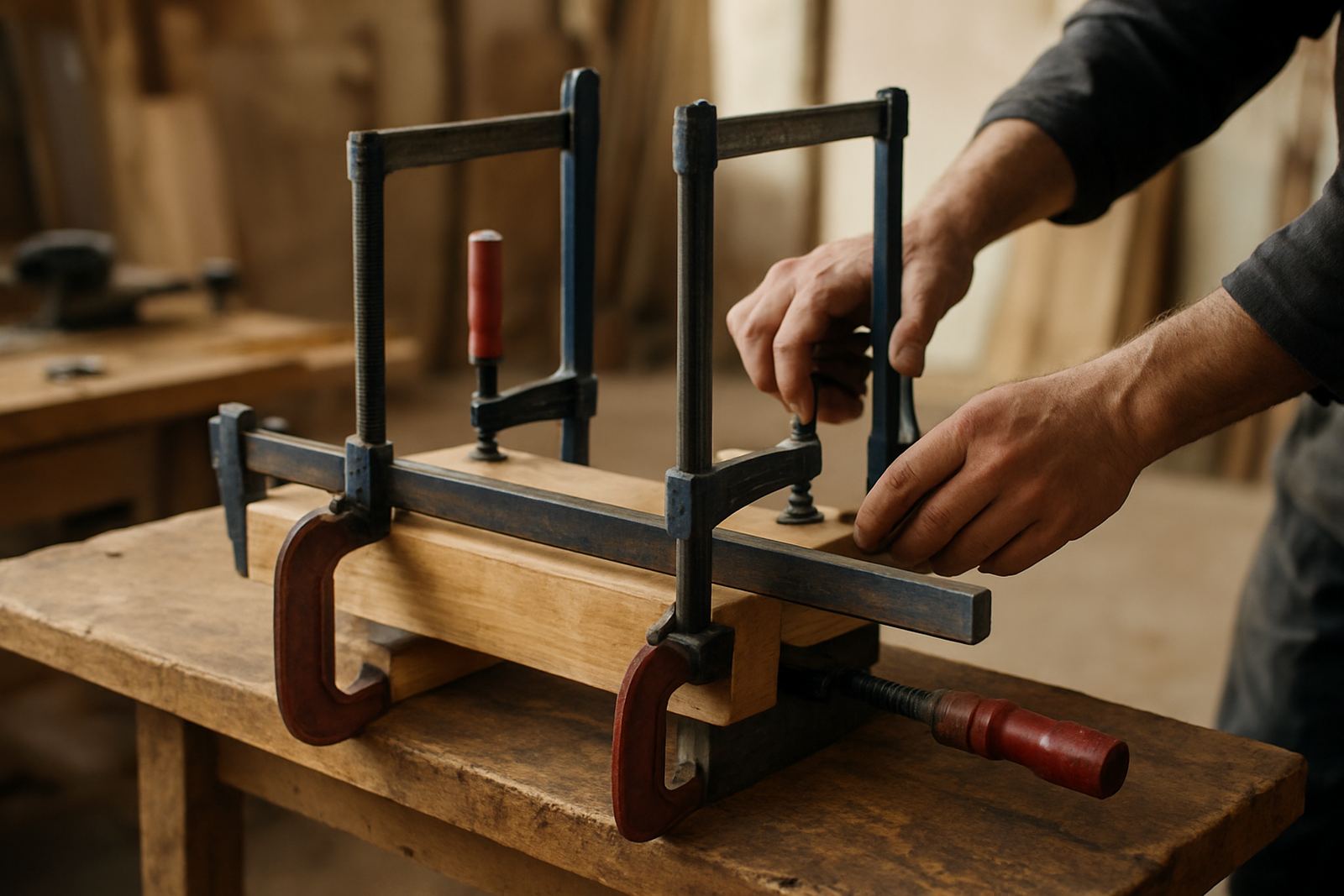
Tool wear is not always about poor quality. More often it comes from bad handling, poor storage, or using the wrong accessory for the task. Training shows staff how to inspect tools before use, how to clean them after a shift, and how to store them where dust and moisture will not cause trouble.
- Check sockets, blades, bits and cutting wheels before each job
- Use the correct accessory for steel, timber, plastics or masonry
- Keep items dry in coastal areas where humidity can cause rust quickly
- Charge cordless equipment properly and rotate batteries if there are two or more
- Replace worn consumables before they damage the main tool
That last point is especially important during load-shedding. When a workshop has to stop and start a task several times, workers often rush the finish once power returns. A short refresher on setup and shutdown routines helps prevent damaged accessories and unsafe handling.
Consistent Work Quality Across Mixed-Experience Teams
Many South African workshops rely on a mix of senior tradespeople, apprentices and general hands who assist where needed. Without a shared standard, every person ends up doing the same job a slightly different way and the result is uneven. Training gives the whole team one method to follow, which makes the finished work more consistent.
That consistency shows in the small things: cleaner cuts, tighter fixings, better measurements, and fewer reworks. It also helps with customer trust. A client does not want to hear that the second fitting was done differently from the first because the person on shift changed. They want the same result every time.
- Set one standard for measuring, marking and cutting
- Keep a shared stock list for common consumables
- Agree on inspection steps before any tool is signed out
- Train new staff on workshop rules before they start independent work
A Local Example From a Busy Durban Workshop
A small repair shop in Westmead was replacing cutting discs too often and the team thought the discs were the problem. After a short on-site induction, the actual cause became clear: the wrong disc was being fitted for the material, and operators were leaning too hard into the cut. Once the team changed the method, disc use dropped and the finish improved within the same week.
That kind of result is common in Durban and the surrounding trade areas. In Hillcrest, a team may need more emphasis on mobile kit care because tools move between job sites. In Durban North or Umhlanga, salt air can make corrosion a real issue if equipment is left in open storage. Training gives each workshop practical steps based on where it actually operates, not just generic advice.
Training Supports Safer Work and Fewer Interruptions
Safety training is not only about avoiding injury. It also keeps the workshop running with fewer stoppages. When people know how to test equipment, isolate power, handle sharp items, and return tools to the right place, there are fewer delays and less damage to stock.
For supervisors, this matters because poor handling can quietly eat into margin. One damaged drill bit may seem small, but a week of repeated mistakes adds up fast. Good training reduces call-backs, lowers replacement costs, and keeps jobs on schedule even when the week is already full.
- Teach safe changeover steps for blades, bits and discs
- Build a routine for cord checks, battery checks and cable storage
- Use simple sign-out records for shared tools
- Remind staff to report damage immediately instead of working around it
How Jameson Tools Helps Workshops Keep Standards Up
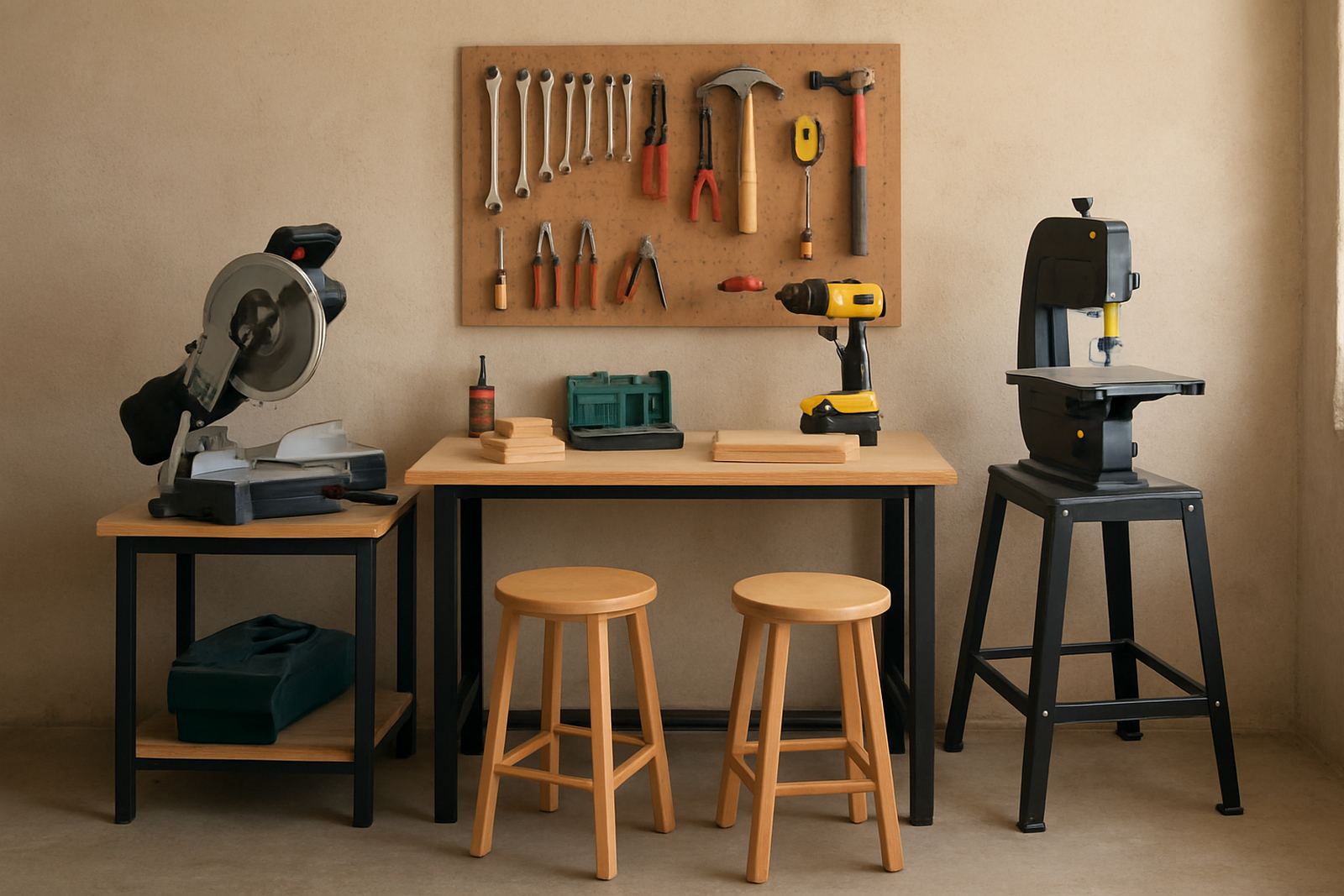
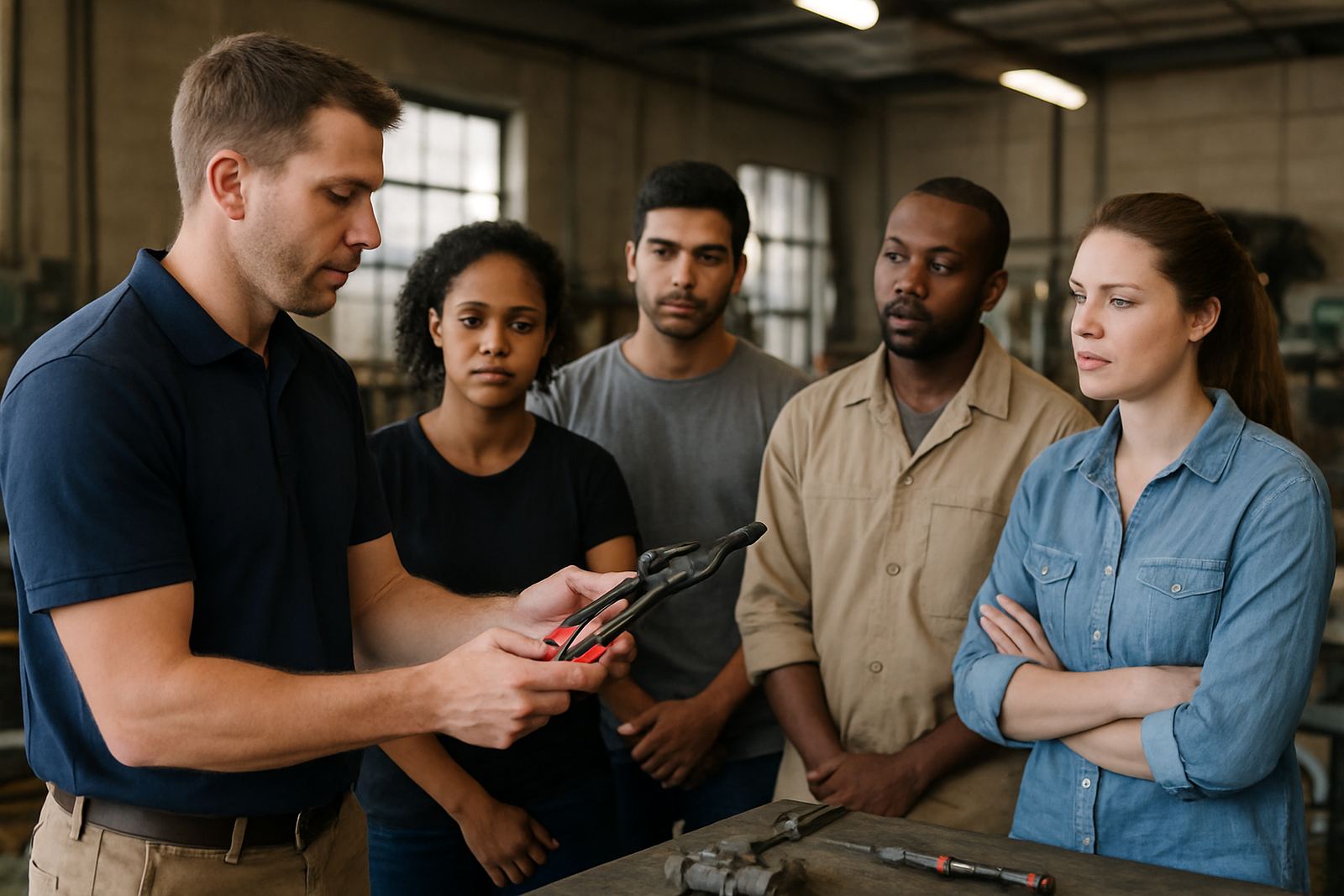
At Jameson Tools, training is part of the wider support around the kit, not an afterthought. That includes on-site tool inductions, starter kit bundling, workshop setup advice, stock list standardising, and consumables replenishment planning. For a new workshop in New Germany or a growing trade counter in Pinetown, that sort of structure helps get people working properly from the start.
We also help match replacement tools and accessories to the way the team actually works. If the workshop is doing heavy daily use, the recommendation should suit that pace. If the work is lighter but spread across more users, the focus may be on clear labelling, simple storage and repeatable handover. That practical approach saves time, protects equipment and makes training stick.
For teams that need help across branches or job sites, courier delivery coordination and trade account support keep ordering simple. If your workshop is in Westmead, Hillcrest, Durban North or elsewhere in South Africa, the real gain is the same: people who know how to use the equipment well will get more from every Rand spent.