Start with the jobs your garage must do
Before you buy anything, list the work you actually do in the garage. For many South African homes that means changing fittings, fixing gates, assembling shelves, maintaining a bakkie, or doing weekend repairs after load-shedding has pushed the household jobs back. If you only buy what suits those jobs, you avoid paying for specialist items that sit in a corner for months.
A budget upgrade works best when you build from the ground up. Hand tools, measuring gear and storage should come first, then accessories, then speciality items. That order keeps spending under control and helps you get more done with fewer repeats to the hardware store. It also makes stock planning easier if you share the garage between family projects and trade work.
In Pinetown, where many small workshops deal with mixed repairs and light fabrication, the best setup is often not the biggest one. It is the one that keeps the right items within reach, protects them from damp air and lets you pack up quickly when the weather turns or a delivery arrives.
Buy the core hand tools before extras
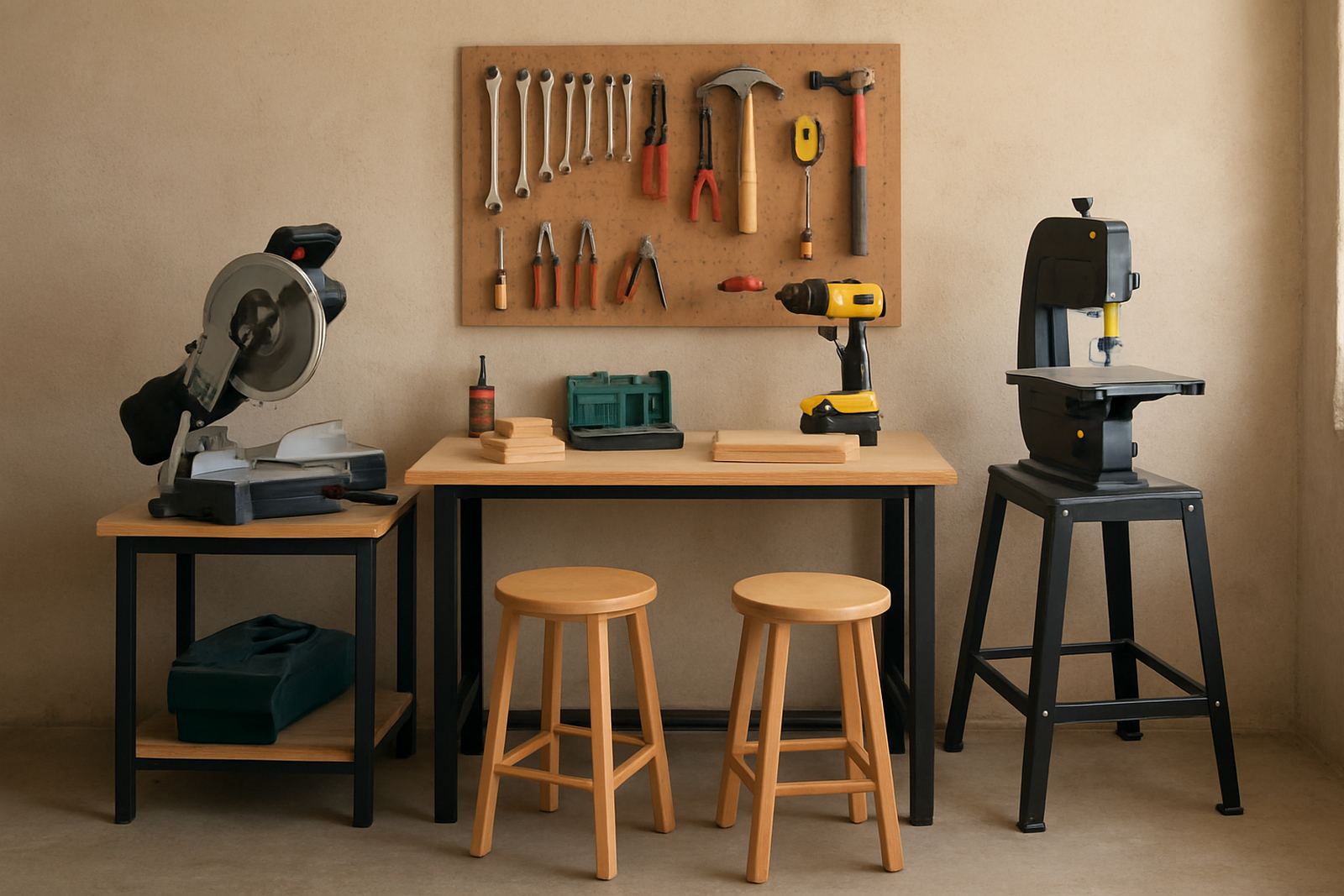
Start with dependable hand tools that cover the widest range of tasks. You do not need ten versions of the same item. You need a sensible basic kit that can handle tightening, cutting, striking, holding and adjusting without slowing you down. A solid starter set also reduces the temptation to borrow tools and misplace them in the process.
For most garage upgrades, these are the first items worth sorting out:
- Combination spanners in common sizes
- Adjustable wrench, pliers and side cutters
- Screwdriver set with flat and cross heads
- Hammer, tape measure and utility knife
- Hex key set and a small socket set
If you work on vehicles, gates or shelving, add a torque-aware approach to tightening and use the correct size fastener every time. A loose fitting on a garage door bracket can become a bigger repair later. A neat starter tool bundle makes those tasks simpler and helps you avoid buyng duplicate pieces you already own.
Measuring gear saves money on every project
Many budget overruns come from poor measuring, not expensive materials. A tape measure, spirit level and marking tools often give better value than another power tool. If your cuts and fixes are accurate the first time, you waste less timber, less steel and less time.
Good measuring habits matter in garages where shelves are built against uneven walls or where floor slopes affect cabinet alignment. In coastal areas around Durban and Umhlanga, a little moisture can also cause timber to swell and metal to move ever so slightly, so checking measurements twice is sensible. Keep your measuring tools clean and store them dry to avoid bad readings.
- Use one tape measure for layout and one for quick checks
- Keep a level close to the main work area
- Mark frequently used dimensions on a card or board
- Replace worn blades and bent rulers before they cause errors
When measurements are repeatable, even a modest garage can look properly organised and professional. That matters whether you are fitting cupboard doors in Westmead or doing weekend repairs at home in Hillcrest.
Storage is the upgrade that protects the budget
Tool storage is often treated as an afterthought, but it is one of the smartest parts of a garage upgrade. A tidy storage plan protects tools from rust, dust and accidental damage. It also makes it easier to see what is missing before you place a new order.
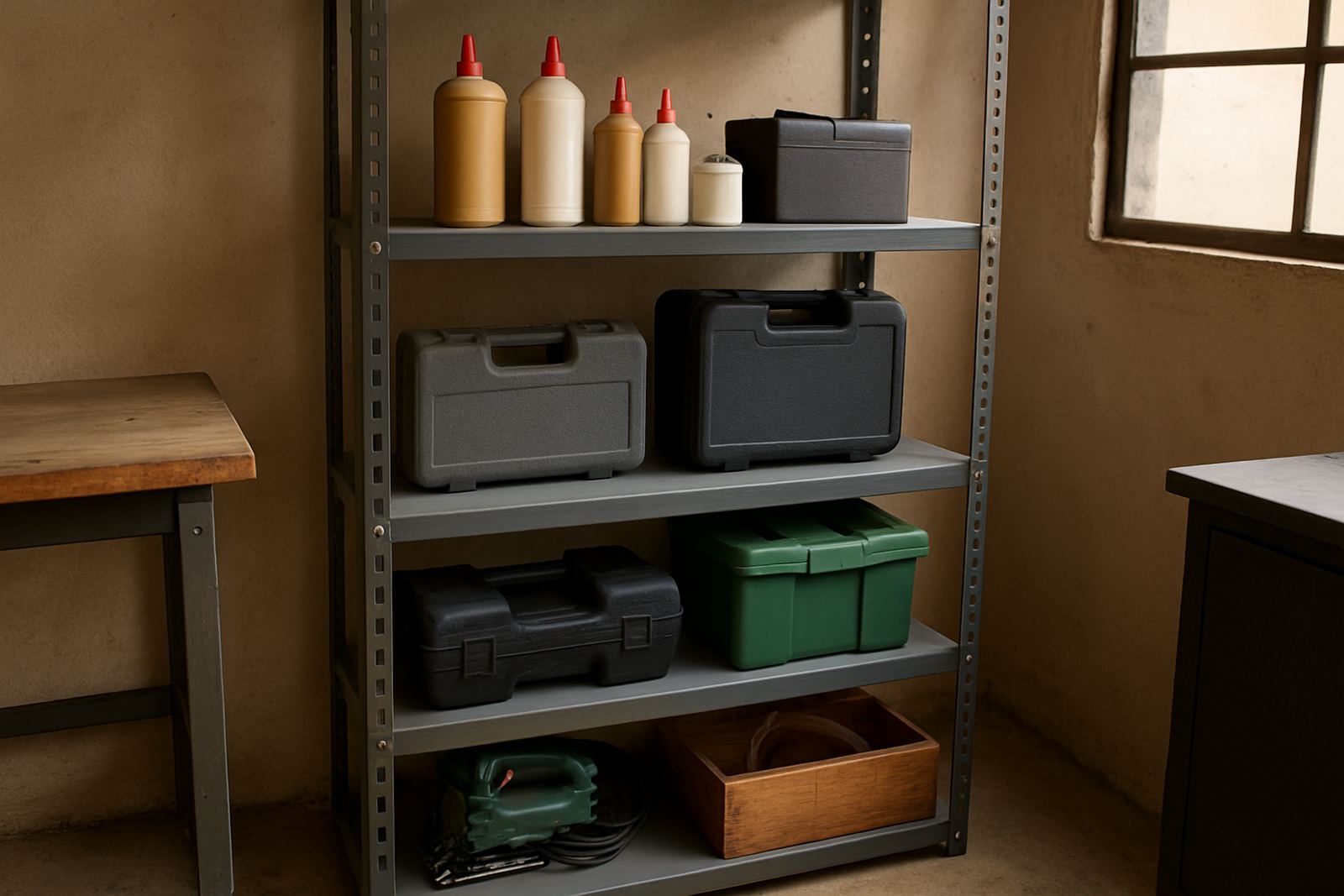
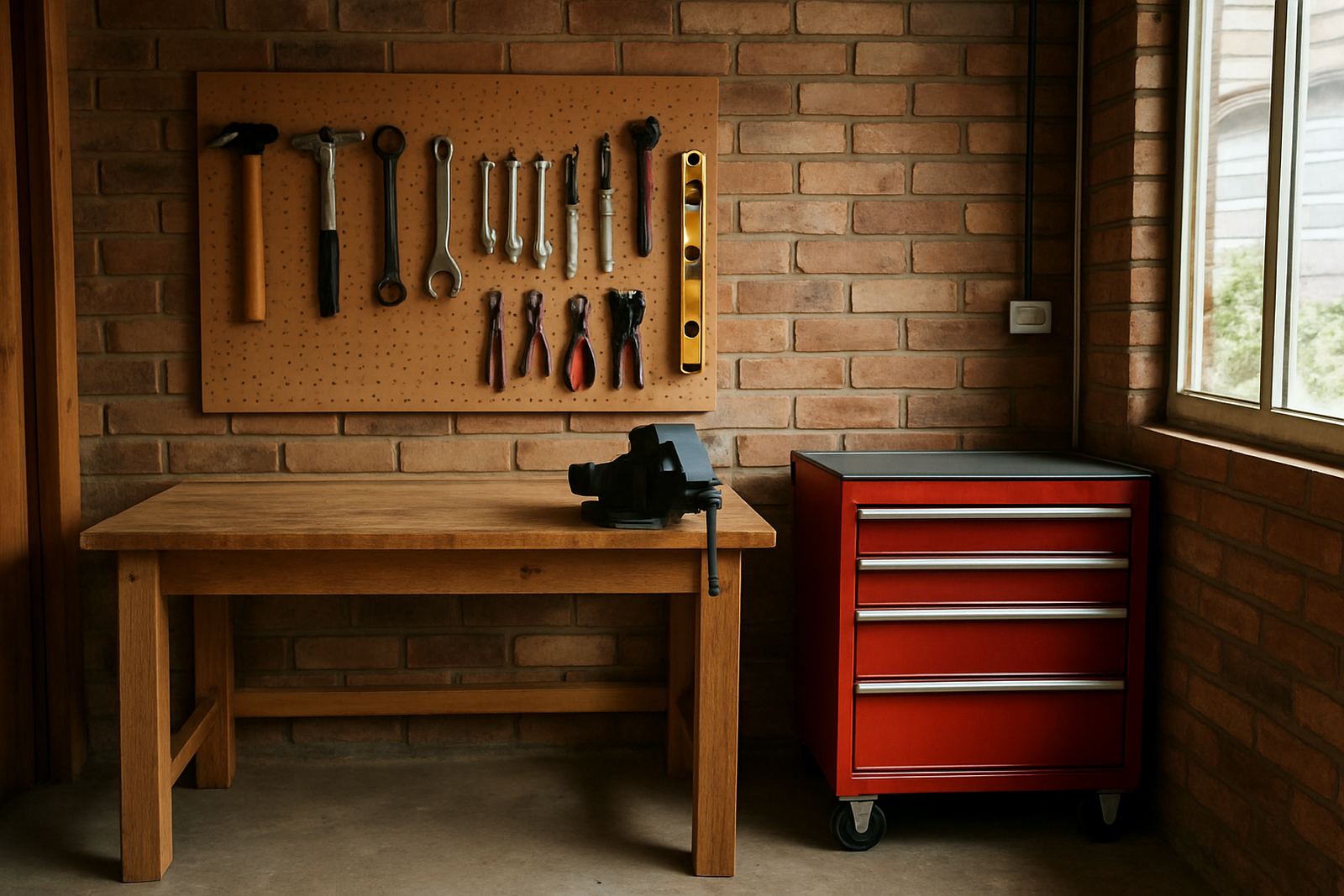
Use storage that suits your floor space and the type of work you do. Wall-mounted hooks, stackable boxes, drawer trays and labelled tubs all have a place. In a Durban garage, airflow matters because humidity can affect blades, sockets and fasteners. In a smaller Pinetown space, vertical storage is usually more practical than bulky cupboards that eat floor area.
Keep similar items together. Fasteners in one section, measuring gear in another, power-tool accessories in a sealed box, and consumables near the main workbench. That sort of grouping cuts down on searching and helps the whole garage feel usable rather than cluttered.
Spend on power-tool accessories before new machines
It is tempting to buy another machine when a job gets slow, but often the better spend is on accessories that improve the tools you already have. Quality drill bits, cutting discs, sanding sheets and driver bits can change how well a tool performs without the cost of a full replacement. This is especially useful for DIY users who only need a garage setup that handles regular repairs and light fabrication.
When selecting accessories, match them to the material and the work rate. A set meant for timber will not last long on steel, and a cheap disc can waste time by wearing out too quickly. If you do frequent jobs after hours, choose accessories that cope with regular use and keep a spare set ready for busy weekends or load-shedding recovery work.
- Drill and driver bits for timber, masonry and steel
- Cutting and grinding discs for the materials you use most
- Sanding pads in common grades
- Replacement blades and spare fasteners
Accessories are also easier to courier and replenish than full machines, which helps when you need stock in a hurry from the Pinetown base to branches across Durban North, New Germany or further afield.
Build a garage that fits South African conditions
Budget upgrades work best when they are practical for local conditions. A garage in coastal Durban needs different care from one inland. Salt air, humidity and heat can shorten the life of exposed metal, so closed storage and simple rust prevention are worth it. If you use battery tools, store batteries in a cool dry spot and check them regularly rather than leaving them in direct sun.
For households and small trade setups, power interruptions also shape the way a garage should run. Keep a few hand tools ready for jobs that must continue when electricity is off. A manual screwdriver set, hand saw, measuring gear and a good torch can keep progress moving until power returns. That is a small cost compared with the delay of waiting to finish one fitting.
Also think about municipal rules and neighbours. If your garage work includes cutting, sanding or spraying, keep noise and dust under control. A budget upgrade should make work easier, not create complaints. A clear floor, proper bins and marked storage all help with that.
Use a staged buying plan instead of one big spend
The cleanest way to upgrade on a budget is to buy in stages. First sort the essential hand tools and measuring gear. Then improve storage. After that, add accessories and consumables that match the jobs you do most. Finally, consider any specialised items that will genuinely save time or improve accuracy.
This approach lets you test the garage in real use before spending more. You may find that a better socket set helps more than a larger machine, or that labelled storage solves the problem you thought was a tool shortage. If you are planning a home garage, a small business store room or a trade bay in Pinetown, this staged method keeps the spend sensible and the results practical.
Jameson Tools supports that kind of planning with starter kit bundling, stock list standardising, tool replacement matching and workshop setup advice. For teams that want guidance before they buy, on-site tool inductions and training resources can help everyone work from the same system and waste less time looking for the right item.