Why Consumables Cause More Delays Than Tools Do
Most workshops keep an eye on big-ticket tools, but it is the small items that usually cause the first stoppage. Grinding discs, drill bits, cutting blades, cable ties, cleaning cloths, tape, markers, bits of fasteners and PPE like gloves or ear plugs are used daily and forgotten until the shelf is empty.
In practice, a missing consumable can hold up an entire job. A fabricator in Pinetown might have machines ready, staff on site and a customer waiting, but if the right cutting disc is finished the job sits. The cost is not only the item itself, it is the lost time, extra courier charges and the pressure on the team.
For Durban workshops, humidity adds another layer. Cardboard boxes soften, some items rust faster and storage gets messy if stock is not rotated. A clear plan keeps the fast movers visible, dry and ready for use.
Start With A Short List Of Fast-Moving Items
You do not need a huge system to begin. Start by listing the consumables that are used every week, then separate them by trade area or machine type. That gives you a working stock list that is practical for the actual jobs you do.
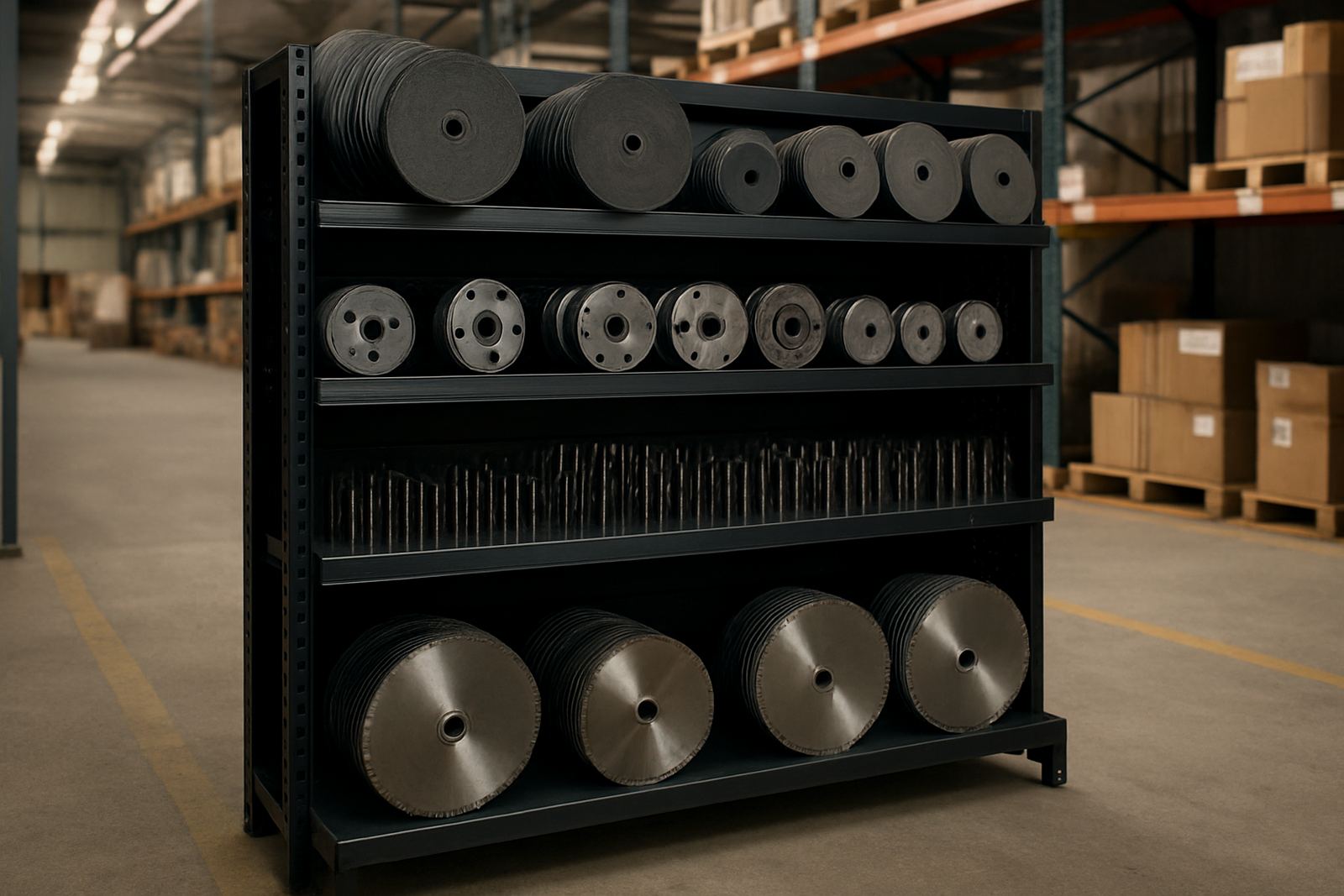
- Cutting and grinding discs by size and grit
- Drill bits, driver bits and hole saws
- Fasteners, anchors and small fixings
- Gloves, masks, ear protection and cleaning items
- Lubricants, sprays, tapes and marking tools
Once the list is on paper, count what you use in a normal week. If you use 10 cutting discs in seven days, you know a box of 20 is not a luxury, it is a working buffer. That kind of counting takes a little time but it pays back quickly, especially when orders come in back to back.
Set Reorder Levels That Match Real Workshop Use
A reorder level is simply the point at which you buy more stock before the shelf is empty. For consumables this should be based on lead time, usage and the size of your team. If courier delivery to Hillcrest or Umhlanga takes a day or two, your reorder level must cover that gap plus a little extra.
A simple rule works well: keep enough stock to last until the next delivery arrives, then add a safety buffer. If your team uses 6 boxes of gloves in a week and delivery takes 3 days, you cannot wait until the last box. That is when shortages start, and they often happen on a Friday afternoon or just before a long weekend, which is never ideal.
Seasonal demand matters too. December shutdown prep, rainy weather, municipal contract work and school maintenance all affect what gets used. Review the numbers monthly and adjust. It is better to have a small planned buffer than to pay for emergency buying at the wrong time.
Keep Stock Visible And Easy To Count
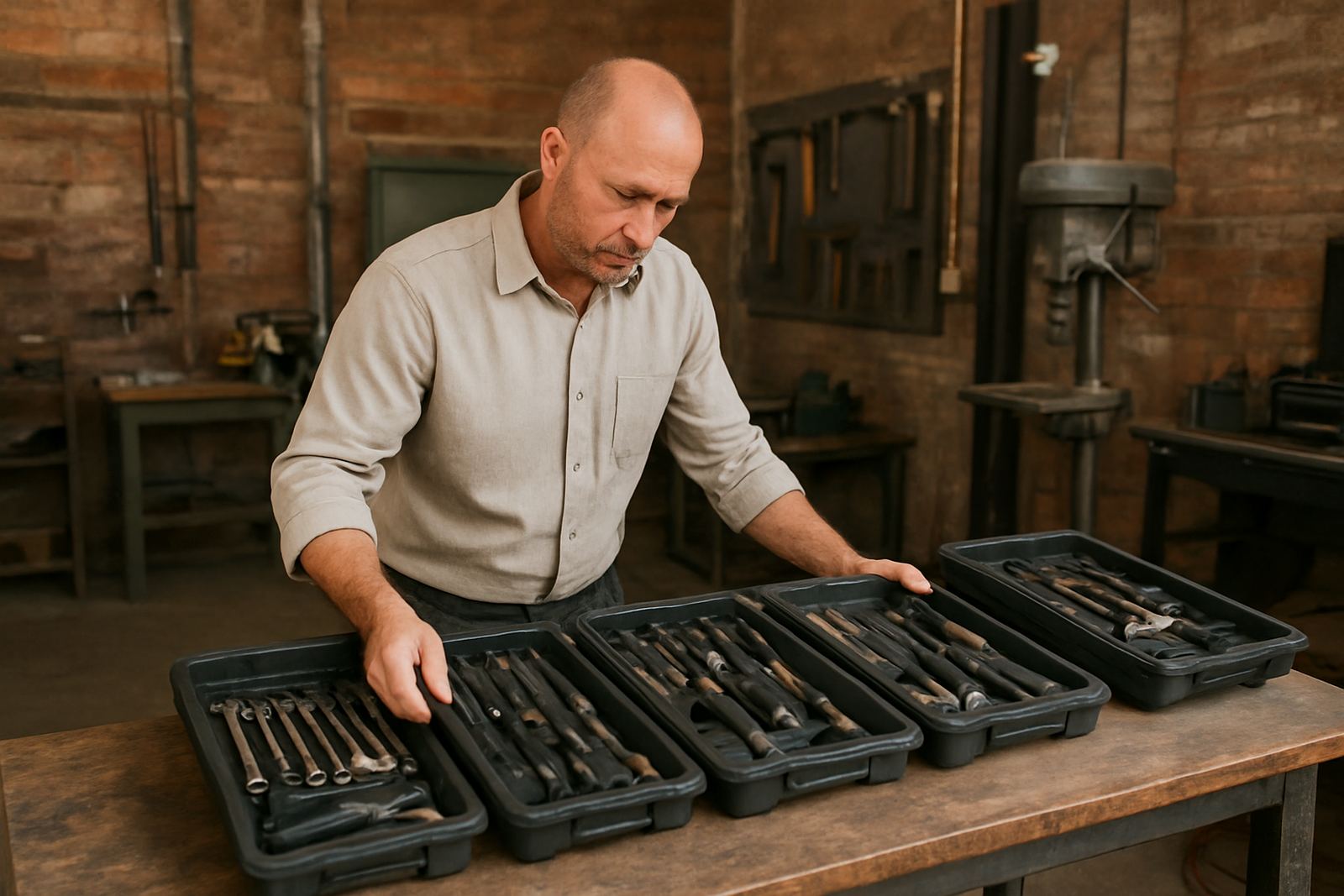
Consumables work best when staff can find them, count them and put them back in the same place. Use labelled shelves, clear bins and separate zones for daily issue items and reserve stock. In a busy workshop, mixed boxes and loose packs lead to double ordering and wastage.
Try to standardise pack sizes where possible. If your team always issues the same size bolts, the same glove type and the same blade length, stock control becomes easier. That also helps with training new staff because they learn one system instead of three.
- Keep one location for open stock and one for reserve stock
- Label bins with item name, size and reorder level
- Count fast movers on a set day each week
- Move old stock forward before opening new cartons
- Store moisture-sensitive items off the floor and away from open doors
Even a small workshop in Westmead can run a clean system if the layout makes sense. The trick is to make the right action the easy one, not the difficult one.
Tie Consumables Planning To Jobs And Service Calls
Good stock planning is easier when it follows the jobs you actually do. If you handle maintenance, repairs, fitting, fabrication or field service, each type of work uses a different mix of items. A workshop that supports road crews will need different replenishment habits from one doing assembly only.
For service teams, it helps to build job kits for repeat work. A kit might include the fixings, blades, tape and protection items needed for a standard install or repair. This reduces packing errors and keeps the van or site box ready. It also helps with training because the team knows what should be in each kit before leaving the yard.
Jameson Tools assists with starter kit bundling, stock list standardising and consumables replenishment planning for workshops in Pinetown, New Germany, Durban North and beyond. That support is useful when you want the shelf plan to match the way the workshop actually works, not just the way a catalogue is laid out.
Build A Replacement Plan Before An Item Runs Out
When a consumable is discontinued or a better fit is needed, replacement planning stops the scramble. You want to know what can be swapped, what must stay the same and what needs staff retraining. This matters most where tools and accessories are used across different shifts or by different teams.
A sensible replacement plan should include the item size, quantity used per month, the equipment it supports and any safety notes. If a blade or bit wears too quickly, you need to understand whether the issue is the material, the speed, or the storage conditions. A supplier with practical trade experience can help match the right replacement without making the shelf more complicated.
For many Durban businesses, a good replacement plan also cuts down on courier delays. If you know the exact item you need, you can order once and get on with the job instead of sending someone out twice. That saves fuel, time and a fair amount of frustration.
A Local Example From Pinetown
A small workshop in Pinetown doing fabrication and maintenance work had a recurring problem. The team kept running out of grinding discs and gloves at different times of the month, then buying whatever was available nearby. The result was uneven stock, higher prices and extra time lost on collection runs.
They changed to a simple weekly count, a fixed reorder point and separate bins for the top five items. They also standardised pack sizes so the office could see what was left at a glance. Within a few weeks the workshop had fewer interruptions and less overbuying. The team was not carrying more stock than needed, just the right stock in the right place.
That is the point of planning consumables better. It is not about hoarding boxes or building a complicated system. It is about making sure the items you use every day are there when the job starts, and still there when the second job arrives.