What An Adjustable Wrench Does On Site
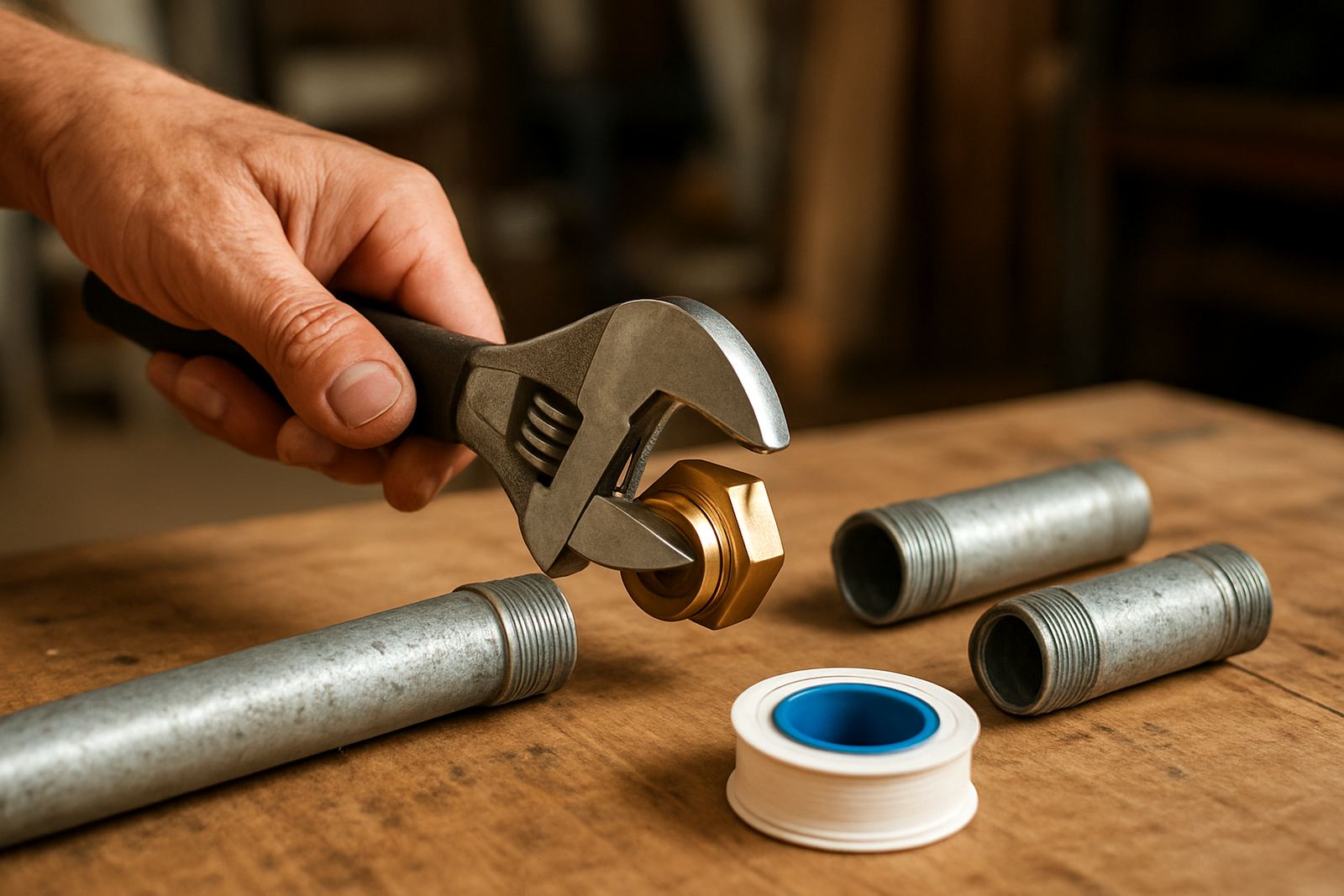
An adjustable wrench is used to grip nuts and bolts of different sizes with one tool, which makes it handy when you are moving between jobs during the day. It is common in plumbing, vehicle repairs, general maintenance and assembly work where fast adjustments matter and you do not want to carry a full spanner set for every small task.
The jaw opens and closes with a screw mechanism, so you can match the tool to the fastener before tightening or loosening. For many trade users it becomes a first-pick tool because it saves time on call-outs, especially when a job needs a quick fix before load-shedding or a late-day shutdown. It is not the right tool for every high-torque application, but for everyday maintenance it earns its keep.
Sizes And Options Worth Ordering
We supply adjustable wrenches in the most useful workshop sizes, from compact units for tight spaces to longer models for extra leverage. A common range includes 150 mm, 200 mm, 250 mm and 300 mm lengths, with jaw openings suited to small fittings through to larger pipe and plant hardware. If you work in Pinetown, Westmead or New Germany, it helps to keep at least two sizes in the van and one in the workshop.
When choosing a size, think about the type of fasteners you see most often and how much room you have around the fitting. Shorter models are easier to use in confined cupboards and control panels, while longer models give better reach on stubborn fixings. We can also help with starter kit bundling if you are standardising tools for a team or setting up a new site.
- 150 mm for light fitting work and tight access
- 200 mm for general maintenance and plumbing tasks
- 250 mm for trade use with better grip and reach
- 300 mm for heavier workshop fastening jobs
- Metric and imperial jaw scale markings on many models
Where It Suits Best
This tool suits plumbing teams, mechanical workshops, building maintenance crews, electrical support teams and home users who do regular repairs. In Durban North and Umhlanga, where coastal humidity can affect stored tools, an adjustable wrench is useful for quick repairs on gates, fittings, taps and plant supports. For workshop floors in Hillcrest or Pinetown, it works well on benches, racking and machinery covers.
It is also useful for on-site inductions and training because new users can learn the basics of grip and adjustment without needing a full box of spanners first. For contractors doing municipal or body corporate work, it is a practical carry tool. One good wrench can cover a surprising range of fasteners if it is kept clean and adjusted properly.
- Plumbing and drainage repairs
- Mechanical maintenance and light assembly
- General property upkeep and workshop tasks
- Fleet checks and roadside adjustments
- Starter kits for apprentices and junior staff
Installation, Power And Gas Requirements
An adjustable wrench does not need installation, power or gas supply, which makes it dependable during outages and work in remote areas. That simplicity matters for trades that need hand tools to keep going when power is down or a compressor is out of action. You just need the correct tool size and enough access around the fastener to get a clean grip.
For the best result, open the jaws slightly wider than the nut, slide it on squarely and then close the jaws until there is no play. Pull the wrench toward the fixed jaw side so the load sits correctly and the tool does not slip. If the nut is damaged or rounded off, stop and assess rather than forcing it, because that can make the job harder and damage surrounding parts.
Care, Servicing And Storage
Keep the jaw threads clean and lightly lubricated so the adjustment stays smooth. Dust, grinding grit and moisture can make the mechanism stiff over time, especially near the coast. Wipe the tool after use, check the jaw edges for wear and store it in a dry tray or pouch rather than loose in a wet toolbox.
If the tool is used daily, inspect it regularly for jaw movement, rounded edges and slack in the screw. A worn adjustable wrench can slip under load and that causes unnecessary downtime. For teams with consumables replenishment schedules, it helps to add tool checks to the monthly stock list so worn tools are replaced before they fail on site. A quick service now saves frustration later, and yes it is worth the two minutes.
- Wipe clean after each shift
- Keep the screw lightly oiled
- Store away from standing water
- Check jaw wear and movement monthly
- Replace if the jaws no longer grip squarely
What To Check Before You Order
Before ordering, confirm the size you need, the maximum jaw opening and whether you want one tool or a matched set for the team. Check if the markings are easy to read, whether the handle feels comfortable in the hand and if the head width suits confined spaces. If you are replacing old stock, compare the working length with what your team already uses so the new wrench fits your existing jobs without retraining.
It also helps to think about where the tools will be used. For coastal work in Durban, a finish that cleans easily and resists rust is a practical choice. For workshop starter kits, select sizes that cover the most common fittings first, then expand later. If you are not sure what to buy, we can help with tool replacement matching, stock list standardising and trade account support so the order fits the work instead of guessing.
- Length in millimetres
- Jaw opening range
- Handle comfort and grip
- Finish suited to your work area
- Single units or team kits
Key facts
| Type | Adjustable hand wrench for fastening and loosening nuts and bolts |
|---|---|
| Common sizes | 150 mm, 200 mm, 250 mm, 300 mm |
| Jaw opening | Varies by size, suitable for small to larger general-purpose fasteners |
| Material | Heat-treated steel construction with adjustable screw mechanism |
| Finish | Protective metal finish for workshop and site use |
| Use areas | Plumbing, mechanical maintenance, assembly, general repairs |