

Home / Tools / Electrical Starter Kit

Tools

Electrical Starter Kit

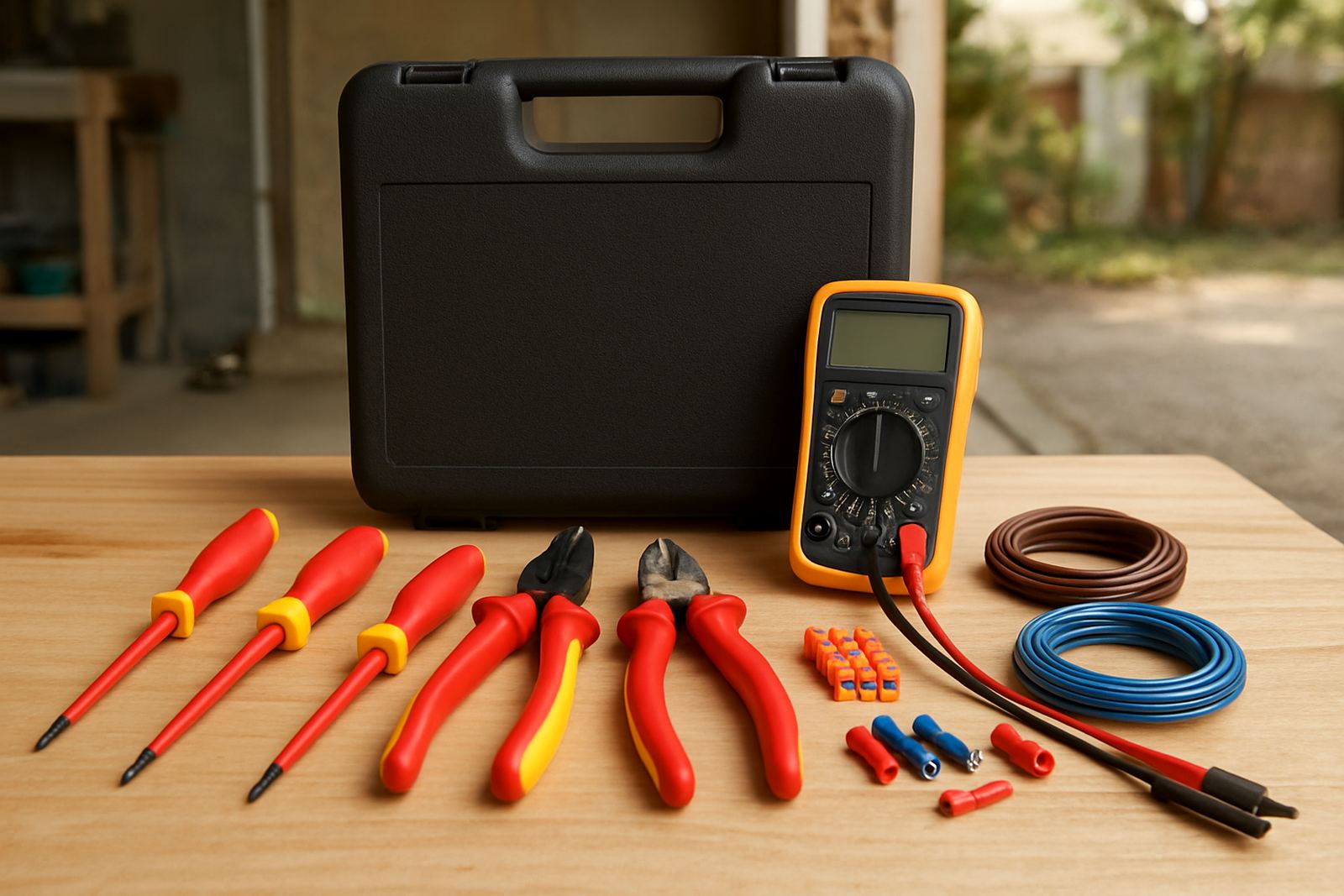
The Electrical Starter Kit is a practical set for small installation jobs, maintenance calls and fault-finding work. It suits apprentices, maintenance teams and contractors who need the basics together in one case, ready for site work in Durban and beyond.

Electrical Starter Kit

What The Electrical Starter Kit Covers

This starter kit brings together the everyday items used on light electrical work, so there is less time searching for loose tools and more time getting the job done. It is aimed at common installation and maintenance tasks in homes, shops, light industrial sites and workshop spaces, especially where quick repairs and neat cable work matter.

The kit is put together for South African trade conditions, from humid coastal work in Pinetown and Durban North to dusty inland sites and stop-start load-shedding jobs. It is not a full electricians van stock, but it gives a solid base for an apprentice, a small contractor or a maintenance team starting out.

  • Basic insulated hand tools for safe general electrical work
  • Measurement and test support for fault checks and continuity work
  • Cable preparation and fitting items for small installation jobs
  • Consumables for tidy termination, labelling and finishing

Kit Sizes And Option Choices

We keep the starter kit flexible because not every workshop needs the same mix. Some buyers want a lighter field kit for call-outs, while others need a fuller bench set for a new team or training store. The main choice is between a compact entry kit and a larger trade kit with added consumables.

When planning the right version, think about the kind of work you do most often. If your team handles lighting faults, DB board checks, socket replacements and basic cable runs, the standard setup usually covers the day to day work. If you are setting up apprentices or a new branch in Westmead or Hillcrest, the larger option may save repeat buying. It also helps when stock control needs to be simple, because the contents are easier to standardise.

  • Compact kit for light maintenance and site call-outs
  • Standard kit for everyday installation and repair work
  • Workshop plus kit for training, stock rooms and setup jobs
  • Option to bundle spare consumables for faster replenishment

Where It Suits Best

This kit suits electrical contractors, facilities teams, maintenance crews, training centres and DIY users who already know the basics and want a proper starting point. It is also a sensible choice for new tradespeople who need reliable tools without buying each item one by one. In a busy workshop, that can make the first few months simpler and more affordable.

In Durban and the coastal belt, corrosion resistance matters more than many people expect. Salt air, heat and damp storage can wear cheap tools quickly, so a practical kit should be kept dry and cleaned after use. For workshops in New Germany or Pinetown, it works well as a shared issue kit, while smaller teams in Umhlanga or Durban North often use it as a vehicle carry set for jobs across town.

  • Maintenance teams in offices, schools and retail sites
  • Electrical learners and apprentices doing supervised work
  • Small contractors needing a clean starter setup
  • DIY users doing safe, limited domestic electrical tasks

Power Needs, Site Conditions And Safe Use

The starter kit itself does not need power or gas, because it is a hand tool and accessory set. Some users pair it with battery tools, a torch, or a portable test instrument, so the kit should be stored and used with those separate items in mind. If your work depends on battery gear, keep chargers, spare batteries and a tested extension lead in the vehicle or store room.

For site use, good lighting and a basic lockable case help a lot, especially during load-shedding or after-hours call-outs. On commercial sites, check the site access rules before work starts, and make sure any electrical isolation procedures are followed before opening enclosures or touching live systems. If your jobs include outdoor runs or coastal installs, choose a storage method that keeps moisture and dust out because the tools last longer that way.

  • Keep hand tools dry and wiped clean after each job
  • Use proper isolation and lock-off procedures before testing
  • Carry a torch or headlamp for outage work and dark plant rooms
  • Store consumables in sealed packets to stop damp and dust damage

Care, Servicing And Replacement Matching

A starter kit lasts better when it is checked often and topped up before pieces go missing. Worn cutters, damaged screwdrivers and tired test leads can slow the team down, and they are better replaced early than used past their safe point. It also helps to keep a simple issue list so you know what leaves the store and what comes back.

Jameson Tools also supports tool replacement matching, which is useful when you want to keep the same feel across a team. If a tool breaks or gets lost, it is easier to replace it with a similar item than to have different handles, lengths and sizes across every bag. The kit can also be refreshed seasonally, which works well before busy maintenance periods or when stock needs sorting after a long wet summer.

  • Inspect insulated items for cuts, cracks and loose fittings
  • Check blades, cutters and drivers for wear before issue
  • Keep fasteners, cable ties and labels restocked
  • Record missing items so the next order stays accurate

What To Check When Ordering

Before placing an order, check the size of the team, the type of work and whether the kit will live in a workshop, a vehicle or a shared store. That tells you how much carry capacity, how many consumables and what level of test support you need. It also helps avoid buying a kit that is too small for daily use or too broad for a learner who only needs the basics.

For trade accounts and courier delivery, it is best to confirm the delivery point, contact person and any site rules for receiving stock. If you need several kits for different branches, stock list standardising can make reordering easier across Pinetown, Westmead, Hillcrest and the Durban area. If you are building a first stock room, we can also help with starter kit bundling so you are not left short on the small items that always get used first.

  • Confirm whether you need a compact, standard or workshop kit
  • Check if test items, bags or cases must be included
  • List the consumables you use most often on site
  • Make sure the delivery address and contact number are correct

Key facts

Product typeElectrical starter kit for installation, maintenance and fault-finding
Typical useLight electrical work, learner training, maintenance call-outs
Kit formatCarry case or bundled set depending on order
Power requirementNo direct power or gas required
Recommended conditionsIndoor workshop, vehicle stock, or dry lockable store
DeliveryNationwide courier from Pinetown, Durban

What clients say

Questions we get asked

Is this kit suitable for apprentices?

Yes. It is a practical starting point for supervised learning, workshop familiarisation and basic site work.

Can the kit be adjusted for my team?

Yes. The contents can be matched to your job type, team size and preferred consumables, so you do not pay for items you will not use.

Do you deliver outside Durban?

Yes. We arrange nationwide courier delivery, with dispatch from our Pinetown base.

Planning something? Email the team.

orders@jameson.co.za