Built for daily mechanical work
The Mechanic Starter Kit is put together for the jobs that come up every day in a service bay or small fleet workshop. It gives you a practical base set for stripping, fitting, tightening, measuring and general maintenance, without loading the bay with items you will not use. If you are opening a new workshop or adding another line bay, this is a sensible way to start.
The kit suits vehicle repairs, light commercial maintenance, plant support and mobile mechanics who need a compact set that can travel with the work. It is also useful for training spaces where new staff need to learn the basics in a controlled way. Some customers use it as a first buy and then expand it section by section as the workload grows.
What is included in a mechanic starter kit
We keep the contents practical and trade-focused. A typical kit brings together the hand tools and accessories most commonly used on engines, brakes, suspension and general workshop tasks. Exact item mix can be adjusted to suit the bay, the vehicle mix and the skill level of the team.
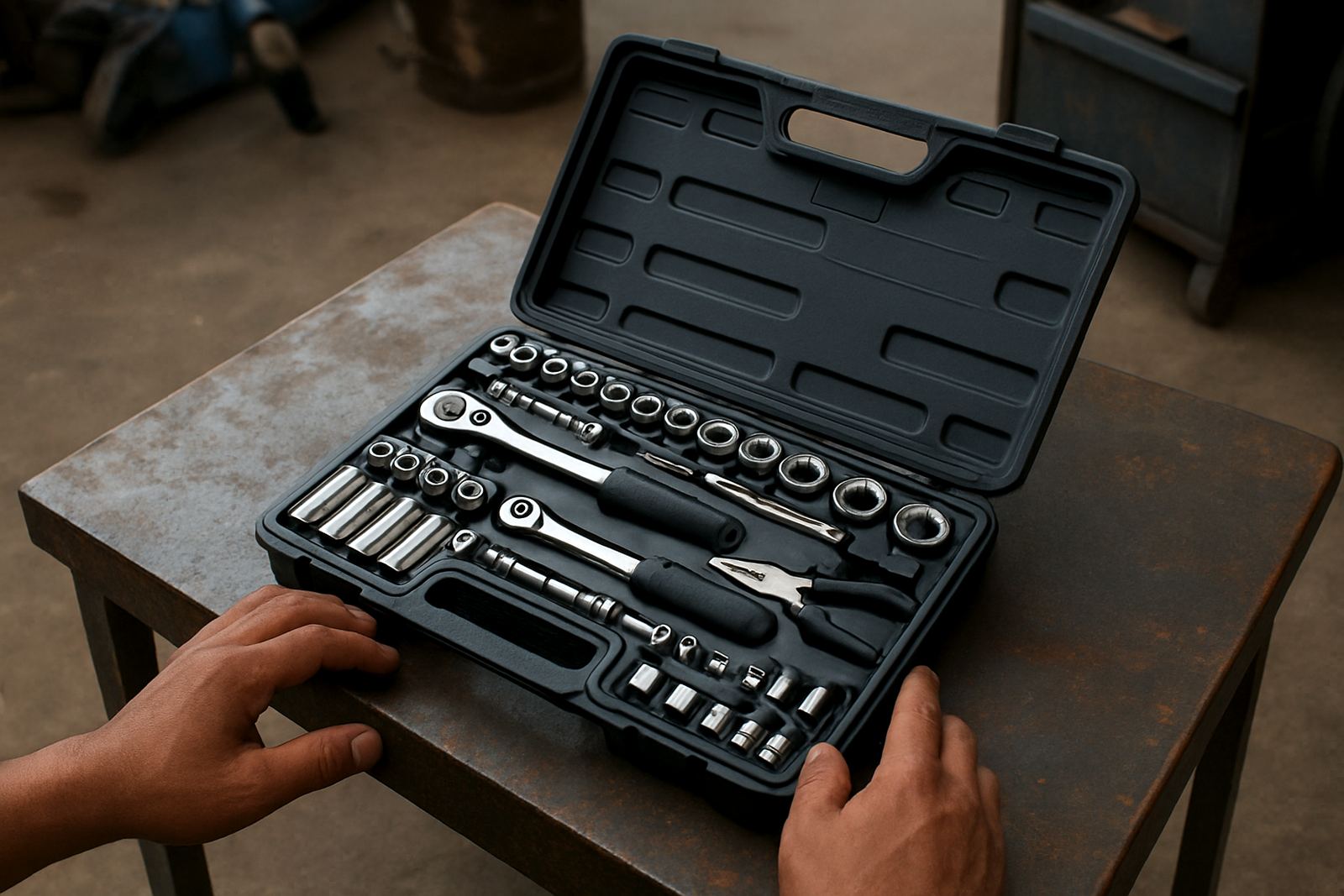
- Spanner set and socket set in the common workshop sizes
- Ratchet handles, extensions and adaptors
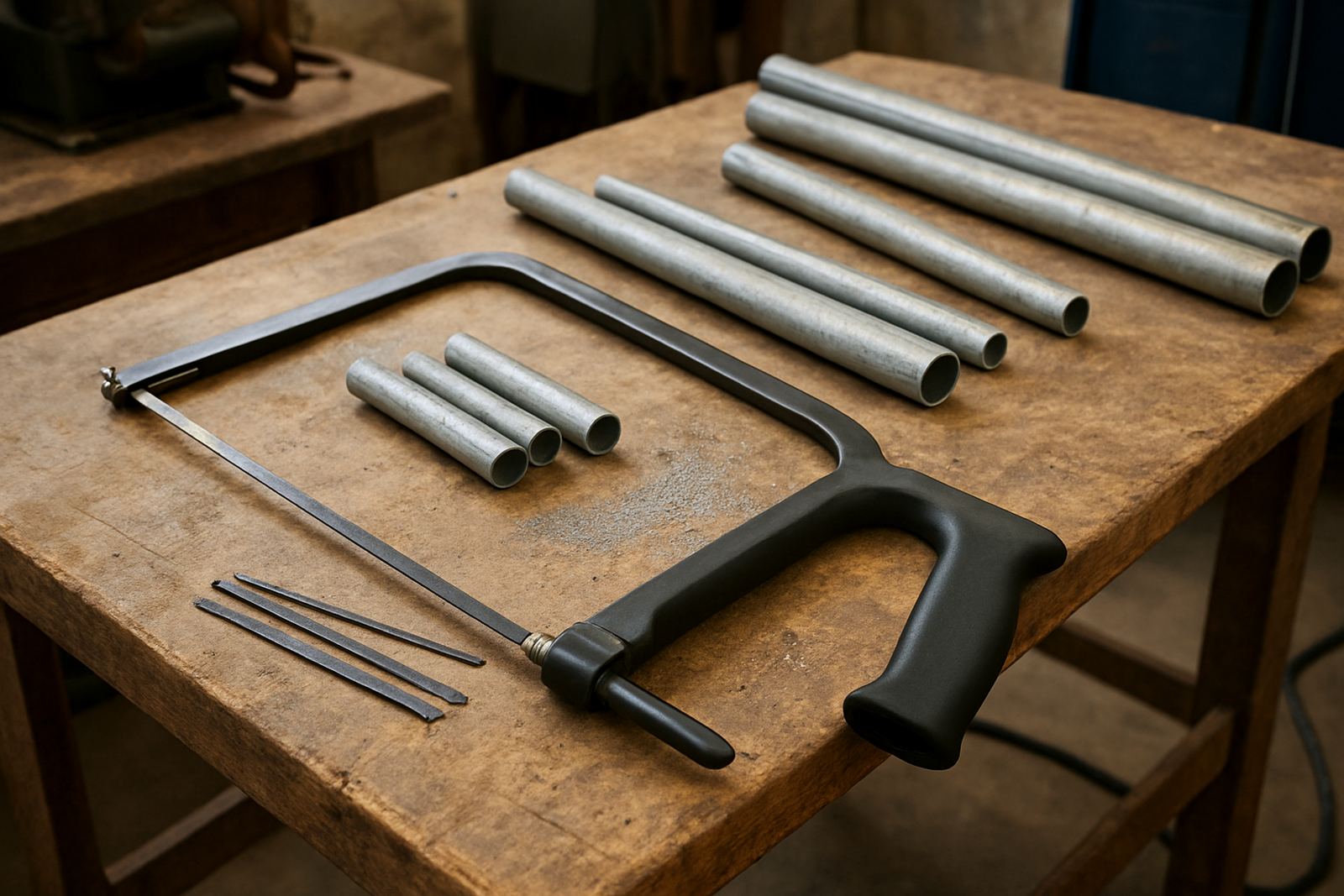
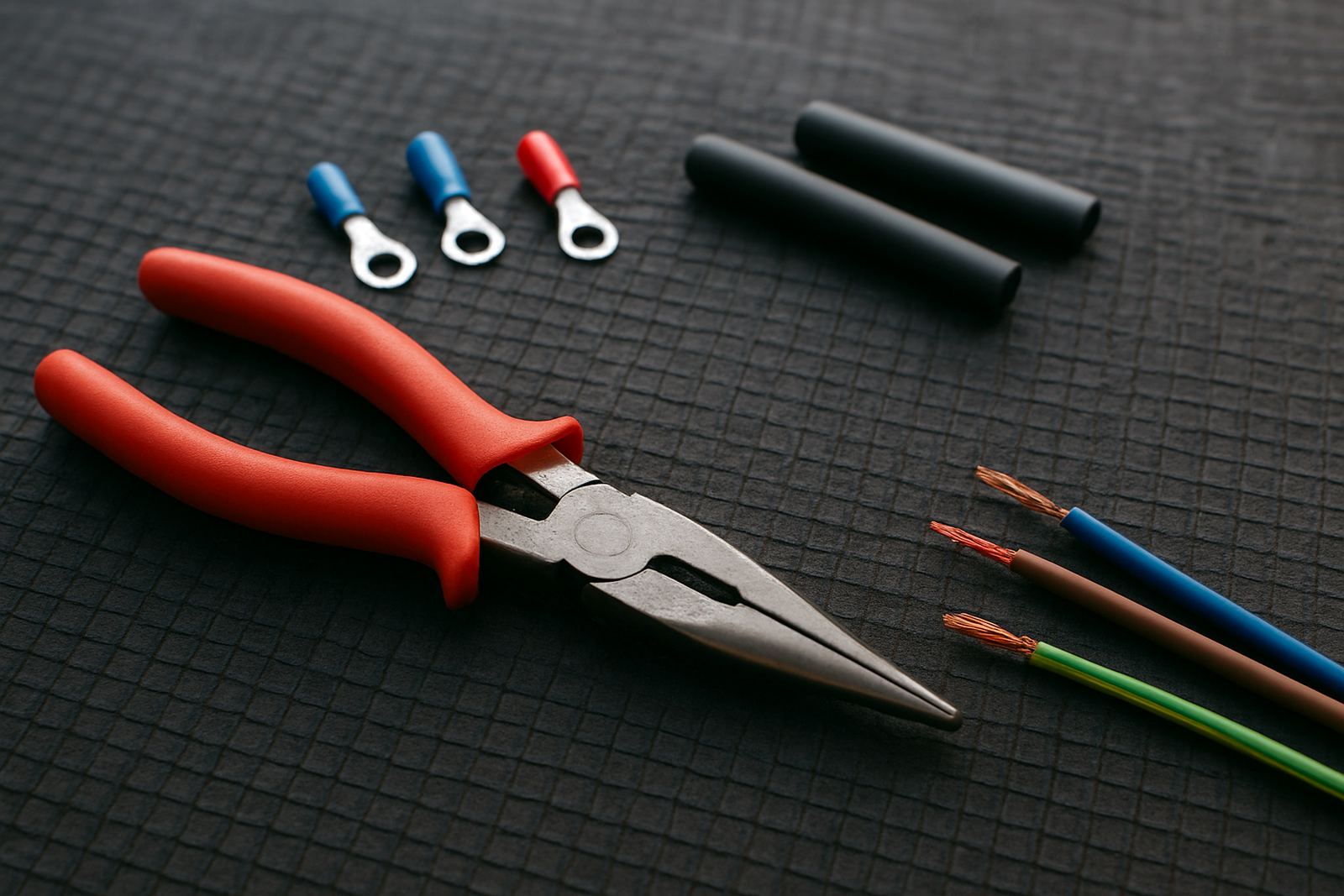
- Screwdrivers, pliers and cutting tools
- Allen key and Torx style driver ranges where needed
- Torque tool options for controlled tightening
- Inspection torch, tape measure and marking tools
- Consumable hand items such as blades, bits and clips
For many buyers, the key benefit is not only the tools themselves but the way the kit is arranged. A new technician can find the right piece quickly and get on with the job, instead of wasting time hunting through mixed stock. That saves time every week and helps keep the bay moving, even when the day gets busy.
Sizes and options for different workshops
Starter kits are available in more than one size so you can match the contents to the work you actually do. A smaller kit is useful for a single bay, a roadside support van or a home workshop taking on weekend jobs. A larger option works better for fleet maintenance rooms, training bays and repair shops that need a wider spread of sizes.
- Compact kit: best for mobile use and basic service work
- Standard kit: suits mixed mechanical repairs and regular workshop use
- Expanded kit: for higher volume bays and more varied vehicle work
- Custom bundle: built around your stock list, tools already on hand and the jobs you take on most
If you are setting up more than one bay, we can help standardise the kit across the team so everyone is working from the same layout. That makes it easier to reorder, train new staff and track missing items before they become a problem.
Where the kit suits best
This kit is a good fit for service bays in Pinetown, New Germany and Westmead where space must be used properly and the work pace stays steady through the week. It also suits workshops in Hillcrest, Durban North and Umhlanga where fleet vehicles, light delivery vans and passenger cars need regular attention. Coastal humidity near Durban can be hard on tools, so keeping a tidy kit with proper storage matters more than many people think.
It is equally useful for trade schools, municipal support workshops and independant operators building up a first serious tool base. If your operation has load shedding, the kit can be paired with portable lighting, manual inspection tools and battery-powered accessories so work does not stop when the power does. That matters for roadside jobs and after-hours maintenance too.
Installation, storage and power needs
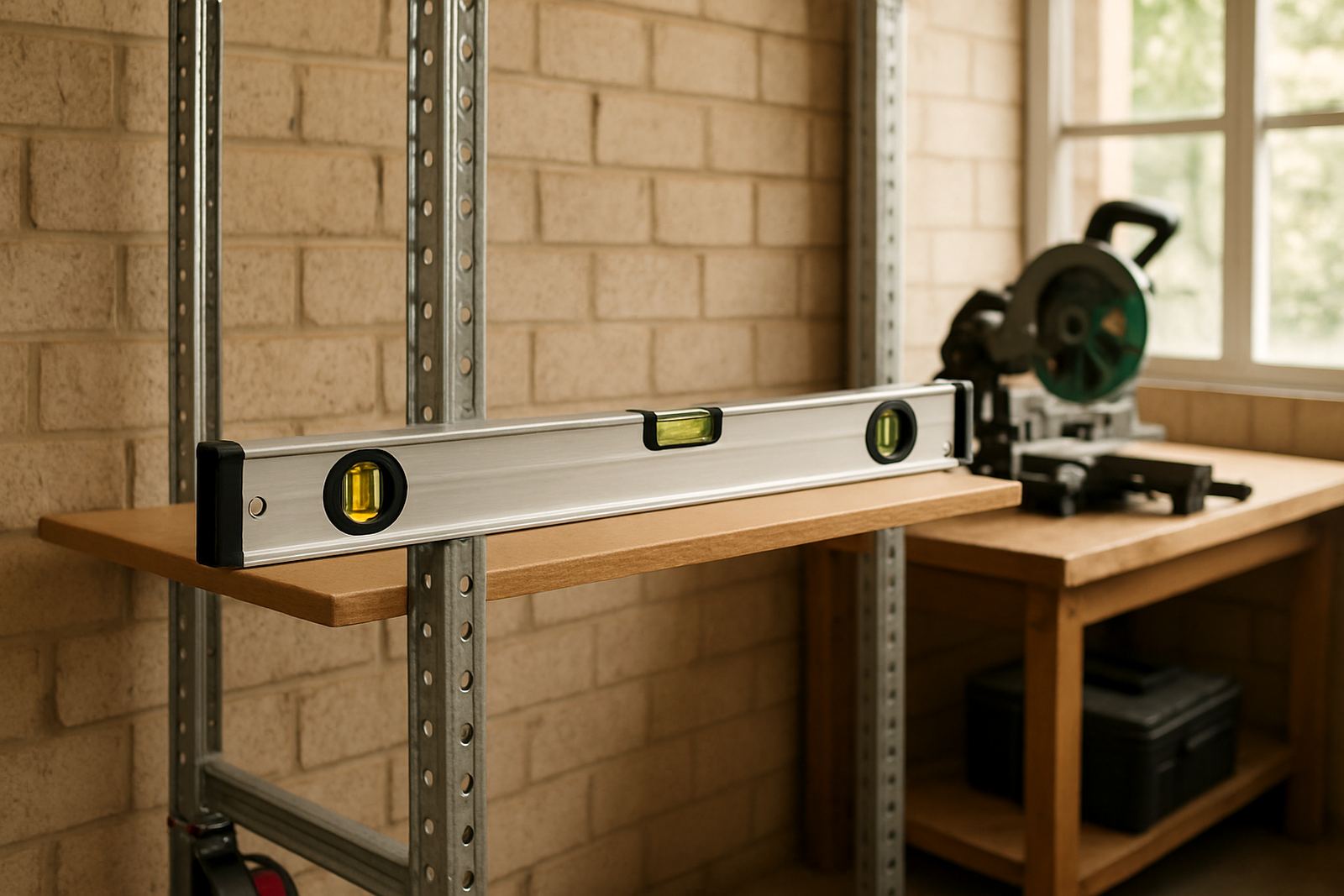
The Mechanic Starter Kit itself does not need installation in the electrical sense, but it does need a proper home in the workshop. We recommend a clean storage cabinet, mobile trolley or fitted bay arrangement with labelled drawers. Keep heavier sockets and spanners near waist height and store the smaller pieces in trays or inserts so they do not go missing.
There are no gas requirements for the kit, although some workshops pair it with air tools, cordless tools or welding gear. If you are building out a bay from scratch, check your compressor output, battery charging plan and power backup before you place the order. A mechanic kit works best when it sits alongside the right support equipment and not as a pile of loose items on a shelf.
- Allow enough space for a trolley or cabinet footprint
- Plan for charging points if you use cordless accessories
- Keep the kit away from spray wash areas and chemical fumes
- Use lockable storage where multiple staff share the bay
Care, servicing and replacement planning
Good care keeps the kit useful for years. Wipe tools down after use, especially in humid coastal areas where surface rust can start quickly if items are left damp. Check ratchets, extensions and driver bits for wear, and replace damaged parts before they affect the job. It sounds simple, but a kit only stays complete if someone checks it properly and puts things back where they belong.
We also help with consumables replenishment and tool replacement matching, so if a socket cracks or a driver set goes missing, you can replace the right item instead of buying random extras. For busy shops, a quarterly stock check works well. It lets you catch slow losses, keep common sizes in stock and avoid delays on jobs that should have been finished already.
What to check before you order
Before ordering, look at the vehicle types you service, the kind of repairs you take on most and the experience level of the person using the kit. A general service bay needs a different mix to a diesel fleet bay or an engine rebuild station. Also check whether you want metric only, a mixed range or a kit that includes more specialist fastening tools.
- Common fastener sizes in your workshop
- Whether you need metric only or mixed ranges
- The number of technicians sharing the kit
- Storage space available in the bay
- Any training needs for junior staff
- Courier delivery timing and receiving hours at your premises
Our team in Pinetown can help with tool kit planning, starter kit bundling and on-site tool inductions where needed. If you are ordering for multiple branches or want one standard list across the business, we can also help tidy the order before dispatch. That keeps the kit practical from day one, and avoids buying too much of one thing while missing the items you use most.
Key facts
| Product type | Mechanic starter kit for workshop and service bay use |
|---|---|
| Typical sizes | Compact, Standard, Expanded and Custom bundle options |
| Main use | Service work, fleet maintenance, general mechanical repairs |
| Tool content | Spanners, sockets, ratchets, screwdrivers, pliers, bits and accessories |
| Storage | Supplied for cabinet, trolley or bay-based storage planning |
| Supply | Courier delivery nationwide from Pinetown, Durban |