What A Torque Wrench Does In Daily Workshop Work
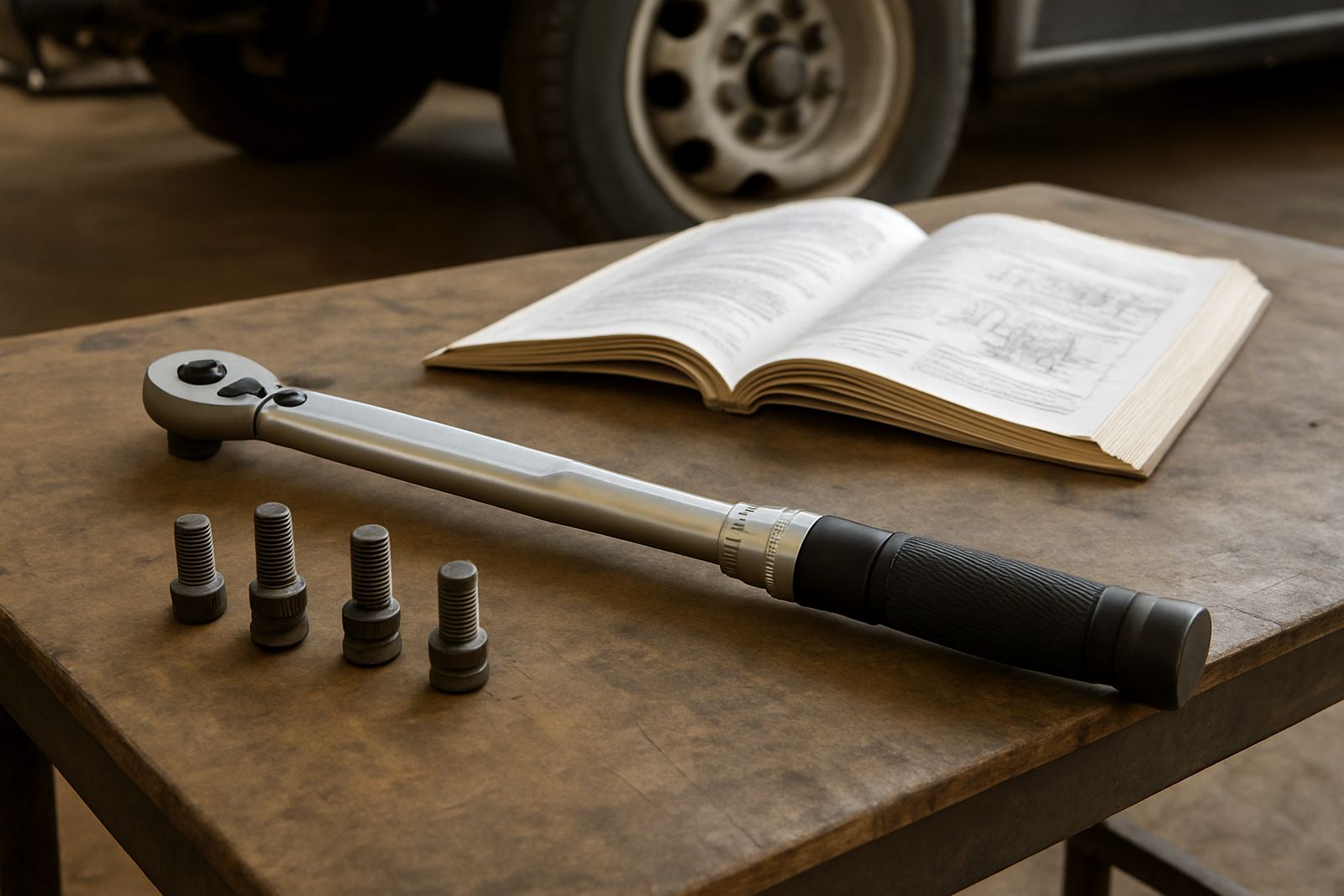
A torque wrench is a calibrated hand tool that lets you tighten fasteners to a set torque value, usually measured in Nm. That matters anywhere a fastener must hold properly without being crushed, stretched or left too loose. On a busy workshop floor, it removes the guesswork that often comes with a normal ratchet or spanner.
In practical terms, the wrench is set to the required value and then used like a standard socket wrench. When the fastener reaches the set torque, the tool gives a clear signal depending on the type, such as a click or an indication on the scale. That helps with repeat work across engines, brackets, machine guards and light fabrication jobs.
- Useful for controlled tightening on critical assemblies
- Helps maintain repeatability across multiple bolts
- Reduces the risk of stripped threads and warped parts
- Suitable for professional trade work and careful DIY use
Sizes, Drive Options And Typical Torque Ranges
We supply torque wrenches in the common drive sizes used in South African workshops, so you can match the tool to the fasteners and the job. Smaller drive sizes are usually used for light-duty assembly and bicycle or appliance work, while larger drive sizes suit vehicle repairs, plant maintenance and heavier workshop tasks.
Typical options include 1/4 inch, 3/8 inch, 1/2 inch and 3/4 inch drive. For most general trade use, 3/8 inch and 1/2 inch are the practical choices. A 1/4 inch drive is handy for finer work where lower torque values are needed, while a 3/4 inch drive is used where higher torque levels are required. Some models are dual-scale, showing Nm and ft-lb, which helps if you work from mixed manuals or imported equipment.
- 1/4 inch drive for lower torque and smaller fasteners
- 3/8 inch drive for light workshop and service work
- 1/2 inch drive for general mechanical and automotive work
- 3/4 inch drive for heavier fastening requirements
Lengths vary by drive size and torque range. A longer wrench gives better control in higher ranges, while shorter models are easier to use in tight spaces. If your workshop handles mixed repairs, it is often worth keeping at least two torque ranges on hand so no one is forcing a small wrench past its intended working range.
Where It Suits In Durban, Coastal Areas And Inland Workshops
This tool suits workshops that need dependable tightening in conditions where equipment gets used daily and sometimes roughly. In Durban, Pinetown, Westmead and New Germany, it is commonly used in vehicle servicing, machine fitting, panel work and general maintenance. It also makes sense for Hillcrest, Durban North and Umhlanga sites where smaller service teams need accurate work without carrying a full drawer of specialised tools.
Coastal humidity can affect tools that are not stored properly, so a torque wrench should be kept clean and dry after use. On sites with load-shedding or generator-backed operations, the benefit is that the wrench itself does not rely on power, gas or batteries. You can use it anywhere the job is ready and the fasteners need correct tension, even if the rest of the workshop is running on backup power.
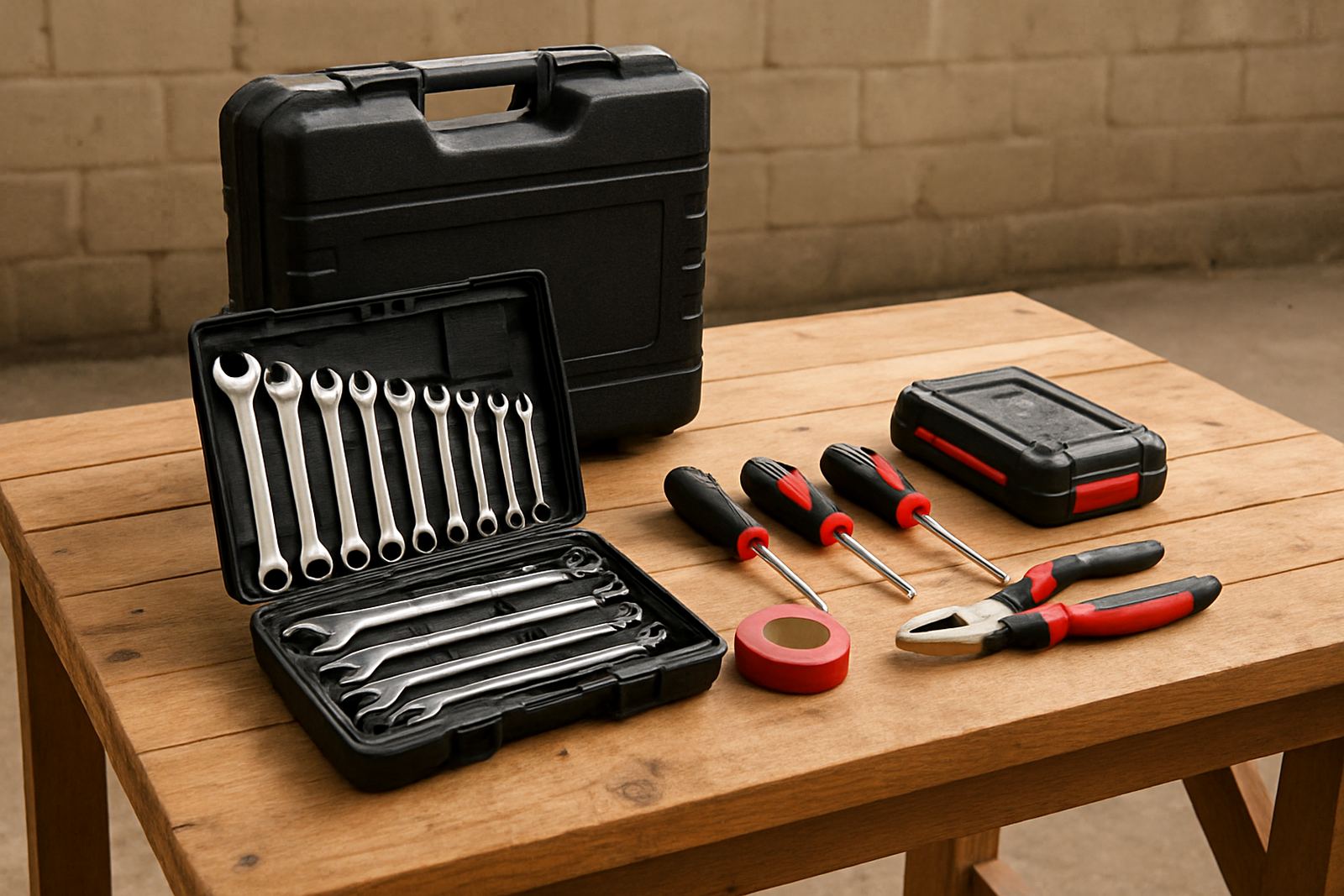
For field service teams and mobile technicians, the wrench is also easy to carry with a socket set in a service bag or case. That makes it practical for on-site work where time is tight and the first fixing often needs to be right the first time, no second guesses.
How To Use It Correctly On Installation And Assembly Jobs
There is no power or gas requirement for the torque wrench itself. It is a manual tool, so the main requirement is using the correct socket, the correct drive size and the right torque setting from the equipment manual or fitting schedule. If the job has a sequence pattern, such as a cover, plate or wheel pattern, the tightening order should be followed carefully.
Before use, check that the fastener threads are clean and that any washers, seals or mating surfaces are seated properly. Set the wrench to the specified value, tighten smoothly and stop as soon as the signal is reached. Do not use the wrench as a breaker bar, and do not keep pulling after it clicks. That sort of handling can throw the calibration off and damage the fastener.
- Use the correct socket and drive size for the task
- Follow the specified tightening sequence where required
- Do not exceed the wrench’s working range
- Reset the setting after use if the model requires it
On install jobs, especially where fittings are checked by a client or inspector, a torque wrench gives you a clean record of care and consistency. It is a small detail, but it can save time when there is a dispute about whether a fastener was tightened properly.
Care, Calibration And Storage Between Jobs
Like any precision tool, a torque wrench needs sensible care. Store it in a dry place, wipe it after use and keep it in its case or rack so the scale and adjustment mechanism do not take unnecessary knocks. In coastal areas, it is wise to avoid leaving it in a bakkie or open toolbox for long periods where damp air can get in.
Calibration should be checked at planned intervals, especially in workshops that use the wrench every day. If a tool has been dropped, overloaded or used outside its range, it should be checked before further use. A worn or unverified wrench can lead to repeat failures, loose assemblies or bolts that are far tighter than intended, which is not something you want on a busy site.
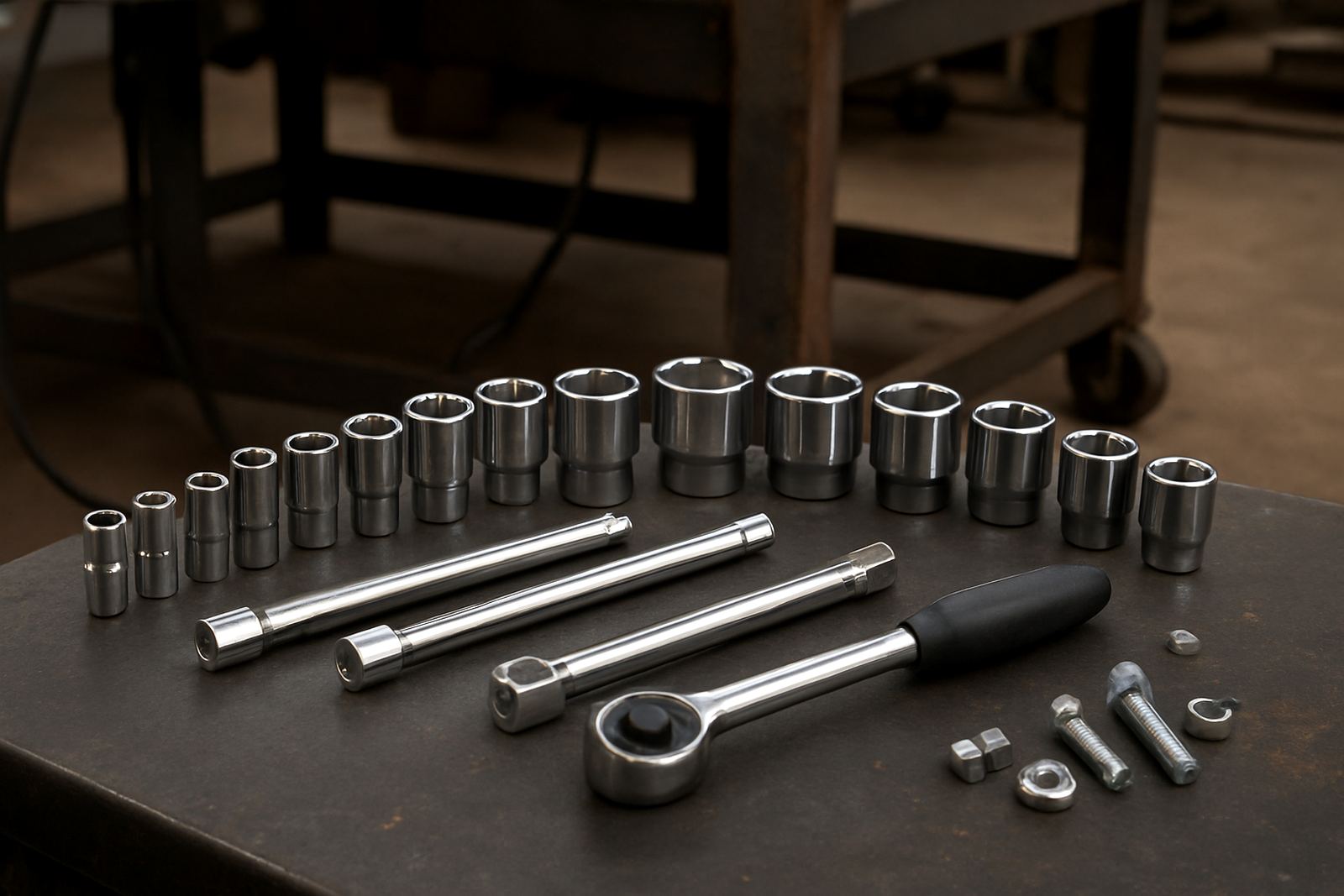
For ongoing workshop maintenance, we also advise pairing the wrench with a clean socket set and regular consumable checks. A damaged socket or poor-fitting extension can affect the feel of the tool and the final result, so the whole setup should be in good order.
What To Check When Ordering For Your Workshop
When you order a torque wrench, the most important thing is matching the tool to the work you actually do. A light service workshop and a fabrication shop will not need the same range, and there is no value in buying a tool that is too small for the fastening loads you see every week. If you are setting up a new workshop or replacing old equipment, we can help with tool kit planning and replacement matching.
Have the following details ready when you enquire or place an order: the drive size you need, the torque range, whether you want Nm only or dual-scale, and what type of work the tool will cover. If the wrench is for a starter kit or for multiple technicians, it also helps to know whether you want one shared unit or several units split by task.
- Drive size needed: 1/4 inch, 3/8 inch, 1/2 inch or 3/4 inch
- Required torque range and preferred scale units
- Main use: automotive, assembly, maintenance or general trade
- Whether the tool needs a storage case
- Any matching sockets or accessories to include
- Delivery address and whether you need courier coordination
Based in Pinetown, Durban, Jameson Tools supports customers across the country with courier delivery and practical trade advice. If you need help choosing a torque wrench for a workshop starter kit, seasonal refresh or day-to-day replacement, our team can guide the selection so you order the right tool first time, not after a return.
Key facts
| Tool type | Calibrated torque wrench |
|---|---|
| Drive sizes | 1/4 inch, 3/8 inch, 1/2 inch, 3/4 inch |
| Torque range | Model dependent, supplied by application |
| Scale | Nm and selected models dual-scale with ft-lb |
| Power or gas requirement | None, manual hand tool |
| Typical use | Controlled tightening for assembly, repair and maintenance |