Planning the Bench, Rack and Walkway Flow
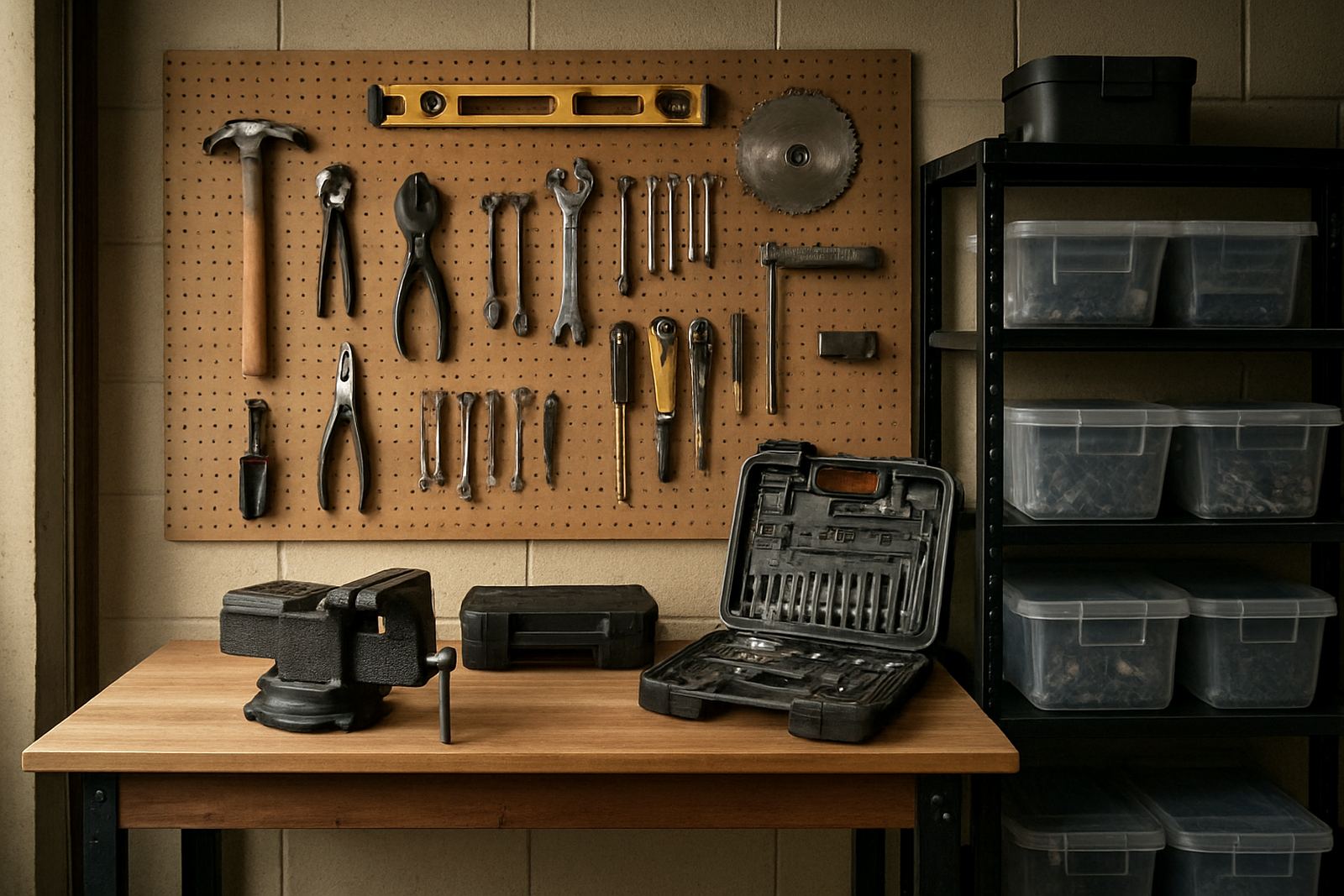
A carpentry shop works better when the layout matches the sequence of the job. Cutting, dry assembly, hardware fitment and packing should have their own clear areas so timber is not dragged back and forth across the room. In Durban humidity, leaving timber and fittings stacked too close to the floor or against a damp wall can lead to swollen stock and scratched finishes. Keep the heavier tools near the main bench and the smaller items in clearly marked storage so the team can find what they need without slowing the day.
When setting up the room, think about movement around long boards and panel stock. Narrow walkways create damage and make it harder to clamp safely. If you are working near load-shedding prone areas, it also helps to separate battery charging, hand tool storage and the main fitting area so the shop can keep going with less disruption. A simple plan with fixed zones usually beats a crowded one, and it makes stock counts easier too.
- Place measuring and marking tools near the main workbench
- Store clamps by size so the right one is easy to reach
- Keep accessories and consumables in labelled tubs or drawers
- Leave enough space for sheet material and long timber lengths to turn safely
Starter Kits for New Carpentry Teams
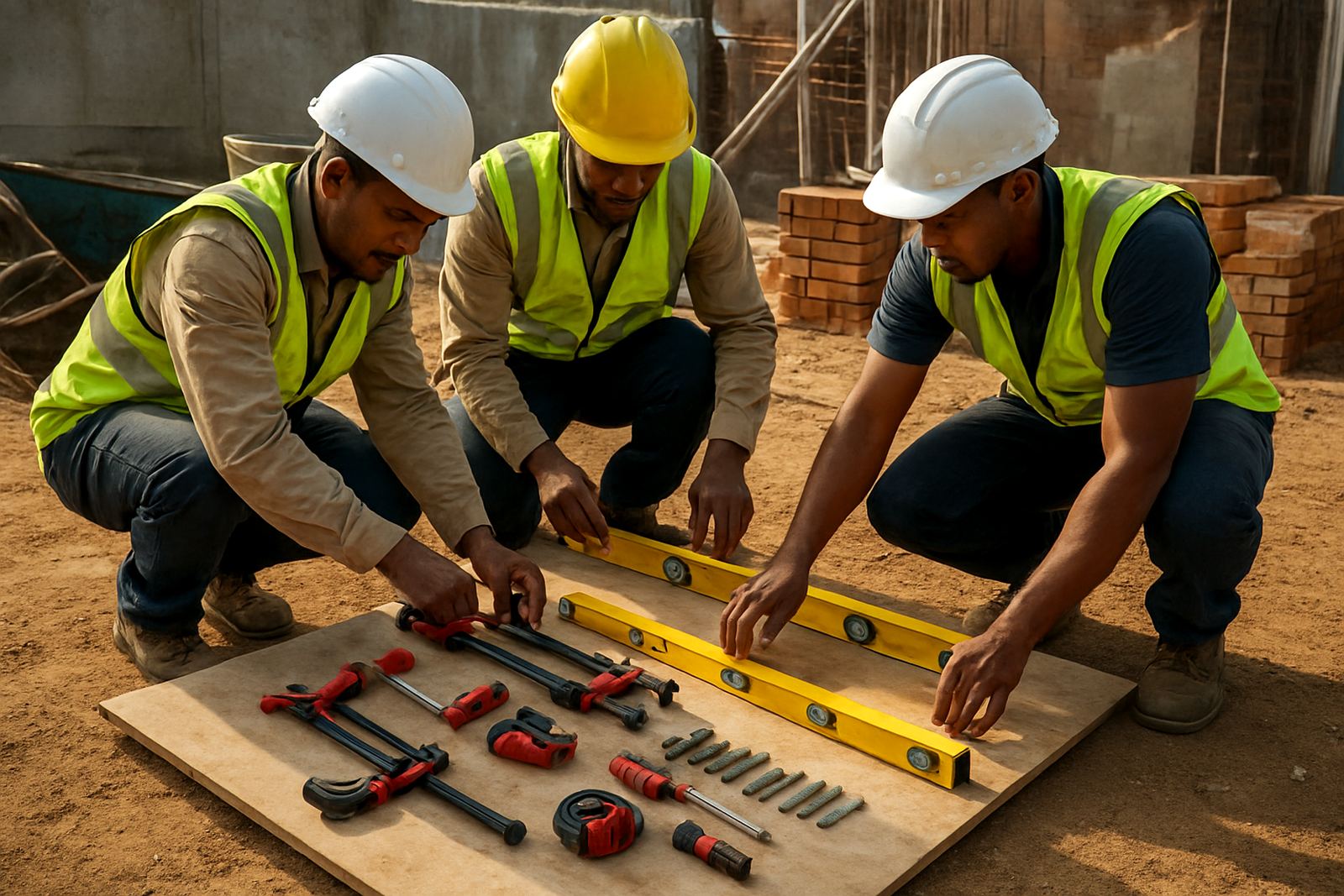
For new businesses and growing teams, a starter kit bundling approach keeps spending under control. Instead of buying random tools one by one, you can group the essentials into a practical set for apprentices, fitment crews or a fresh workshop. This also helps with stock list standardising, because every team member knows what belongs in the kit and what must be returned after the job.
A sensible entry-level setup for a carpentry shop in South Africa may start from about R3 500 to R8 000 for basic hand tools and accessories, depending on the size of the team and the number of items included. A more complete workroom package with better clamping, extra measuring tools, drill and driver accessories, and workshop consumables can run from R12 000 to R30 000 or more. Bigger shopfitters and cabinet teams often go higher once they add replacement stock and spare sets for site work. Not every business needs to buy all at once, but it helps to map the first 90 days of use before placing the order.
Jameson Tools supports tool kit planning for teams that want order and not just a pile of boxes. That means matching the kit to the kind of timber work you actually do, whether that is panel assembly, trim fitting or repeat production jobs.
Common Mistakes That Slow Down Timber Work
The biggest mistake in carpentry shops is underbuying the small items and overspending on the headline tools. Many teams forget that bits, blades, sanding discs, clamps and marking tools are what keep jobs on schedule. Another common issue is mixing cheap low-accuracy measuring gear with quality cutting tools. If the measurements are off, the cut will be off too, and then the whole job becomes patch-up work.
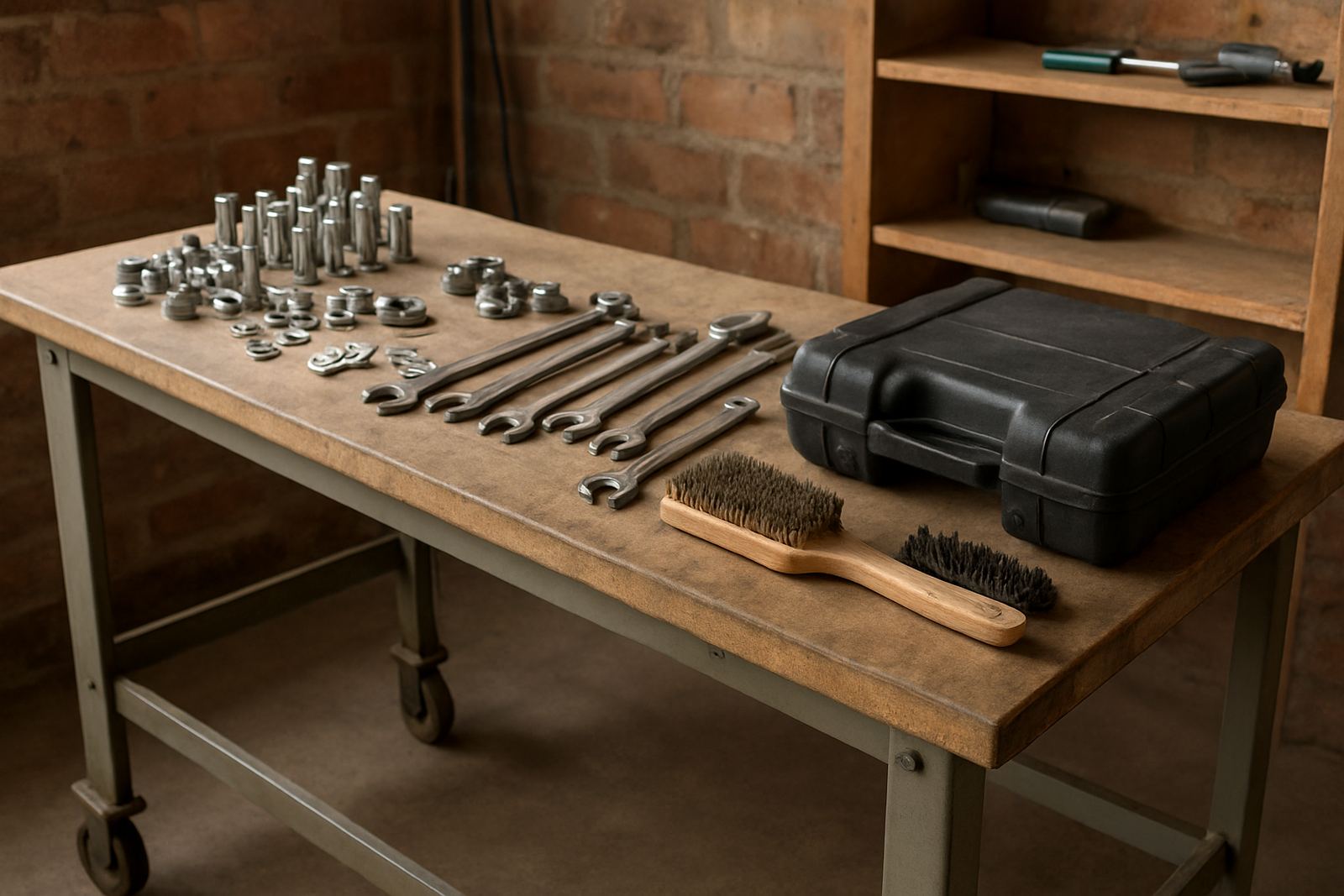
Another error is not matching tool length and size to the actual space. A clamp that is too short wastes time. A square that is too small makes larger panels harder to check. Shops in coastal areas often see extra wear from humid air and dust, so storage matters. Tools should be cleaned and returned daily, not left open on benches where moisture and sawdust can settle overnight. It sounds simple, but this one habit saves a lot of replacement cost.
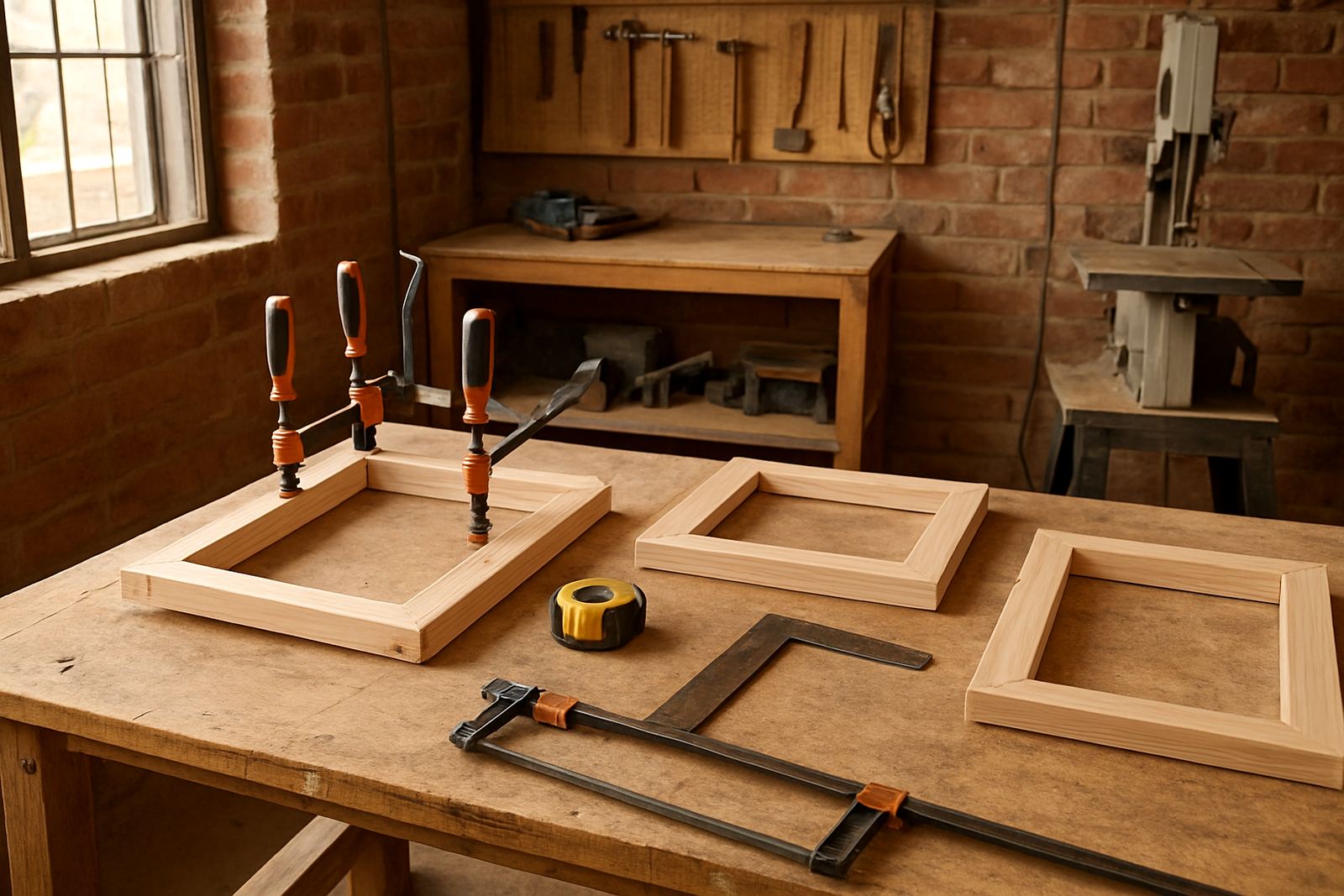
- Buying too few clamps for glue-up and assembly work
- Using worn accessories until they spoil the finish
- Keeping no spare consumables for busy weeks or breakdowns
- Ignoring storage conditions in humid or dusty workshops
Replacement Matching and Consumables Replenishment
Once a carpentry shop is running, the focus changes from first setup to replacement matching and steady replenishment. This is where a practical supplier makes life easier. If a bit set wears out, a clamp handle cracks or a measuring tool goes missing, the replacement should match the existing gear closely enough that the team does not have to relearn the setup. That keeps output steady and reduces downtime.
For regular workshop use, consumables should be reviewed monthly and before busy trading periods. Many shops find it useful to order small top-ups every few weeks rather than waiting for a full stock-out. That approach works well for businesses in Pinetown, New Germany and Durban North, where courier delivery can be used to keep the bench stocked without sending staff across town. We also help with trade account support for regular buyers who need consistent ordering and cleaner paperwork.
Training, Inductions and On-Site Guidance for Teams
Good tools do more when the team knows how to use them properly. That is why some carpentry shops ask for on-site tool inductions when they bring in new staff or change over to a different fitment process. A short session on clamp use, measuring habits, storage and accessory care can prevent avoidable damage and reduce wastage from the start.
Training resources are especially useful for mixed teams with experienced artisans and newer assistants. The aim is not theory, it is practical working habits. In a busy workshop, the little things matter: returning clamps to the right rack, checking accessory wear before a job starts, and keeping measuring tools out of moisture. When these habits stick, the shop runs cleaner and the spend on replacements drops over time.
For businesses setting up in Westmead, Hillcrest or Umhlanga, we can also help standardise the stock list so the same core items are used across the workshop. That makes ordering simpler and helps with seasonal workshop refresh planning when you want to tighten up the room before a busy period.
How to Budget for a Practical Carpentry Shop
A workable budget depends on whether you are setting up from scratch, replacing worn stock or expanding to handle more fitment work. As a rough guide, a small carpentry shop can start with a basic kit and accessories budget from around R5 000 to R10 000 if the focus is only on essentials. A growing workshop that needs multiple clamp sizes, extra measuring gear, spare accessories and organised storage may look closer to R15 000 to R35 000. Larger fitment operations and production workshops can spend well above that when they add team kits and regular replenishment.
The smart way to budget is to divide spending into three parts: items used daily, items that get replaced often, and items that support the team but do not need constant renewal. That keeps the shop ready for work without tying up cash in gear that sits unused. If you are unsure where to start, we can help you build a list that fits the size of your shop and the type of timber work you do, with courier delivery nationwide from our base in Pinetown.