Start With the Jobs You Actually Do
The best first shopping list comes from the work you do at home now, not the jobs you imagine doing one day. If you service a bakkie, hang shelves, fix gates, build planters or cut timber for small repairs, write those tasks down first. That tells you whether you need more measuring gear, fastening tools, cutting tools or electrical basics.
In Durban and Pinetown, home garages also have to handle heat, dust and humidity, so it makes sense to buy tools that can be stored safely and used often without fuss. A good rule is to spend first on the items you will reach for every month, then add the specialist pieces later.
- List the top 10 jobs you do around the house
- Mark which jobs happen every month, not once a year
- Separate cutting, fixing, measuring and cleaning tasks
- Note what already works and what keeps failing
The First 12 Tools Every Small Garage Needs
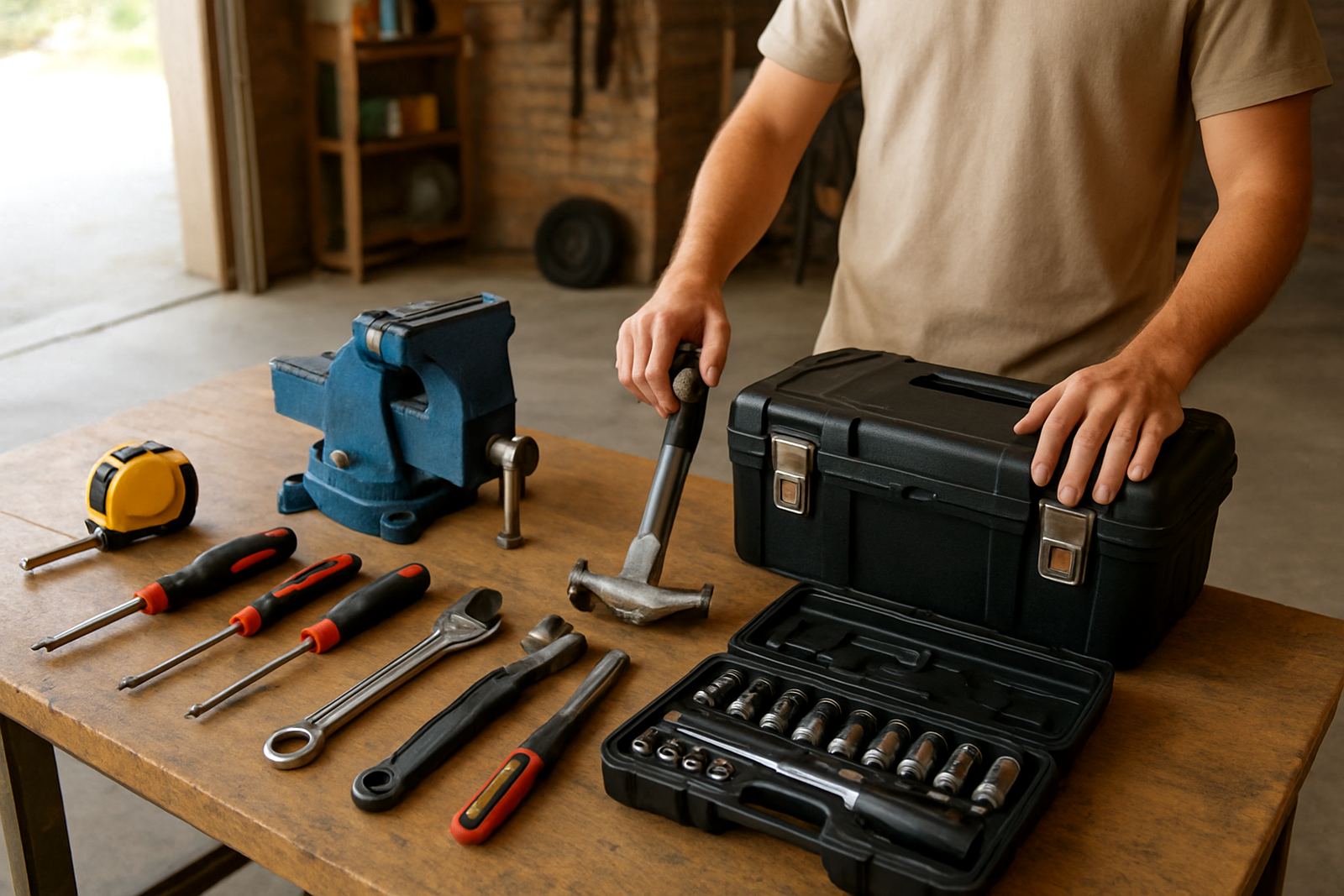
If you are setting up from scratch, start with a proper hand-tool core. This gives you enough reach to do useful work without filling the garage with kit you will not use. Choose durable sizes and buy a few good items instead of a whole box of light-duty bits that strip or bend quickly.
For most home garages, the first purchase list should cover measurement, tightening, cutting, striking and basic holding. If you keep tools in a coastal area, look after them with dry storage and a wipe-down after use, because rust comes quickly once the air is damp.
- Claw hammer and small engineer’s hammer
- Screwdriver set with flat and Phillips heads
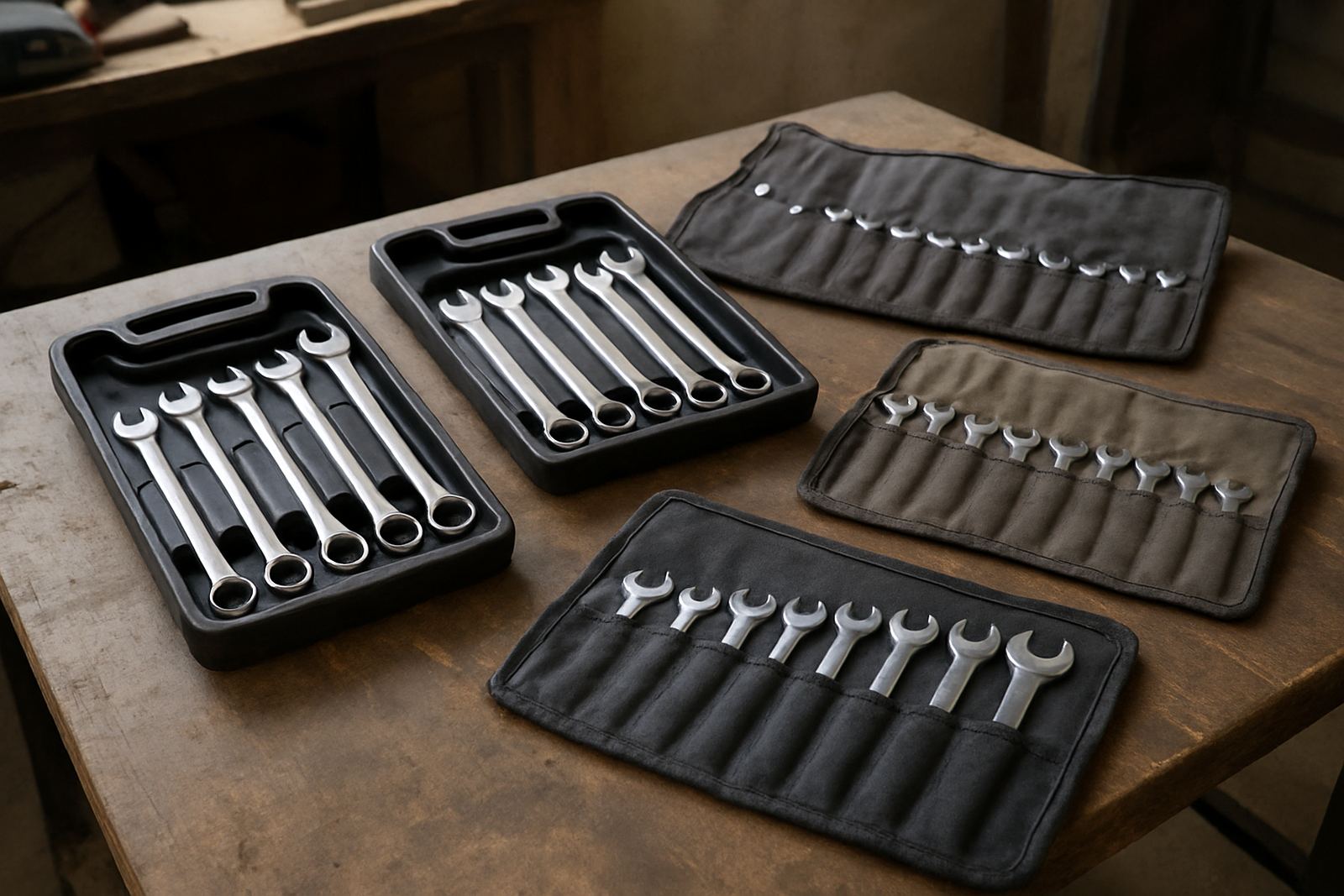
- Combination spanner set
- Adjustable spanner for odd sizes
- Pliers: long nose, combination and side cutter
- Utility knife with spare blades
- Steel tape measure
- Spirit level
- Hacksaw with spare blades
- Set of hex keys
- Basic socket set
- Locking pliers or clamps
Power Tool Accessories Before Power Tools
A lot of home workshop frustration comes from buying a tool and then finding you have no proper consumables for it. If you already own a drill or grinder, make sure you can use it well. The right accessory pack often gives you more value than a second power tool, especially for a first garage setup.
In South African homes, power cuts also affect how you plan work. Manual tools still matter because they keep the job moving when load-shedding interrupts battery charging or a small compressor is not ready. Build the list around what you can finish by hand if needed.
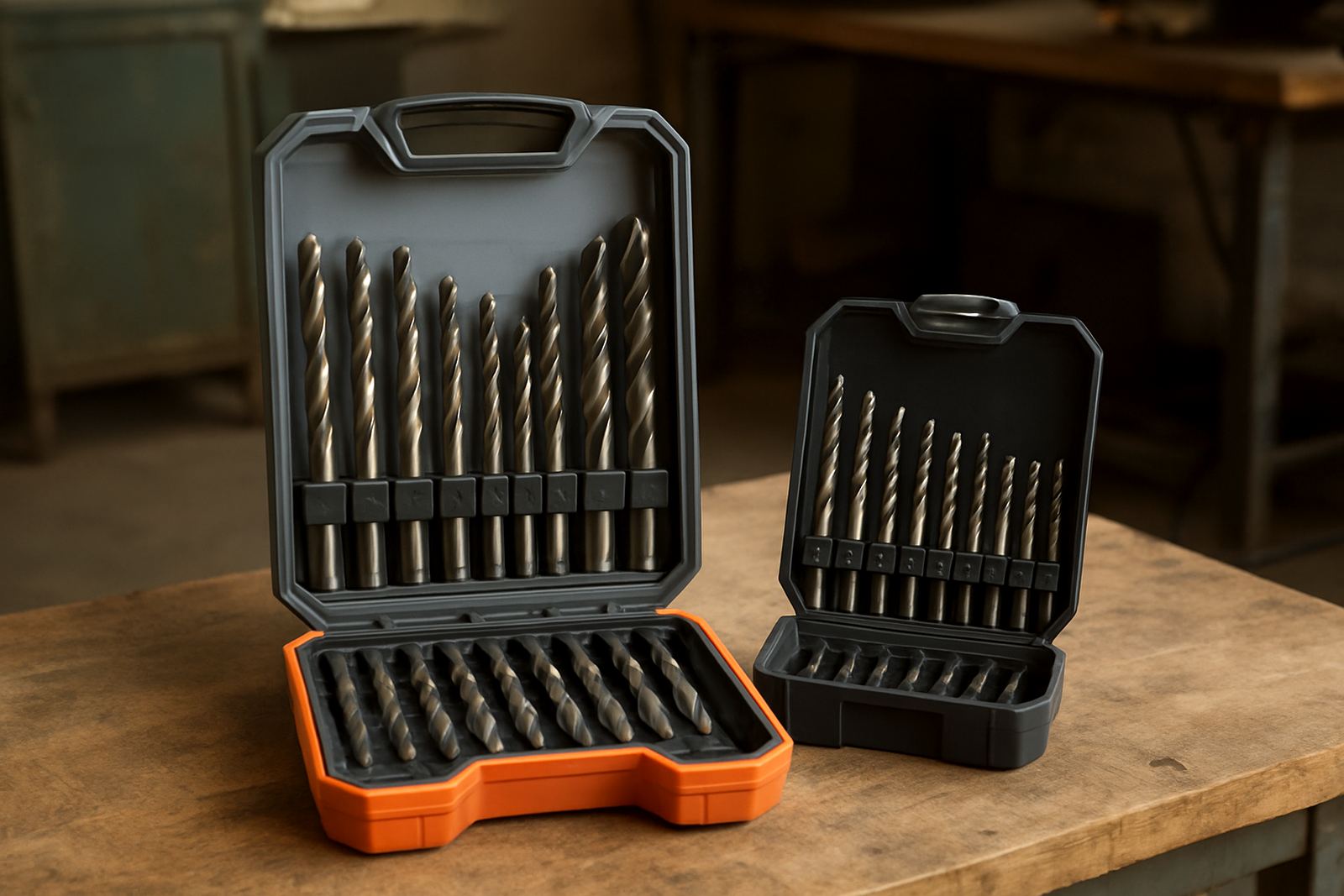
- Drill bit sets for metal, wood and masonry
- Driver bits and bit holder
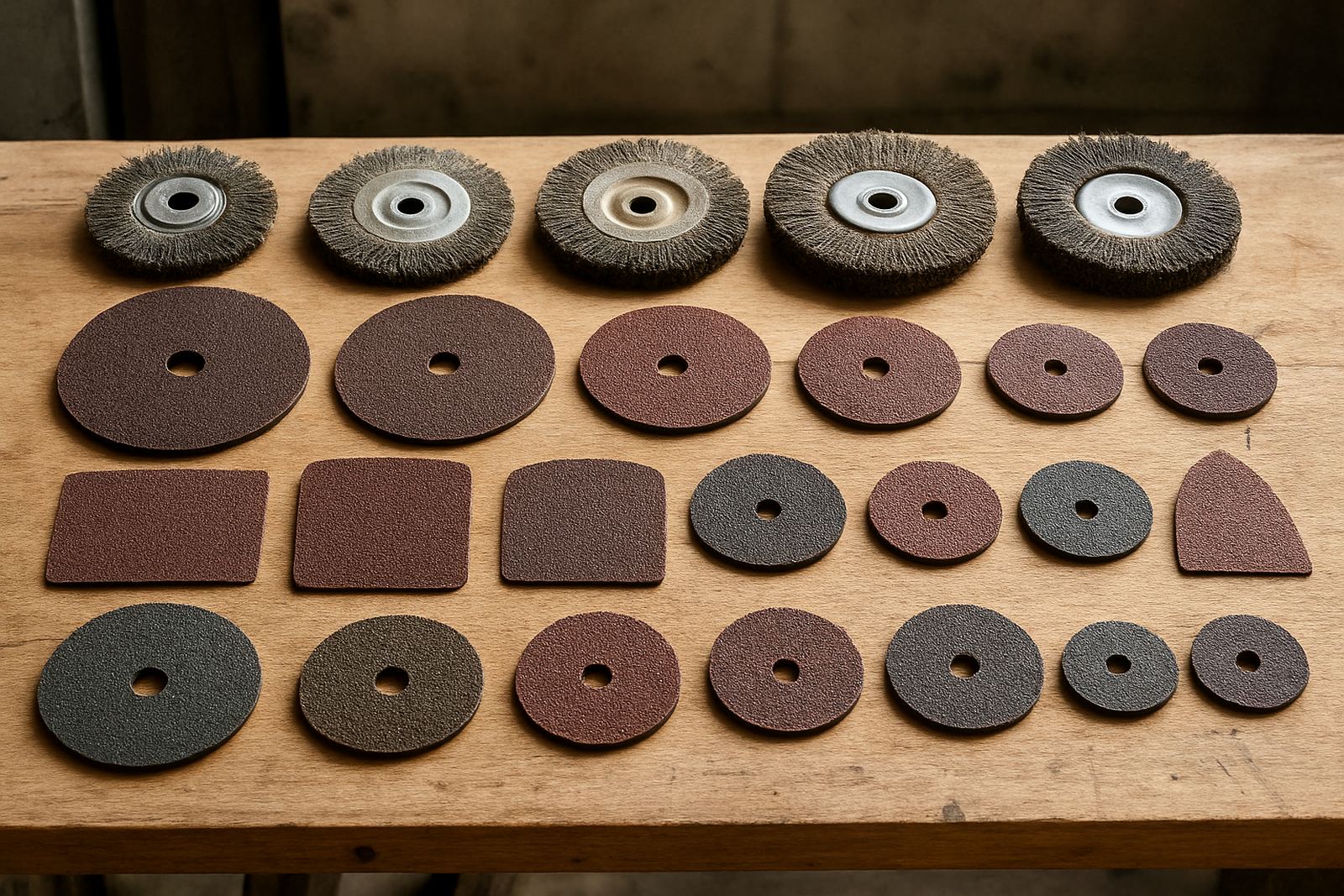
- Cutting discs and grinding discs
- Sandpaper in mixed grits
- Extension leads rated for workshop use
- Masking tape, cable ties and marking pens
- Spare batteries if your existing tools use them
Consumables That Keep the Garage Working
Many home garages stall because the user runs out of the small items that actually keep jobs moving. Consumables are worth listing separately so you can replenish them before the box is empty. This is where a sensible stock list saves time and stops you paying emergency prices for one missing piece.
Set aside a small monthly budget for these items, especially if you work on weekends or help neighbours with repairs. It is better to replace a worn item early than to force a damaged one through another job and waste the whole afternoon.
- Fixings: screws, nuts, bolts, washers and wall plugs
- Lubricant, penetrating spray and cleaning rags
- Thread tape and sealing compounds
- Sandpaper, blades and drill bits
- Gloves, ear protection and safety glasses
- Marker pens, chalk and labels for storage tubs
Storage and Work Surface Basics
You do not need a full industrial setup, but you do need a place where tools stay sorted and where small parts do not vanish. A simple work surface, a strong storage cabinet and a few labelled containers will save time from the first week. In humid coastal conditions, closed storage also protects steel tools and keeps dust off measuring equipment.
If your garage shares space with vehicles, plan for movement. Leave enough floor space to open drawers, park the car and still work safely around it. A cramped setup usually leads to lost tools and rushed repairs, and that costs more than a proper storage plan.
- Sturdy shelving or a locked cabinet
- Wall hooks or pegboard for daily-use tools
- Small parts organisers for fixings and fittings
- Non-slip mat or simple bench matting
- Dry box or sealed container for rust-prone items
A Simple Buying Sequence That Avoids Waste
Buy in stages so the garage grows with your skills. Stage one is your core hand tools and safety gear. Stage two is the accessories and consumables that let you finish more jobs. Stage three is storage, replacements and the specialist items tied to the type of work you enjoy most.
A practical sequence looks like this: first measurements and fastening, then cutting and drilling, then storage and stock control. That order keeps money out of the wrong boxes and lets you spot what you really use after a few weekends of work.
- Week 1: measuring, tightening and safety gear
- Week 2: drill bits, blades and fixings
- Week 3: storage tubs, labels and wall storage
- Month 2: replacement parts and any specialist tools
- Month 3: upgrade the items you use most often
Use a Workshop Supplier for Planning and Matchups
If you are unsure what to buy first, a proper tool supplier can help you match items to the work you do and the space you have. That can include starter kit bundling, replacement matching when an old tool wears out, and stock list standardising so you do not keep buying duplicates. For new home workshops, a short planning call is often enough to cut out guesswork.
Jameson Tools supports DIY users and trade workshops from Pinetown, New Germany, Westmead, Hillcrest, Durban North and Umhlanga, with nationwide courier delivery. We also help with workshop setup advice, consumables replenishment and on-site tool inductions where needed, which is handy if you are setting up a garage for family use or setting rules for a shared space.
For orders or advice, email orders@jameson.co.za. If you are planning a small home workshop, start with the basics, then build steadily as your jobs get bigger and your routine gets clearer.