Start with how your tools are used day to day
Before you buy any storage, look at how the tools move through your workshop. A fitter working on benches all day needs fast access to sockets, spanners and cutters, while an installer on the road needs something that loads neatly into a bakkie or van. If the same set is shared by a team, storage must make it easy to see what is there and what is missing.
In Durban and around Pinetown, moisture, dust and load-shedding all affect tool condition. Metal drawers that stay closed, sealed cases and clearly marked organisers help reduce rust, lost items and the usual scramble when power comes back and work must continue. Start by listing the tools you use daily, weekly and only for specific jobs, then match the storage to that pattern.
- Daily-use tools need quick access.
- Shared tools need clear stock control.
- Mobile tools need secure handles and latches.
- Stored spares need dust protection and labels.
Tool chests for heavier workshop stock
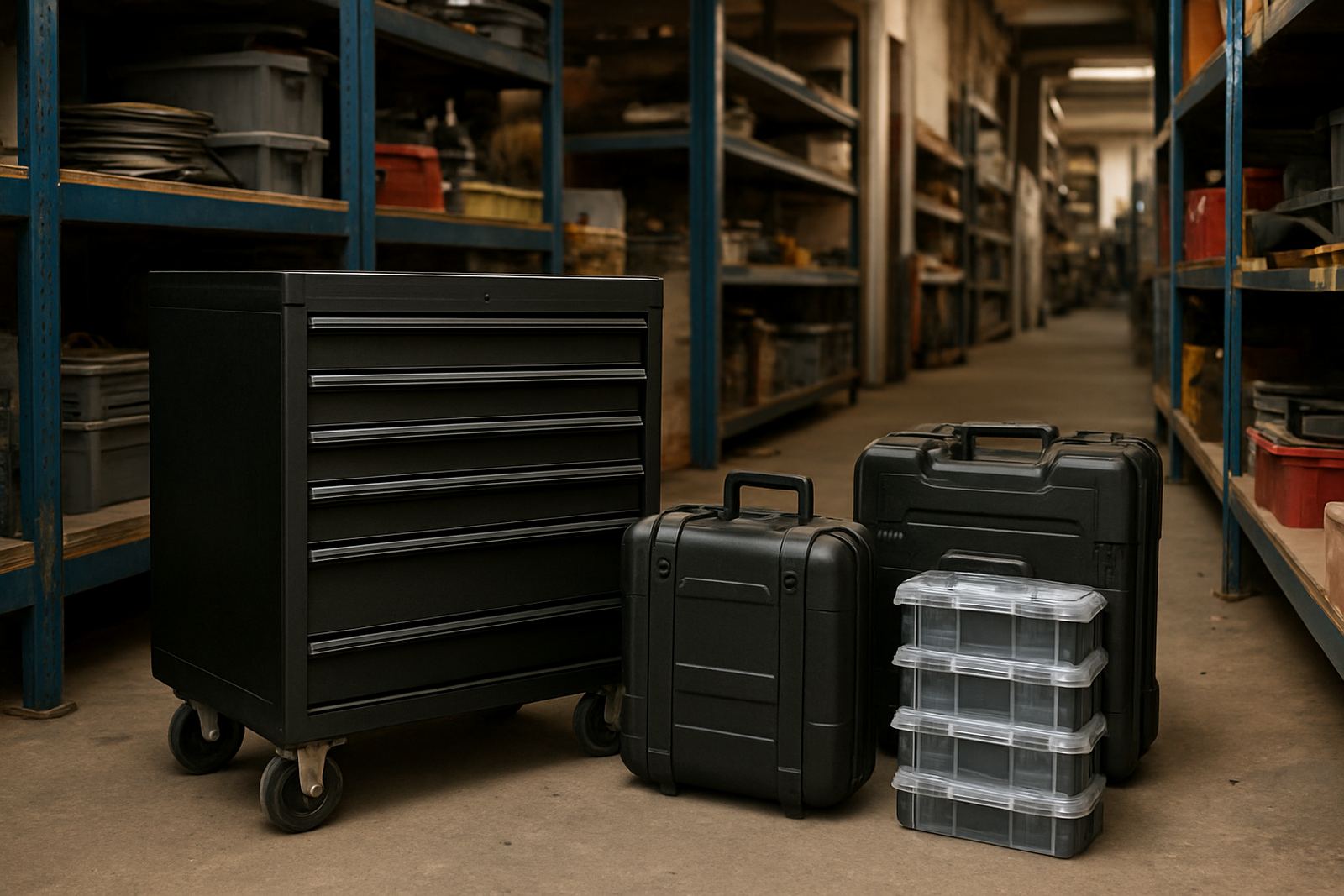
Tool chests suit fixed workshop positions where weight, volume and security matter. They are a good fit for socket sets, power-tool accessories, measuring gear and bulk consumables. A good chest keeps related items together in drawers, so a technician does not spend ten minutes hunting for a 13 mm socket or a cutting disc.
For South African trade workshops, choose a chest with drawers that open smoothly even when fully loaded. Ball-bearing runners, lockable drawers and a solid frame make a difference when the workshop floor is uneven or the unit is moved across a concrete apron. If your site is close to the coast, check for corrosion-resistant finishes and wipe-down surfaces. In New Germany or Westmead, where workshops can get busy and dusty, drawer dividers help keep items from mixing up.
- Best for fixed work areas and heavier items.
- Useful when tools must stay locked between shifts.
- Better for stock control when drawers are labelled by size or job type.
- Check total load rating before filling each drawer.
Cases for mobile work and quick packing
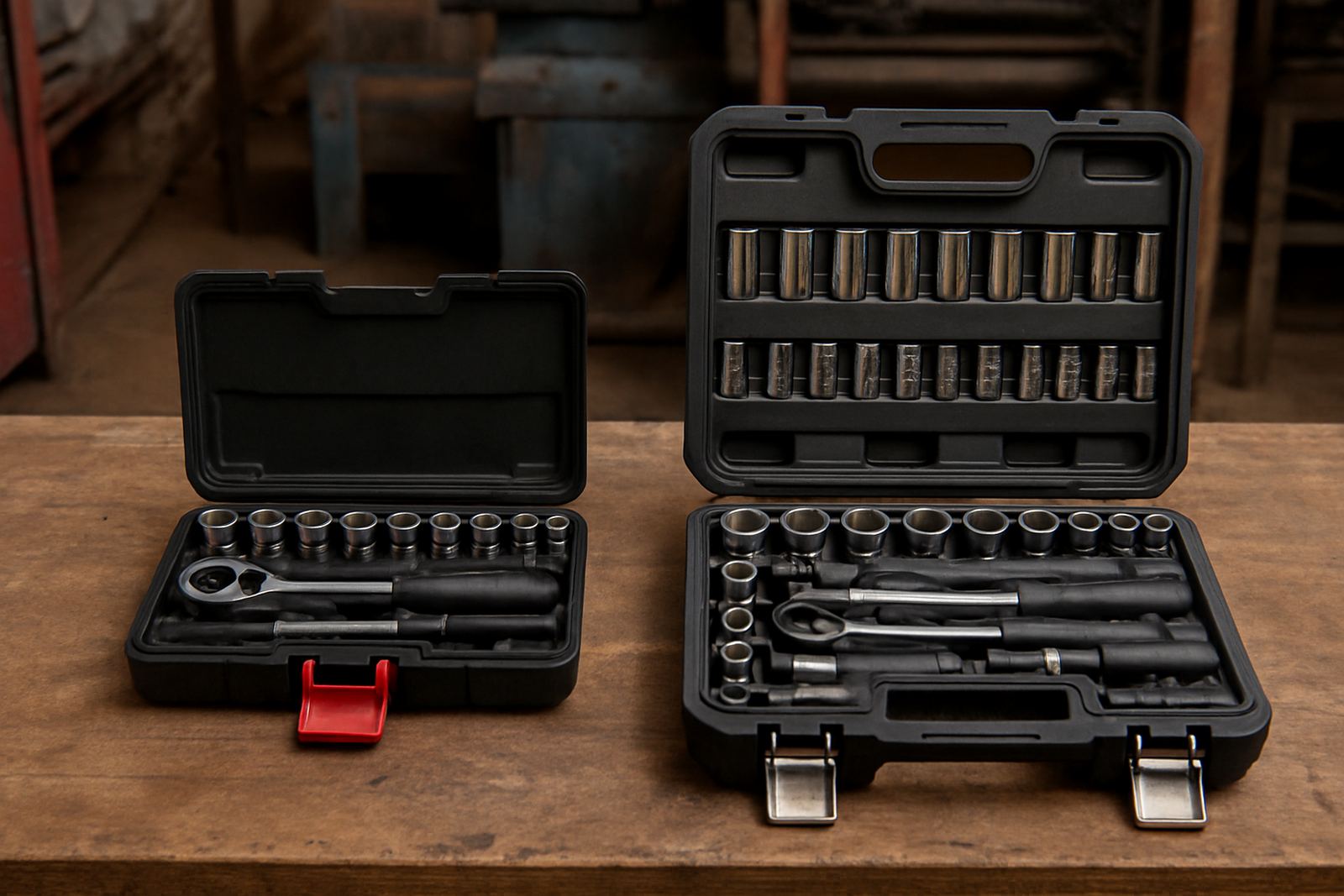
Cases are the practical choice when tools travel often. They are easier to carry into homes, plant rooms, sites and vehicles, and they protect smaller tool sets from knock damage. For electricians, installers and maintenance teams, a case keeps the kit together so the right items go out on the job, and return together at the end of the day. That saves time and reduces replacement costs.
Look for cases with strong hinges, reliable latches and compartments sized for the kit you carry. If you do call-outs in Durban North or Umhlanga, or work in tight residential areas with parking issues, a compact case is easier to handle than a large chest. For added control, number the cases or tag them by job type, then run a quick count before and after the shift. It sounds simple, but it prevents a lot of missing items.
- Best for technicians who move between sites.
- Choose stackable cases if you carry separate kits.
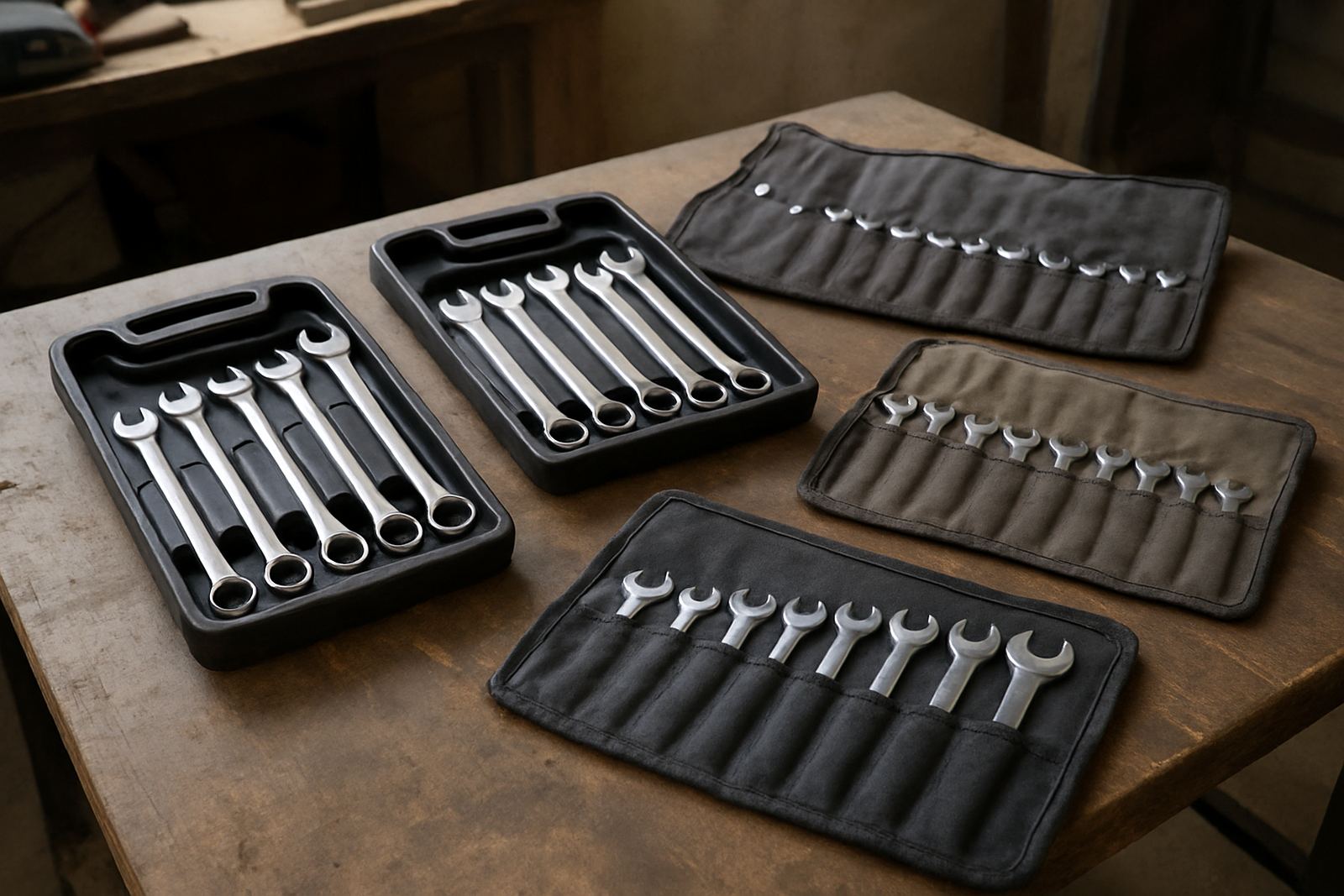
- Use foam, trays or inserts to stop tools shifting in transit.
- Keep one case for urgent spares and test gear.
Organisers for consumables and small parts
Organisers are ideal for screws, blades, drill bits, anchors, terminals, washers and other small parts that disappear fast in a mixed drawer. They make stock control much easier because each compartment can be counted, topped up and labelled. If your team uses the same sizes every week, organisers keep the popular items visible and ready.
In workshops that handle many jobs at once, organisers also help with seasonal refreshes. Before a busy period, sort by size and type, then remove broken, rusted or slow-moving stock. Clear lids are useful because staff can see the contents without opening every box. For coastal humidity, choose units that seal properly so small metal items do not start rusting after a few damp mornings.
- Best for fast-moving small parts and consumables.
- Label compartments by size, thread or application.
- Use separate organisers for clean stock and job returns.
- Stack only if the lids lock properly and stay level.
A simple way to choose the right mix
Most workshops do not need one storage type only. The better answer is usually a mix: a chest for fixed tools, cases for mobile kits and organisers for small parts. That setup gives you access where it matters, portability where it is needed, and better control over stock. If you are setting up a new workshop, start with the kit that supports your main jobs, not the kit that looks biggest.
Use this quick check before you order:
- Will the tools stay in one place or travel every day?
- Are you storing heavy equipment, small parts, or both?
- Do you need locking drawers, sealed lids, or carry handles?
- How much floor space do you actually have in the workshop or vehicle?
- Do staff need to count stock at the end of each shift?
If the answer is mostly fixed work, lean towards chests and organisers. If the answer is site work and call-outs, lean towards cases with a few small organisers inside. For mixed teams, standardising sizes helps with training and makes replacement matching far easier.
Set up storage for stock control and cleaner handovers
Good storage is about more than keeping things neat. It supports trade account use, replenishment and handover between staff. When every item has a place, missing stock becomes obvious quickly and replacement orders are simpler. That matters in busy Pinetown workshops where one team may be closing out a job while another is already loading for the next site.
Train staff to return items to the same position every time. Put labels on drawer fronts, case lids and organiser compartments. Keep a written stock list for critical items such as cutters, drill bits, measuring tapes and PPE. If a drawer or case is used for shared parts, make one person responsible for checking it at the end of the day. Small habits save money, and they stop the usual 'I thought someone else packed it' problem.
Before you buy, check these practical points
Whether you are choosing storage for a home workshop in Hillcrest or a trade floor in Westmead, check the details that affect daily use. Size matters, but so does how the storage works under pressure. A cheap case that breaks after three weeks costs more than a proper unit that lasts.
Ask yourself these final points:
- Does it fit your tools without forcing drawers or lids shut?
- Can one person move it safely when fully loaded?
- Will it stand up to dust, humidity and regular cleaning?
- Can the contents be labelled and counted quickly?
- Does it suit both current stock and future expansion?
For workshops that want practical advice, Jameson Tools can help with tool kit planning, starter kit bundling, stock list standardising and courier delivery coordination nationwide. That way, your storage choice matches the work you do, not just the space you have.