Start With the Job, Not the Price Tag
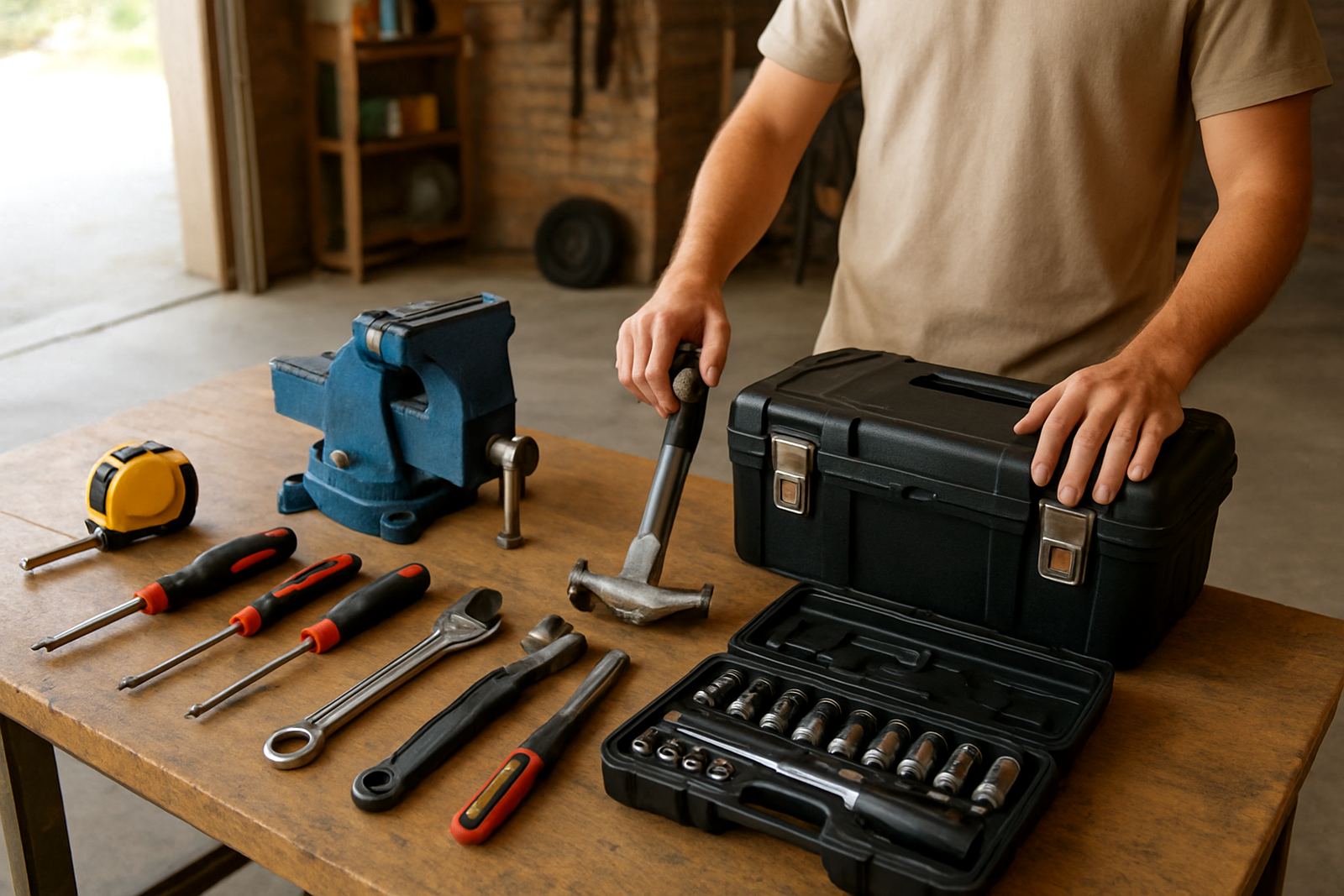
Before you pick a hammer, think about what it will actually do most days. A light repair bench, light fabrication, vehicle trim work and cabinet fitting all need different striking force. If you are setting up a workshop in Pinetown, New Germany or Westmead, it helps to list the main tasks first and then match the tool to those jobs instead of buying the biggest hammer on the shelf.
A hammer that is too heavy slows the work down and can damage fasteners, timber or fixtures. One that is too light means extra swings and more strain on the wrist and shoulder. For most trade workshops, a small set of hammers covers 80% of daily use, with specialist heads added later as the work grows.
- Light assembly and repairs: smaller striking face, lighter head
- General maintenance: medium weight for mixed tasks
- Harder knock work: heavier head and stronger handle
- Specialist jobs: non marking or soft faced heads
Choose Hammer Weight That Matches the Work
Hammer weight is usually the first thing to get right. In practical terms, lighter hammers are easier to control while heavier hammers transfer more force with each blow. For fine workshop work, a 200 g to 400 g hammer often does the job. General trade use may call for 500 g to 800 g, while heavier striking work can move above that depending on the material and fastener size.
If your team does mixed work, it is often better to keep two or three sizes on hand rather than forcing one hammer to do every task. That also helps with training because new staff can be shown which head to use for each job. In humid coastal conditions around Durban and Umhlanga, a hammer with a proper finish and clean storage matters too because surface rust creeps in quickly if tools are left on open shelves.
- 200 g to 400 g: fine work, light assembly, adjustment jobs
- 500 g to 800 g: general trade use, maintenance, fabrication
- 900 g and above: heavier striking where more force is needed
- Keep one lighter and one heavier option per common work area
Pick the Right Head Shape and Face
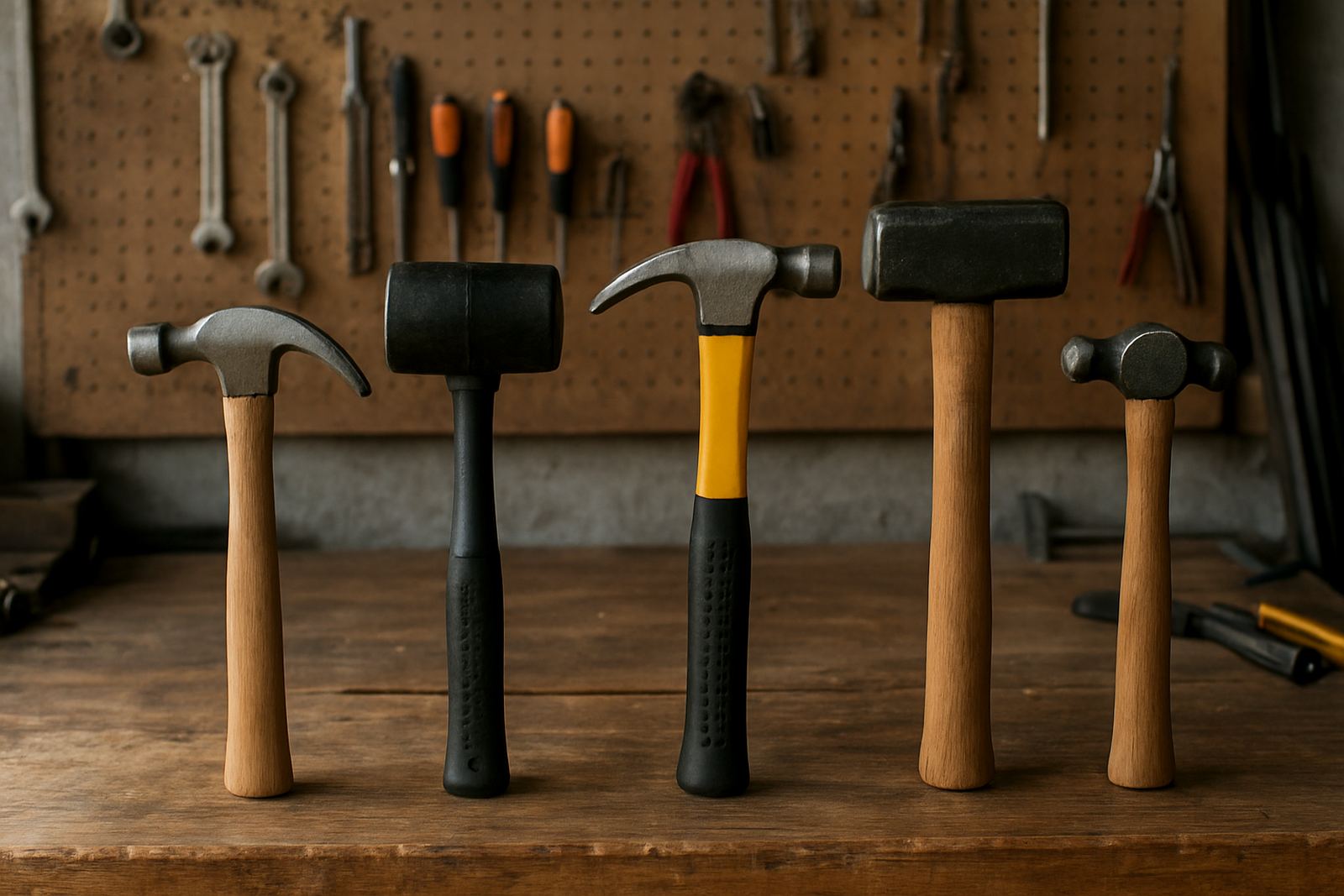
Head style changes how a hammer behaves. A flat striking face is the usual choice for general use because it gives a predictable hit. A peen style head, whether ball peen or cross peen, is better for shaping, setting pins, or controlled metalwork. Soft faced hammers are useful where you need impact without marking painted or finished surfaces. That is handy in workshop assembly, on site fitting and when working around machine covers.
For workshops doing both mechanical and light fabrication work, a small mix of head styles usually makes sense. If your team only has one hammer type, there will be jobs where it is not quite right and that leads to bruised material or slower work. It is better to match the face to the material than to keep hammering harder, which often makes the damage worse.
- Flat face: everyday striking and general repairs
- Ball peen: shaping, riveting, and metal setting
- Cross peen: controlled hits in tighter spaces
- Soft face: assembly, finished surfaces, and reduced marking
Handle Choice Matters More Than Many Buyers Think
The handle affects comfort, grip and control. Wooden handles can feel good in the hand and are easy to replace, but they need care in hot or damp storage rooms. Fibre and composite handles are usually better for wet conditions and heavy daily use. Steel core handles may be strong, although they can transmit more shock if the grip is poor. A good grip matters when you are working through load shedding with a generator running and you need to keep the rhythm of the job steady.
Look for a handle length that gives enough swing without feeling awkward in tight spaces. In smaller workshops or service vans, a shorter hammer can be easier to manage. Also check the grip texture. If the handle slips when your hands are dusty or oily, the tool is not helping. The best hammer is not always the toughest one, it is the one that feels controlled after twenty minutes of repeat strikes.
- Wood: comfortable, traditional, needs more care
- Composite or fibre: good shock control and weather resistance
- Steel with grip sleeve: strong but check vibration and balance
- Always test balance in hand before you buy
Build a Small Hammer Set for a South African Workshop
If you are starting a workshop from scratch, begin with a basic hammer set rather than buying one oversized model. Most teams do well with one light general hammer, one medium general hammer and one specialist non marking hammer. That gives coverage for bench work, site repairs and careful assembly without overbuying. It also makes stock control easier if you are standardising tools across a team in Durban North, Hillcrest or Pinetown.
For workshop starter kits, group hammers with the other hand tools that get used daily so they are easy to count, clean and replace. If a tool is missing, it is easier to spot when the set is standardised. Keep the hammer list simple and local to the work: maintenance, fitting, fabrication, assembly and basic repair. That avoids the usual mix of random tools nobody can find at month end.
- One light hammer for careful or repeated work
- One medium hammer for general trade tasks
- One non marking hammer for finished surfaces
- Add specialist heads only when the work demands it
Use a Quick Buying Checklist Before You Order
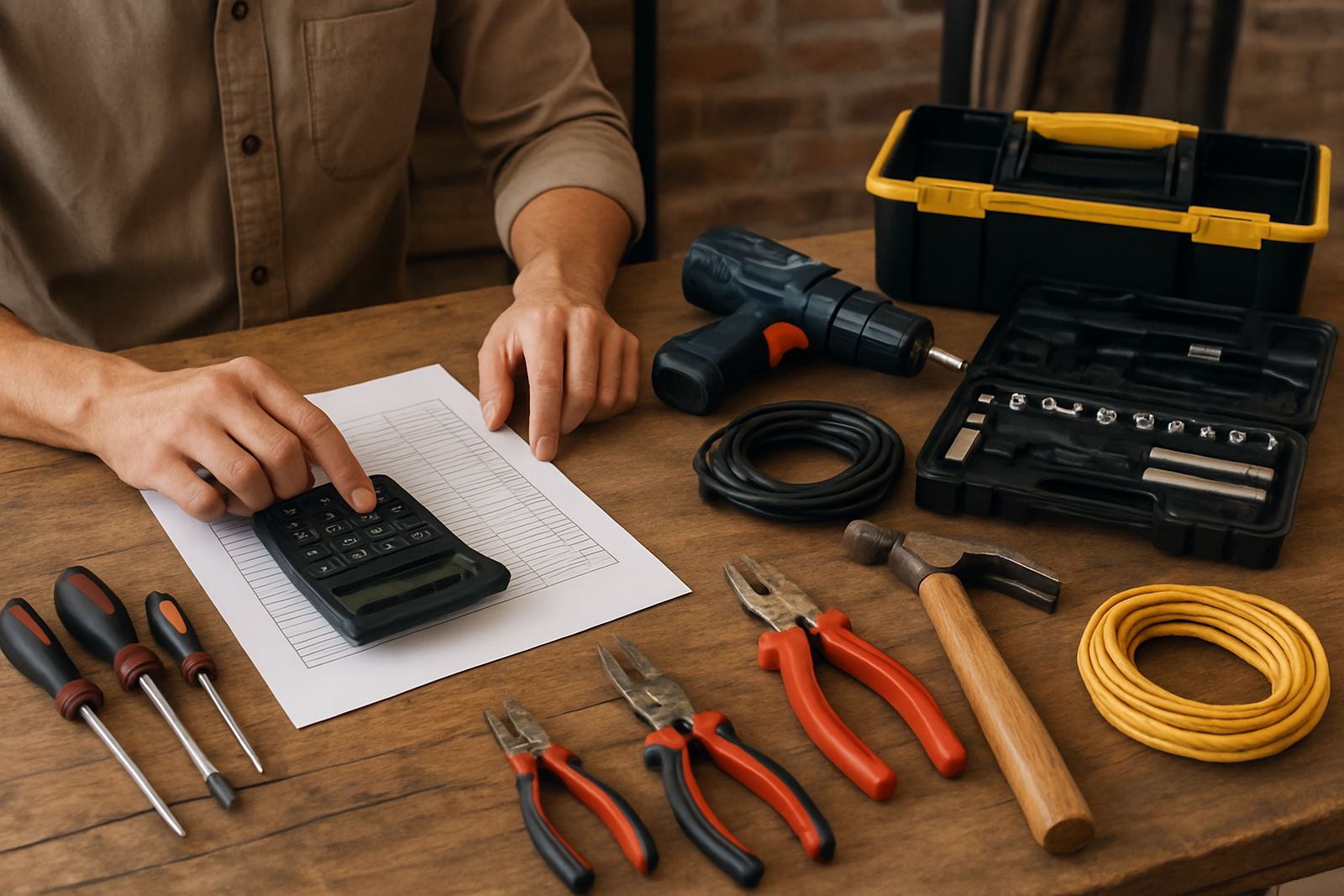
Before you order, check a few practical points. What material will the hammer strike most often? Is the work delicate or heavy? Will the hammer live in a toolbox, on a bench, or in a vehicle? If it is for coastal use, ask about finish and corrosion control. If it is for a team, think about training and replacement so the same type can be ordered again later without confusion.
A simple checklist keeps purchases under control and avoids shelves full of tools that only get used once a month. It also makes courier delivery easier because your order is clearer from the start. If you are comparing options, write down the weight, head style, handle type and main job for each hammer. That small step saves money and keeps the workshop better organised.
- Job type confirmed
- Correct weight chosen
- Head style matches the material
- Handle suits the environment and user
- Replacement and re-order details recorded
For planning help, training support or courier delivery across Durban and nationwide, email orders@jameson.co.za. A short stock list now can prevent a lot of wasted time later.