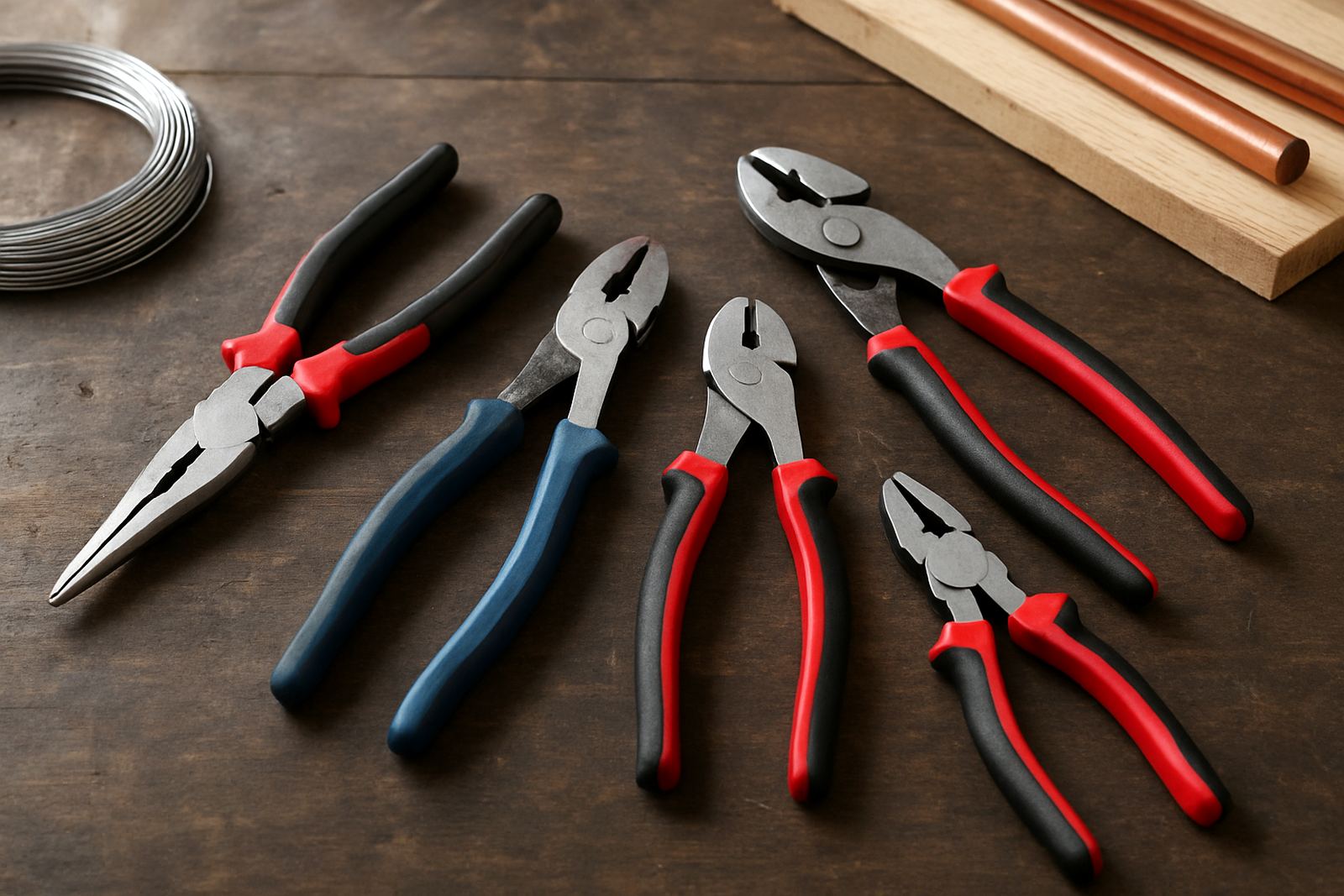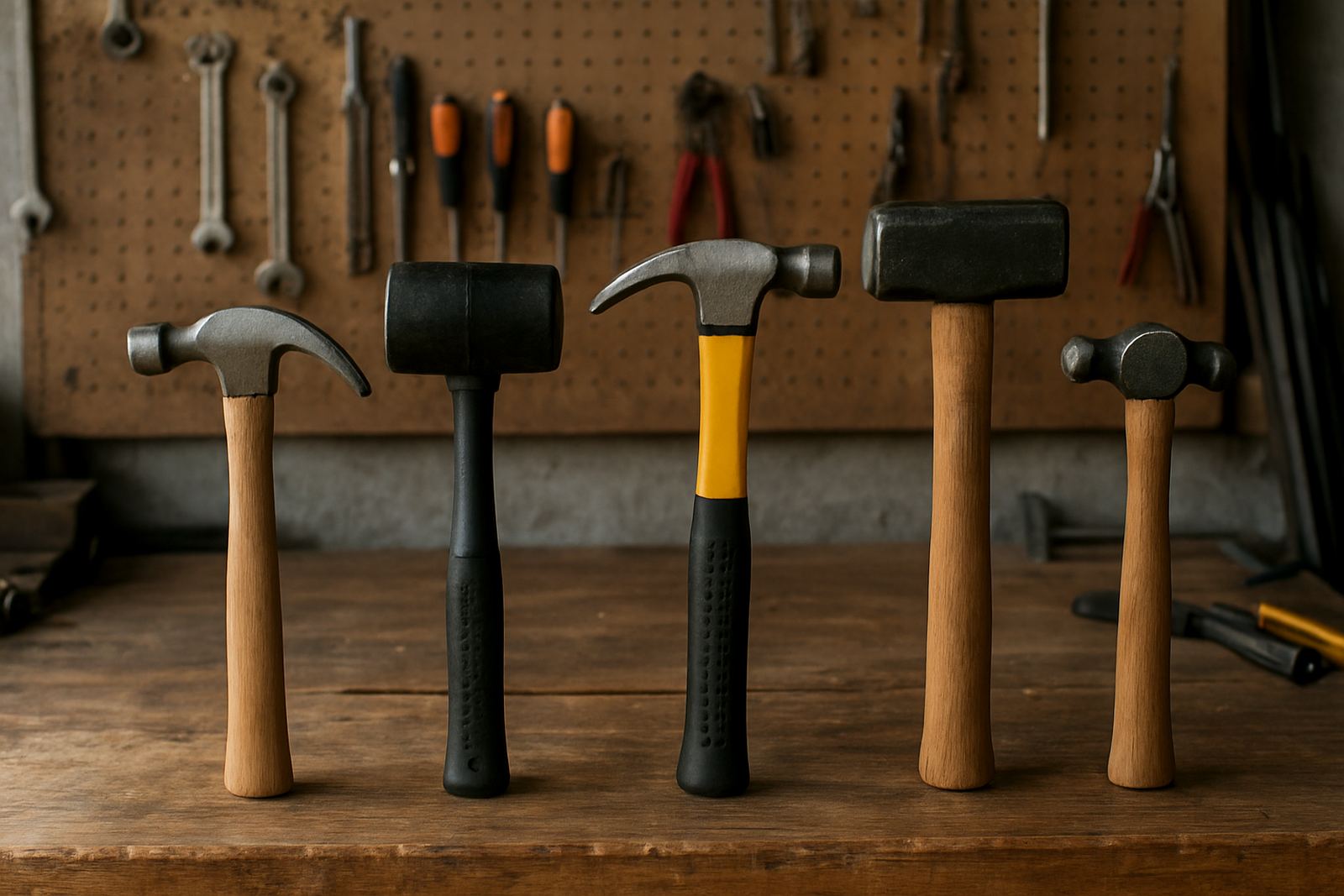
Start With the Work Your Workshop Must Do First
Before you spend a Rand, write down the jobs your workshop must handle in the first 30 to 90 days. A body shop, small fabrication bay, electrical repair space, or maintenance workshop will all need different essentials. The budget should follow the work, not the other way round.
List the tools and consumables that affect daily output. If a missing cutter bit or worn spanner stops a job, that item belongs in Phase 1. Items that improve speed later can wait for Phase 2 or 3. This keeps your spending practical and stops money being tied up in kit that looks useful but does not earn its place yet.
- Identify the top 10 jobs you will do most often
- Mark the tools that stop work if they are missing
- Separate once-off setup items from repeat consumables
- Allow for spares in high-wear parts
Split the Budget Into Three Buying Phases
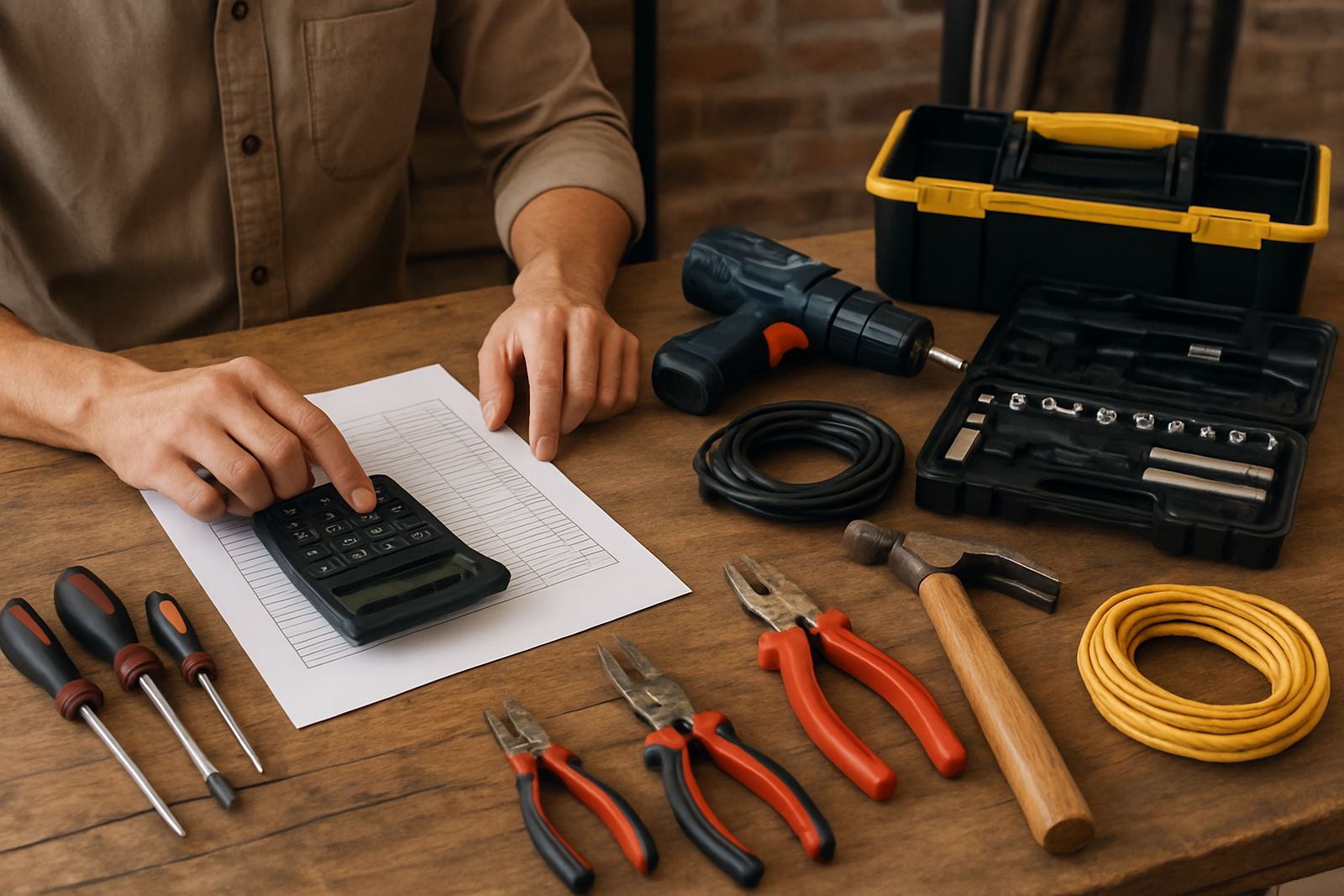
A phased plan makes the workshop easier to fund and easier to manage. Phase 1 covers the core items needed to begin work. Phase 2 fills the gaps that improve output. Phase 3 adds comfort, stock depth and specialised accessories. A simple split is 50 percent, 30 percent and 20 percent, but adjust that if your trade has heavier wear or stricter compliance needs.
In Durban and surrounding areas, humidity can shorten the life of some hand tools and accessories if storage is poor, so budget for cabinets, liners, drying packs, or closed storage early. In load-shedding periods, a small amount should also be kept aside for lighting, charging and backup planning. That is not a luxury, it is part of staying open.
- Phase 1: core hand tools, measuring, fastening and daily consumables
- Phase 2: power-tool accessories, replacement bits, cutting and finishing items
- Phase 3: storage, labelled stock, specialty kits and training resources
Build a Starter Kit Around Real Trade Tasks
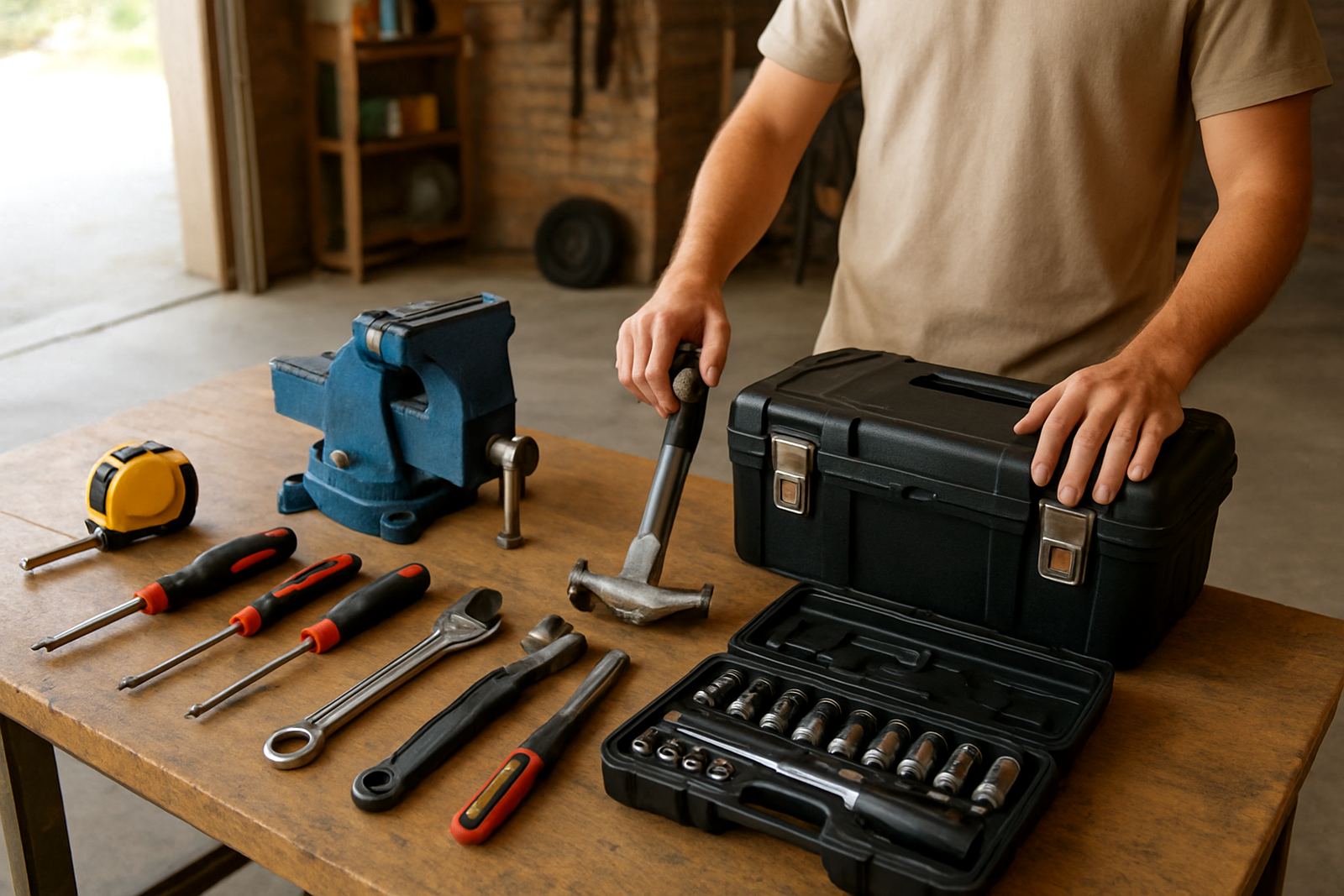
Starter kits work best when they are built around actual jobs and not a vague shopping list. A good kit should let a team start work cleanly on day one, with enough range to handle common jobs without constant borrowing or substitute parts.
Budgeting for a starter kit should include the extras people forget: bit holders, spare blades, measuring tapes, safety glasses, marking tools and a few duplicate items for shared use. If one person is always waiting for the only good screwdriver, the workshop loses time every morning. That lost time costs more than a second tool.
- Include shared-use items in duplicate where needed
- Keep a basic set for each trade or bay
- Add labelled consumable packs for first month usage
- Check whether any items need maintenance intervals
Use Consumables Forecasting to Control Monthly Spend
Consumables can quietly drain a budget if they are not tracked. Put a monthly estimate against each item that gets used up or replaced often, then compare it with actual usage after the first few weeks. The gap will show you where your assumptions were too high or where waste is creeping in.
Order by usage rate, not by what is cheapest on the shelf. A cheaper item that fails early can force rework, and rework burns labour. In practical budgeting, a slightly better item often pays for itself quickly. Keep a rolling list of high-turn items and set reorder points before stock gets down to the last box.
- Track the top 20 fast-moving items
- Set minimum stock levels for each consumable
- Review actual use every month
- Keep a separate line for emergency replacement buys
Plan for Replacement, Repairs and Tool Matching
Tool budgets should not only cover buying new items. They also need room for replacement matching when a worn tool must be swapped for the same size, drive, or specification. This matters in busy workshops where consistency keeps the team moving and avoids mistakes.
Set aside a small repair and replacement allowance from the start, even if it is only a modest amount. A missing ratchet, broken cutter, or damaged accessory can hold up a whole job. If you plan for replacement, you can act fast instead of delaying work while you look for cash. That kind of delay is expensive, and it often happens at the worst time.
Keep Your Budget Useful With Training and Stock Reviews
Good budgeting is not only about buying tools, it is also about making sure the tools are used correctly. Training reduces breakages, wasted consumables, and safety issues. A short induction on storage, handling and basic care can save a workshop from repeating the same mistakes all year.
Review your stock list every season, especially before busy periods and after shutdowns. In coastal areas, checks for rust, dust and packaging damage should be part of the routine. If your team works across Pinetown, New Germany, Westmead, Hillcrest, Durban North or Umhlanga, courier timing and replenishment planning also help keep shelves balanced. A good budget gives each item a clear purpose, not just a price tag.
- Schedule seasonal stock reviews
- Update the stock list when tools are added or retired
- Use training to reduce waste and damage
- Check courier lead times before urgent buys