What a Cutting Disc Pack is used for in the workshop
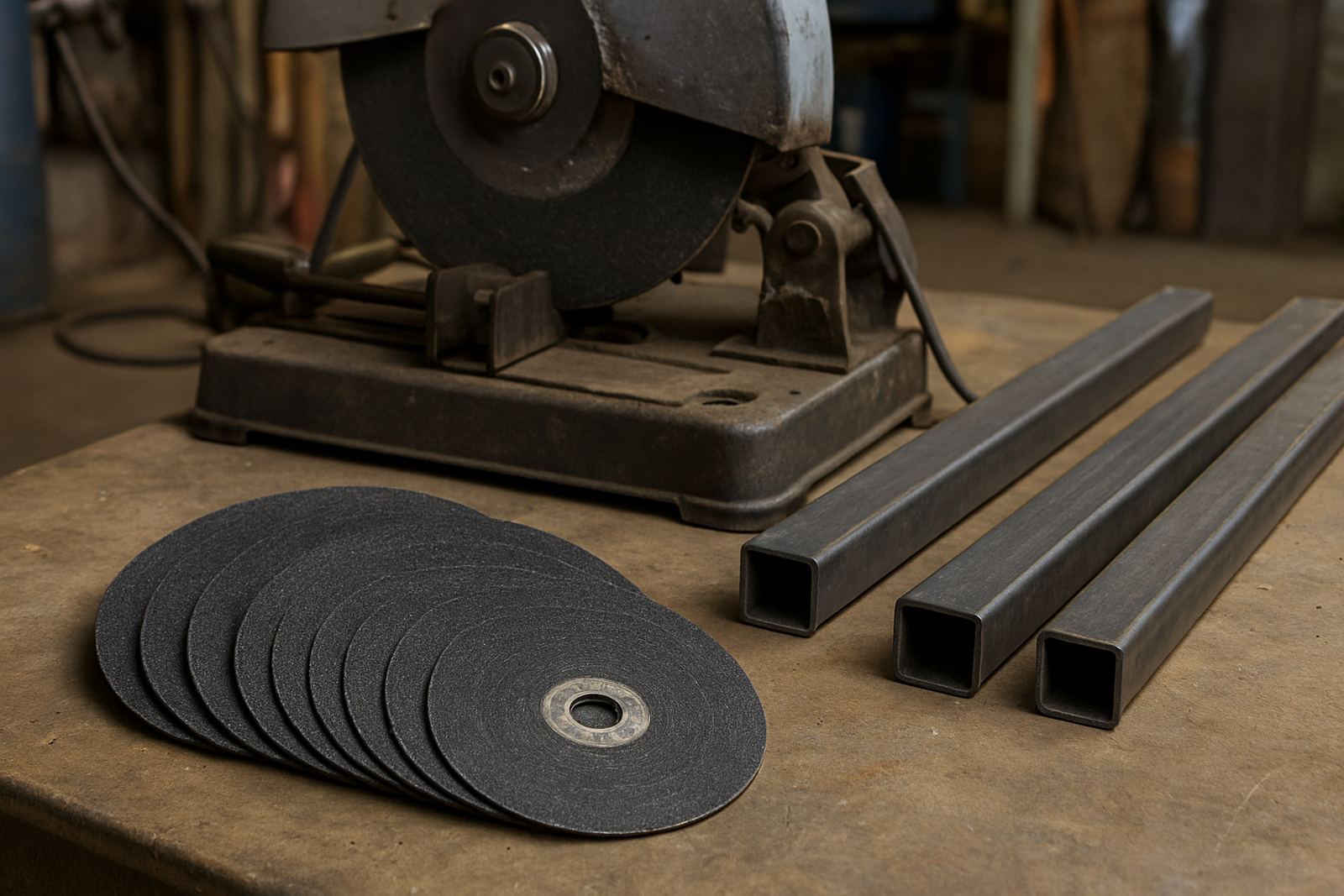
A cutting disc pack is a practical supply item for workshops that cut mild steel, angle iron, flat bar, pipe and general sheet metal. These thin discs are made for cutting only, so they work best when you want speed and control rather than grinding or shaping. In busy shops around Pinetown, New Germany and Westmead, they are often kept near the grinder station so staff can change over quickly during fabrication and repair work.
The pack format helps you keep a steady stock on hand. That matters when a job runs longer than expected, or when load-shedding interrupts production and the team has to finish cleanly in a shorter working window. A good disc should bite evenly, keep the cut line manageable, and wear down at a predictable rate.
Available sizes and pack options
Most cutting disc packs are chosen by grinder size and the type of metal being cut. The most common options suit 115 mm and 230 mm grinders, with thin profiles that reduce drag and help the disc move through the material without forcing the motor too hard. For smaller cutoff work, a 115 mm disc is often the first choice. For larger shop tasks, a 230 mm disc gives deeper reach and faster progress on bigger sections.
- 115 mm discs for light to medium cutting work and general bench-side tasks
- 125 mm discs for slightly more cutting depth on common trade grinders
- 230 mm discs for heavier section cutting and site repairs
- Pack counts suited to regular use, stock rooms and starter workshop kits
- Thin profile options for faster cut speed and less heat build-up
When ordering, it helps to check the bore size, disc thickness and the machine speed rating. A disc that matches the grinder correctly is safer, cuts cleaner and lasts longer under normal workshop use.
Where the discs suit best
These packs are suitable for automotive repair bays, fabrication shops, maintenance teams, small engineering workshops and general DIY garages. They are also useful in coastal areas like Durban North and Umhlanga where tool storage can be affected by humidity, because a stocked pack means you can replace worn discs before they become unreliable. For workshops that do gate repairs, shelving, brackets, trailer work or plant maintenance, this is one of those consumables that gets used more often than many people expect.
They suit controlled cuts in steel stock where accuracy matters, especially when the operator wants to keep the edge clean for a weld prep or a neat finish. If the workshop handles aluminium or stainless steel, confirm suitability before ordering so the right disc type is supplied for the material. That small check saves time, avoids excess spark and cuts down on wasted discs.
How to fit and run them safely
Cutting discs are fitted to compatible angle grinders and used with the guard in place. Before starting, check the disc is undamaged, seated correctly and rated for the grinder speed. The disc should not be forced into the cut. Let the tool do the work with a steady hand and a straight entry line. On site, especially where power supply is limited, it is worth checking battery levels on cordless machines or making sure extension leads are in good condition for mains grinders.
- Confirm grinder size and arbor fit before mounting
- Inspect the disc for chips, cracks or moisture damage
- Use the correct guard and keep both hands on the tool
- Allow the disc to reach full speed before entering the cut
- Do not twist or side-load a cutting disc during use
- Keep the workpiece clamped where possible for a cleaner cut
Compressed air, gas cutting and electric cutting are often used on the same job, but this product is specifically for grinder work. If the workshop also uses flame cutting, keep the cutting disc pack separate from gas hoses, cylinders and hot work areas to avoid confusion and damage.
Care, storage and replacement intervals
Cutting discs are consumables, so the main job is to store them properly and replace them before they become too thin or uneven. Keep packs dry, off the floor and away from welding spatter, oil and direct sun. In humid coastal conditions, a sealed storage bin or drawer helps prevent moisture damage and flaking at the edge. If a disc has been dropped, warped or exposed to water, do not put it straight back into service.
Replacement depends on how much steel the workshop cuts each week. A maintenance team may use a pack slowly, while a fabrication bay can work through discs quickly during busy periods. If the disc starts cutting slowly, leaves excess burr or vibrates, it is usually time to change it. That is safer than pushing a worn disc through one more job and risking a poor finish or breakage.
What to check before placing an order
Ordering the right cutting disc pack is mainly about matching the disc to the grinder and the material. The wrong thickness or bore size can stop a job before it starts, and in a trade setting that means downtime. If you are setting up a new workshop in Pinetown or standardising stock across branches, it helps to write the disc details into your consumables list so everyone orders the same spec each time.
- Grinder diameter: 115 mm, 125 mm or 230 mm
- Bore size and machine compatibility
- Disc thickness for speed versus lifespan
- Material type being cut, such as mild steel or stainless steel
- Expected daily use and pack quantity needed
- Storage conditions, especially in humid or dusty areas
For teams using trade accounts or courier delivery, keeping the spec consistent makes replenishment easier. It also helps with workshop kit planning, because the discs can be grouped with gloves, grinding accessories and other routine consumables in one order.
Key facts
| Product type | Thin cutting disc pack for workshop metal cutting |
|---|---|
| Common sizes | 115 mm, 125 mm, 230 mm |
| Typical thickness | Approx. 1.0 mm to 1.6 mm depending on size |
| Bore size | Common grinder bore sizes, confirm before ordering |
| Suitable materials | Mild steel, angle iron, pipe, sheet metal |
| Use case | Trade workshops, maintenance teams, DIY garages and site repairs |