Built for clean cuts on wire and cable prep
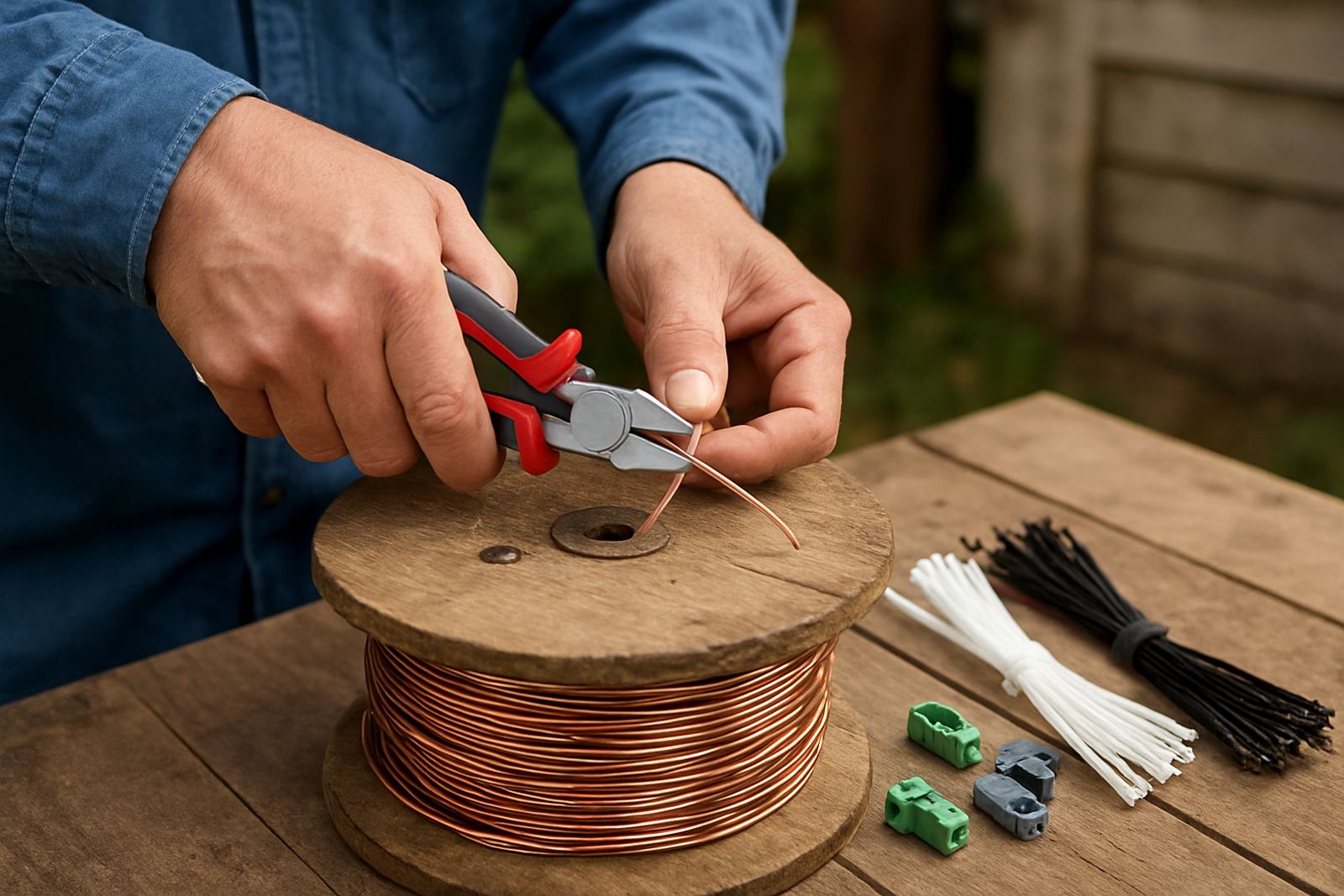
Side cutter pliers are made for cutting copper wire, soft steel wire, cable ties and light electrical conductors, then trimming flush where a neat finish matters. In a workshop this often means quick work on control panels, appliance repairs, auto electrical jobs and general maintenance. For installers and technicians, a good cutter saves time and reduces frayed ends that can cause faults later.
The cutting edges are angled so you can get closer to the workpiece than with straight cutters. That makes them handy when stripping back a loom, shortening a cable tie in a tight cabinet, or trimming excess wire after a termination. They are not for hardened bolts or thick piano wire, and that matters when ordering because the right tool lasts longer and keeps its edge better.
In Durban’s coastal air, a basic tool can rust fast if it is left damp in a truck or on a bench. A plated or corrosion resistant finish is worth asking for, especially if the pliers will travel between Pinetown, Westmead, Umhlanga and site work. A good set also feels balanced in the hand, with firm jaws and handles that do not twist under pressure.
Sizes, jaw styles and handle options
Most side cutter pliers are supplied in compact hand sizes that suit trade bags and workshop drawers. Typical lengths include 150 mm, 160 mm and 180 mm. Smaller pliers are useful for fine electrical work and control boxes, while longer versions give more leverage for repeated cutting through thicker cable ties or tougher wire. If the tool will be shared across a team, the 160 mm size is often the best middle ground.
Jaw geometry also matters. Some cutters have a slim head for access in tight spaces, while others have a slightly heavier head for more bite. Handle design can range from plain dipped grips to dual material covers for a more secure hold. If your team wears gloves, check the handle diameter because a tool that is too slim becomes awkward quickly.
- 150 mm for detailed work and smaller hands
- 160 mm for general workshop and electrical use
- 180 mm for extra leverage and regular site work
- Slim head options for confined panels and cabinets
- Insulated style handles for safer grip around live systems, where appropriate
When ordering for a trade counter or a starter kit, it helps to standardise on one or two sizes. That makes replacement easier, keeps training simple and avoids the mixed-tool problem that slows a team down.
Where side cutters fit in South African workshops
These pliers suit electrical contractors, appliance technicians, fitters, maintenance teams, mechanics and DIY users doing home repairs. They are common in workshop starter kits because they do small jobs all day long without needing power or air. That is useful during load-shedding, when a hand tool keeps the work moving even if the bench tools are off.
In Durban and the coastal areas, side cutters are also practical for sign installers, solar support crews and people working on light cable management. For municipal or site work, a neat cut can matter because messy wire ends create safety issues and poor presentation. If your work includes outdoor cabinets or pump rooms, ask for a finish that handles humidity better, cause the tool will live in a harsher environment.
They also fit well in mobile service vehicles. A technician can carry one cutter, one stripper, a few screwdrivers and a small selection of consumables and still cover most first response tasks. That is why many customers buy them as part of a bundle instead of as a standalone item.
No power or gas required, just the right hand pressure
Side cutter pliers do not need electricity, compressed air or gas. That makes them one of the easiest tools to deploy on a new site or in a small workshop setup. There is no installation as such, but there is a right way to use them. Keep the cutting edges aligned with the wire, squeeze with steady pressure and avoid twisting the jaws sideways, because that shortens edge life.
For teams setting up a new space in Pinetown, New Germany or Westmead, these cutters are often ordered together with crimpers, pliers, measuring tools and basic hand tools. If the workshop is still being equipped, tool kit planning is useful because it prevents gaps in the first month when jobs start landing before the stock list is finalised.
On site, the main requirement is sensible handling. Do not use cutters as a lever or hammer. A small slip can nick the edge and then the tool starts leaving rough ends. If your work includes any live electrical task, follow proper lockout and testing procedures and use the correct insulated class where required by site rules.
Care, cleaning and replacement intervals
A side cutter lasts longer when it is wiped clean after use and stored dry. Dust, wire fragments and moisture build up quickly in a busy workshop. In coastal Durban especially, a light oil film on the pivot and a dry storage pouch can help reduce rust. If the tool is used near adhesives, foam, paint or coolant, clean the jaws before those residues harden.
Check for play in the pivot, chipped cutting edges and jaw misalignment. If the cutter starts crushing wire instead of slicing it, it is time to replace or service it. A dull cutter also takes more force, which increases hand fatigue during repetitive work. That matters in a trade setting where one person may make hundreds of cuts in a day.
- Wipe jaws after use and remove wire offcuts from the pivot area
- Store in a dry box or roll, not loose in a wet vehicle tray
- Check cutting edges for nicks before assigning the tool to daily use
- Replace worn cutters before they start damaging cable ends
For teams managing consumables and spares, Jameson Tools can assist with replacement matching so a damaged cutter is swapped for the same size and type, without guessing.
What to check before you place an order
Before ordering side cutter pliers, check the wire type, typical cut size and whether the tool will be used in general maintenance or electrical work. If you are buying for a workshop team, note whether you want one shared model or a mix of sizes. It is also worth checking handle style, finish and any site safety requirements for insulated use.
For bulk orders, think about where the tools will be kept and who will use them. A contractor working between Durban North and Umhlanga may need a corrosion resistant finish for vehicle storage, while a factory maintenance team in Pinetown may want a tougher head with more leverage. If the order is part of a starter kit, ask for bundling so the cutter arrives with the matching tools and consumables.
- Confirm the wire and cable types being cut most often
- Choose a length that suits the hand size and task
- Check if corrosion resistance is needed for coastal work
- Decide whether insulated handles are needed for the job profile
- Ask about courier delivery timing if the tool is needed for a current job
Jameson Tools supports trade account customers, workshop setup advice and on-site tool inductions, so your team gets the right cutter and knows how to use it properly from day one.
Key facts
| Tool type | Side cutter pliers for wire trimming and light cable preparation |
|---|---|
| Common sizes | 150 mm, 160 mm, 180 mm |
| Best materials cut | Copper wire, cable ties, soft conductors, light wire |
| Handle options | Dipped grip, dual material grip, insulated style where specified |
| Finish options | Polished or corrosion resistant finish, depending on order |
| Typical use areas | Electrical work, appliance repair, auto electrical, workshop maintenance |