What A G Clamp Set Does In The Workshop
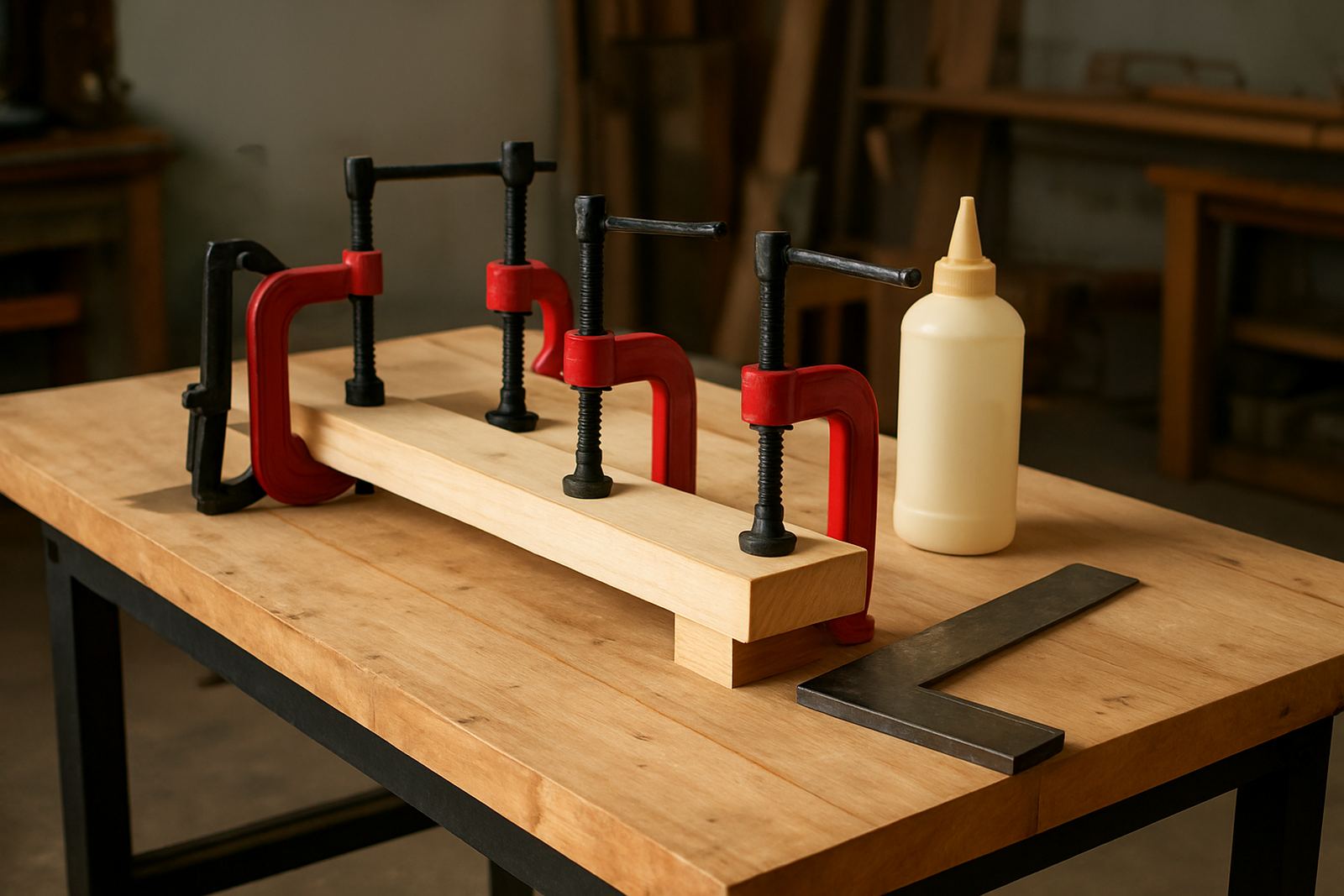
A G Clamp Set gives you controlled pressure for holding two pieces together while you fit, mark, drill or bond them. The open throat and screw action make these clamps useful for timber joinery, light fabrication, panel repairs and general maintenance work. In a Pinetown workshop or a job in Hillcrest, you want clamps that hold firm without slipping when the power goes off mid job or you need to keep a repair in place for a full curing cycle.
These clamps are normally used on workbenches, welding tables and assembly jigs. They suit trades that need repeatable holding pressure, such as carpentry, cabinet work, steel repairs and equipment maintenance. The simple design also means less to go wrong, which is handy when tools are shared across a team.
- Useful for timber, steel, plastic and repair assemblies
- Helps keep parts square during fitting and gluing
- Good for bench work, site repairs and small fabrication jobs
Sizes And Options To Look For
G clamps are sold in different throat depths and opening capacities, so the right set depends on the size of material you work with most often. Smaller clamps suit trim work, brackets and light repairs, while larger clamps are better for table tops, frames and heavier assemblies. If you run a mixed workshop in Westmead or New Germany, a set with more than one size usually gives better value than buying one clamp at a time.
Typical options include steel frame clamps with swivel pressure pads, threaded spindles and a mix of jaw capacities. Some sets are focused on light duty work, others on stronger clamping for repeated trade use. You should also check whether the clamp has a deep throat for reaching past the edge of wider stock, because that saves time on awkward jobs.
- Small clamps for light assembly and repair work
- Medium clamps for general workshop use
- Larger clamps for frames, timber panels and steel sections
- Deep throat options for wider material reach
Where This Clamp Set Suits South African Trades
This set suits joiners, fitters, welders, repair shops, maintenance teams and DIY users who need steady holding on a daily basis. It is also useful for workshop starter kits, especially where the team is building up tools in stages. In Durban North or Umhlanga, where coastal humidity can affect metal tools, the clamp set should be stored dry and wiped down after use.
For workshops near the coast or in areas with dust and changing temperatures, a clamp with a cleaner threaded spindle and basic corrosion care will last longer. In many local workshops the same clamp gets used for wood glue ups in the morning and light steel tacking later in the day, so versatility matters. That said if your work is mostly heavy fabrication, you may need a different clamping range alongside these.
Setup, Use And Power Requirements
G clamps do not need electricity, gas or special installation. That makes them a useful backup when load-shedding interrupts powered equipment, or when you are working on site without a plug point. You simply place the jaws, tighten the screw by hand and check that the pressure pad sits flat on the material.
For best results, use the clamp on a level surface and avoid overtightening, especially on softer timber or painted surfaces. If you are holding steel for welding, make sure the clamp is positioned away from heat and spatter. A clean clamping point helps reduce movement and improves the final fit, which saves rework later.
- No power supply needed
- No gas, hoses or compressor required
- Hand tightened for simple workshop use
- Suitable for bench work and site repairs
Care, Servicing And Storage
Basic care makes a big difference to clamp life. Wipe off glue, metal dust and grinding residue after use, then keep the screw thread lightly lubricated so it turns smoothly. In coastal areas like Durban, a quick clean and dry before storage helps prevent rust building up on the spindle and frame.
If a clamp starts feeling stiff, check for damaged threads, bent pressure pads or dirt packed into the moving parts. Replace worn pads before they mark material and inspect the frame if the clamp has been dropped. A good storage rack or labelled bin also helps keep the set together, which is useful when different teams share the same stock.
What To Confirm Before You Order
Before placing an order, check the clamp opening size, throat depth and how many clamps are included in the set. Also confirm whether you need light duty clamps for general use or a stronger set for repeated trade work. If you are building a workshop from scratch, it helps to match the set to your most common jobs rather than buying only on price.
Jameson Tools can help with tool kit planning, starter kit bundling and replacement matching, so your clamp set fits the rest of your workshop stock. If you need courier delivery to Pinetown, New Germany, Westmead, Hillcrest, Durban North or anywhere else in South Africa, confirm the delivery address, contact number and any site access notes when ordering.
- Confirm opening capacity and throat depth
- Check the number of clamps in the set
- Choose light, medium or heavier workshop use
- Share delivery details and order contact information
Key facts
| Product type | Workshop clamp set |
|---|---|
| Use | Holding timber, steel and repair assemblies |
| Operation | Manual screw clamp, no power needed |
| Common sizes | Small, medium and large clamp capacities |
| Typical materials | Steel frame with threaded spindle and pressure pad |
| Supply | Nationwide courier delivery from Pinetown, Durban |