What a panel beating bay needs day to day
In a busy body repair bay, the work changes fast. One hour you are stripping a door, the next you are fastening trims, checking fitment or cleaning up a repair area before it moves to filler and paint. The right tool mix keeps the job moving and reduces damage to clips, panels and interior trim.
For panel beating teams in Durban, Pinetown and the coastal strip, there is also the humidity to think about. Fasteners, cutters and hand tools need proper storage so they do not seize up after a week in a damp corner. A clean setup saves time on every vehicle and makes training easier for new staff or apprentices.
- Trim removal tools for clips, door cards and dashboard trims
- Body hammers, dollies and basic tapping tools for prep work
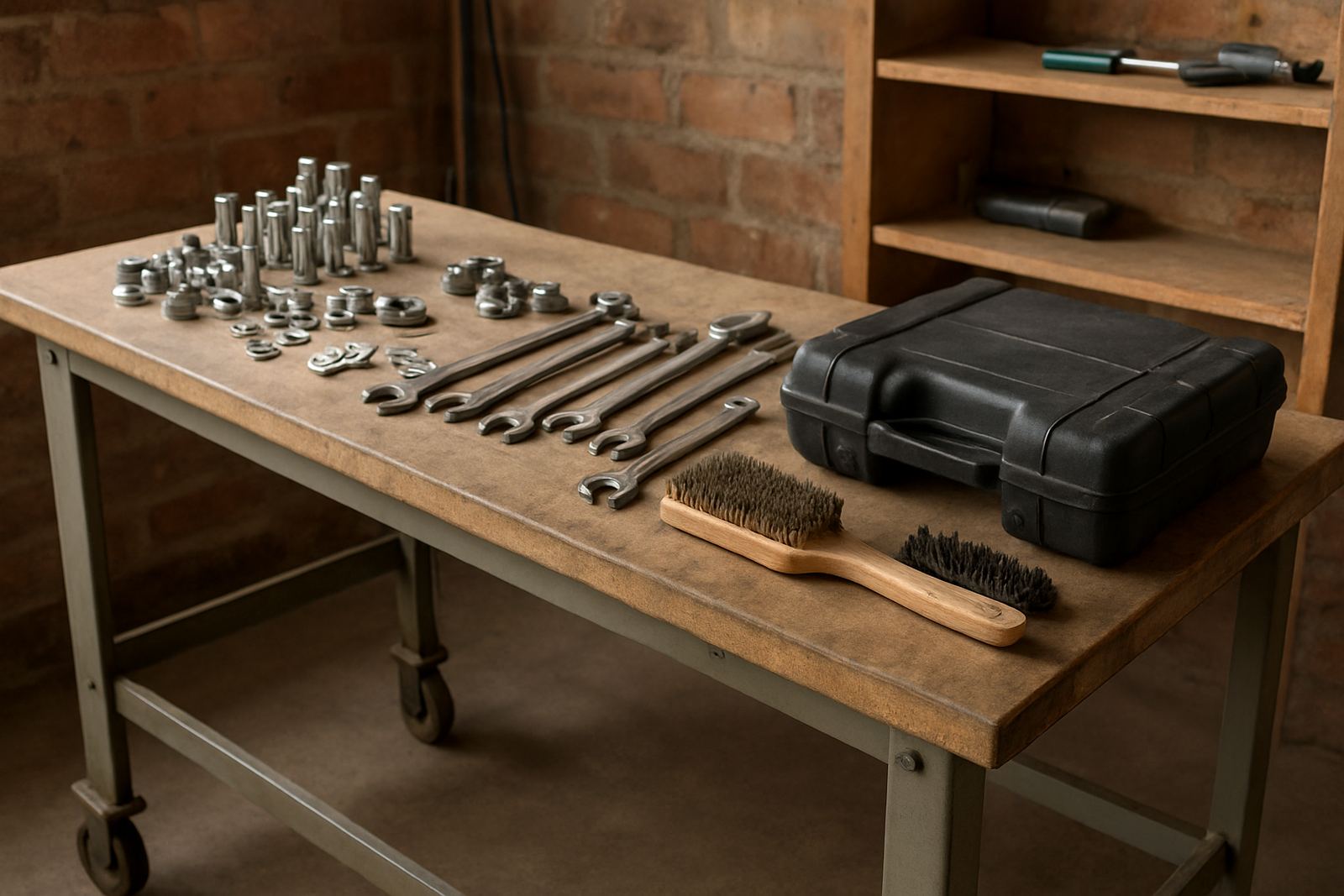
- Fastener assortments for bumpers, mudguards and trim panels
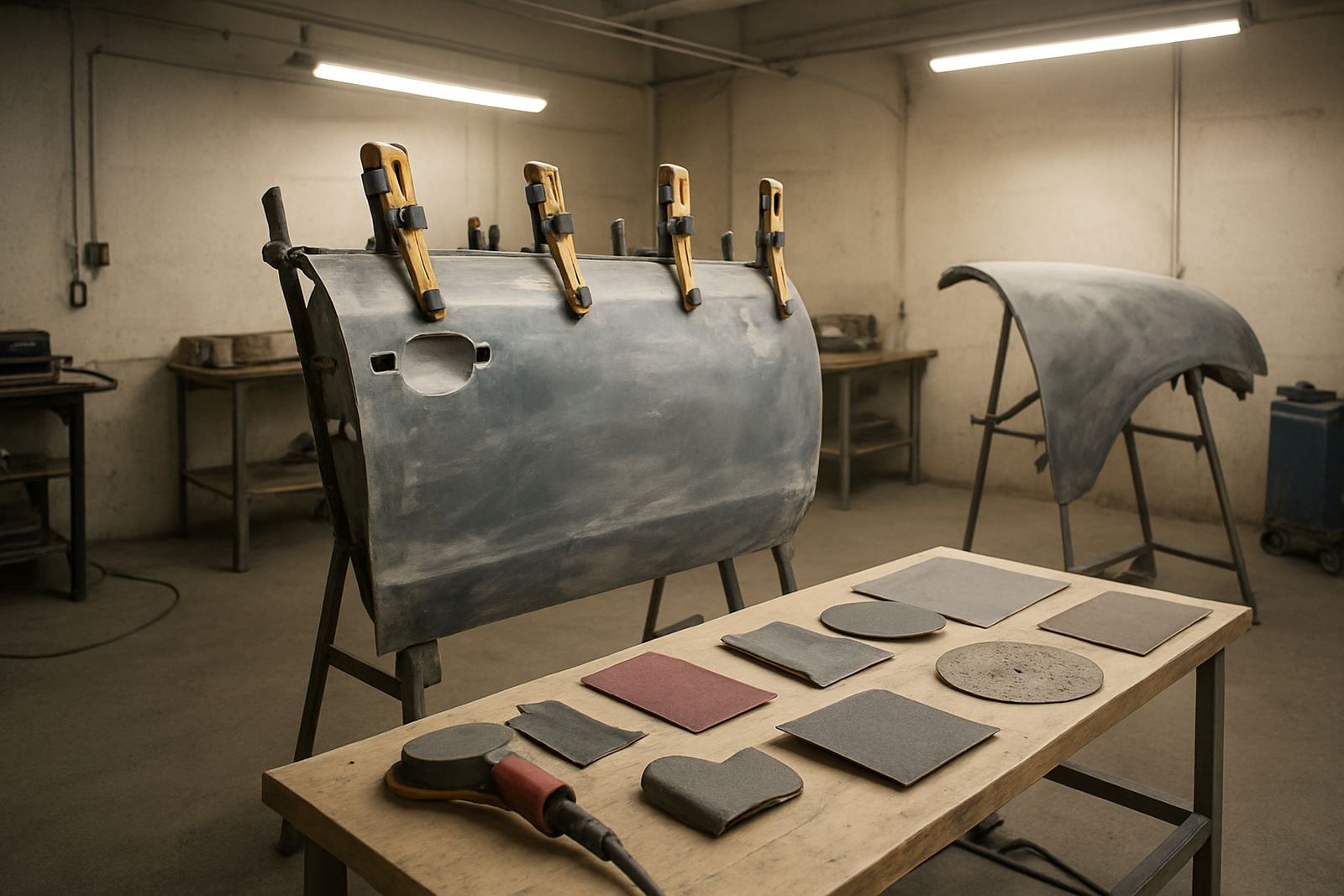
- Cutting and sanding accessories for prep before filler or paint
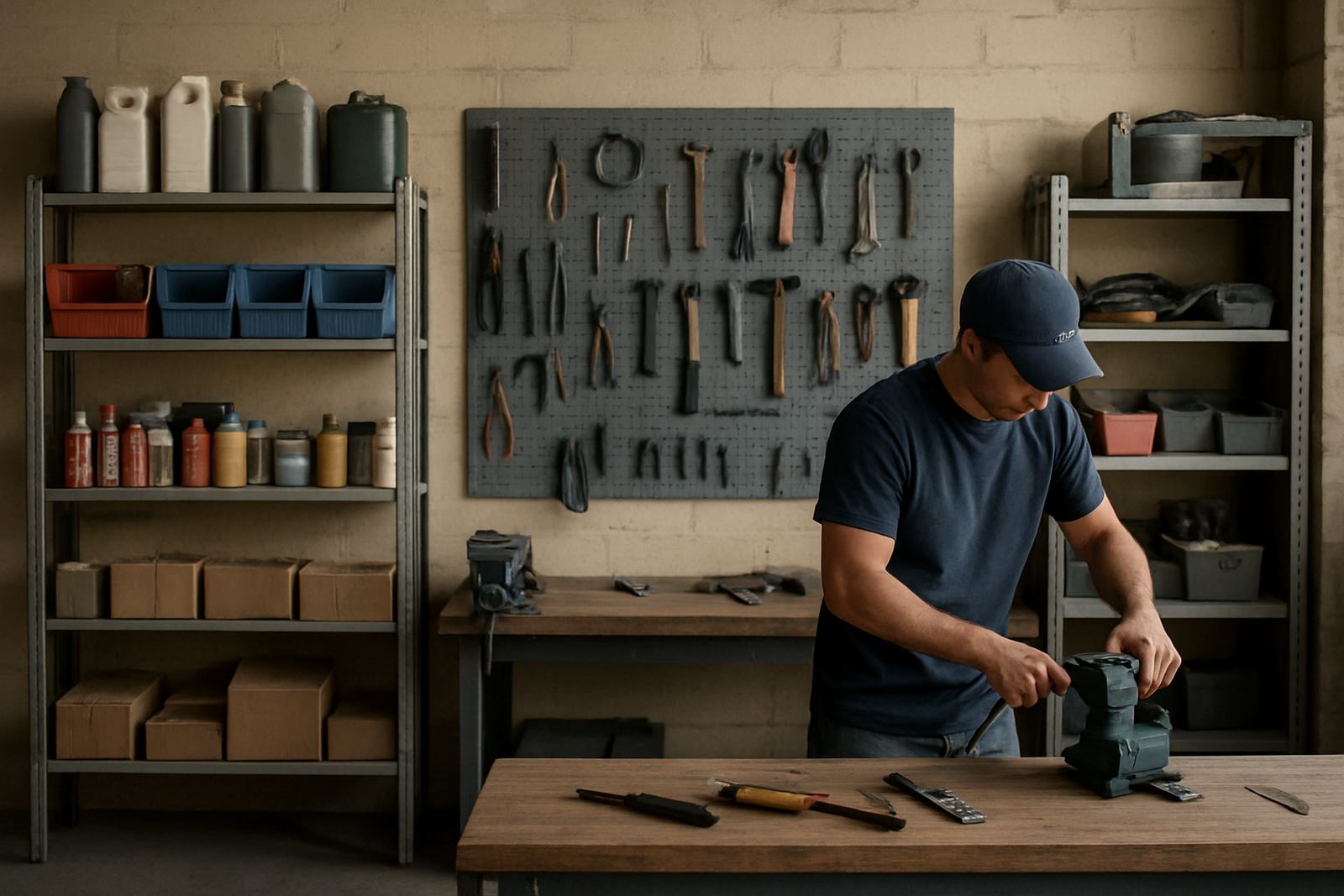
- Labelled storage for small parts, screws and clips
Starter kits that suit repair shops and mobile work
A lot of shops do not need every item at once. A smart starter kit covers stripping, refitting, fastening and storage first then you add specialised items as the team grows. That is useful if you are opening in Westmead, setting up a second bay in New Germany or sending a technician out to a fleet yard in Durban North.
Typical panel beating kits include screwdrivers, pliers, clip tools, scraper blades, measuring tools, marker pens, fastener boxes and a few power-tool accessories for prep work. If your team handles interior repairs as well, add trim tools, socket sets and a small consumables pack with tape, masking items and cleaning cloths. The aim is not to overbuy, it is to cover the work you do every week.
- Basic kit for one bay: R2 500 to R6 500
- Workshop starter kit for a small team: R8 000 to R18 000
- Shared body repair and trim setup: R15 000 to R35 000
- Heavier setup with storage and replenishment stock: R30 000 to R60 000
Layout advice for cleaner jobs and fewer lost parts
Panel beating work slows down when tools are spread across benches, floors and vehicle seats. A simple layout with one strip zone, one prep zone and one fastener station makes a big difference. Keep the most used items at waist height and the small parts within reach of the mechanic who is fitting them back. It sounds basic, but it cuts walking time and the job stays neater.
For workshops near busy roads or industrial areas, dust control matters too. Closed boxes, lidded parts trays and wall storage help reduce grit on clips and sliding mechanisms. If you are doing regular repairs on hatchbacks, bakkies and fleet vans, standardising your stock list also helps because everyone reaches for the same sizes and types of fasteners.
Jameson Tools supports tool kit planning and stock list standardising for shops that want fewer repeats and less waste. That is useful when you are managing several technicians and need one clear system for replenishment, especially during load-shedding when you want the bay organised before power comes back.
Common mistakes when fitting out a body repair area
The biggest mistake is buying heavy kit before the basics are sorted. Another is mixing repair tools with general hardware until no one can find the right clip or bit on time. Some shops also keep too many odd fasteners, which fills drawers with leftovers and still leaves gaps when a common vehicle comes in. Better to keep a controlled list and replace used stock on purpose.
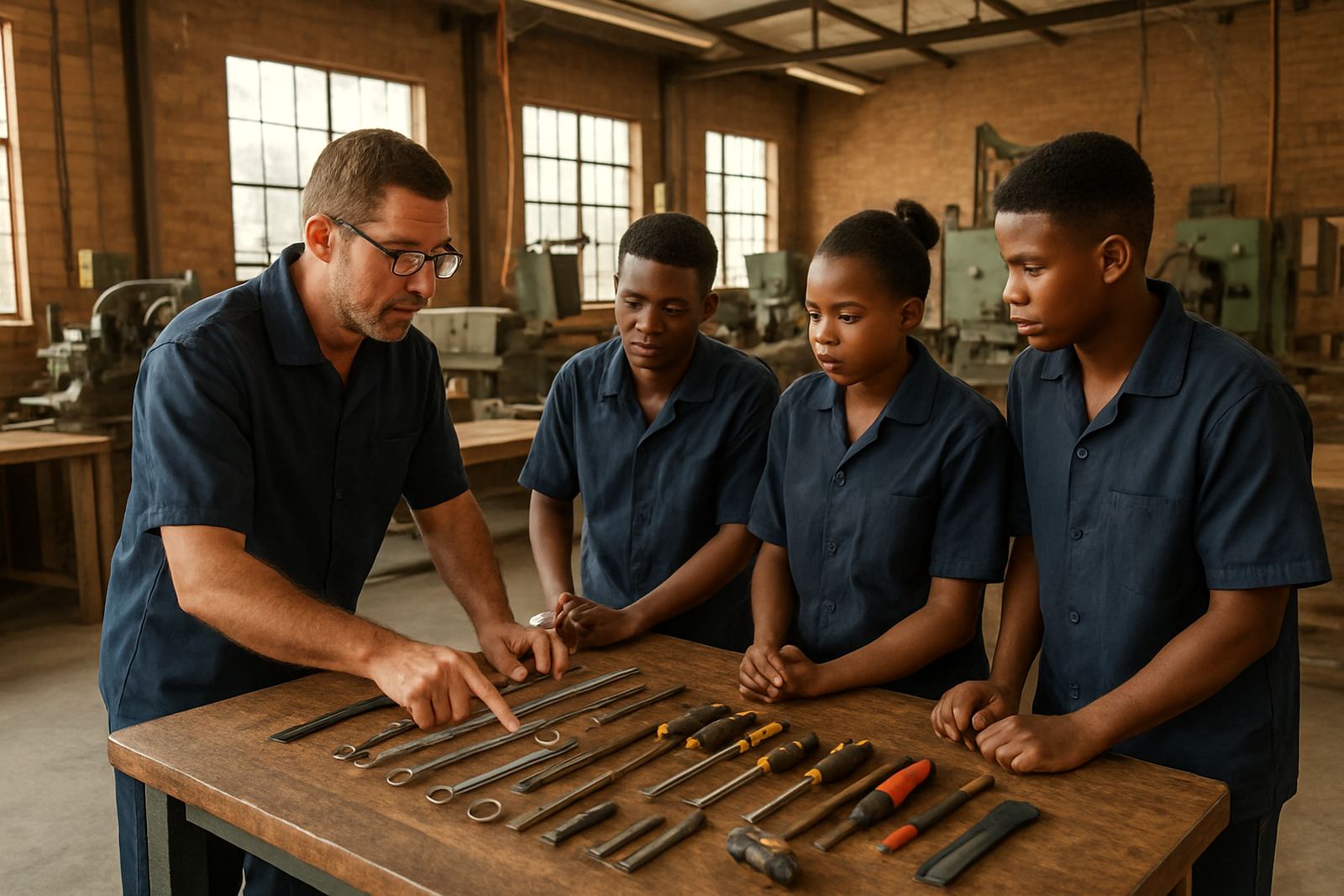
It is also easy to forget training. A good set of tools only works well if the team knows how to use them without damaging panels or trim. On-site tool inductions and short refreshers help with that, especially where new staff are handling customer vehicles. And yes, a missing clip can turn a simple job into a comebacK if the fitting is rushed.
- Buying specialty tools before core hand tools are covered
- Using one mixed box for all clips, screws and trim fittings
- Ignoring rust protection for coastal workshops
- Keeping no spare consumables for urgent repairs
- Skipping tool checks after busy weeks or late shifts
Planning for the way South African workshops actually run
Most body repair shops need supply support that fits real working hours, not just office hours. That means courier delivery to Pinetown, Hillcrest, Umhlanga and surrounding areas, plus nationwide delivery when you are moving stock between branches. It also means having someone to talk to when you need tool replacement matching or a quick refill on the items that vanish fastest.
Seasonal refreshes help too. Before holiday traffic or after a big fleet contract, it is worth checking clip sets, cutting blades, tape, gloves and storage trays. For many shops, a replacement and replenishment plan prevents the last minute dash to a retailer in the middle of a rush. That saves fuel, time and a fair amount of frustration.
If you are setting up a new panel beating area or improving an old one, Jameson Tools can help with workshop setup advice, starter kit bundling and trade account support. The goal is simple: have the right tools where the work happens, without overcomplicating the bay.
What budget should you allow
Budgets depend on whether you are kitting a single repair station or an entire workshop. A lean setup for one tech might focus on hand tools, fasteners and a few accessories, while a larger operation will need storage, replenishment stock and duplicate sets so teams do not wait around. For Durban and nearby towns, it also helps to allow a little extra for humidity-safe storage and courier restocks.
As a working guide, many small shops start with R5 000 to R12 000 for a practical core set. Medium shops often spend R20 000 to R45 000 once they add storage, consumables and matching stock lines. Larger repair operations can move beyond R60 000 when they want several bays covered properly. The point is to buy for the jobs you do most, not the jobs you might maybe do one day.