School workshops that need order, not clutter
In a school setting, tools get handled by many hands in one day. That means the kit has to be simple to issue, easy to count back, and tough enough for repeated use. For technical schools, vocational subjects, and after-school practical classes, the best setup is usually one that keeps the first purchase manageable while leaving room to grow term by term.
We work with schools in Pinetown, Durban North, Umhlanga, Hillcrest and nearby areas that need a clear starting point. Some are fitting out a brand new room, others are replacing old mixed stock that no longer matches the lesson plan. The aim is to get the right mix of hand tools, power-tool accessories, consumables and storage so staff can focus on teaching, not chasing missing items.
Where load-shedding is part of the weekly schedule, schools also need a plan for manual tools that still allow the lesson to continue safely. A well chosen starter set can keep a class productive even when machines are off and the timetable is full.
Typical equipment for practical training rooms
A school workshop does not need every item on day one. It needs the right core pieces that match the subject and the learner level. For most technical classrooms, we help build around a basic hand-tool core, a few workshop consumables, and accessories that support supervised practical work.
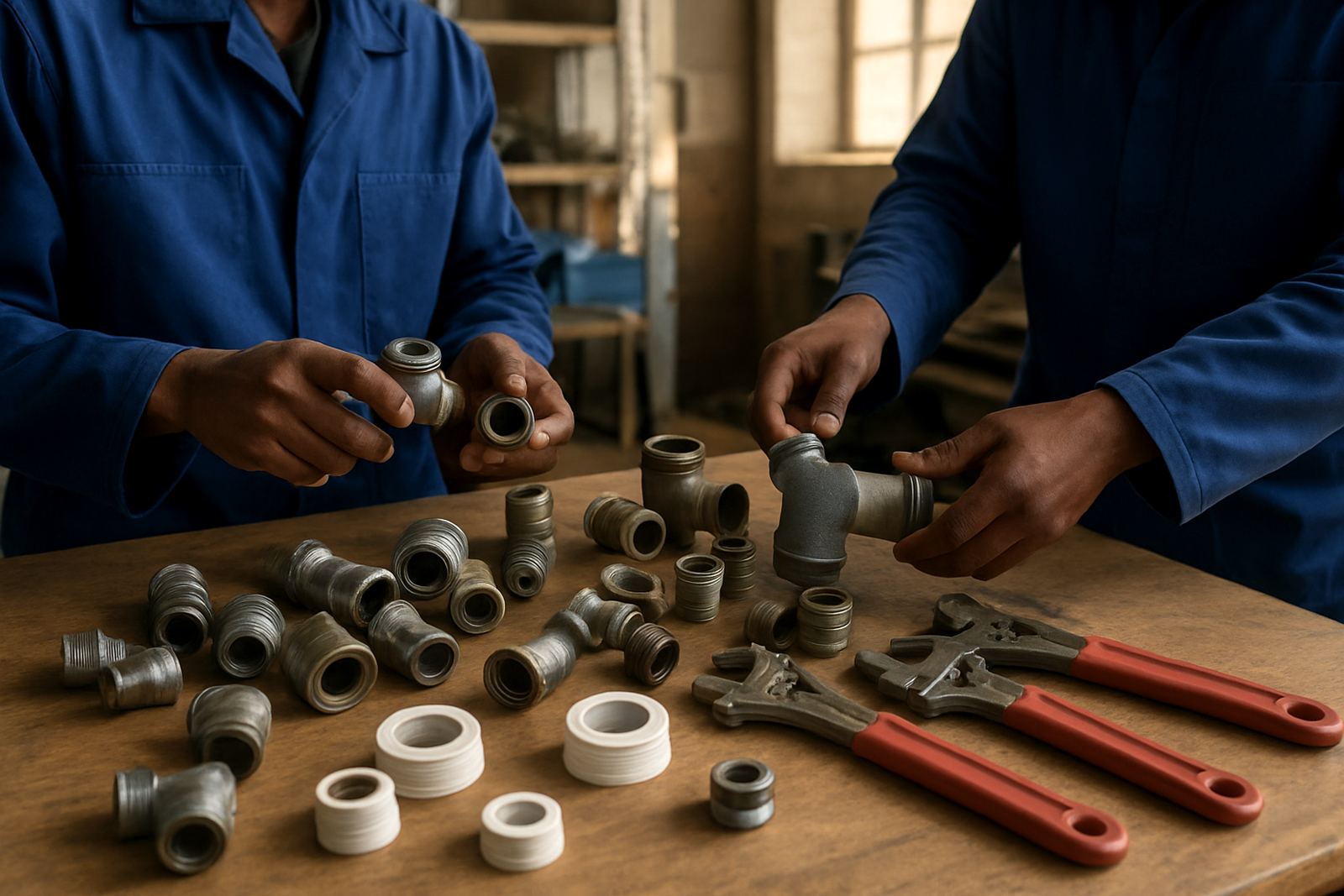
- Spanners, pliers, screwdrivers, hammers, chisels and measuring tools
- Cutting, drilling and fastening accessories for compatible power tools
- Work gloves, safety spectacles, marking tools and clamps
- Drill bits, saw blades, sanding discs and replacement tips
- Toolboxes, organisers and labelled storage trays for class control
- Starter bundles for woodwork, metalwork, maintenance or general trade practice
For schools teaching multiple grades, we often separate the stock into learner sets and teacher control sets. That reduces loss and makes it easier to issue tools by table, by class, or by practical station. It also helps when one group needs files, another needs drills, and the rest are on measuring and marking tasks.
Planning the room so lessons run properly
The right tools work better when the room layout supports the lesson. In many school workshops, the biggest problem is not the tools themselves but the way they are stored and issued. If the room is cramped, the instructor spends too much time moving people around instead of teaching. If storage is too far from the work area, tools disappear during break time or get returned to the wrong place.
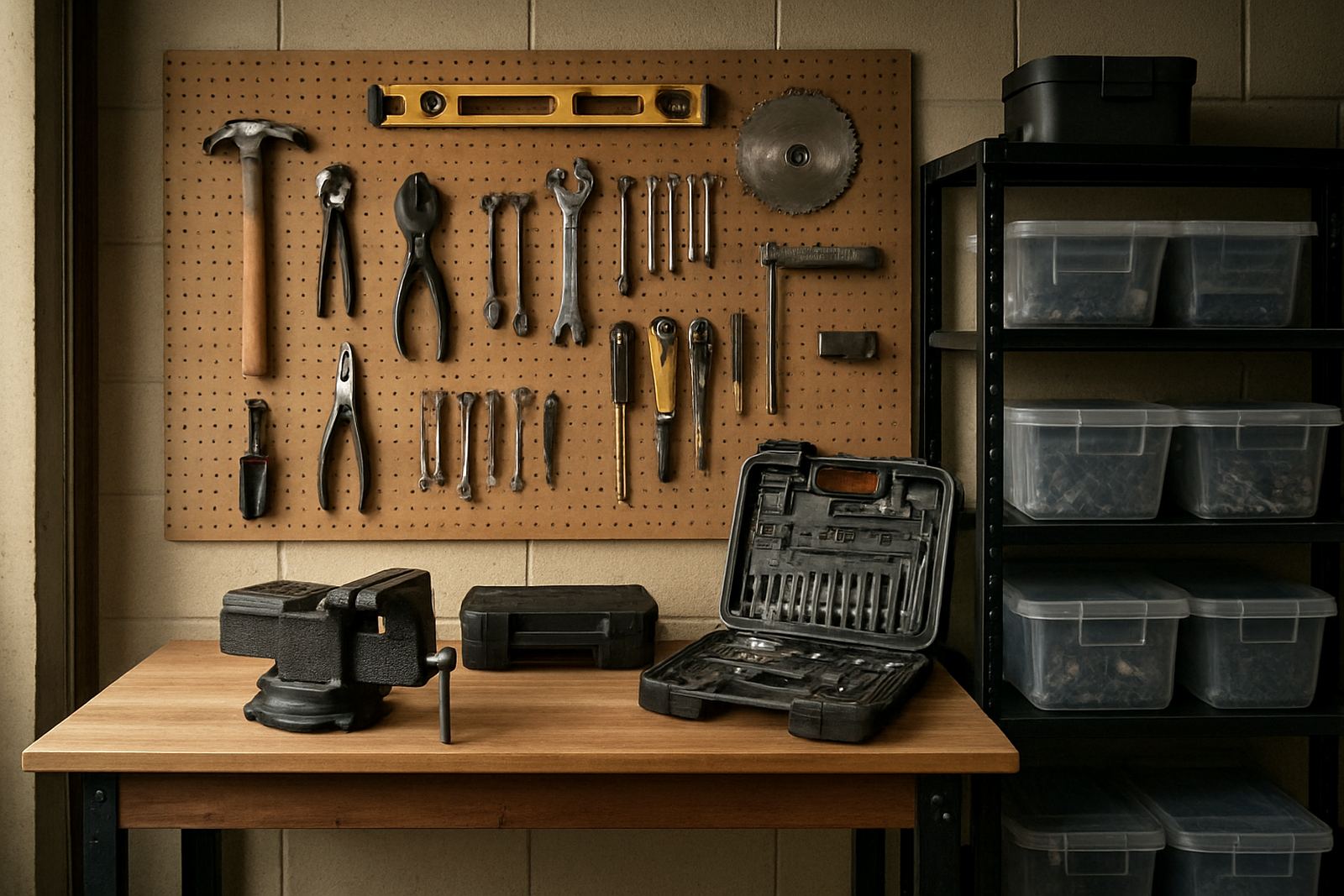
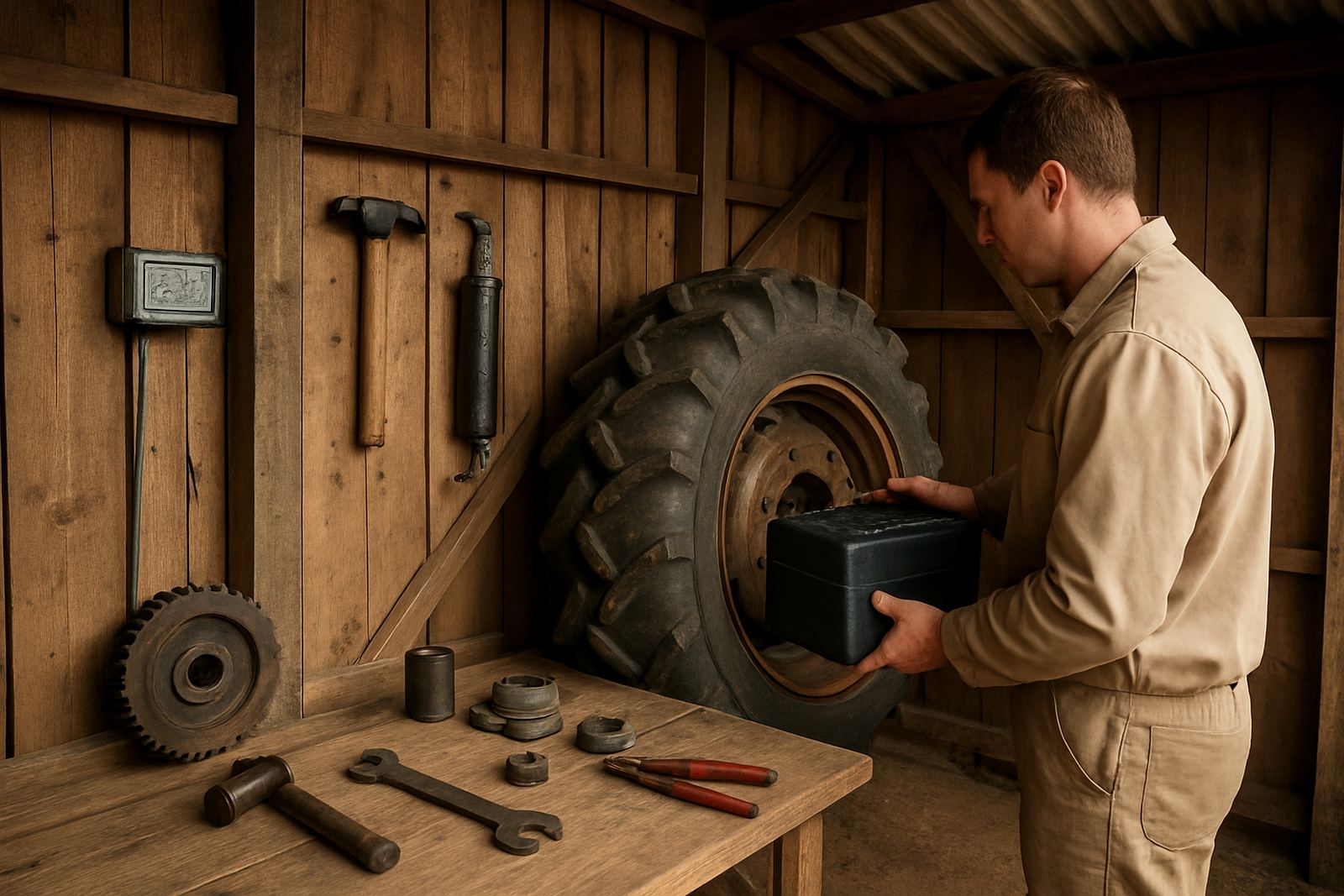
We usually suggest a simple flow: storage at one side, issuing point near the front, benches or stations in the middle, and a clear area for demonstration. Keep the most used items at waist height and the rarely used stock in sealed containers. In humid coastal areas like Durban, consumables and steel tools should be stored dry and checked often for surface rust.
- Label drawers, shelves and trays by subject or class group
- Keep counting sheets with the issue point and not in a separate office
- Use shadow boards or marked outlines where practical
- Separate sharp tools from general classroom stock
- Plan for fast pack away after lessons so the room is ready for the next group
A clean layout also helps with supervision. If the teacher can see every bench and every tool position at a glance, it is much easier to keep the class moving and to spot missing items early.
Common mistakes when schools buy workshop stock
The most expensive mistake is buying mixed tool stock without checking if it suits the lesson plan. A school may end up with good quality items that are not compatible with existing drill sizes, storage space, or the practical tasks on the syllabus. Another common problem is buying too much of one item and not enough of the consumables that wear out first.
Schools also under-order replacement items. Drill bits blunt, screwdriver tips strip, rulers go missing, and clamps walk off between terms. If there is no replenishment plan, the workshop starts each term short of the small parts that keep lessons going. That is why stock list standardising matters. When the list is clear, replacement becomes much easier and the ordering is less rushed.
One thing we often see is a room fitted for a single teacher’s preference instead of the full department’s use. That might work for a month or two, but it becomes a problem when another teacher takes a class or a new subject is added. It is better to choose general purpose items first, then add specialist tools once the basics are under control.
Budget ranges for school workshop starter kits
Budgets differ widely depending on the size of the class, the subject, and how much of the room is already in place. For a small practical room that needs basic hand tools, labels, storage and a starter supply of consumables, many schools start in the range of R8,000 to R20,000. That can cover a useful first round of stock without overcommitting the term budget.
For a fuller technical classroom with multiple learner sets, better storage, replacement consumables and a wider mix of accessories, budgets often sit between R25,000 and R75,000. Larger workshops or multi-class setups can run higher, especially where the school wants matching replacement stock and a proper replenishment schedule. It helps to break the spend into opening stock, replacement stock and training support.
If the school is working with fundraising, departmental grants, or phased procurement, we can split the order into stages. That way the room stays usable while the stock list is built up over time, rather than waiting for one big order that strains the budget all at once.
Training support for teachers and learners
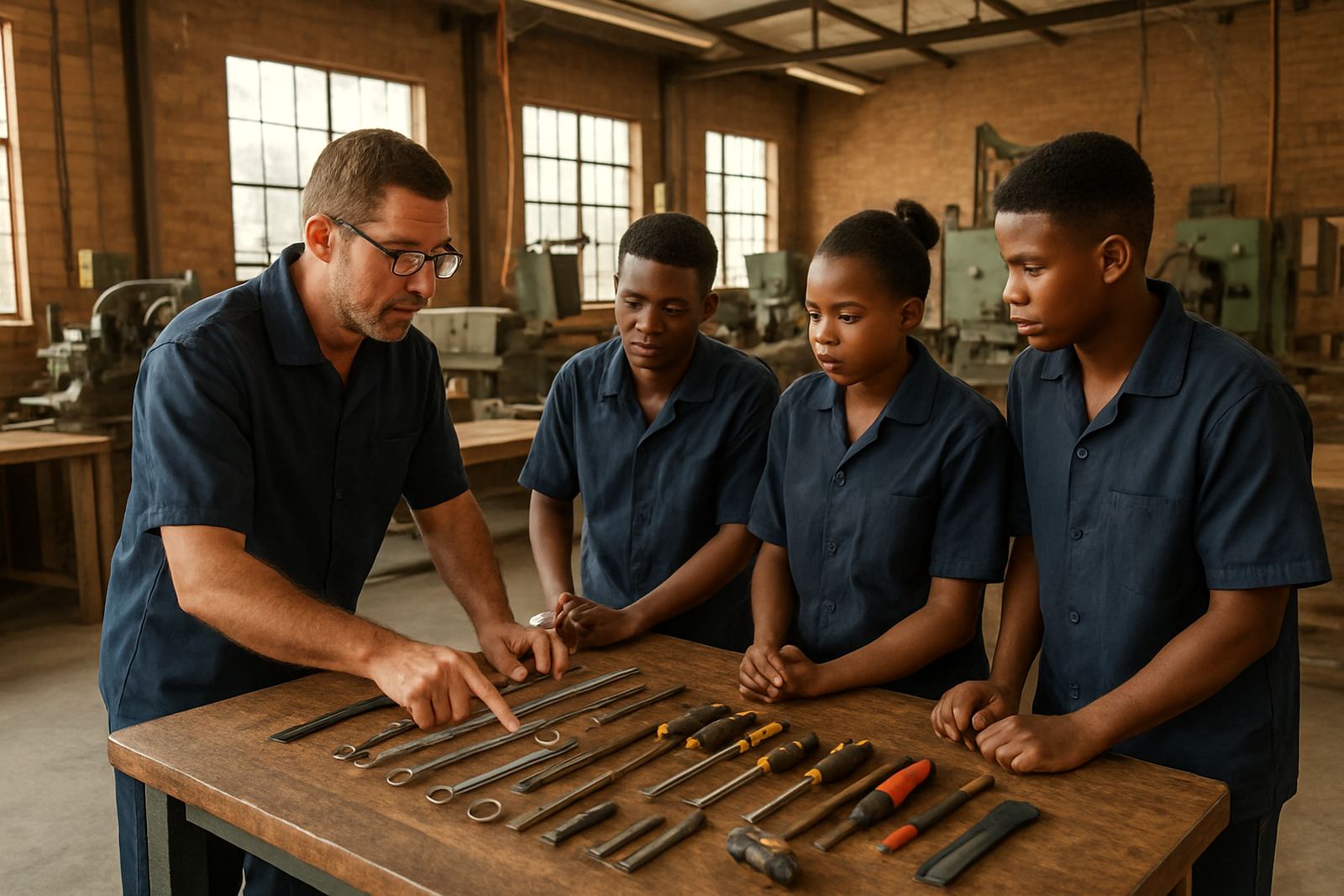
A school workshop is not only about tools. It also needs people to know how to use them properly. That is why training-friendly equipment and short practical inductions make such a difference. When learners see the correct way to handle, measure, tighten and store tools, the room lasts longer and the lessons run with fewer interruptions.
We support schools with on-site tool inductions, starter kit bundling, and practical guidance for staff who are taking on a workshop for the first time. The support can cover tool care, safe issue and return, simple maintenance, and how to keep a replenishment list that makes sense for the next term. For schools in Pinetown, Westmead, New Germany and across Durban, courier delivery can be arranged nationwide so the stock arrives where it is needed.
If a school needs help choosing between alternatives, our technical sales team can match replacement items to the tools already in use. That keeps the workshop consistent and reduces waste, which matters when every Rand has to stretch a bit further.
Getting the first order right
The first order does not need to be huge, but it should be deliberate. Start with the tools that support the actual timetable, then add the consumables and storage that keep the room orderly. Once the class structure is clear, the rest becomes easier to plan. A school that begins with a sensible starter set is far better placed to grow the workshop over two or three terms than one that buys in a rush and has to fix the gaps later.
If you are setting up a technical classroom, upgrading a workshop, or replacing old stock that no longer matches the subject, Jameson Tools can help with kit planning, trade account support and delivery coordination. The goal is simple: practical stock, clear issue control, and a room that works for both teaching and hands-on learning.