What a farm repair shed needs to handle
On a working farm, the repair shed is not just for big breakdowns. It has to cover daily wear and tear, gate repairs, irrigation fittings, tractor upkeep, welding prep, borehole checks and all the small jobs that stop becoming small if they wait too long. The right setup saves time when a pump fails after hours or a bolt backs out during harvest.
Most farms around Pietermaritzburg, Estcourt, Dundee and the North Coast need tools that can handle dust, moisture and rough handling. Coastal humidity near Durban North and Umhlanga can rust poor-quality tools quickly, while inland sheds often deal with heat, red dust and hard concrete floors. A good shed plan makes room for storage, charging, spares and clear stock counts so you can see what is missing before the weekend rush.
We normally start by looking at the work done on site, the number of staff who use the shed and whether there is reliable power. If load-shedding is common, cordless gear, hand tools and a simple battery rotation plan matter as much as the tool list itself.
Typical equipment set for farm maintenance
The right kit depends on whether your crew is fixing fencing, maintaining implements or handling general workshop jobs. A useful farm repair shed usually needs a balance of hand tools, power-tool accessories and consumables, not just a few loose items on a shelf.
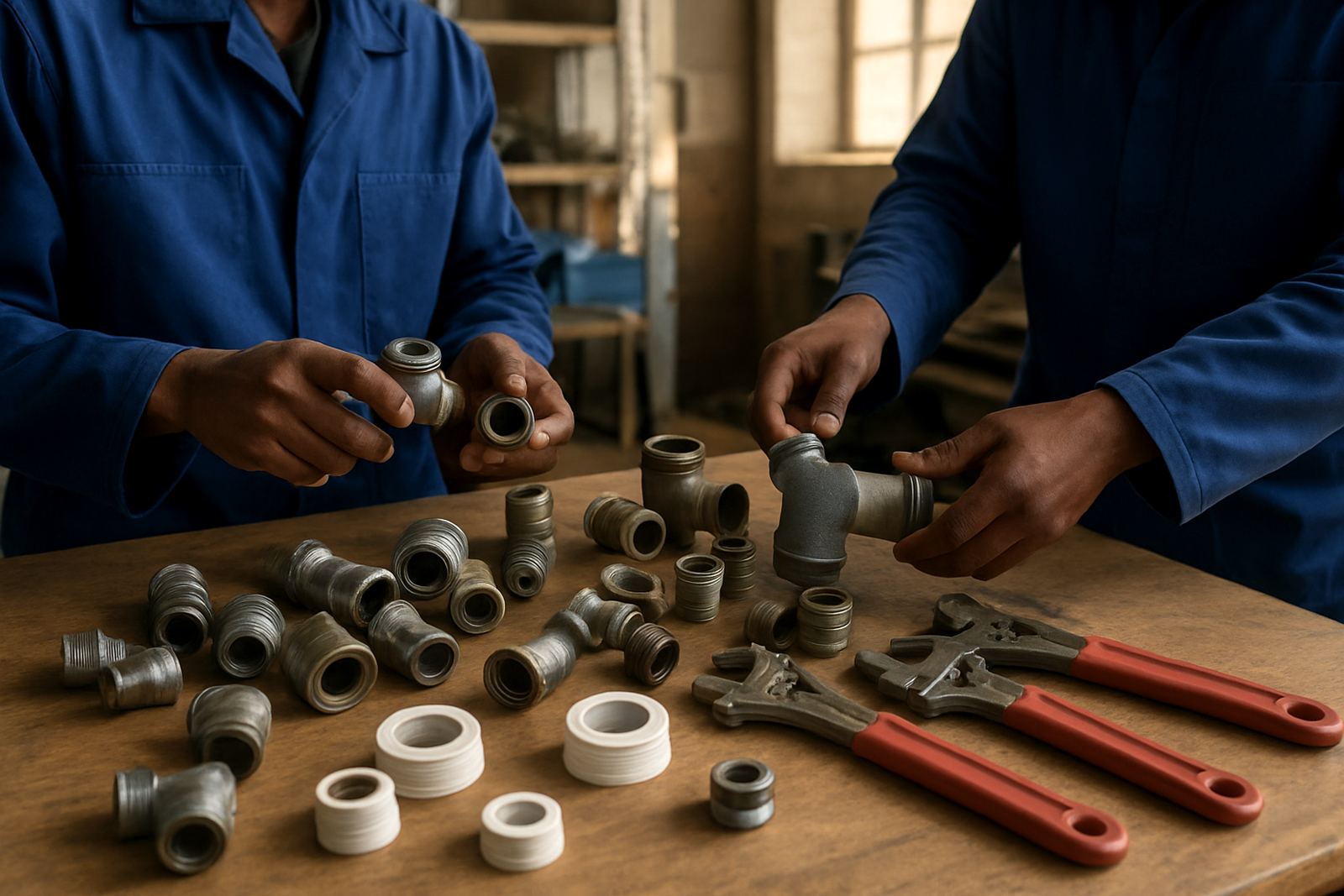
- Spanners, pliers, screwdrivers and adjustable tools for daily repairs
- Socket sets in common metric sizes for farm machinery and trailers
- Hammer types, punches, chisels and pry bars for stubborn fittings
- Cutting discs, drill bits, sanding items and grinding accessories
- Measuring tools, tape measures and marking gear for fabrication and fitting
- Gloves, eye protection, ear protection and basic first aid supplies
- Fasteners, hose clips, cable ties, tape, lubricants and thread compound
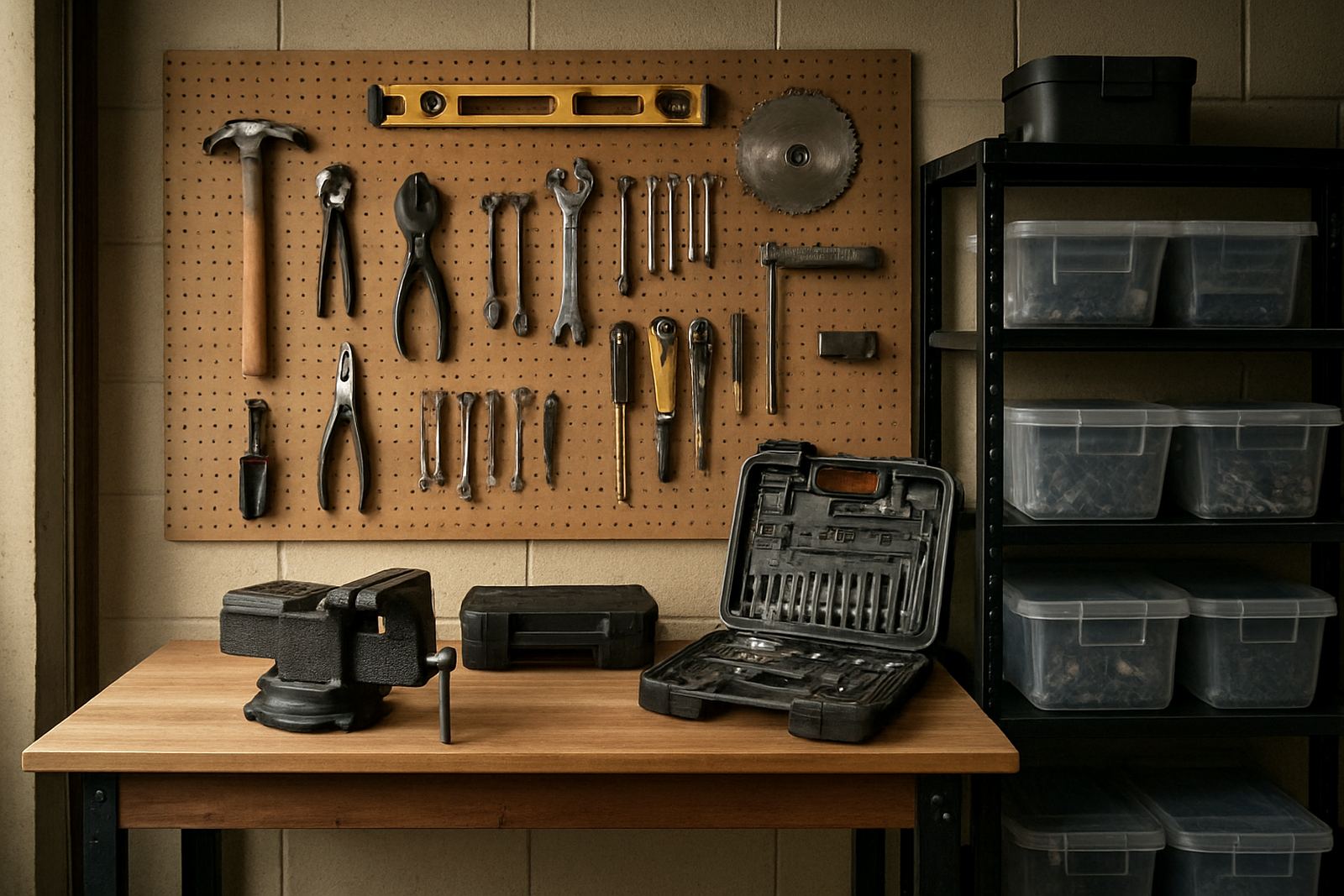
- Starter storage boxes, carry cases and labelled parts trays
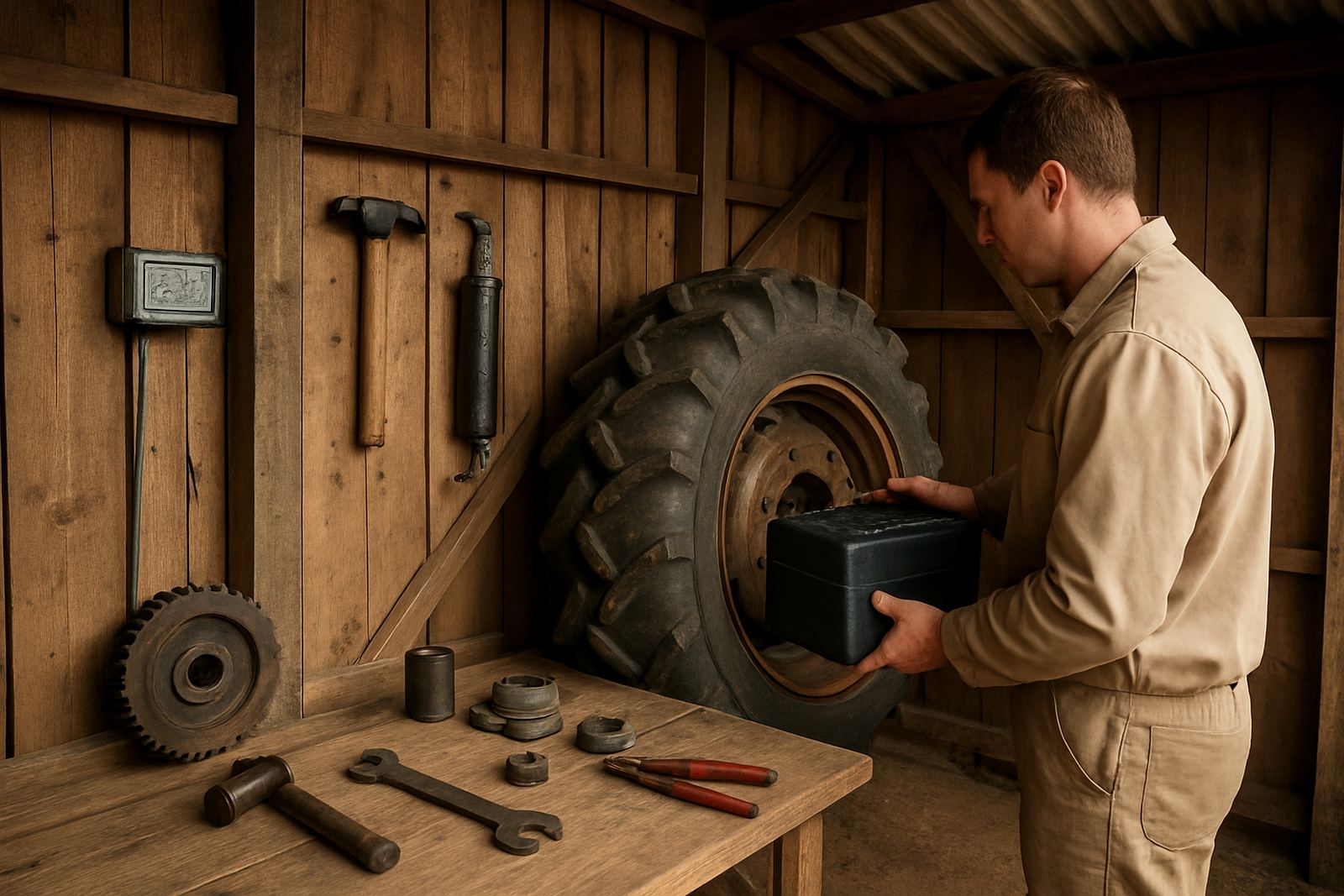
For many farms, a second set of frequently used tools is worthwhile so one kit can stay in the repair shed and another can travel in a bakkie. That way the crew is not stripping one area just to fix a puncture in the lands or a broken hinge at the kraal.
How to plan the layout so tools stay usable
A farm shed works best when the layout follows the jobs, not the shape of the wall space. Start with the tools that are used every week, then place less common items higher up or in lockable storage. If several people share the area, label shelves and drawers by task, such as fencing, servicing, cutting and electrical repair.
Keep consumables near the workbench, and heavy items low so they do not fall on anyone. Allow a clear strip for stripping and assembling equipment, plus a dry corner for chargers, batteries and sensitive measuring gear. In wetter coastal areas, a sealed cabinet or lidded bin helps protect bits, blades and spare fittings from corrosion.
We also suggest one board or list for stock control. It does not need to be fancy. A written list or laminated sheet can show what runs low first, which saves trips into town and helps with monthly ordering. If you standardise what is kept on hand, it is much easier to train new staff and keep the shed tidy.
Common mistakes we see on farms
Many farm sheds start with good intentions and then fill up with mismatched tools, old offcuts and duplicates that never get used. The biggest problem is usually not having enough of the items that fail often, while buying extras of things that spend most of the year in a drawer. Another common issue is mixing workshop tools with field tools, then losing both when a job gets busy.
- Buying cheap kits that wear out before the first busy season ends
- Leaving consumables loose in open bins where dust and moisture get in
- Keeping batteries uncharged during long power cuts
- Not matching sockets and spanners to the machines actually on the farm
- Forgetting replacement blades, drill bits and grinding discs until the job stops
- Storing sharp or heavy items where workers have to reach over them
We often see farms overspend on big pieces of equipment before sorting the small consumables that keep work moving. A solid set of hand tools and repeat-use accessories will usually pay for itself faster than a shelf full of single-purpose items.
Budget ranges that make sense in Rand
Budgets depend on the size of the farm, the number of people using the shed and whether you are starting from scratch or topping up an existing setup. For a small repair point on a family farm, a practical starter budget can begin around R8 000 to R18 000. That would cover core hand tools, basic PPE, a few consumables and storage.
A more complete maintenance shed for a larger operation can sit between R25 000 and R65 000, especially if you need duplicate kits, charging stations, stock control labels and a wider range of accessories. If you are setting up a shed for multiple teams or for frequent machinery maintenance, the spend can move beyond that, depending on the level of standardisation and how much spares stock you want on site.
The cheapest option is rarely the best value on a working farm. If a tool fails during harvest or after-hours callouts, the real cost is the delay, not just the replacement item. We help clients choose the right mix so the money goes where it will be used most.
How Jameson Tools supports farm repair sheds
Based in Pinetown, Durban, we supply farms across KwaZulu-Natal and further afield with courier delivery nationwide. We work with owners, farm managers and maintenance teams in places like Westmead, New Germany, Hillcrest, Durban North and Umhlanga, then coordinate delivery to outlying areas where timing matters.
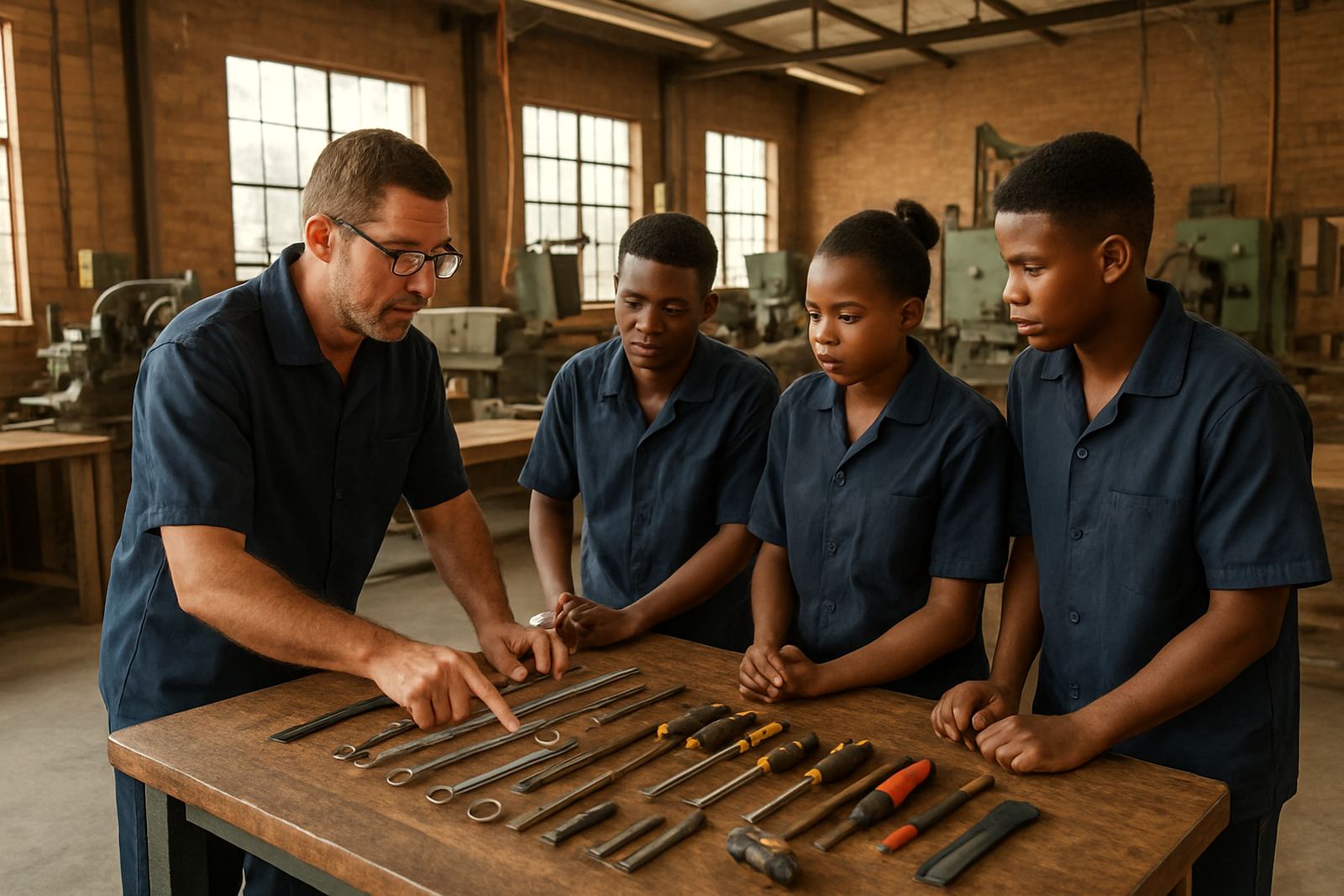
Our team can help with tool kit planning, workshop setup advice, stock list standardising, consumables replenishment, tool replacement matching and starter kit bundling. We also offer on-site tool inductions where needed, which is useful when a farm brings in new staff or moves from ad hoc buying to a proper maintenance plan. You can start with a single repair shed or phase the setup over a few months, depending on cash flow and the season.
If you want to get the shed sorted before the next planting or harvest cycle, send your list through and we will help you shape it into a working kit. A good farm shed should keep the team moving, not slow them down.