What plumbing crews usually need on the first load-out
For a plumbing crew, the first load-out is rarely about fancy extras. It is about the tools that get the pipe cut, the fitting tightened, the leak checked and the job signed off before the municipal water pressure changes or the client starts asking questions. Crews working in Durban, Pinetown, Westmead and Hillcrest often want mixed kits that cover maintenance work, small installs and workshop prep, with enough duplicate items so one lost spanner does not stop the team.
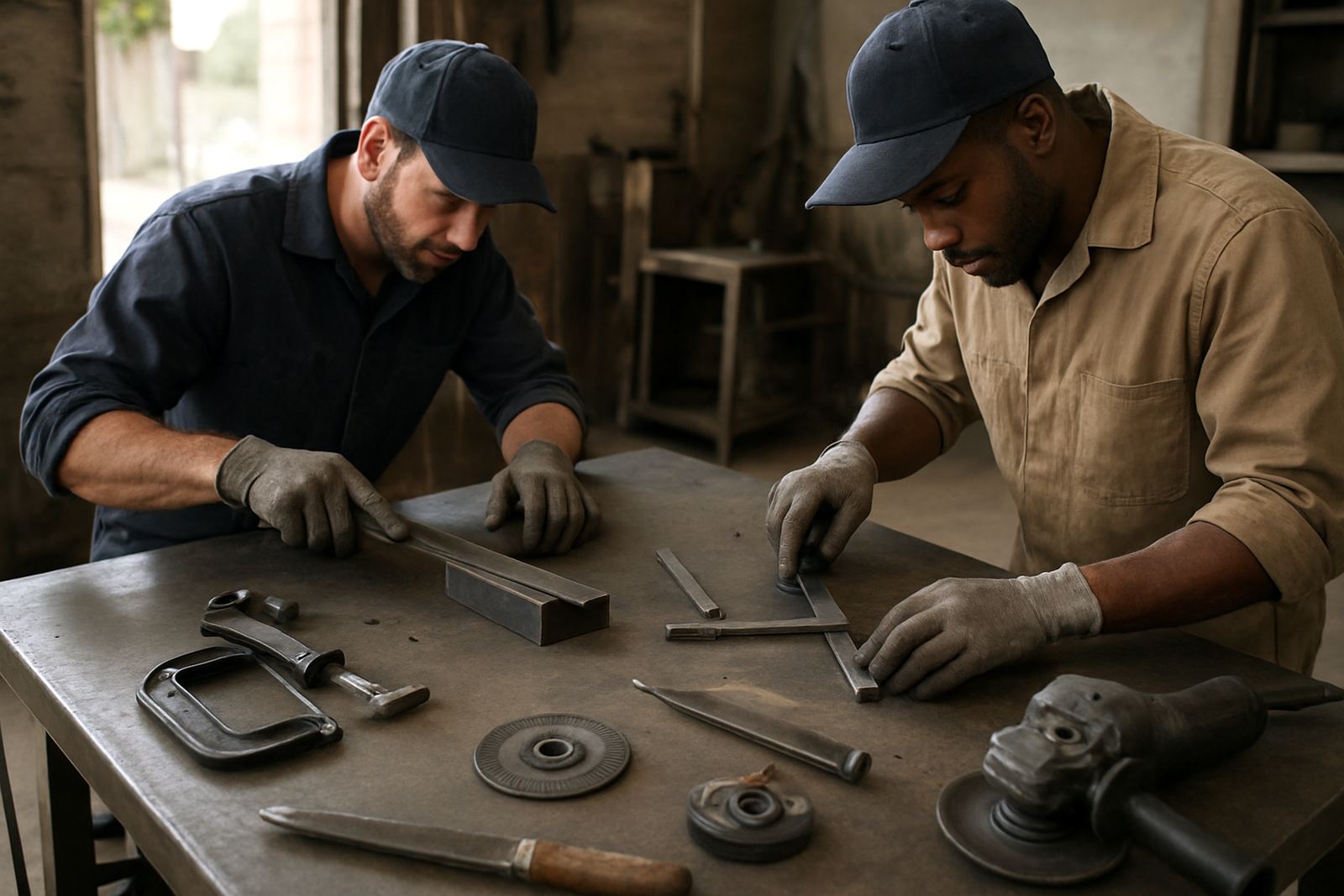
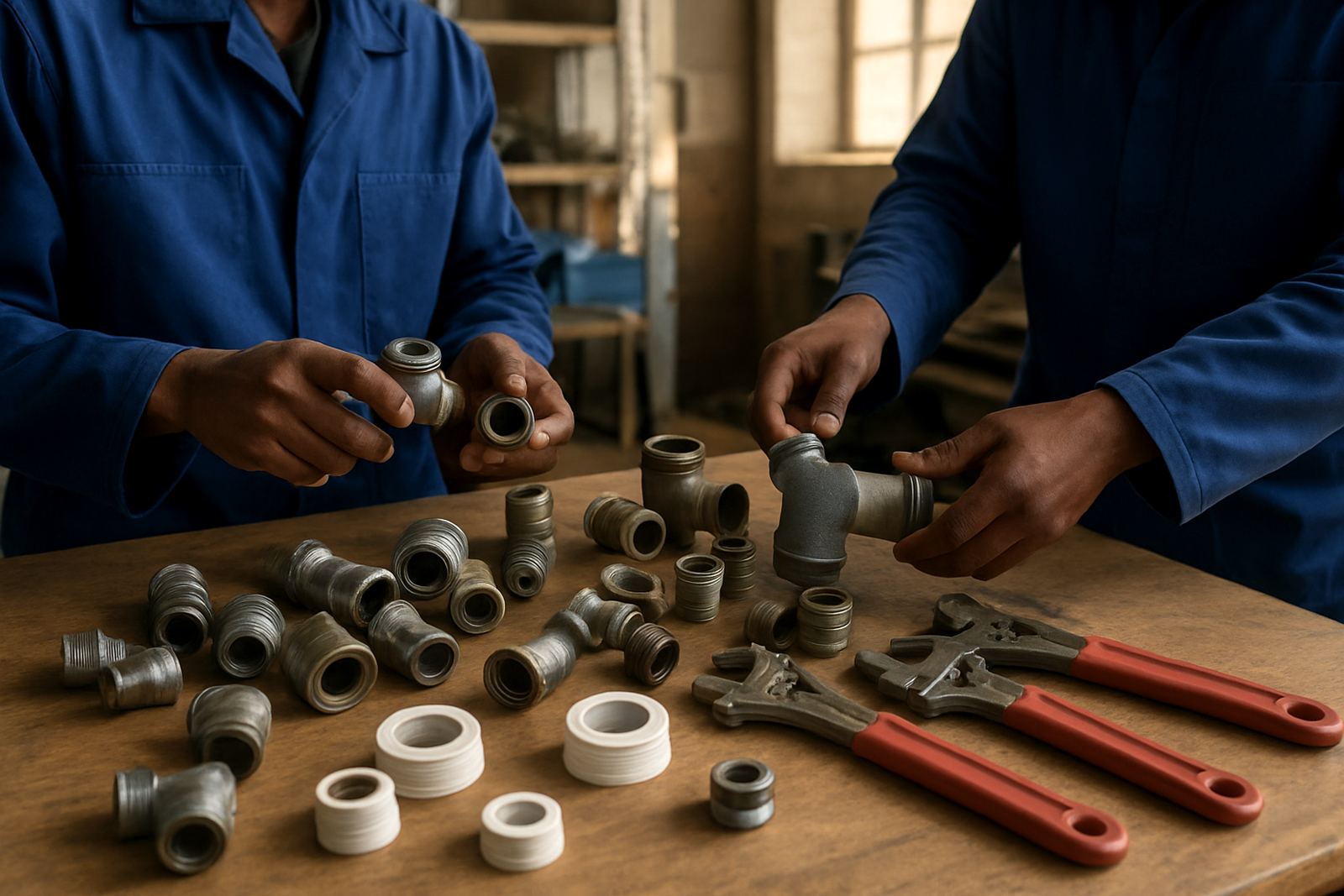
A sensible starter setup normally includes adjustable spanners, pipe cutters, screwdrivers, pliers, tape measures, spirit levels, hex keys, utility knives, hacksaw frames, marker pens and a few grips for awkward fittings. Add a set of socket tools, thread sealing consumables, measuring tools and a carrying case that can take daily truck use. Coastal humidity in Umhlanga and Durban North can be hard on metal, so storage and regular wipe-downs matter as much as the tool choice.
- Hand tools for tightening, loosening and general maintenance
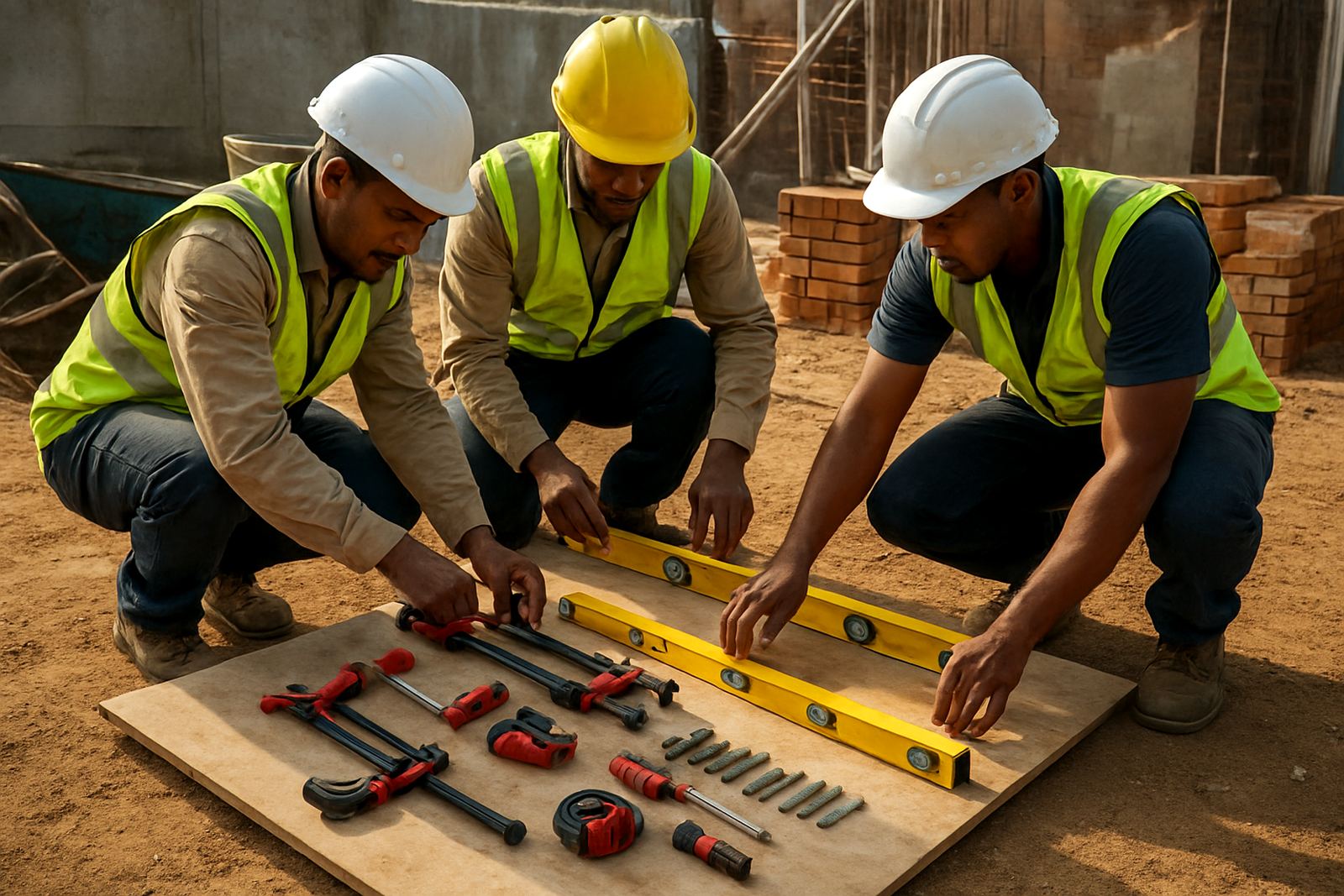
- Measuring tools for pipe runs, offsets and fixture placement
- Cutting tools for pipe, packaging and light site prep
- Consumables for sealing, marking and fast fixes
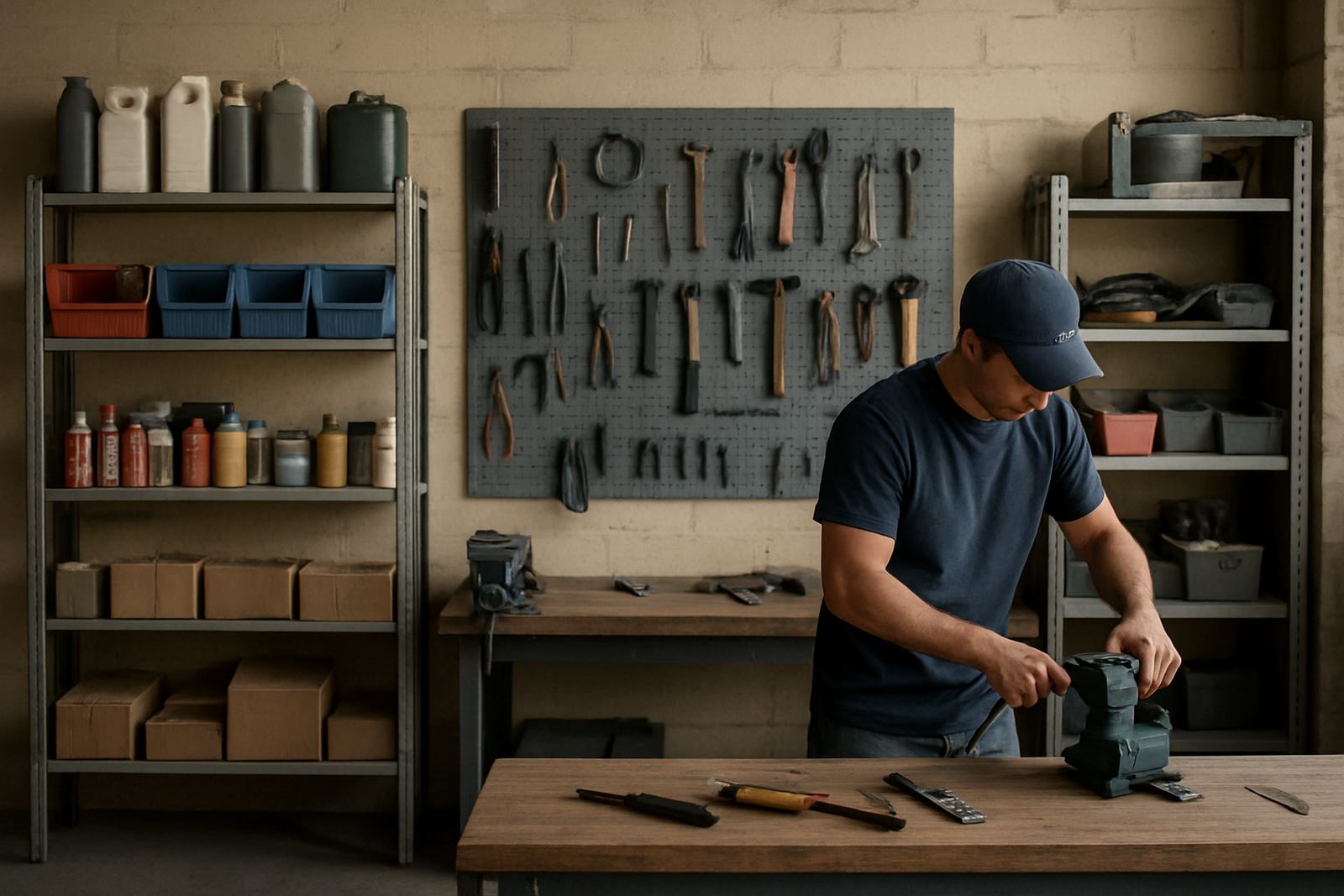
A practical kit layout for van stock and workshop shelves
Good plumbing crews keep tools split between the van and the workshop. The van needs daily-use items within reach, while the workshop should hold back-up stock, replacement heads, extra blades and the consumables that get used faster than anyone expects. If your crew covers Pinetown, New Germany and outer Durban jobs in one day, a clear layout saves time and stops the team from buying duplicate items every week.
We usually suggest three zones. The first is the mobile kit for site work, packed by task rather than by tool type. The second is the workshop rack for replenishment stock and shared items. The third is a small control box for fast-moving consumables like tape, sealant, blades and markers. If you standardise the list across the team, new staff settle quicker and stock checks become less of a headache, even when load-shedding interrupts the day and jobs shift after hours.
- Daily carry kit for site work and emergency call-outs
- Van stock for common replacements and spares
- Workshop stock for low-frequency or shared tools
- Consumable boxes for sealing, marking and measuring items
For teams with multiple vans, colour-coded trays or labelled pouches help keep kit where it should be. A missing tape measure or a borrowed bit set can waste a full morning if the stock is not tracked properly.
Tools that suit fitting, tightening and measuring work
Plumbing crews do not need every tool under the sun, but they do need the right core items. Fitting work calls for tools that hold securely, tighten without slipping and stay usable after repeated knocks in the back of a bakkie. Measuring work needs tools with clear markings and enough length for pipe runs, risers and cabinet clearances. Workshop preparation needs simple, reliable gear that makes stock ready before the crew heads out.
A balanced kit often starts with two or three sizes of adjustable spanner, a decent set of combination spanners, slip-joint pliers, long-nose pliers, a tape measure, a level, a marker, a square and a strong cutter. Add replacement blades, drill-related accessories for fixings, and a few storage cases so the kit is not mixed up with electrical or general maintenance stock. On larger sites in Umhlanga or commercial spaces in Durban North, crews often also ask for extra measuring tools so one person can verify while another installs.
Jameson Tools supports both professional crews and smaller contractor teams with kit planning that keeps the range practical. No one wants a truck full of random hand tools and no proper measuring gear. That is where the job slows down, and where call-backs start sneaking in.
Common mistakes crews make when buying plumbing kit
The biggest mistake is buying cheap, one-off items instead of a usable set. A single spanner might look fine on the shelf, but if it slips on a fitting or bends under pressure it creates more cost than it saves. Another common issue is failing to match the kit to the actual work. A maintenance crew in Pinetown needs different stock from a team doing small estate upgrades in Hillcrest or retail fit-outs in central Durban.
Another problem is under-ordering consumables. Crews often count the main tools and forget the items that disappear quickest, like blades, tape, markers, sealants and replacement bits. Then the van looks full but the job still stops. Also, some teams keep no spare measuring tools, which becomes a mess when one tape measure goes missing and everyone is asking around at 6am before the first call-out.
- Buying single tools instead of matched sets
- Ignoring consumables and spares
- Choosing kits that do not suit the type of work
- Keeping no back-up stock for high-use items
Budget ranges for plumbing crew starter kits
Budget depends on whether you are equipping one technician, a two-man crew or a full workshop stock room. For a basic plumbing starter kit in South Africa, a sensible entry range is around R1 500 to R4 000 for a compact hand-tool set with the essentials. A more complete crew setup, with stronger carrying cases, additional measuring gear and more backup items, often sits between R4 500 and R12 000.
If you are building a workshop-ready package for multiple teams, stock control and replenishment planning can take the spend higher, usually from about R12 000 to R35 000 or more depending on the number of vans, the amount of duplicate stock and the level of consumables held. It helps to cost the kit by job type, not by guesswork. A team doing emergency repairs will burn through different items than a crew that mostly handles planned installs.
For businesses in Durban, Pinetown and the wider KZN coast, courier delivery can help you phase the spend over a few orders instead of one large hit. That makes it easier to set up the crew properly and keep cash flow under control.
Training, replenishment and keeping crews job-ready
Tools work better when the crew knows how to use them and how to keep them sorted. Jameson Tools supports onboarding with practical guidance on kit use, stock list standardising and workshop setup advice. That matters for new staff, seasonal teams and contractors taking on more work during busy months. One quick induction can prevent tools being damaged in the first week, which saves money straight away.
We also help with consumables replenishment and tool replacement matching, so a worn item can be swapped for the correct equivalent instead of whatever happens to be in stock. If your crew is operating between Pinetown, Westmead and Hillcrest, or sending vans across Durban and beyond, a standard list keeps purchasing simpler and reduces admin. A tidy stock room is not glamorous, but it gets the job done.
For pricing, planning or a quick order, email orders@jameson.co.za. Based in Pinetown, Durban, Jameson Tools supports plumbing crews nationwide with courier delivery and practical advice that fits real trade work.