What a metal fabrication workshop usually needs first
Most metal fabrication jobs start with a simple question: can the team cut cleanly, fit accurately and finish fast enough to keep the next job moving? For a new workshop in Pinetown, Westmead or New Germany, the first buy is usually a mixed set of hand tools and accessories that cover marking, clamping, deburring, measuring and basic bench work. That gives your crew enough reach to handle brackets, frames, light plant repairs and site fabrication without overspending on items that sit unused.
A good starter setup is not only about the tools themselves, it is about how they are used across the floor. If one person is always walking to borrow cutters, another to find a square, and someone else is looking for replacement discs, production slows right down. A better approach is to group the everyday items by task and keep spares in the same area as the workbench or cutting station.
- Measuring and marking tools for accurate cuts and repeat work
- Clamps, vices and holding gear for bench fabrication
- Hand tools for trimming, fitting and basic assembly
- Cutting and deburring accessories that suit the material thickness you handle
Typical equipment set for cutting, fitting and finishing
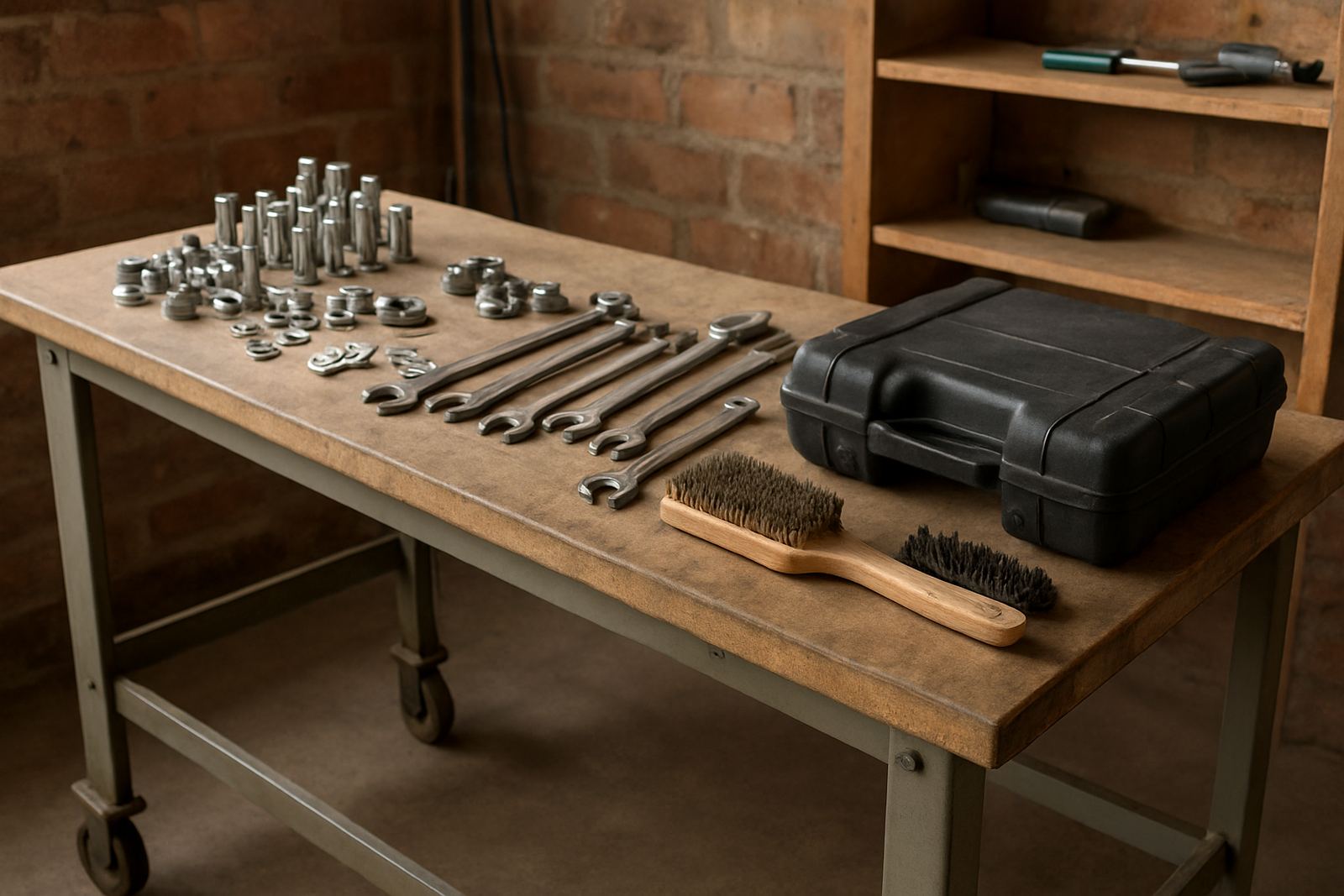
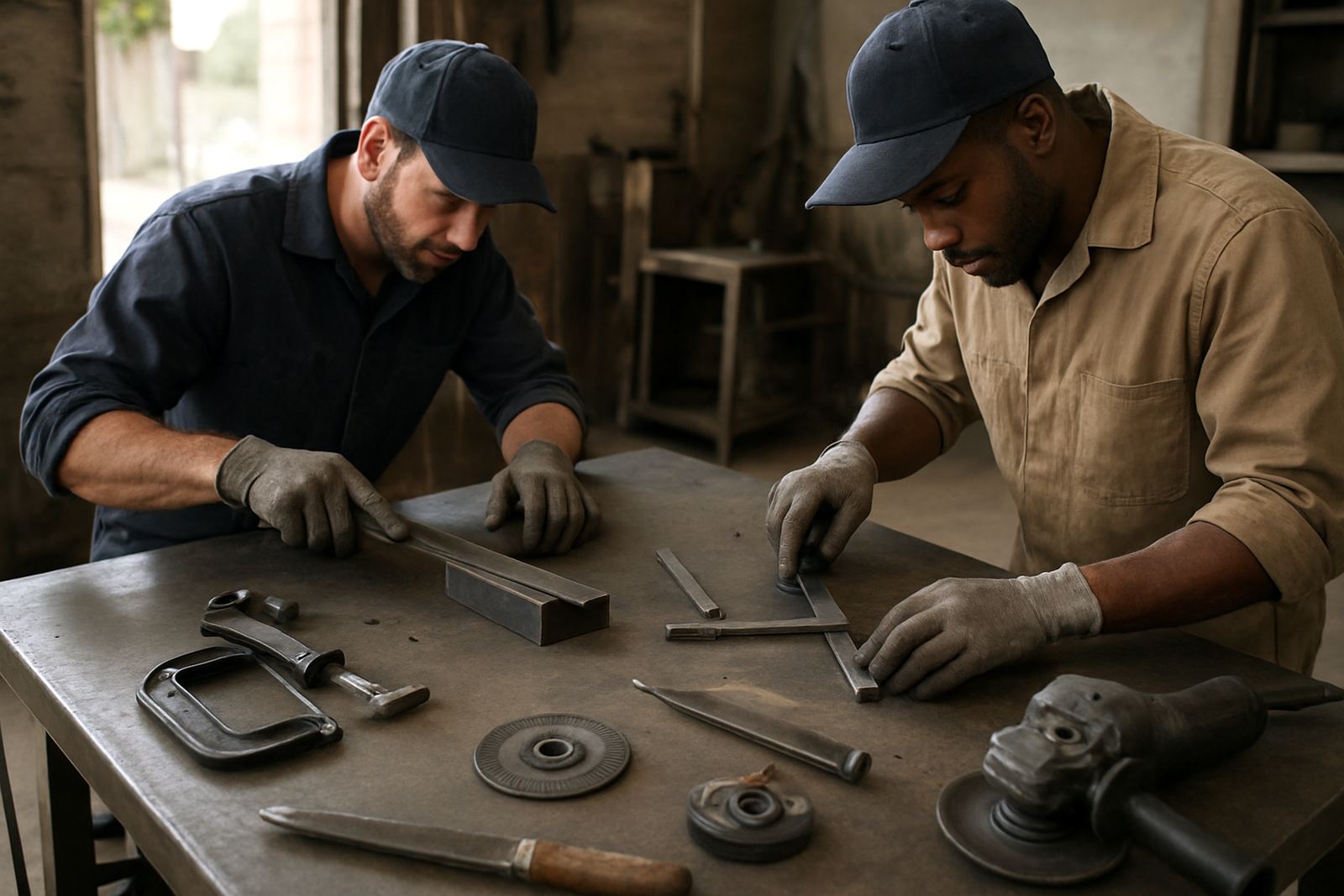
For metal fabricators, the kit normally includes a practical mix rather than one large purchase. Hand files, deburring tools, measuring tapes, steel rules, squares, scribers and chalk are common starting points. Add pliers, snips, adjustable spanners, hammers, punches and a few well chosen clamps, and most bench tasks become easier to manage. For cutting work, the right accessories matter just as much as the tool carrying them.
If your workshop handles both mild steel and stainless work, it helps to separate consumables by material. That makes stock control simpler and reduces cross contamination on finishing jobs. In Durban's humid conditions, storage matters too. Keep cutting accessories, steel rulers and small hand tools in dry cupboards or wall racks, especially if you are close to the coast where moisture builds up quickly.
- Hand files, half round files and deburring blades
- Adjustable spanners, combination pliers and locking pliers
- Steel rules, tape measures, squares and scribers
- Clamps, bench vices and magnetic holders for fitting work
- Consumables for cutting and surface prep, kept by material type
Layout advice for a cleaner bench and less wasted motion
A small fabrication shop can lose a lot of time to poor layout. If the cutting station is across the room from the bench, and the fast moving consumables are kept near the back door, the team spends more time walking than working. The easiest fix is to create zones: one for cutting and prep, one for fitting and assembly, and one for storage and issue. That keeps the right tools where the work happens.
We often suggest standardising the stock list first, then arranging the benches around that list. Once you know which 20 or 30 items are used every day, it becomes easier to plan shelves, shadow boards and replenishment points. It also helps during load-shedding because the critical hand tools and accessories stay ready even when powered equipment is delayed. In workshops with multiple teams, label each bay clearly so tools are returned to the same place every time, no more hunting before the next job starts.
- Keep measuring tools at the bench, not in general storage
- Store cutting accessories in closed bins to limit moisture and dust
- Place clamps and vices near fitting benches for quicker setup
- Separate new stock from used stock so re-ordering is easier
Common mistakes when buying for fabrication work
One of the biggest mistakes is buying only on price. Cheaper hand tools may work for a few weeks, then slip, bend or wear faster than expected, which ends up costing more. Another common issue is buying too many specialist items before the basics are covered. A workshop that cannot measure accurately or hold work securely will struggle long before it needs niche accessories.
We also see buyers forget about replacements. A fabrication shop uses certain items quickly, especially cutting and deburring consumables. If you do not track monthly usage, you run out at the wrong time and jobs wait. Stocking only one size or one style can cause delays as well, so it pays to keep the likely spares on hand. In workshop conditions around Durban and the North Coast, another mistake is storing tools open to humid air, which leads to rust on edges and fittings.
Finally, do not set up the store without thinking about how new staff will be shown the process. A clean tool issue point and a short induction save time and reduce damage. If everyone knows where the correct item sits and what it is used for, the work area stays in better order.
Budget ranges that make sense for South African workshops
Budget depends on how much fabrication you do and whether you are starting from scratch or replacing worn stock. For a lean starter setup with essential hand tools, measuring items and a basic set of cutting accessories, many small workshops plan between R3 500 and R8 000. That gives a workable base for light fabrication, repair work and on-bench assembly.
If you are setting up a busier operation with multiple benches, a better spread of clamps, replacement accessories and more complete tool coverage, it is sensible to look at R10 000 to R25 000. Larger trade workshops, especially those that take on repeat production or site support work, may spend more than that once stock holding and backup tools are included. The key is to buy in the order of use: daily tools first, replacement items next, then the extras that support faster turnaround.
For businesses in Pinetown, Hillcrest, Durban North and Umhlanga, courier delivery makes it easier to top up stock without waiting for a trip across town. That is useful when a job changes late in the week and you need extra consumables or a replacement tool by Monday morning.
How Jameson Tools supports metal fabricators
Jameson Tools works with metal fabricators who want practical supply, not guesswork. We help with tool kit planning, starter kit bundling and stock list standardising so your workshop keeps the right items on hand. If you are opening a new bay in Westmead or upgrading a long running shop in Pinetown, we can help match replacement tools, suggest sensible quantities and keep your consumables replenished.
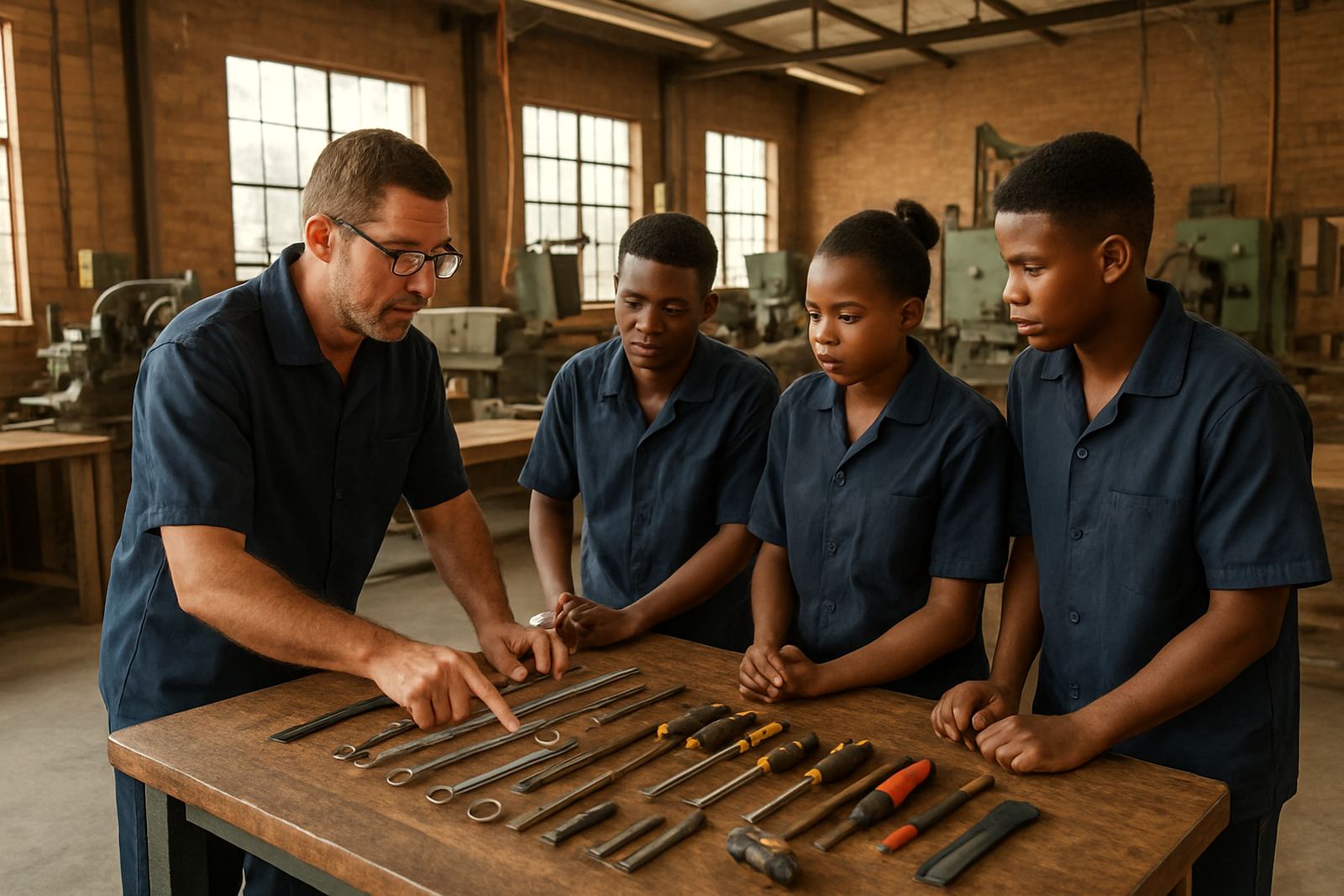
Training matters too. Some teams only need a short induction on correct use, storage and tool care while others want on-site guidance for new staff. That support is useful where turnover is high or where different crews use the same gear across shifts. With nationwide courier delivery, trade account support and direct help from our Durban base, you can keep the supply side steady while your team focuses on the fabrication work.
- Tool Kit Planning for new and expanding workshops
- On-Site Tool Inductions for staff and new starters
- Consumables Replenishment and replacement matching
- Starter Kit Bundling for entry level or trade use