Mixed Grit Sheets For Prep Through To Finish
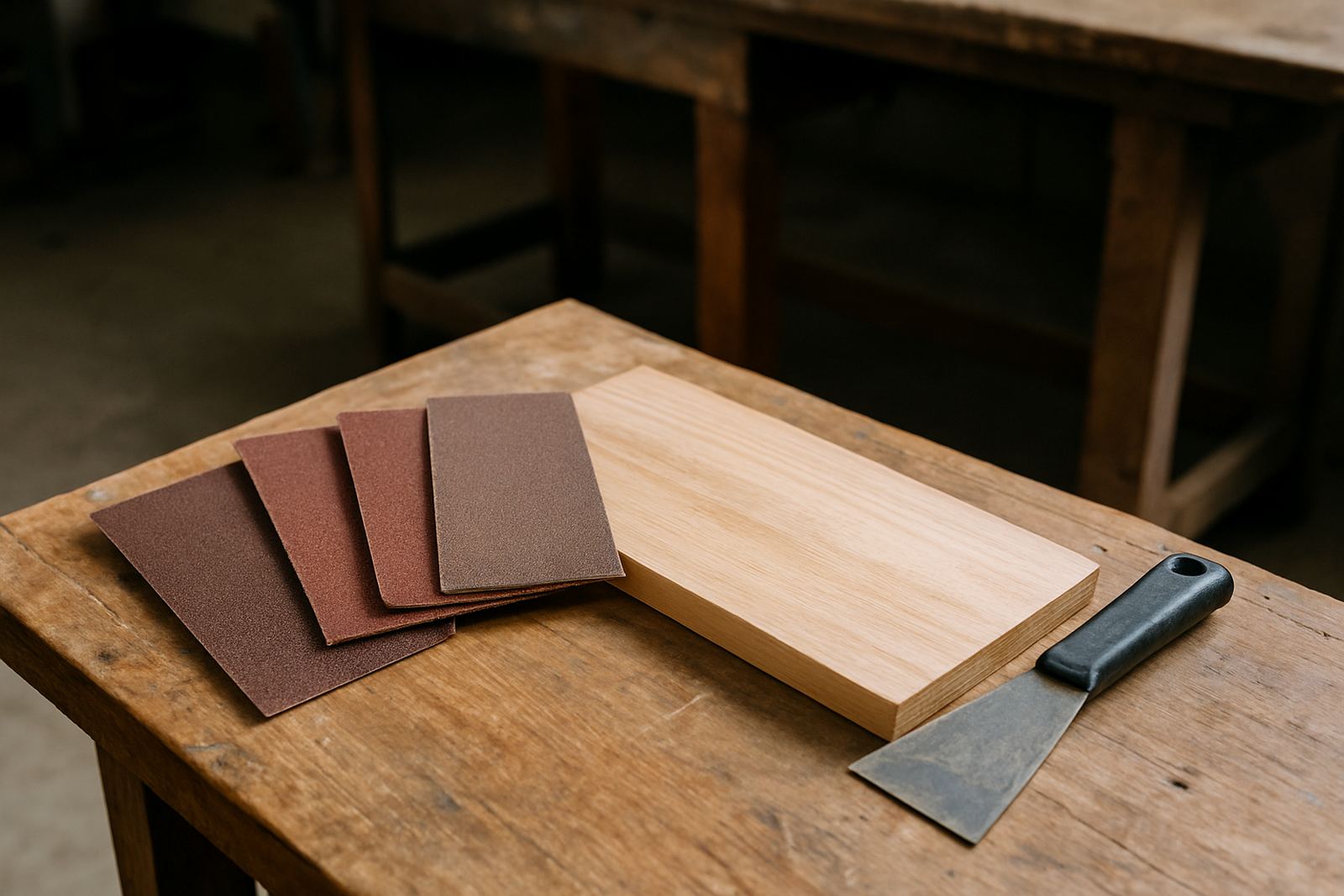
A sanding sheet pack is a simple way to keep the common grit steps together in one order. Instead of running short of one grade mid-job, you get a mixed selection for rough sanding, intermediate smoothing and final finishing. That makes it useful for tradespeople handling cabinet touch-ups, door repairs, timber prep, plaster patching and general workshop refurbishment work.
These sheets are made for regular workshop use and are suited to hand sanding blocks, compatible sanders where the sheet size matches, and trim work where control matters. In Durban’s humid conditions, a dry and tidy abrasive stock room helps sheets last longer, so it is worth keeping them sealed and away from open floors or damp shelving.
- Useful for wood, painted surfaces, filler and light metal prep
- Mixed grit selection reduces changeovers during multi-stage jobs
- Good for workshop benches, site repairs and refurbishing older stock
Sizes, Grit Options And Pack Layout
Most sanding sheet packs are supplied in a practical mix of coarse, medium and fine grits so you can start aggressive and finish cleanly. A common setup includes sheets for initial stock removal, surface levelling and final smoothing before sealing or painting. If you are matching an existing process, it helps to standardise your grit sequence across the team so jobs stay consistent.
Typical sheet sizes depend on the application. For hand work, smaller cut sheets are often used with sanding blocks. For machine use, larger sheet formats may be required to suit the sander pad. Before ordering, check the size needed by your tool and how many sheets you use per job. If you service customer equipment or do seasonal workshop refreshes, a mixed pack can also help with quick turnaround on small corrections.
- Available as mixed grit packs for staged sanding work
- Commonly used across coarse, medium and fine steps
- Choose the sheet size that matches your block or sander pad
Where The Pack Suits Job Sites And Workshops
This pack suits workshop teams, fitters, general repair crews and home users who need a sensible spread of abrasive grades. It is handy in furniture repairs, door and frame preparation, panel smoothing, skirting touch-ups, and light restoration work where you do not want to keep stopping for a different consumable. For businesses in Pinetown, New Germany and Westmead, it is a practical stock item to keep with adhesives, fillers and finishing supplies.
It also works well for contractors moving between site and workshop. When you are on the road around Hillcrest, Durban North or Umhlanga, a mixed pack means you are less likely to be caught short by a last-minute prep job. It is not a specialist item for heavy grinding, but it does cover the everyday tasks that slow a team down when the right grit is missing.
- Ideal for prep, finishing and refurbishment tasks
- Handy for trade workshops, mobile repair teams and DIY use
- Supports stock list standardising across multiple work bays
Setup, Power Needs And Job Conditions
Sanding sheets themselves do not need power or gas, which makes them useful during load-shedding or on sites with limited services. What matters is the tool or method you are using them with. If you are sanding by hand, all you need is a block or backing pad and a clean, dry surface. If you are fitting the sheet to a powered sander, make sure the fit is correct and the dust extraction points are clear before starting.
For best results, keep the work area ventilated and remove loose dust between grit changes. On coastal jobs, the extra moisture in the air can cause clogging sooner, so it helps to clean the surface often and avoid pressing too hard. Light, even pressure usually gives a better finish than forcing the sheet. When sanding near fresh filler or paint, check the drying time first so you do not gum up the abrasive.
Care, Storage And Replenishment Tips
Good sanding sheets last longer when they are stored flat, dry and away from direct floor contact. If packs are left open in a humid store room, the backing can curl and the abrasive can clog faster. A sealed container or drawer is better, especially in Durban areas where air moisture can build up through the day. It is also worth separating used sheets from new stock so the team does not grab the wrong grade by mistake.
For ongoing workshop use, set a simple replenishment point and keep an eye on how many sheets are used per week. This makes reordering easier and helps avoid job delays. Small habits matter here, like knocking out dust and not folding the sheet too tightly after use. If a sheet has worn unevenly, replace it rather than trying to stretch it for one more job, it usually costs more in time than it saves.
- Store flat in a dry cabinet or sealed tub
- Keep mixed grits sorted by grade for faster pick-up
- Replace clogged or torn sheets before finish quality drops
What To Check Before You Order
Before placing an order, confirm the sheet size, grit sequence and pack quantity you need for the work ahead. If you are buying for a team, it helps to know whether the pack is for wood prep, paint finishing or mixed refurbishment use. You should also check whether the sheets need to suit a specific block, sander pad or back-up plate. A small mismatch can waste time and lead to premature wear.
For trade accounts, it is useful to standardise the pack type across branches or workshop bays so the same consumable gets used on similar jobs. If you are planning starter kits or fitting out a new bay, ask for tool kit planning support and match the sanding pack with the rest of your consumables list. We can also help with courier delivery coordination nationwide from Pinetown, which is useful when you need stock moved quickly to another site or branch.
- Confirm grit range, sheet size and pack quantity
- Check compatibility with your block or sander
- Match the pack to the material and finish level required
Key facts
| Product type | Mixed-grit sanding sheet pack |
|---|---|
| Primary use | Prep sanding, smoothing and finishing |
| Suitable materials | Wood, paint, filler and light metal prep |
| Power or gas requirement | None for the sheets themselves |
| Pack style | Assorted grit selection for staged work |
| Care | Store flat, dry and sealed to reduce clogging |