A Ballito Joinery Brief With Real Workshop Pressure
The client was a small joinery operation in Ballito working on built-ins, cupboard components and custom timber finishes for homes around the north coast. Their workshop needed to move faster on repeat jobs, but also stay organised enough for accurate cutting, clamping and finishing without tools going missing between tasks.
The brief was simple on paper: improve the measuring chain, sort clamping capacity, and set up a finishing area that could handle day-to-day trade use. In practice, the space had limited wall room, a mixed team of experienced and newer hands, and a constant fight with dust, salt air and not enough time between site runs.
- Workshop type: timber and light joinery
- Location: Ballito, KwaZulu-Natal
- Main focus: measuring, clamping and finishing accessories
- User mix: trade staff plus owner-operated jobs
What Held The Job Up Before We Stepped In
The space had the basics, but not in a way that supported speed or consistency. Measuring tools were spread across drawers, clamps were short in some sizes and overstocked in others, and the finishing kit was patched together from old jobs. That made it harder to standardise work when more than one person was on the tools.
We also had to account for Ballito conditions. Coastal humidity affects timber movement and can shorten the life of accessories if they are not stored properly. Dust management mattered too, because the client wanted a cleaner prep area for sanding and finishing without turning the whole shop into a spray zone.
- Limited storage and mixed tool locations
- Humidity exposure from the coastal climate
- Need for tighter stock control on consumables
- Small footprint with no room for wasteful duplication
Measuring, Clamping And Finishing Kit We Supplied
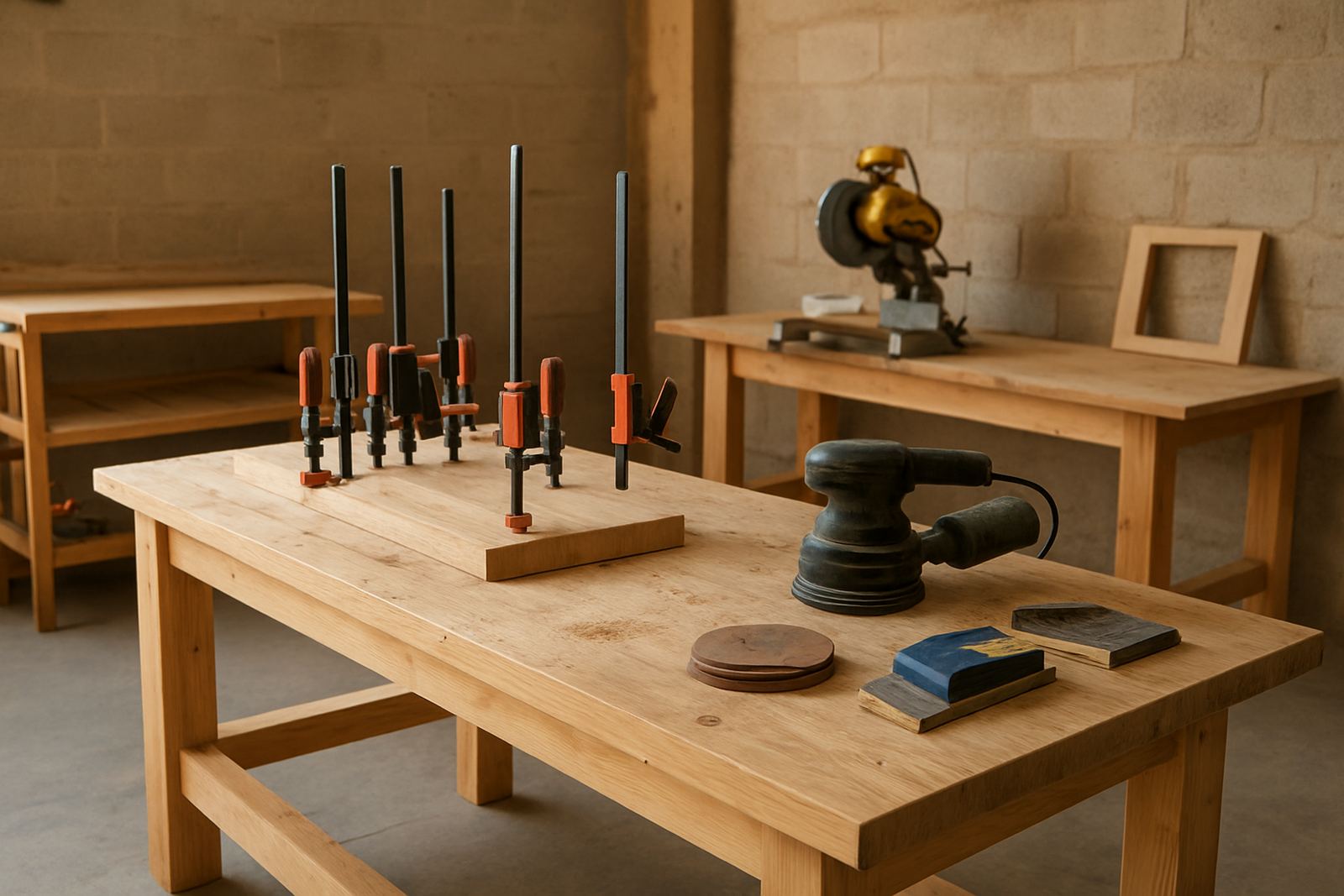
We built the supply around the work being done, not around a shelf list. The measuring set included tape measures, folding rules, marking gauges, combination squares and spirit levels in the sizes the team actually uses on cabinetry and trim work. For clamping, we supplied a spread of bar clamps, quick-action clamps and smaller corner clamps for face frames and glue-ups.
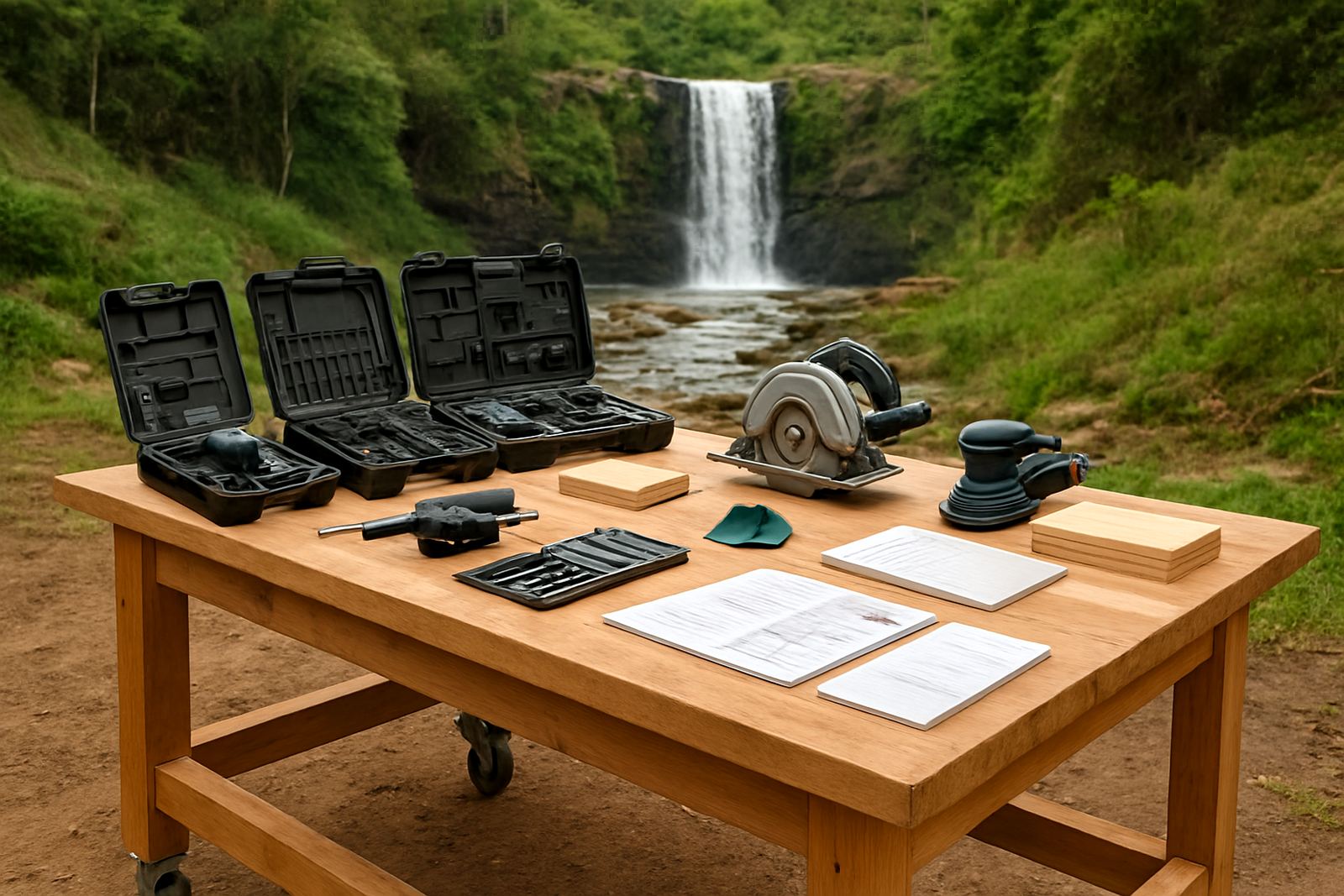
The finishing side focused on practical items that get used every week. That included sanding accessories, dust extraction adapters, applicator pads, masking supplies, mixing containers and cleanup consumables. We also bundled spare blades, drill bits and fixings so the team would not lose half a day chasing small parts. The final kit was set up for repeat use, not one off projects.
- Measuring tools for cabinet and trim accuracy
- Clamp mix for panels, edges and corner work
- Finishing consumables for sanding and prep
- Spare fasteners and consumables for daily top-ups
Workshop Setup Advice For A Coastal Site
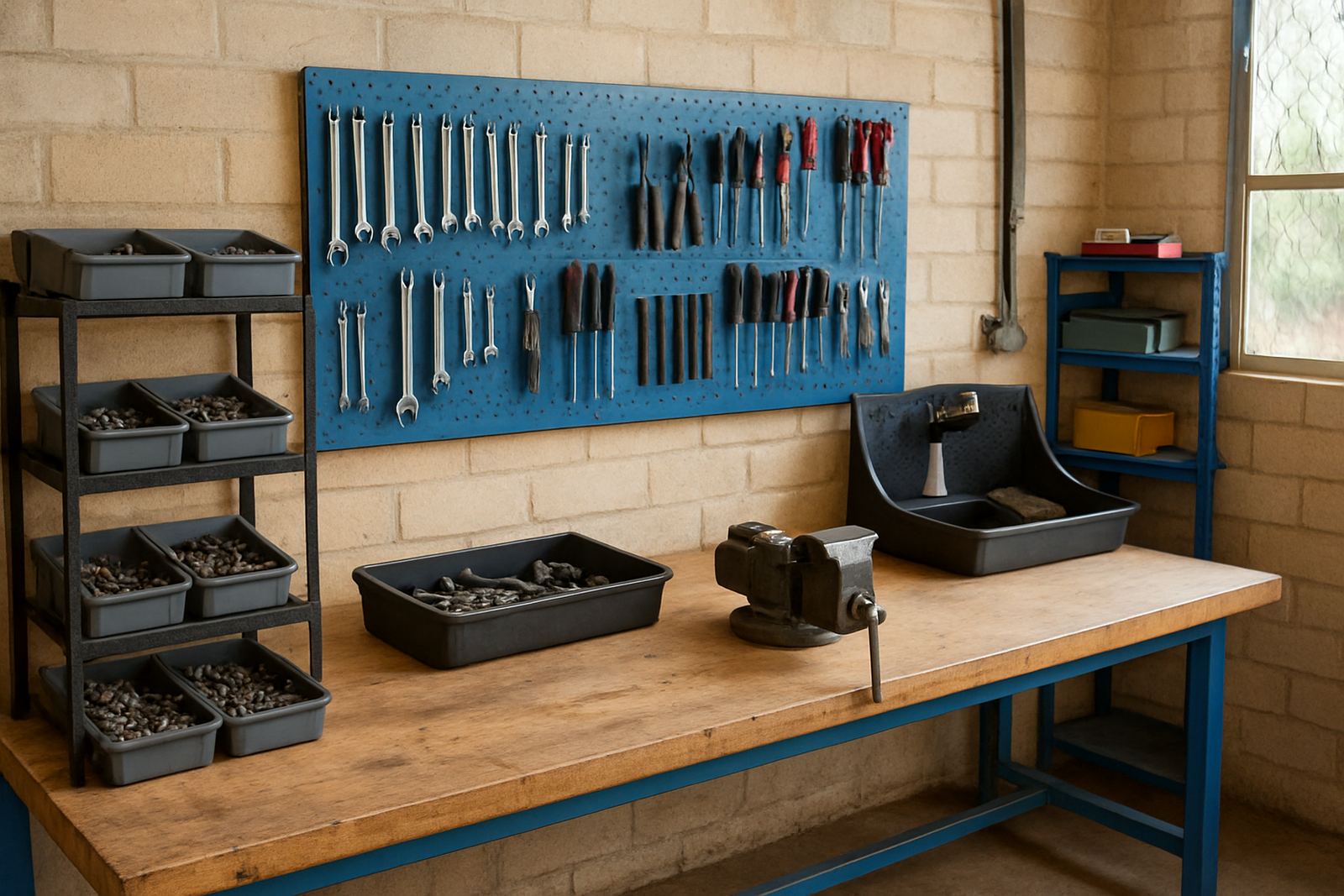
Once the kit list was confirmed, we worked through the layout and storage approach. The customer wanted clear access to daily-use items, with less time wasted checking drawers or sorting through loose boxes. We recommended a simple stock standard so each tool type had one home, and replenishment could be done in the same order every time.
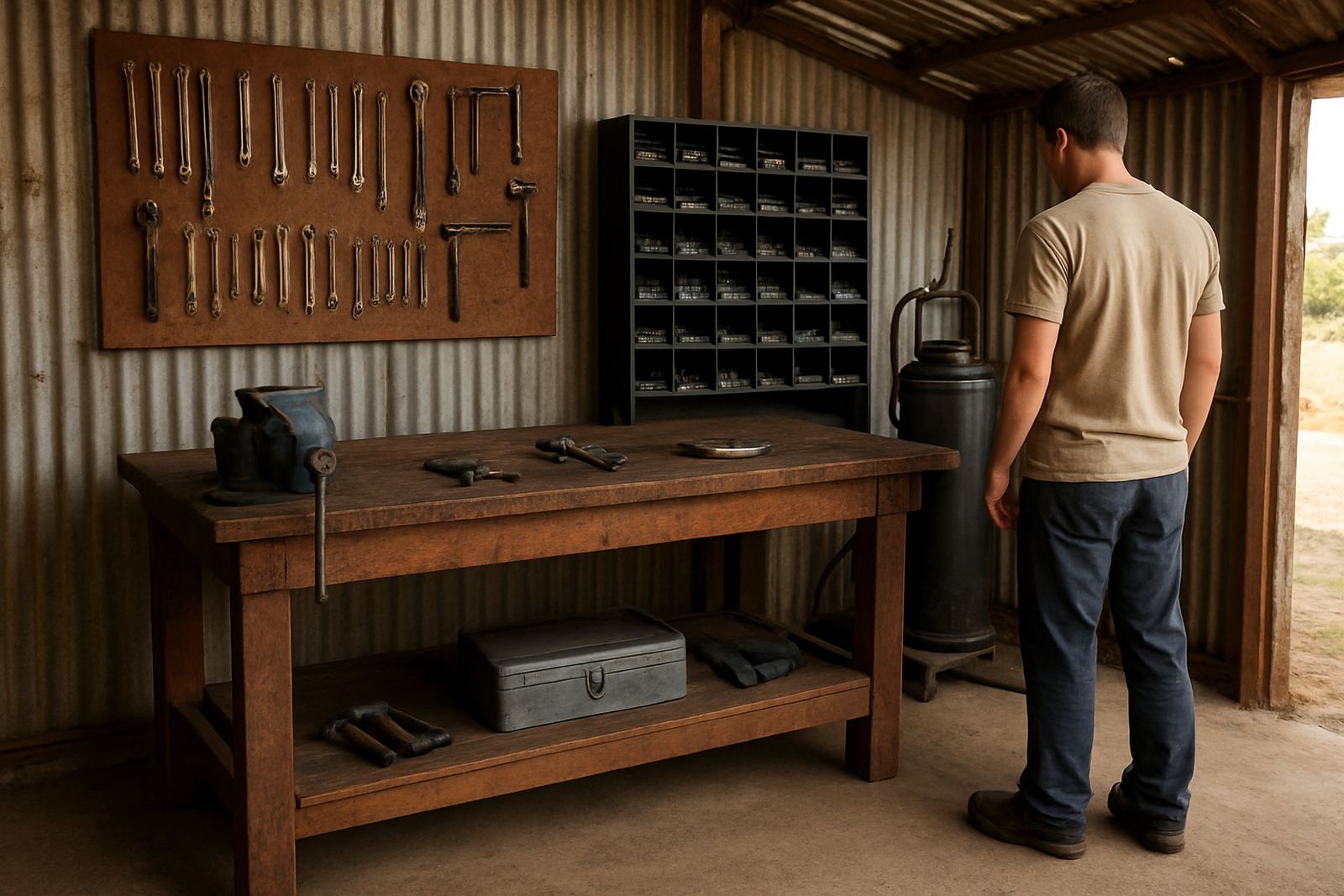
Because the site sits in a humid coastal belt, we also advised on keeping edge tools, measuring gear and metal clamps away from open moisture where possible. That meant moving some accessories into sealed storage and separating finishing consumables from timber dust. It sounds basic, but it makes a real difference over a few months of use.
- Storage split by task: measure, clamp, finish
- Sealed storage for items affected by moisture
- Standardised stock list for easy reordering
- Clear separation between prep and finishing zones
Delivery, Induction And First Week Handover
The work ran over two weeks from initial list review to delivery and on-site induction. Week one was planning, matching existing tools where useful and identifying gaps. Week two covered courier coordination, unpacking and a short tool induction so the team could start using the new setup without confusion. A few items were swapped on the spot when the client realised their clamp mix needed one more size for face frame assembly.
We kept the handover practical. The training covered where each item should live, how to log replenishment, and how to keep the finishing consumables from mixing with general workshop stock. The client wanted less admin and quicker turnaround, so we set the system up for that from day one. There was a small hiccup with one delivery label, but it was sorted same day and did not hold the job up.
- Timeline: 2 weeks from plan to handover
- Includes courier delivery coordination
- On-site induction for the workshop team
- Minor stock change made before final sign-off
Results On The Floor And What We Would Repeat
After the handover, the workshop had a clearer workflow and better control over the tools that matter most in joinery. Measuring took less time because the core items were grouped together, clamping became more predictable, and finishing prep no longer relied on whatever was left in a box from last week. That helped the team keep work moving even during load-shedding disruptions, because the essentials were easier to grab and return quickly.
If we were doing the same job again, we would use the same three-part approach: measure the actual work, standardise the stock list, then train the team on the storage and replenishment process. For Ballito and similar coastal workshops, we would also keep moisture-sensitive items in tighter storage from the start. The result here was a cleaner, faster working space that suited both trade output and small batch custom work.
- Better tool location and faster pick-up time
- More consistent clamping and finishing prep
- Reduced double-ups in the tool list
- Cleaner stock control for day-to-day trade use
Key facts
| Project location | Ballito, KwaZulu-Natal |
|---|---|
| Workshop type | Timber-focused joinery space |
| Core categories supplied | Measuring, clamping and finishing accessories |
| Delivery area | Nationwide courier delivery from Pinetown, Durban |
| Project timeline | 2 weeks |
| Primary support | Tool Kit Planning, Workshop Setup Advice, On-Site Tool Inductions |