What the Tongaat workshop needed
The client was a small trade workshop in Tongaat, serving local machinery repairs, farm equipment support and general component rebuilds. Their team wanted one clean bay where strip-down, washing, inspection and reassembly could happen in order, instead of parts moving from bench to bench and getting mixed up.
The brief was practical. They needed a setup that would keep small parts grouped, reduce damage during cleaning, and make measuring and refitting easier for two technicians working at the same time. The bay also had to fit into an existing room with a narrow entry, limited wall space and a floor that could not take heavy drilling in every section. Summer humidity in the area meant rust control mattered from day one.
- Work area for strip-down, parts sorting and measured reassembly
- Tool control for sockets, drivers, spanners, torque tools and measuring gear
- Storage that would stay usable in coastal conditions
- Power backup-friendly layout for short load-shedding interruptions
Measured around the room, not around a catalogue
We started with a site discussion in Tongaat and a simple floor plan. The rebuild bay had to work inside roughly 24 square metres, with one main work run and a clear walk-through line for parts trolleys. There was no benefit in overloading the room with large cabinets that blocked access, so the layout had to be tight and sensible.
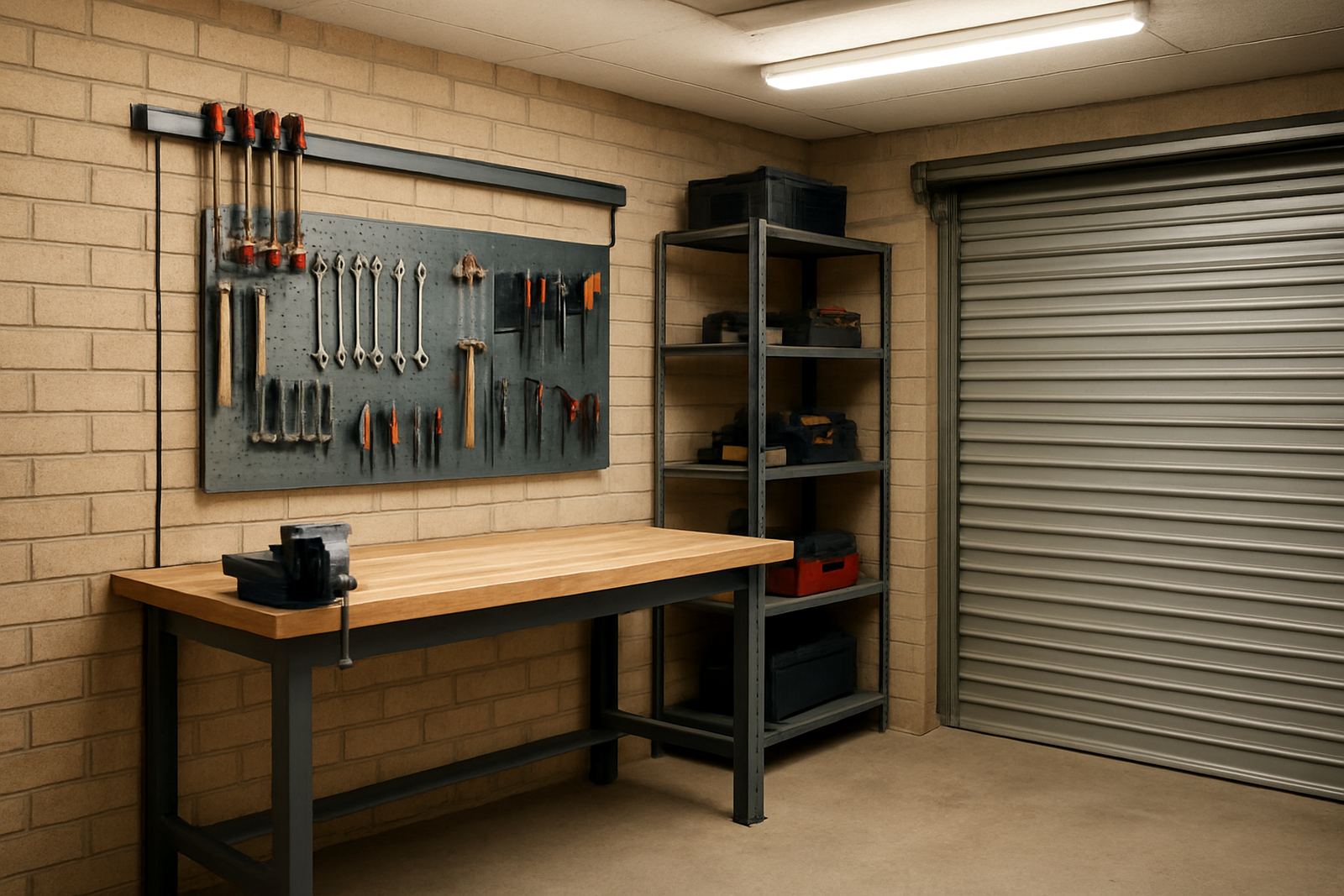
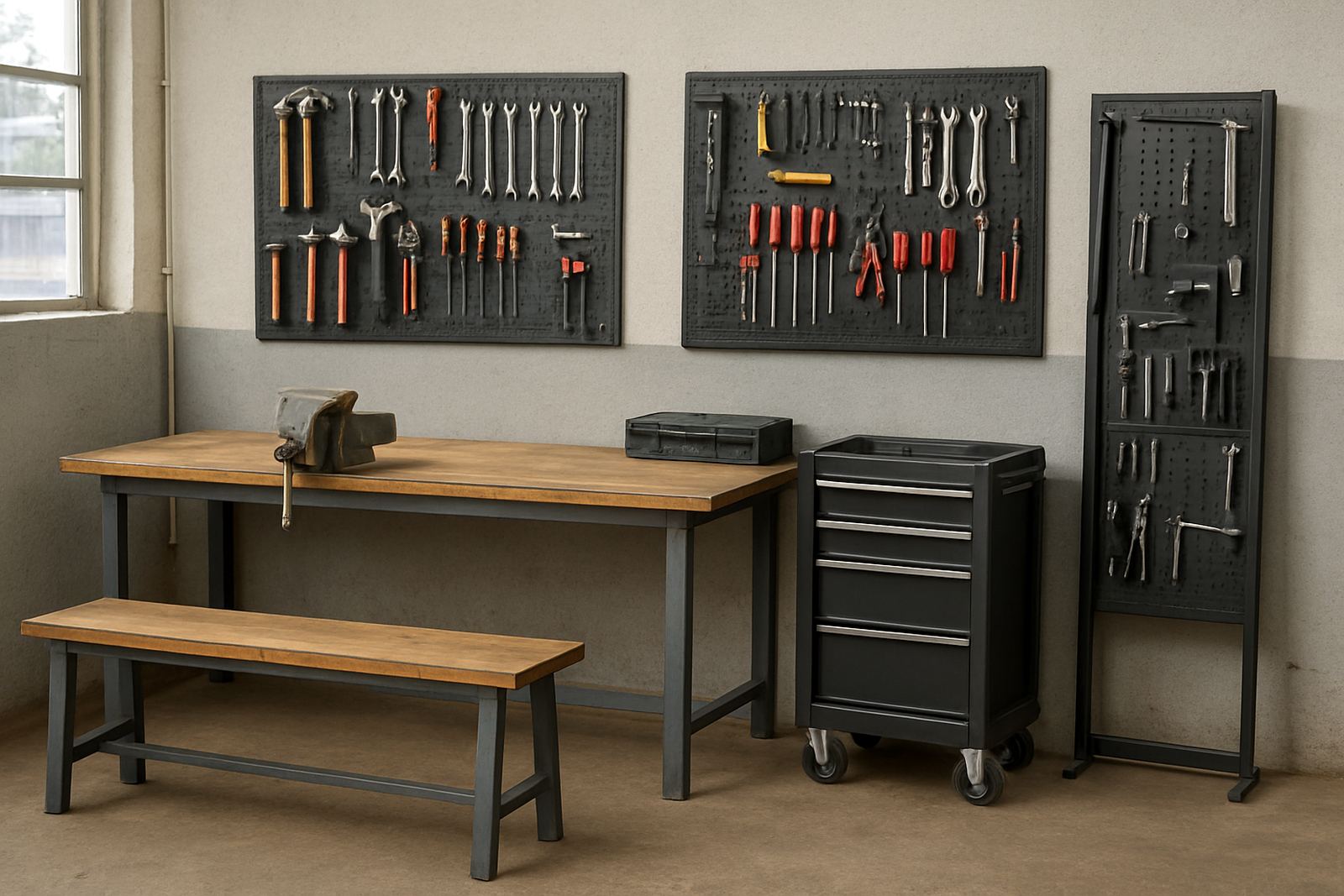
We proposed a setup built around a 2.4 metre assembly bench, a 1.8 metre strip-down bench and a mobile parts trolley for fast movement between wash, inspection and fit-up. The benches were chosen with powder-coated steel frames, sealed tops and adjustable feet to help on an uneven floor. Wall storage was kept shallow so the walkway stayed clear, and the lower drawers were specified for heavier hand tools and measuring instruments.
The client also wanted the bay to support training of a junior technician. That meant clear storage zones, labelled drawers and a repeatable process for setting out parts during a rebuild. We kept the system simple enough for a new user to learn in a day, not a week.
- 2.4 m assembly bench with sealed working surface
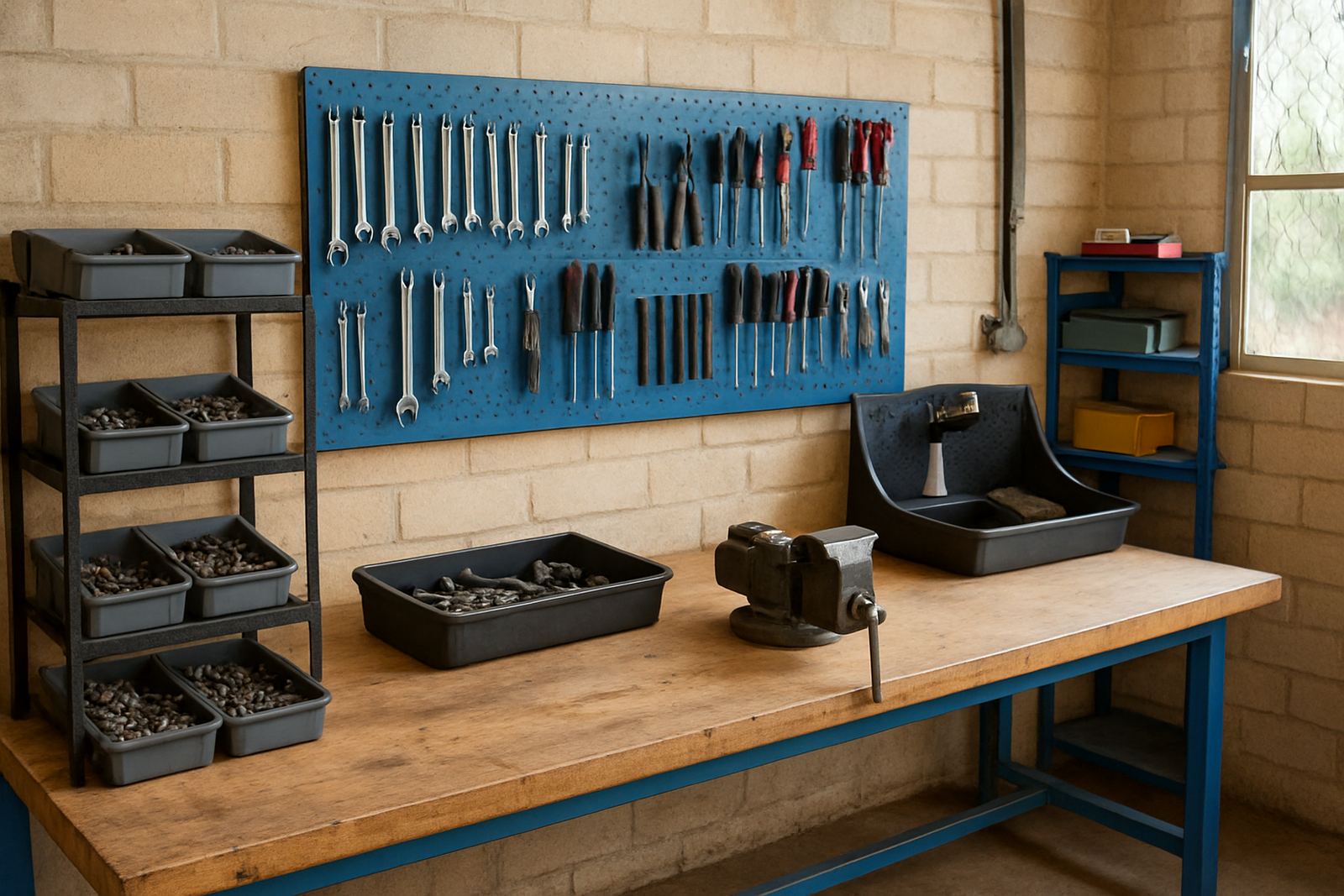
- 1.8 m strip-down bench with vice mounting points
- Shallow wall storage for parts trays and accessories
- Mobile trolley with lockable castors
Tools and consumables supplied for the bay
Jameson Tools supplied the hand tools, accessories and consumables needed to get the bay working as a proper rebuild station. The focus was on useful items that could be replaced locally and used daily without fuss. We matched tool sizes to the jobs the workshop handles most often, including shafts, bearing housings, covers and serviceable assemblies.
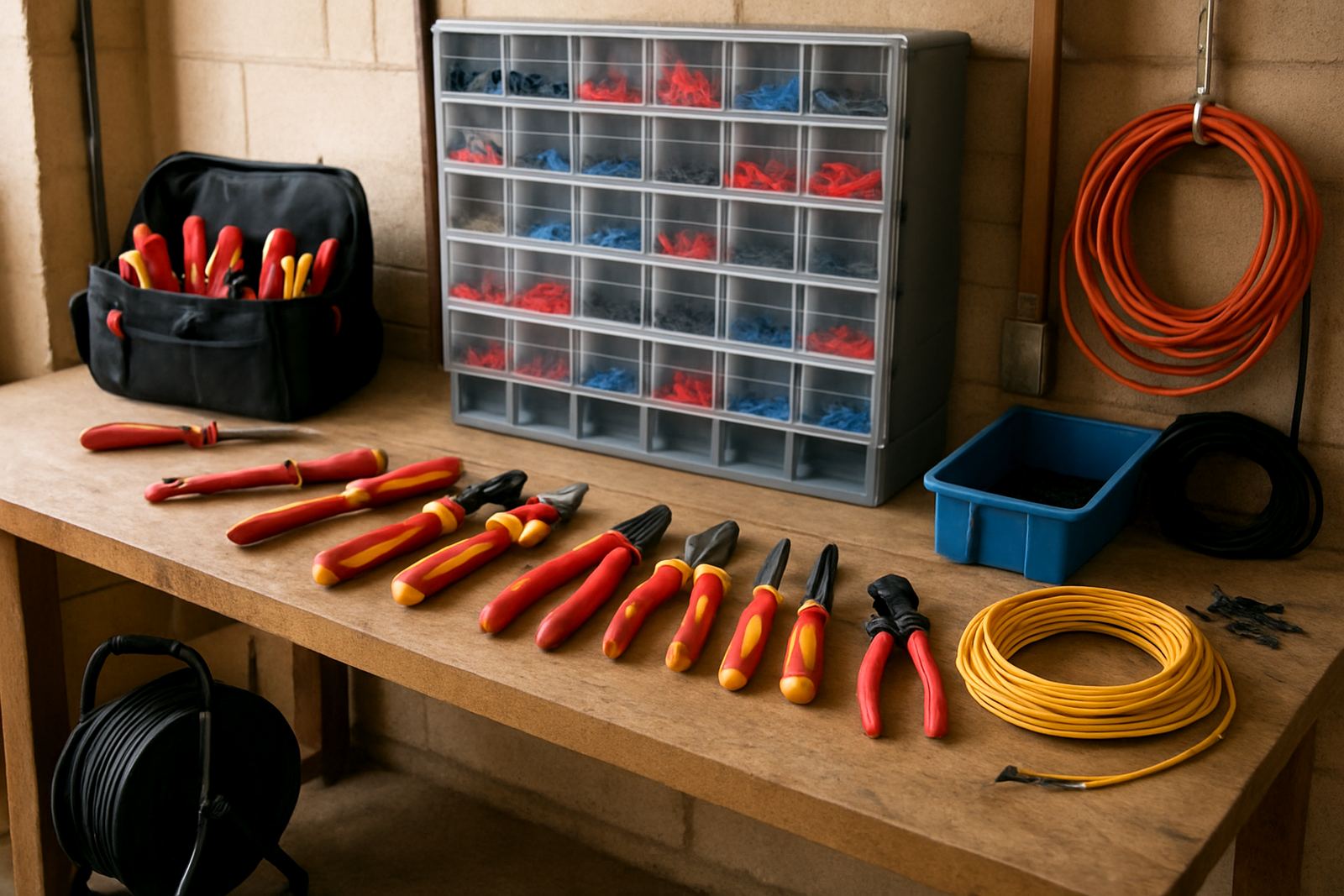
The hand tool set included metric spanners, ratchets, sockets, screwdrivers, hex and Torx drivers, soft-face hammers and a basic pry set. For measured reassembly we added torque tools, feeler gauges, vernier measuring gear and marking pens for identifying orientation and sequence. The consumables list covered cleaning fluid, degreaser, rags, nitrile gloves, thread locking compound, anti-seize, label tape and corrosion protection spray. The customer also asked for a few spare items in case of breakage during busy weeks, so we bundled duplicates of the most used sizes.
- Metric socket and spanner sets in common workshop sizes
- Torque tools for controlled refit work
- Measuring and marking items for component checks
- Cleaning and corrosion-control consumables
Because Tongaat sits close to the coast, we recommended a weekly wipe-down routine and storage for sensitive tools in closed drawers. That small habit makes a real difference when humidity climbs, and it keeps polished surfaces from marking up too quickly.
Timeline from order to handover
The full project ran over three weeks from first discussion to handover. Week one covered the site measure, stock list and final tool matching. Week two covered picking, bundling and courier coordination from Pinetown. Week three covered delivery checks, bay layout confirmation and a short induction with the team.
Nothing about the job was rushed, but we did keep the pace steady. The bay could not sit half-finished because the workshop had active repair work booked through the month. By splitting the supply into kits and labelled groups, we made it easy for the client to begin using the bay as soon as the main furniture arrived. Some small items followed after the first checks, which saved time and reduced the risk of ordering the wrong part twice.
The client also wanted advice on power interruptions. We suggested keeping the most critical measuring tools, torch lights and rechargeable items on one shelf that could be reached quickly during load-shedding. That way the team could keep working on strip-down and inspection, then return to powered cleaning once supply came back. It was a simple adjustment, but it helped the bay stay productive.
Training, stock control and day-to-day support
The rebuild bay was not just about buying tools. It also needed a routine that would stop missing items, mixed-up bolts and duplicated orders. Our training coordinator covered how to set out parts by assembly stage, how to log reassembly notes, and how to standardise the stock list so the same items were used every time. The goal was less confusion, not more paperwork.
We also helped the workshop set up a replenishment list for fast-moving consumables. In practice, that meant checking which items needed monthly replacement and which ones could be ordered in larger quantities every quarter. The customer’s team liked having a clear list because it made it easier to call for stock before the shelf ran empty.
- On-site induction for bay layout and tool care
- Stock list standardising for repeat rebuild jobs
- Consumables replenishment planning by usage rate
- Replacement matching for worn or lost tools
One useful result was that the junior technician began working more neatly, with less time spent hunting for the right socket or marking pen. That improved the pace of the bay and reduced mistakes during final assembly.
Results and what we would repeat
By handover, the Tongaat workshop had a cleaner strip-down process, better control over parts, and a measured reassembly space that supported both fast turnaround and careful checking. The team reported less tool loss, faster job handover between technicians and fewer delays caused by searching for consumables. It also looked more orderly which matters when customers walk in and need confidence in the repair process.
If we did this project again, we would repeat the same three things. First, measure the room before choosing storage, because tight spaces can easily be overfilled. Second, separate strip-down and reassembly surfaces even when the room is small, since that keeps parts cleaner and mistakes lower. Third, bundle the consumables with the hand tools at the start, because waiting for small items later usually slows the whole bay down.
For workshops in Tongaat, Verulam and other coastal areas, we would also keep corrosion control front and centre. A rebuild bay lasts longer when storage stays dry, tools are returned in the same place and the team has a clear list of what gets checked every week. It is practical work, but it pays off quickly.
Key facts
| Location | Tongaat, KwaZulu-Natal |
|---|---|
| Project type | Rebuild bay for component strip-down, cleaning and measured reassembly |
| Timeline | 3 weeks from brief to handover |
| Bay size planned | Approx. 24 square metres |
| Core supply | Hand tools, measuring tools, consumables, benches and storage |
| Support included | Tool Kit Planning, Workshop Setup Advice, On-Site Tool Inductions, Stock List Standardising |