What the Prospecton repair team needed
The client was a light industrial maintenance workshop in Prospecton, Durban, handling repeat repairs on plant fittings, small assemblies and general site support work. Their main issue was not a lack of tools, it was time lost looking for the right items, replacing missing consumables and keeping the repair line moving when shifts changed.
The brief was simple enough on paper but needed careful planning in the workshop. They wanted a repair area that could be used by more than one technician, with clear kit layout, quicker issue-and-return control, and enough backup stock to avoid stoppages during load-shedding or late delivery days. The site also had limited floor space, so everything had to be compact and easy to keep in order.
Constraints on a working industrial floor
Prospecton is busy and dust gets in quickly, so the setup had to suit a hard-use environment rather than a showroom finish. The workshop also dealt with coastal humidity, which meant we had to think about storage, corrosion control and consumables that would still perform after a few weeks on shelf. Municipal noise and access rules around the site meant any training or delivery work had to be timed around operating hours.
- Floor area: 48 square metres used for the repair line
- Shift pattern: 2 daily shifts with handover at 14:00
- Power backup: short-term inverter support for charging and lighting
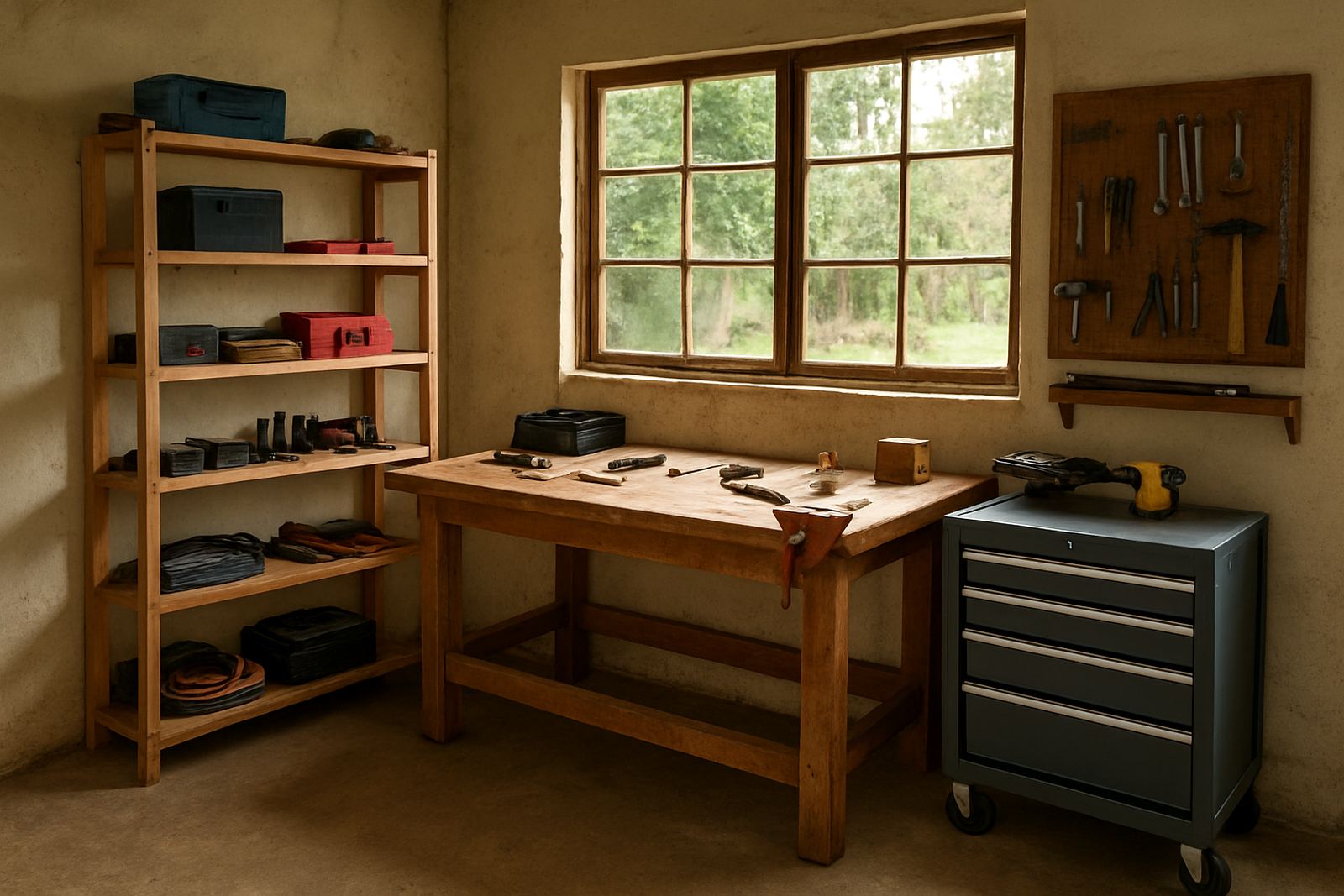
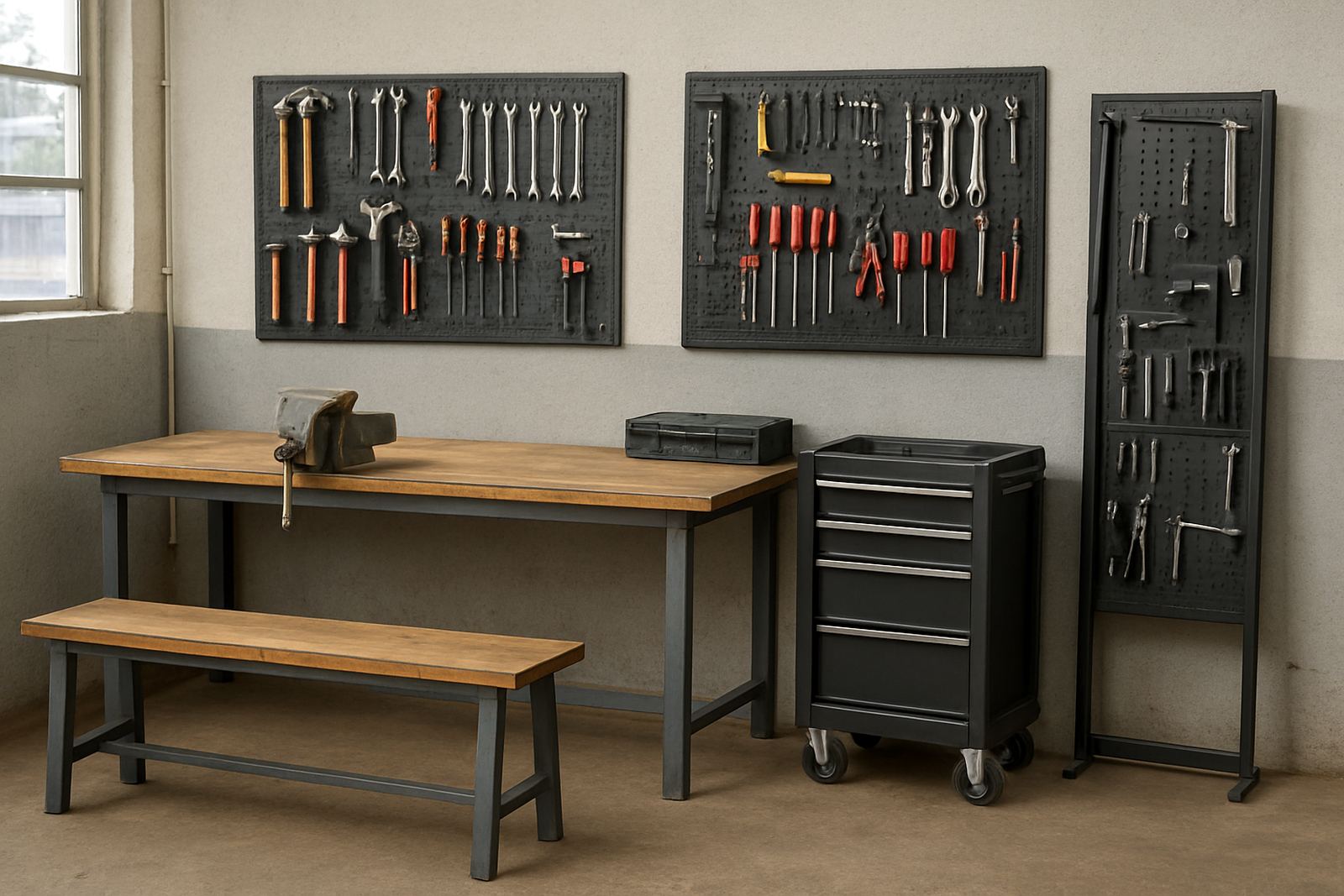
- Storage limit: only 3 wall bays and 2 mobile trolleys available
- Access: courier drop-off only, no long on-site offloading window
We also had to keep the kit standardised. If one technician grabbed a 10 mm spanner and another used a different style or worn replacement, it created confusion at handover. That may sound small but in a repair line it adds up quickly and causes delay.
What we supplied and how it was grouped
We supplied a mix of hand tools, power-tool accessories and workshop starter kit items, grouped into task-based sets rather than loose stock. The idea was to make every common repair step easier to start and easier to close out. We also set up replenishment lists for fast-moving consumables so the team could reorder before the shelf ran low.
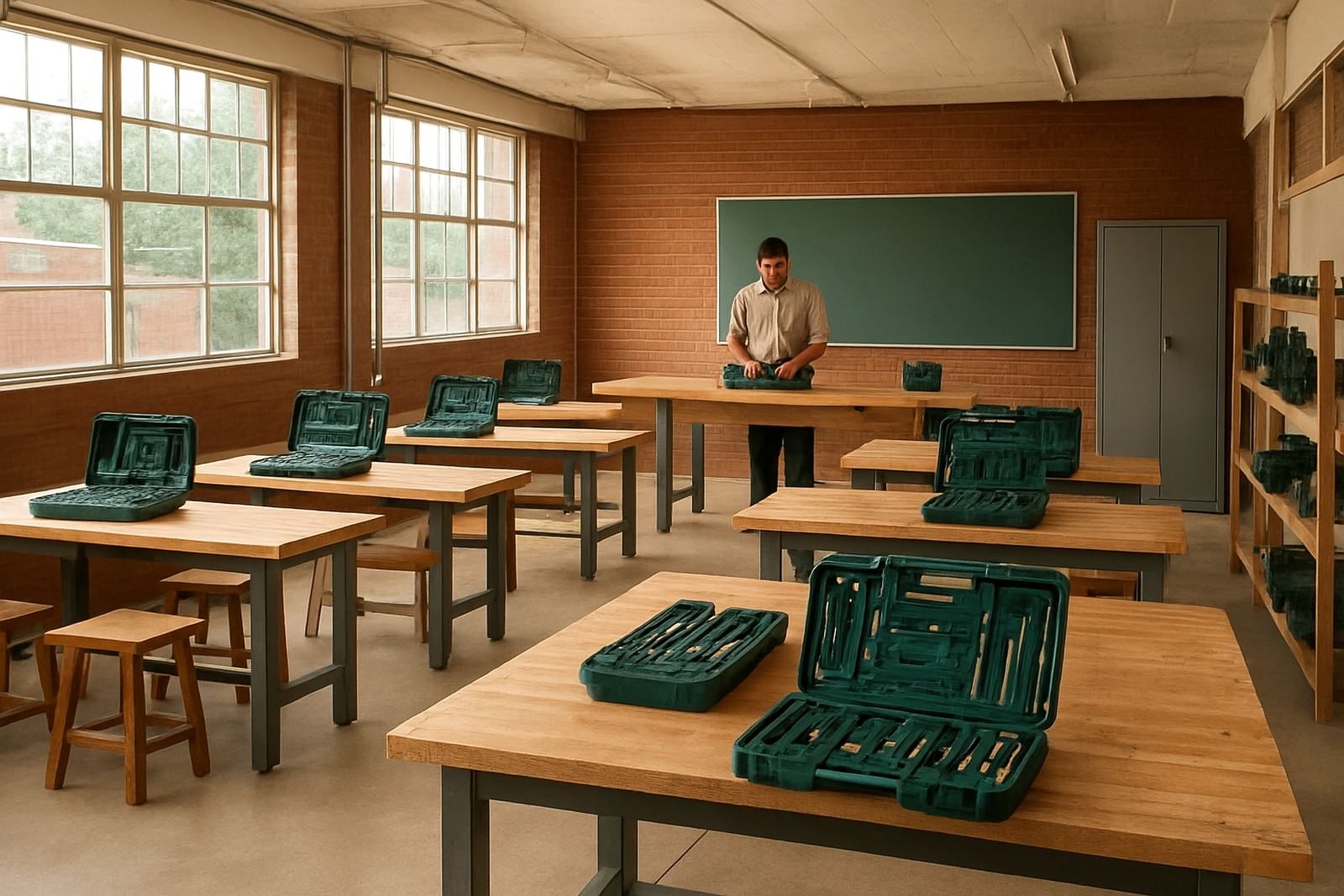
Core bundles included 6-piece and 12-piece hand tool sets, socket and bit packs, measuring tools, cutting and fastening consumables, plus a few workshop basics for sorting and issue control. Each kit was marked by use, so the team could identify general repair, fastener work, stripping, refit and inspection tools at a glance. It cut down on mix-ups and saved time at shift change.
- Hand tool sets: combination spanners, pliers, screwdrivers and hammers
- Power-tool accessories: drilling bits, driver bits, cutting discs and sanding items
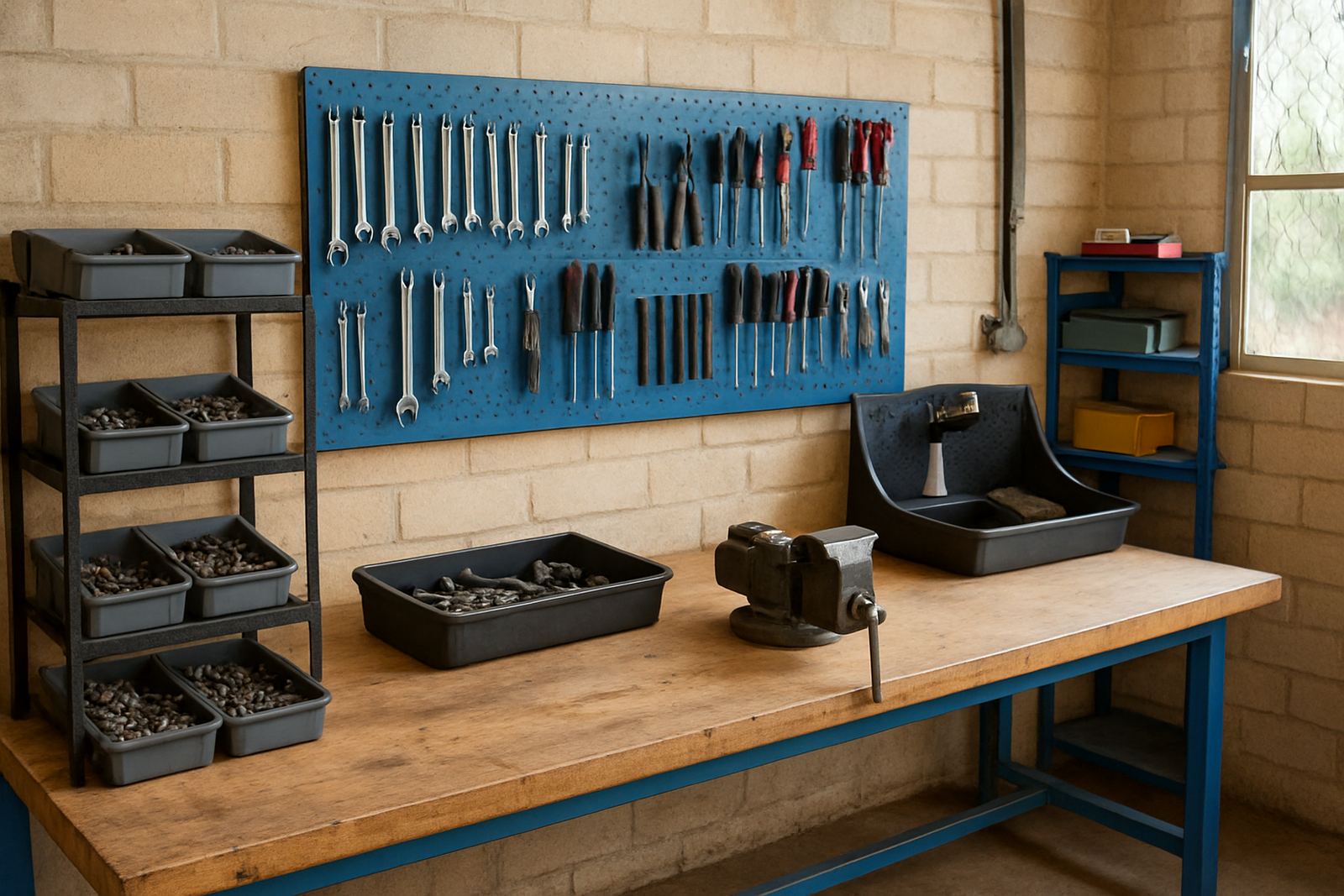
- Workshop support items: organisers, labels, trays and service markers
- Consumables: fasteners, tape, cleaning cloths, marking pens and thread care items
- Starter kit bundles: two technician packs and one shared line pack
Tool kit planning and stock list standardising
After the first supply meeting we mapped the repair line into task groups and matched tools to each one. That made it possible to standardise the stock list instead of relying on whatever happened to be on hand. We set minimum quantities for fast movers and created a simple replacement pattern based on weekly use, not guesswork.
Jameson Tools also helped the supervisor compare existing tools against missing or worn items. In a few cases we matched replacement items to the original function so the team did not have to retrain around unfamiliar kit. The workshop manager wanted practicality first and fancy packaging last, which suited the job well.
To support the staff, we provided short on-site inductions on kit care, issue records and storage habits. Zanele also walked the team through a simple training sheet for tool return checks and basic inspection. That made the line easier to run by the second week, with less chasing and fewer half-complete benches.
Timeline from first call to handover
The full project ran over 3 weeks. Week 1 covered site review, item mapping and stock list preparation. Week 2 was supply coordination, courier dispatch and checking the first tool groups against the repair tasks. Week 3 covered on-site induction, final adjustments and setting the replenishment routine.
Because the site was active, the work had to be phased in around production and maintenance times. We staggered deliveries so the team could test each kit as it arrived. That reduced waste and meant any missing item could be caught early rather than after the full line had already been reset.
- Week 1: review, list standardising and kit selection
- Week 2: courier delivery, count checks and placement
- Week 3: training, stock control setup and close-out
Results on the repair floor
By the end of the setup, the repair area had a cleaner flow and less time spent searching for shared tools. Technicians could pick up the right pack, complete the job and return it to the same place for the next shift. The supervisor reported better handover control and fewer small interruptions caused by missing consumables.
The stock room also became easier to manage. Instead of holding random extras in different corners of the site, the team now had a single replenishment list tied to actual use. That helped with budgeting as well, because reorder decisions were based on activity rather than panic buying. In a busy month, that kind of control matters more than people expect.
What stood out most was consistency. The tools were suitable for regular maintenance, the kits were clear enough for shared use, and the team could keep the repair line moving even when delivery timing shifted or power supply was unstable for a few hours.
What we would do again for a similar site
If we were setting up another repair line in Prospecton, Westmead or New Germany, we would follow the same approach: start with task mapping, reduce the stock to practical core items, and build a replenishment plan before the first delivery lands. That gives the workshop a solid base and avoids overbuying items that sit unused.
We would also keep training tied to the tools already in use, not to general theory. A workshop team needs guidance that fits the actual benches, trays and storage available on site. With a light industrial space, the smallest improvements often save the most time, especially when staff are juggling repairs, stock checks and courier receipts in one day.
Jameson Tools continues to support the Prospecton team with replacement matching, consumable replenishment and courier coordination from our Pinetown base. For repeat maintenance work, that follow-through is what keeps the line steady.
Key facts
| Project location | Prospecton, Durban |
|---|---|
| Site type | Light industrial repair area |
| Project duration | 3 weeks |
| Floor area | 48 square metres |
| Supply mix | Hand tools, accessories and starter kits |
| Support included | Planning, delivery, training and replenishment |
| Team lead | Sibusiso Mthembu |