The Brief From A Kloof Backyard Workshop
The client was a private homeowner in Kloof, outside Durban, setting up a separate garden workshop at the back of the property. The space was meant for weekend repairs, small fabrication jobs, shelving repairs, gate fixes and general maintenance around the house. It was not a full production workshop, but it still needed to work like one, with tools that could take regular use and storage that kept everything in order.
The brief was clear: keep it practical, avoid clutter and make sure the most used items stayed easy to reach. The client wanted a starter setup that could be expanded later, rather than buying random tools one by one. They also wanted advice on what to keep on hand for quick jobs, because travelling to the hardware store for a missing item every second weekend gets old very quickly.
- Town: Kloof, Durban west suburb
- Use: Repairs, hardware storage and hobby fabrication
- Budget focus: Starter setup with room to grow
- Priority: Daily use tools first, nice to have items later
Site Constraints And Practical Requirements
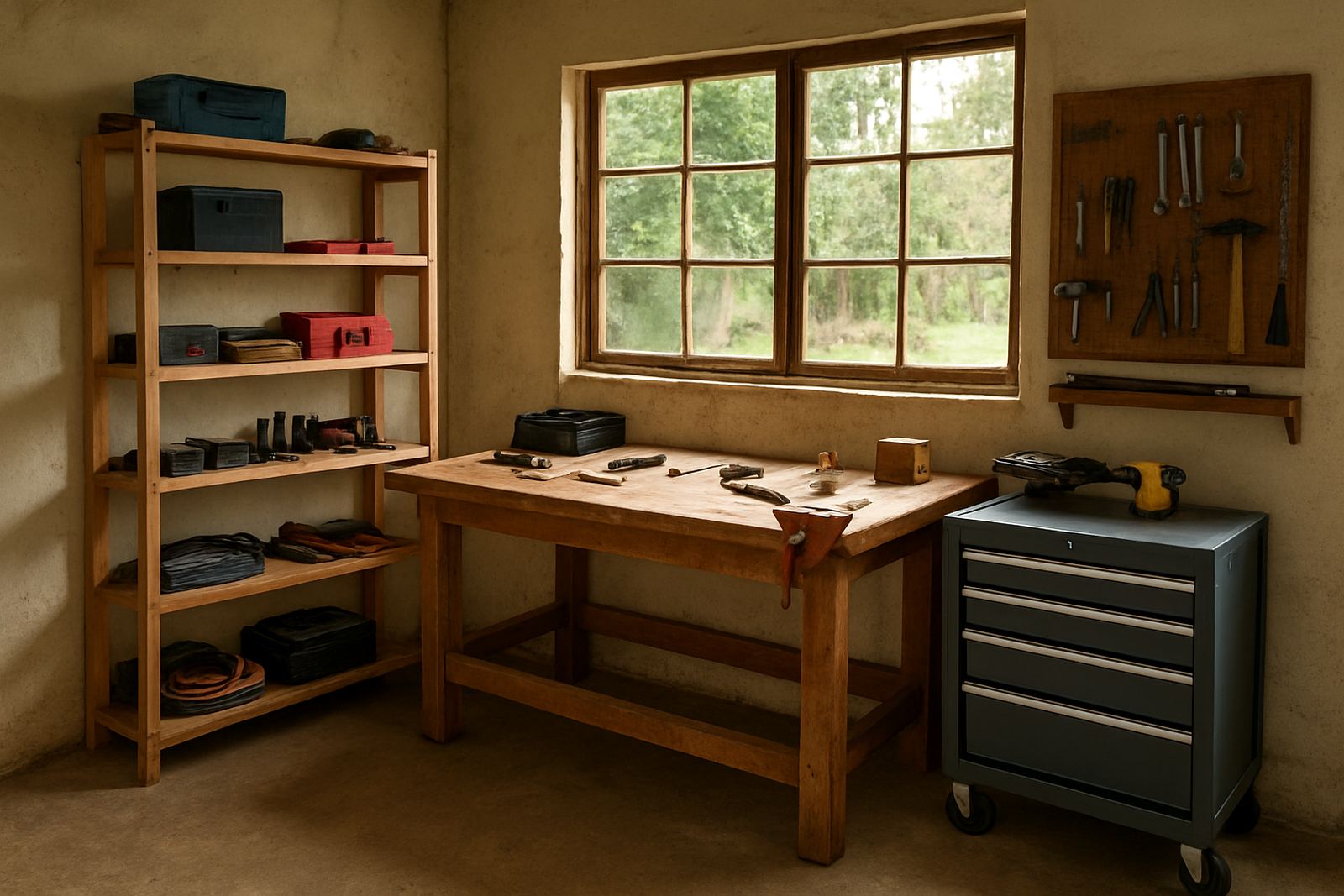
The workshop sat in a garden outbuilding with one main entrance, a small window and limited wall space. There was decent floor area but not much room for loose storage, so the layout had to keep the centre of the room open for cutting, assembly and temporary staging. The client also wanted enough flexibility to shift between hand work, drilling, sanding and general maintenance without dragging tools across the whole room.
Because this is Durban, moisture was a real factor. Coastal humidity can rust fasteners, dull cutting edges and spoil consumables if they are left open. The room also had to deal with power cuts, so we planned for tasks that can continue by hand when electricity is off. That meant a sensible mix of manual tools, cordless accessories and storage containers that close properly. A small typo in planning can cost a full afternoon here, so we kept the system simple and repeatable.
- Humidity control: sealed storage for bits, blades and fasteners
- Power cuts: hand tools and manual options kept ready
- Space limit: wall mounted storage, no bulky free standing clutter
- Access: items grouped by job type for quick grab-and-go use
What We Supplied And How It Was Grouped
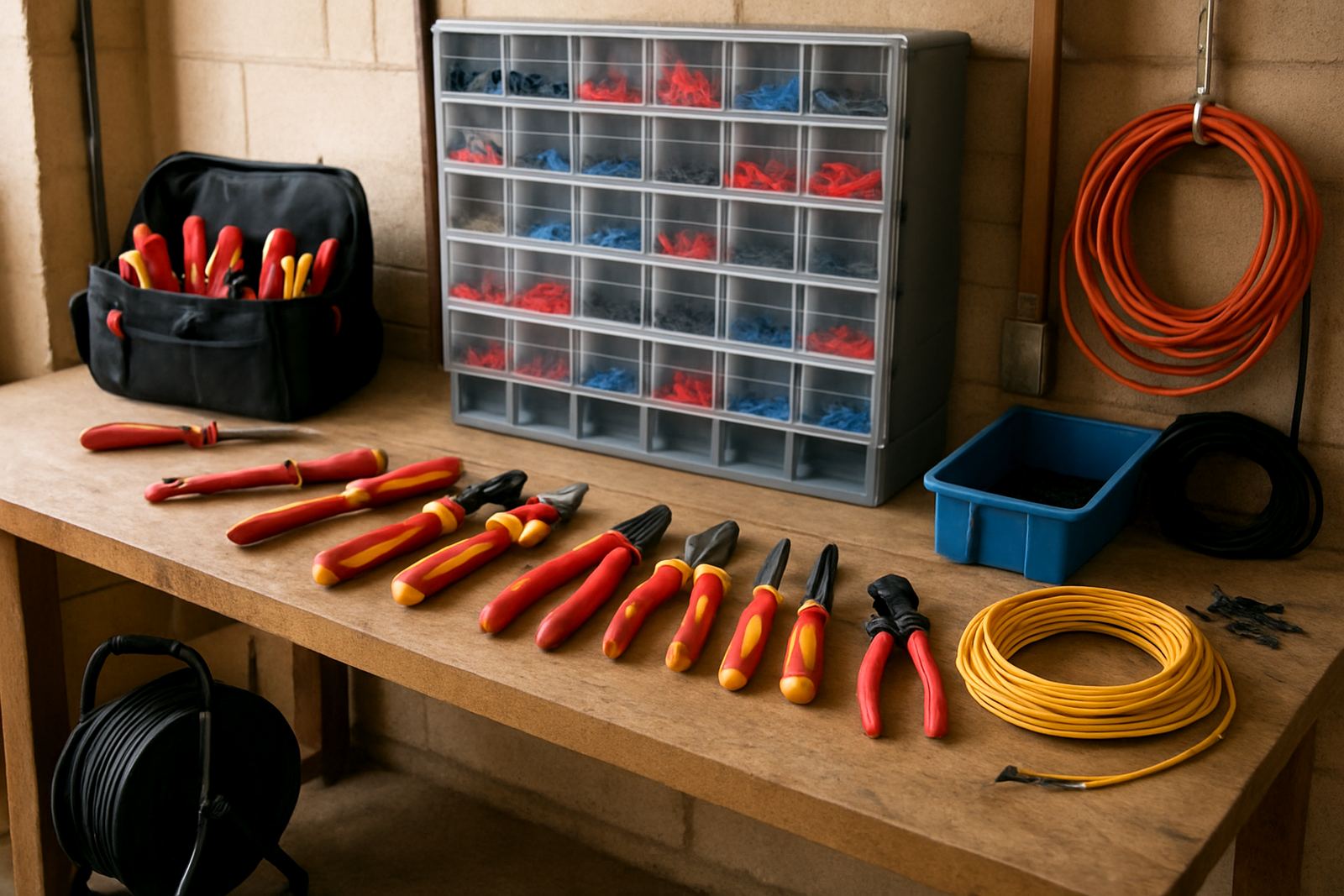
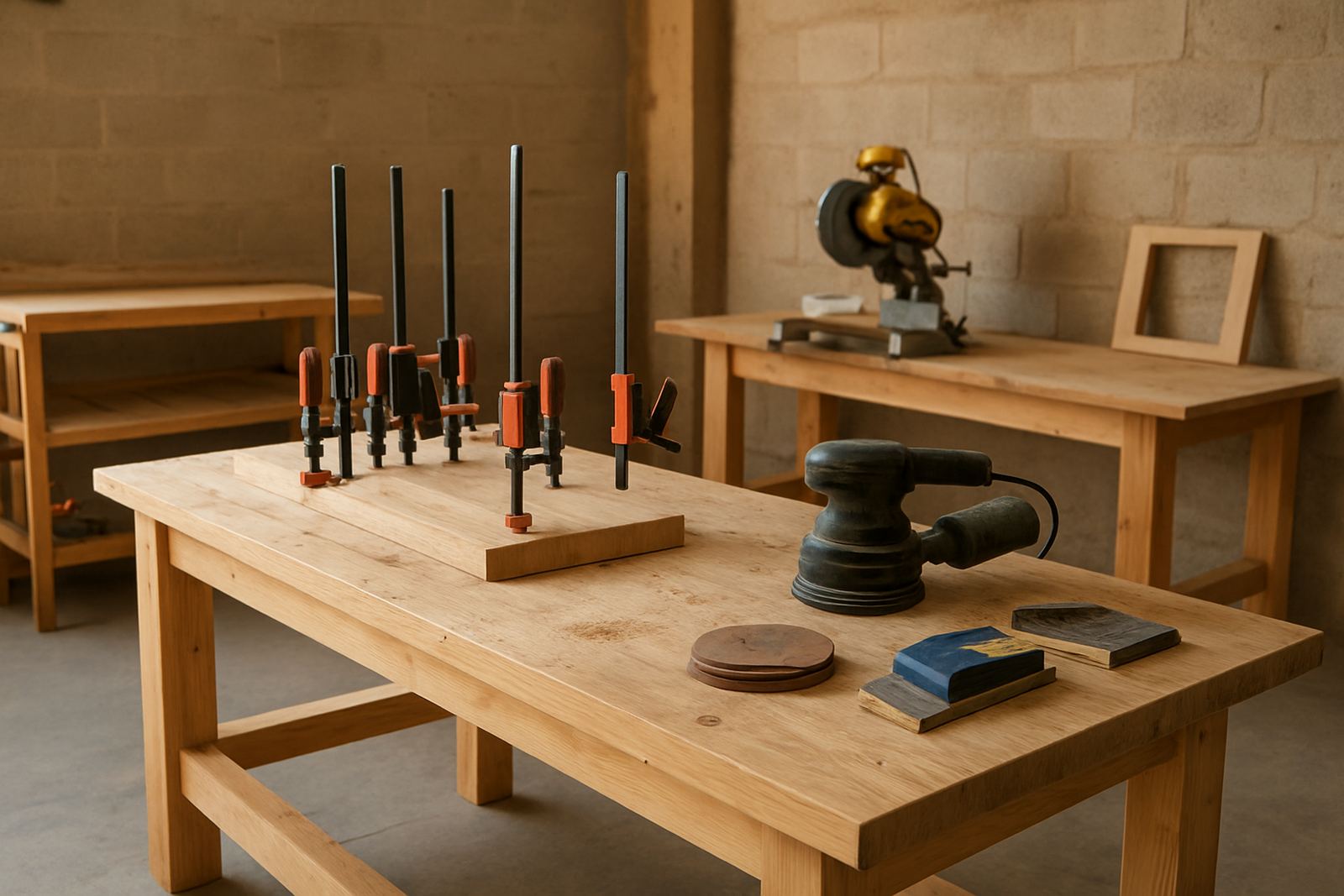
We supplied a workshop starter package built around the jobs the client actually does. The core kit covered measuring, fastening, cutting, holding and basic surface prep. Instead of overloading the room with every possible item, we matched the tools to the space and the work. That kept the setup useful from day one and left enough room for future additions such as a bench vice, extra clamps or a larger drill set.
The accessories and consumables were bundled so the client did not end up with five different half-used boxes. We standardised the storage by job type, which made stock checks faster and made it easier to see what needs replacing. It sounds small, but this is what stops a workshop from becoming a jumble of loose packets, screws and offcuts. We also advised on quantity, because buying 200 screws when you need 40 is just money sitting in a tin.
- Measuring and marking kit for layout work and repeat cuts
- Hand tool set for repair, fastening and assembly jobs
- Cordless accessory set for drilling, driving and light cutting
- Consumables pack with fasteners, abrasives, tape and blades
- Storage containers for small parts, fixings and spare tips
Workshop Setup Advice For A Small Garden Space
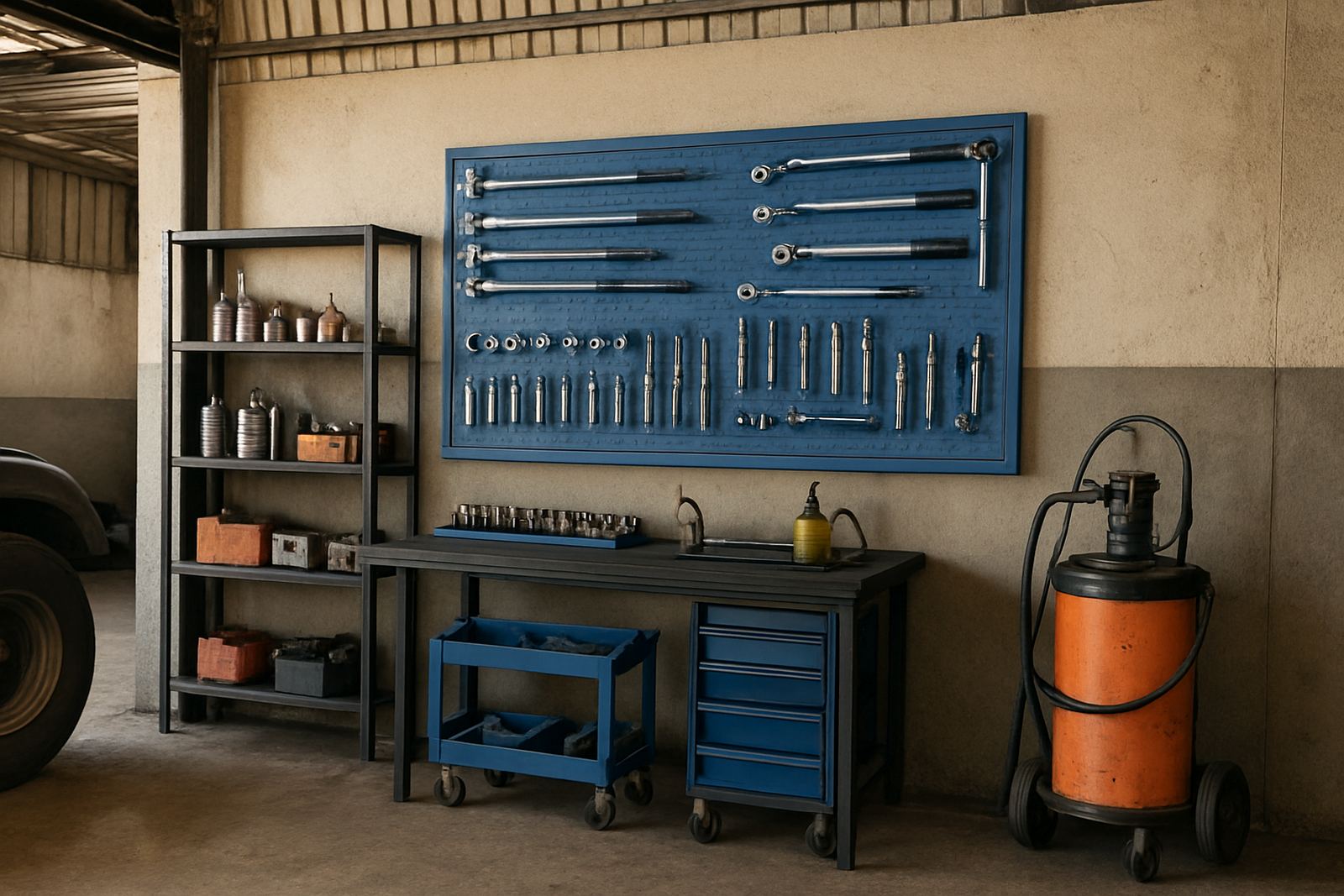
We helped plan the room around three zones: a prep surface, a tool wall and a storage section for consumables. That layout keeps movement simple and makes it easier to work safely when the bench is covered in a project. The client was shown how to keep the heaviest items low and the most used items between waist and shoulder height, which reduces strain and wasted time.
We also gave guidance on keeping the room tidy between jobs. In a small backyard workshop, good habits matter more than fancy fittings. Every item needs a place, and if it does not have one it quickly ends up on the floor or in a random box. We explained how to label containers, sort fasteners by size and keep shared items like tape measures and pencils in a fixed spot. That sort of discipline makes a big difference after a long week, especially when you are trying to finish a task before the light goes.
- Three zone layout: prep, tools and consumables
- Wall space reserved for frequently used hand tools
- Containers labelled by size and job type
- Heavy items stored low for safer handling
Delivery, Inductions And Timeline
The project ran over three weeks from first planning call to final check-in. In week one we confirmed the space, the expected jobs and the stock list. In week two we assembled the tool kit, consumables and storage items, then arranged courier delivery to Durban. In week three we followed up with setup advice and a short on-site tool induction so the client could use the gear correctly and keep it in good condition.
Our team kept the process tight and practical. Sibusiso Mthembu oversaw the project, Anele Dlamini coordinated the supply run, Ruan Naidoo handled the technical matching and Zanele Khumalo covered the induction notes. Matthew Petersen checked the workshop plan and Nokuthula Ndlovu managed support and delivery updates. Because the property was in Kloof, courier timing had to be set carefully so the client could receive everything in one go. There was no point sending half the order one day and the rest after, that only creates delays.
- Week 1: site needs and stock list confirmed
- Week 2: kit bundled and couriered to Durban
- Week 3: induction and final setup guidance
- Delivery method: nationwide courier coordination
Results And What We Would Repeat
The finished workshop gave the client a proper home base for repair work and hobby fabrication without taking over the garden. The room now has clear storage, a working tool order and enough consumables to handle common jobs without an immediate re-stock trip. The client can move from a quick hinge repair to a small bracket or shelf job without reshuffling the whole room. It is tidy, practical and easy to maintain.
What worked best was keeping the kit tied to actual use rather than trying to turn a backyard room into a full industrial shop. We would repeat the same approach again for similar homes in Kloof, Hillcrest or Durban North: start with the jobs, then match the tools, then build the storage around the way the person works. That saves space, avoids waste and makes the workshop useful from the first week.
- Better workflow in a small room
- Less clutter and faster tool access
- Improved storage for fasteners and consumables
- Ready for future upgrades without replacing the base kit
Key facts
| Project type | Backyard workshop fit-out |
|---|---|
| Location | Kloof, Durban |
| Use case | Repairs, hardware storage and hobby fabrication |
| Timeline | 3 weeks |
| Supply method | Courier delivery with setup support |
| Key challenge | Limited space with coastal humidity and load-shedding |