Training bench brief for a busy Waterfall workshop
The client was a local trade workshop in Waterfall that needed one fixed point for new staff induction, product demos and refresher training. Their team wanted a bench that could handle repeated setup and pack-away without losing tools, while still feeling tidy enough for formal inductions. They also needed something that would work for both hand tool practice and power-tool accessory demonstrations, since the same space had to support multiple trades across the week.
The brief covered safe handling, clear storage, and a layout that made it easy for a trainer to stand on one side while learners worked from the other. The workshop was operating in a mixed environment with dust, daily use and the usual Durban humidity, so the bench had to be practical rather than fancy. It also needed to fit inside an existing floor plan without blocking walkways or emergency access.
- Training use for 6 to 8 people at a time
- Space for hand tools, accessories and small power-tool demonstrations
- Easy access to consumables and return storage
- Simple layout for quick supervision and safer handling
Site constraints and working limits we planned around
Waterfall workshops often need to balance training with live production, and this site was no different. The available area had to remain open during normal hours, so the bench could not become a permanent obstruction or create a bottleneck near the roller door and stock racks. We also had to allow for load-shedding interruptions, which meant the bench setup had to make sense even when the room went dark and training was switched to hands-on, low-power tasks.
Because the client deals with regular dust and cleaning, the surfaces needed to be wipeable and the storage arrangements had to keep small items from disappearing into mixed stock. We also worked around municipal safety expectations for clear passage and tidy cable management. Nothing complicated, just proper workshop sense and enough space for people to move without bumping into each other.
- Clear circulation around the bench and access to exits
- Low-maintenance surfaces for dust and regular cleaning
- Practical use during power cuts and reduced lighting
- Safe cable routing and controlled storage of small items
What we supplied for the Waterfall Training Bench
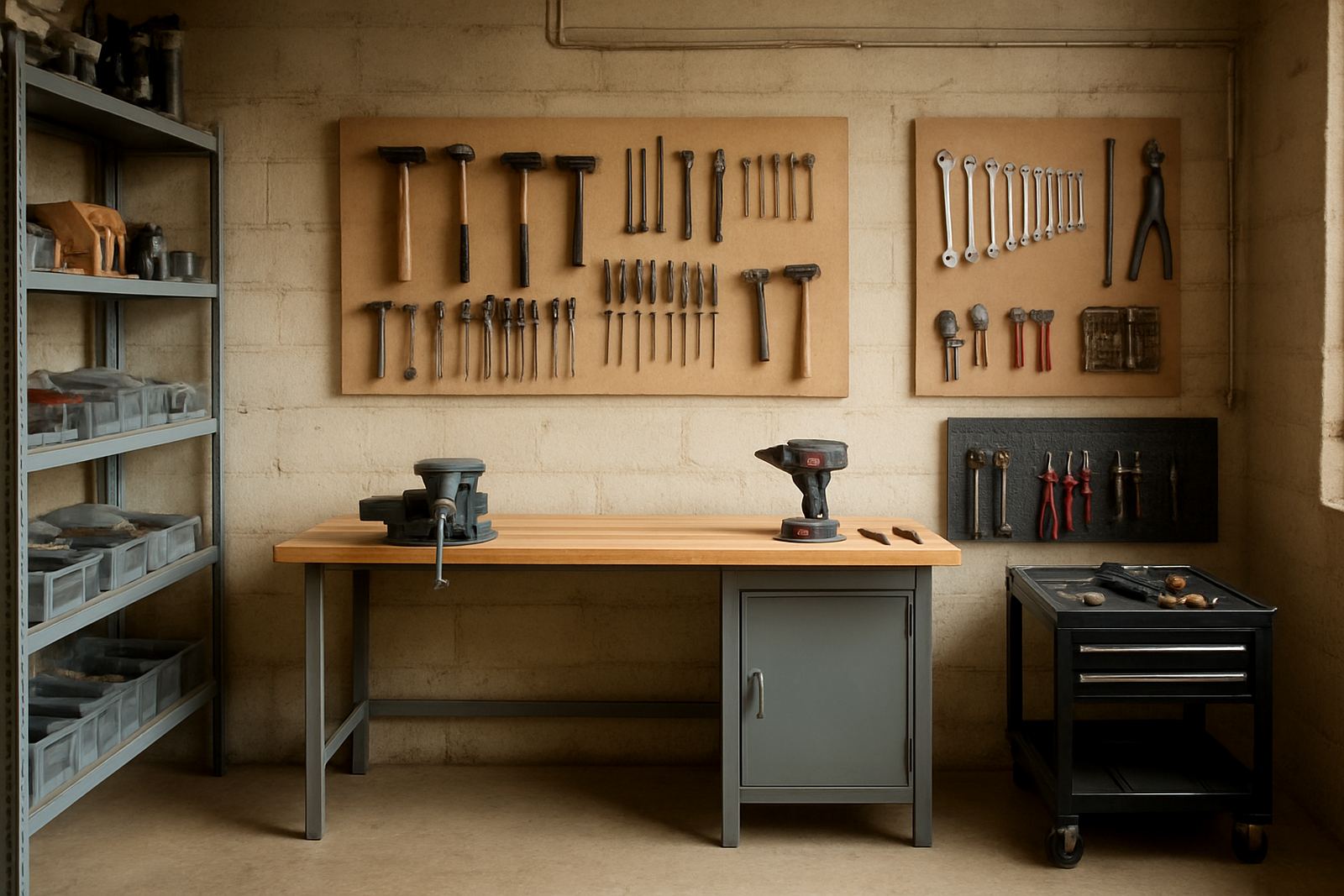
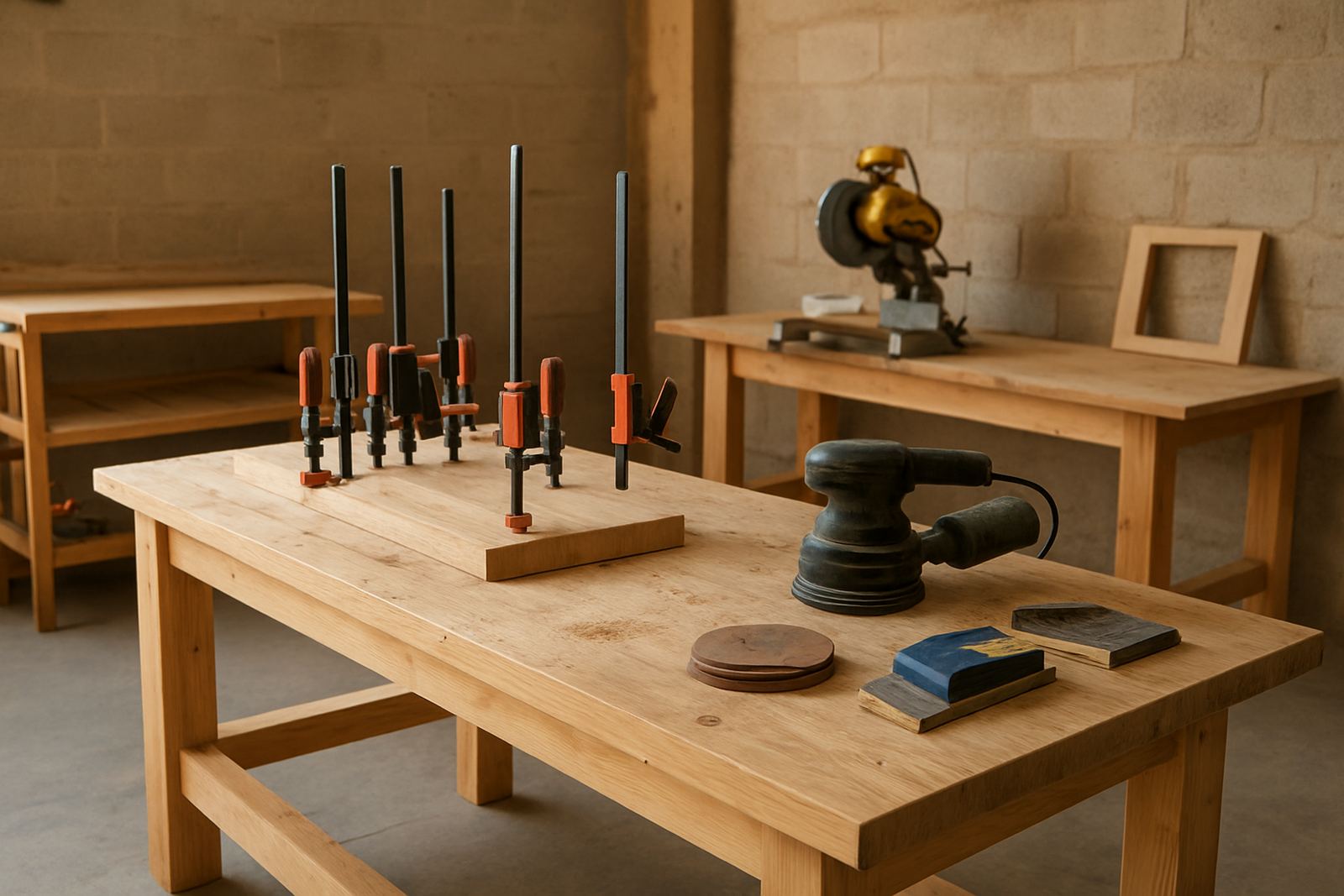
We put together a bench package built around a heavy-duty work surface, under-bench storage and a defined training zone for demonstrations. The structure was selected to cope with repeated use, with a top size suited to spreading out kits, fasteners and sample components without overcrowding. We added labelled storage so the trainer could return items quickly after each session instead of wasting time sorting through mixed boxes.
The supply also included starter consumables, matched replacements for common wear items, and a stock list that could be maintained after each session. That gave the client a cleaner way to manage repeat training without running out of the small things that matter most. The result was a bench that felt organised from day one, not something that only works when one person remembers where every item sits.
- Heavy-duty bench with a practical working top
- Labelled storage for hand tools and training sets
- Starter consumables and replacement matching
- Stock list standardising for easier reordering
How the setup and induction ran over three weeks
The project ran over three weeks from the first measure-up to handover. In week one we confirmed the bench footprint, checked access points and mapped the training flow. In week two we assembled the station, prepared the storage layout and sorted the items into clear groups for demos, practice and issue/return control. In week three we carried out the training handover, checked the first session layout and made sure the team knew how to reset the bench after each use.
Our technical sales and training teams worked together on this one, so the client got both the physical setup and the know-how to use it properly. That mattered because a good bench is only useful if the team can keep it working that way. The training coordinator also supplied a simple induction plan, which helped the workshop manager keep sessions consistent even when different supervisors were on duty.
- Week 1: measure-up and bench planning
- Week 2: assembly and stock grouping
- Week 3: handover and first-use induction
- Trainer reset guide issued for daily use
Results after handover and early use
After handover, the client had one proper area for demonstrations instead of spreading tools across multiple surfaces. Training sessions became easier to manage because the bench layout showed at a glance what was in use, what was missing and what needed to be returned. The team also reported fewer delays when preparing for inductions, since the most common items were stored together and the consumables were counted in a way that made sense.
From a workshop point of view, the biggest gain was control. Learners could practise without interrupting the main stock area, and supervisors could correct handling habits before they became a problem. It also made seasonal refresh work easier because the bench could be restocked, re-labelled and checked in one go. That saved time, and in a trade workshop time is often the thing that goes missing first.
- Clearer session flow and less bench clutter
- Faster setup for inductions and demonstrations
- Better control of wear items and replenishment
- Safer handling for new staff and junior technicians
What we would repeat for another workshop
If we were setting up another training bench in Pinetown, Westmead, New Germany or anywhere else in Durban, we would follow the same basic formula. Start with the actual training tasks, not the catalogue. Keep the layout simple. Use storage that can be seen and counted. Allow for the real conditions of the workshop, including humidity, dust and power interruptions. That approach gives the client something they can maintain without calling for help every week.
We would also keep the induction side as practical as the bench itself. A good training station should teach safe habits while still letting people get on with the work. When the layout is clear, the stock is standardised and the people know where everything goes, the whole workshop runs better. That was the aim here and it held up well.
- Plan around the tasks first, then choose the equipment
- Keep storage visible and easy to replenish
- Allow for Durban conditions and load-shedding
- Build in simple training notes for daily use
Key facts
| Project | Waterfall Training Bench |
|---|---|
| Client type | Trade workshop in Waterfall, Durban side |
| Timeline | 3 weeks |
| Use case | Demonstrations, practice tasks and safe tool handling |
| Setup | Heavy-duty training bench with labelled storage |
| Support included | Tool kit planning, starter kit bundling and on-site induction |