The Brief From A Busy New Germany Workshop
The client was a trade workshop in New Germany handling daily maintenance, repairs and fitting work, with multiple technicians pulling consumables from the same stock area. Their old parts room had mixed shelving, loose boxes and no clear naming system, so items like drill bits, cut-off discs, fasteners and replacement fittings were taking too long to find.
The brief was to set up a parts room that would work in real conditions: quick access, easy reordering, and a layout that different staff members could follow without constant supervision. They also wanted the space to handle Durban humidity, occasional power interruptions, and the usual stop-start pressure of a workshop where jobs can stack up fast.
- Location: New Germany, Durban
- Use: spares storage, hand tools and consumables control
- Goal: quicker issue-out and better stock visibility
- Working style: high traffic, shared access, daily replenishment
Constraints On Site And What Had To Be Considered
Space was the first constraint. The room had to keep a clear aisle for movement, leave enough access for stock counting, and avoid floor stacking that could get in the way when trolleys or bins were moved around. There was also a need to separate fast-moving items from slow-moving spares, otherwise the same problem would just return in a neater room.
Because the site sits in a humid coastal corridor, we planned for materials and storage methods that would stand up better to moisture. Cardboard-only storage was not going to last, and open shelving without categories would soon become a mess again. We also had to keep it practical for load-shedding days, when staff may need to work by light from one area only.
- Moisture control: raised storage and enclosed bins for small parts
- Access: clear walkways and labelled zones
- Control: visible stock counts and issue points
- Durability: hard-wearing storage for daily use
What We Supplied And Set Up
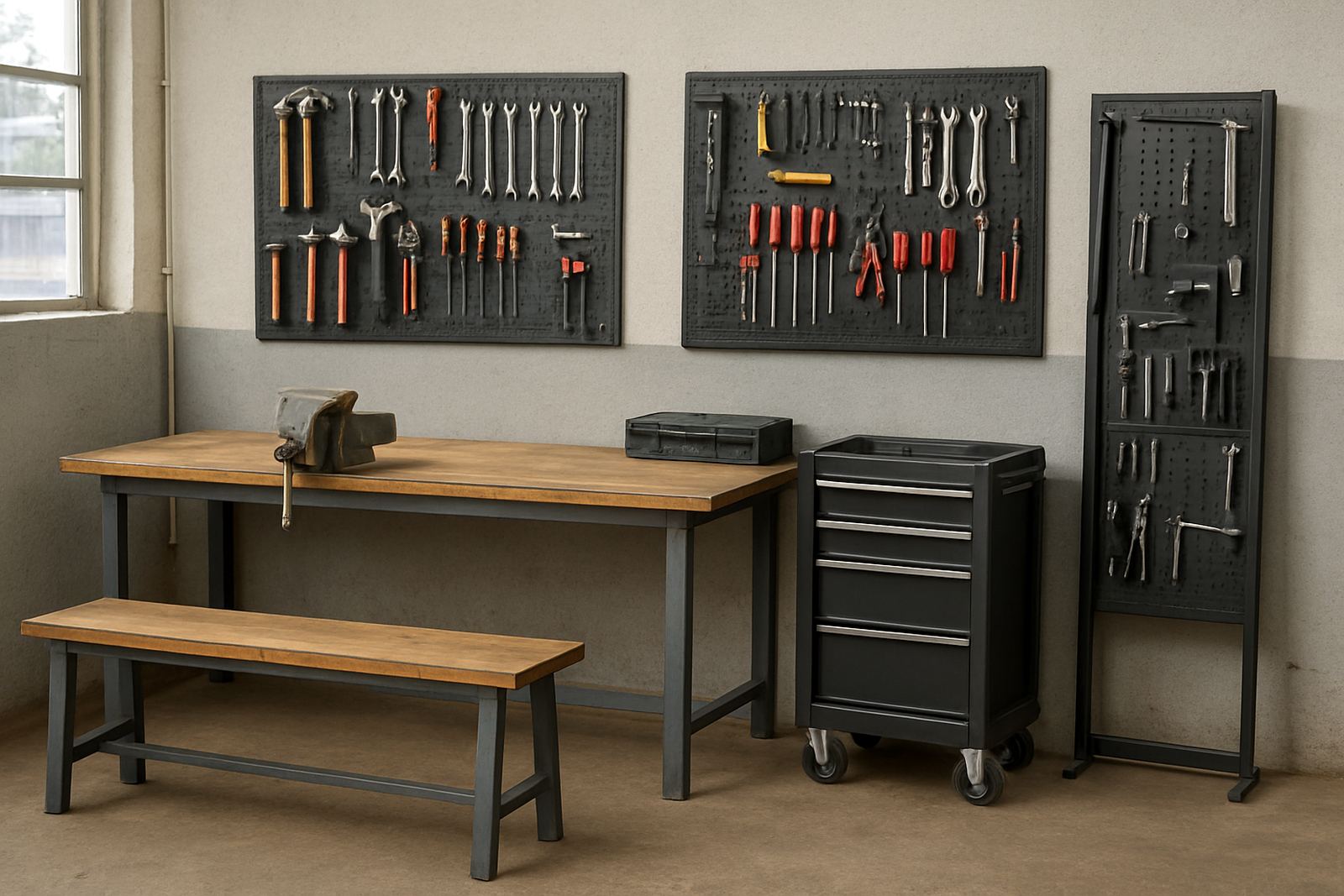
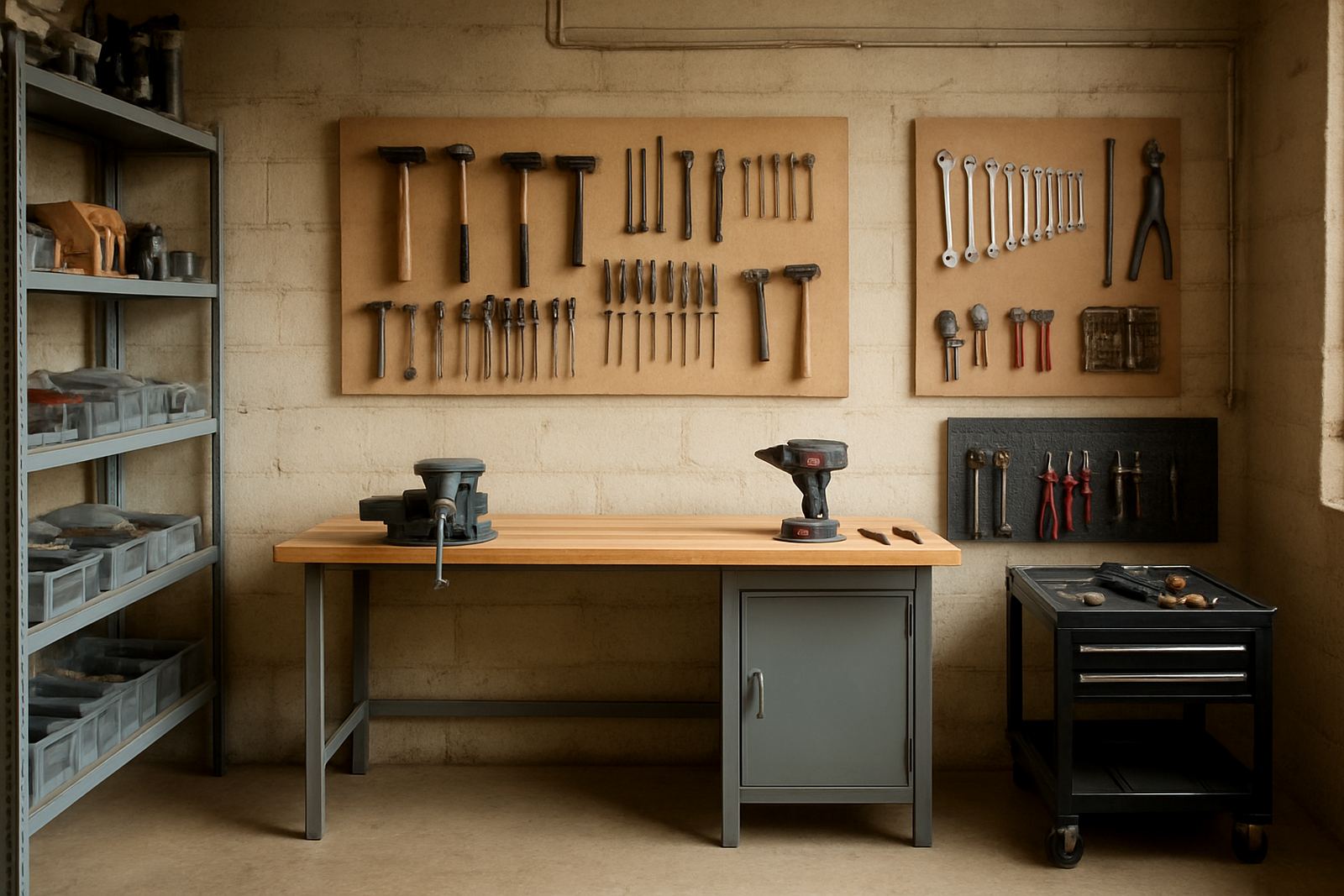
We supplied a workshop-ready parts room layout with heavy-duty shelving, modular parts bins, labelled storage zones and a simple picking structure for frequently used items. The layout was arranged so that common consumables sit near the front, while bulk stock and slower-moving spares are stored higher up and further back.
We also helped standardise the stock list so the team could use the same names for the same items. That sounds small, but it saves time when someone asks for a 6 mm masonry bit, a pack of cable ties or replacement blades and everyone knows exactly where it lives. We set up starter stock groupings for hand tools, drilling accessories, cutting consumables and general workshop fittings.
- Heavy-duty shelving with clear bay numbering
- Modular bins for fasteners, plugs, clips and small fittings
- Labelled zones for drills, cutting, measuring and fixings
- Starter stock grouped by use, not just by supplier code
The Build Process Over Three Weeks
The project ran over three weeks from initial site walk-through to final handover. Week one covered the stock audit, room measurement and agreement on what should stay on hand versus what should be ordered as needed. Week two was used for the physical layout setup, shelving placement and bin allocation. Week three focused on labelling, stock list standardising and staff familiarisation.
We kept the process short because the workshop could not afford a long disruption. Items were moved in sections rather than all at once, so the team could keep working while the room changed around them. That approach also reduced the chance of lost parts and made it easier to check counts as each bay was completed.
- Week 1: audit, measurements and stock grouping
- Week 2: shelving, bins and room layout setup
- Week 3: labels, counts and staff handover
- Downtime kept to a minimum with phased moves
Results After Handover
Once in use, the parts room made it easier for staff to locate items quickly and return them to the correct place. The biggest change was control. Instead of loose stock moving between benches and store corners, the workshop now had one organised point for issue-out and replenishment. That improved day-to-day discipline and reduced repeat buying of items already on site.
The client also reported smoother stock checks at the end of the week, with far less guesswork around what was low or missing. In a workshop setting, that matters because even a 10 minute search for one consumable can slow down an entire job. After the new setup, the team could carry on with less interruption and better confidence in their supplies.
- Faster retrieval of spares and consumables
- Cleaner control of issue-out stock
- Less duplicate purchasing
- Better weekly stock checks
What We Would Repeat On The Next One
If we were doing the same kind of room again, we would use the same method: start with an honest stock audit, separate the fast movers from the rest, and build the layout around how people actually work. It is tempting to overcomplicate a parts room, but simple systems are the ones staff keep using after the first month.
For coastal Durban sites, we would again plan around humidity and dust, and where possible keep small parts in closed bins rather than open trays. We would also keep the stock list tight from the start, because the cleaner the naming system, the easier it is to reorder and explain. In our experience that makes the difference between a tidy room and one that stays useful.
- Start with the real stock profile, not assumptions
- Keep labels plain and consistent
- Use closed storage for small parts in humid areas
- Train the team on the system before handover
Key facts
| Project location | New Germany, Durban |
|---|---|
| Project duration | 3 weeks |
| Primary use | Spares, tools and consumables control |
| Storage format | Heavy-duty shelving and modular bins |
| Environment | Coastal humidity and load-shedding aware |
| Service support | Stock list standardising and staff induction |