What an automotive workshop needs day to day
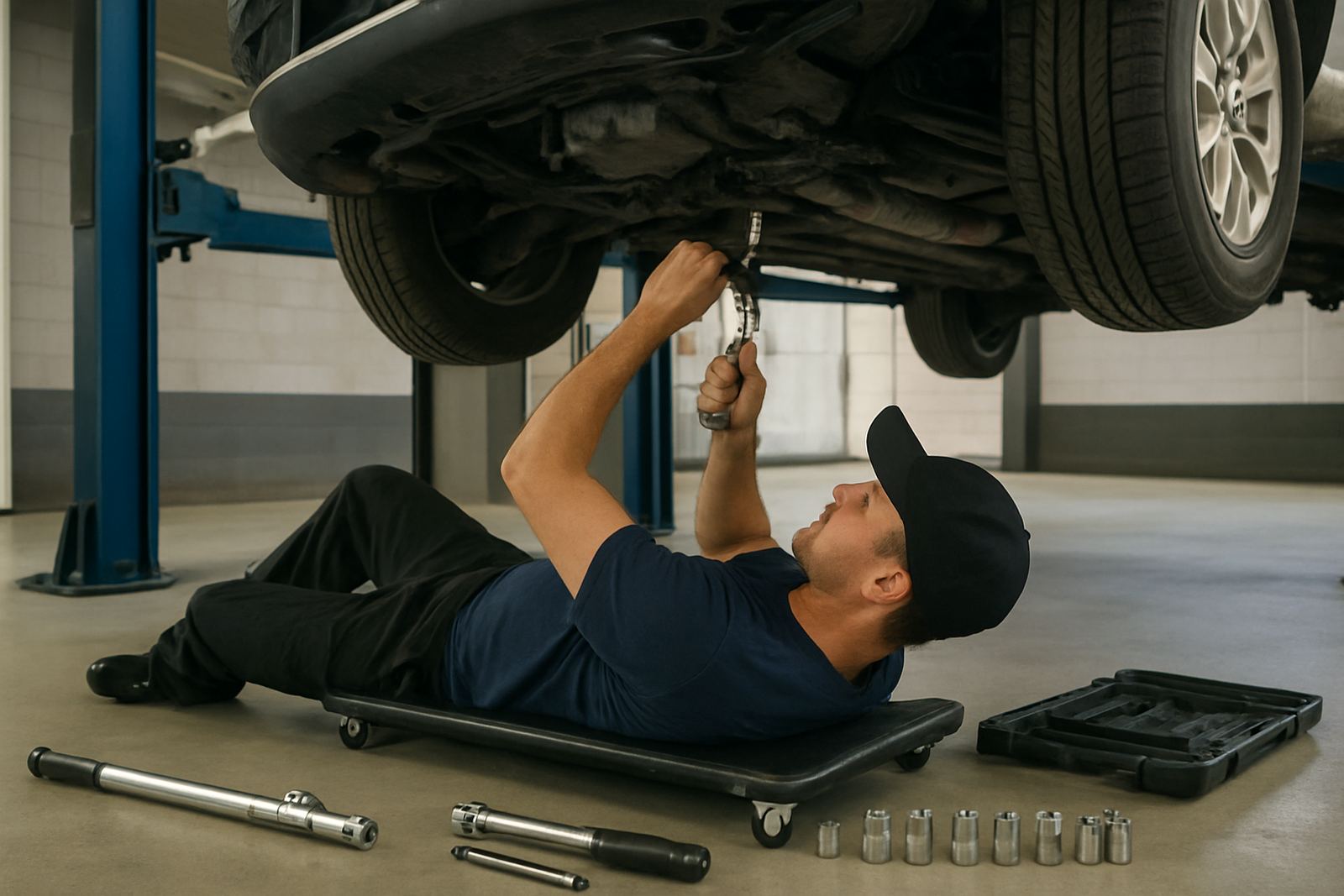
A good automotive setup is built around repeat jobs, not just one-off repairs. That means the right hand tools for strip and fit work, power-tool accessories for wheel, brake and fastener tasks, and organised storage so the team can find what they need without wasting time. In busy bays around Pinetown, Westmead and Durban North, a few minutes saved on each job quickly adds up.
For vehicle service work you need tools that hold up to grease, dust and long shifts. Coastal humidity in Durban can also affect storage, so chrome finishes, sealed kits and dry cabinet habits matter. We supply workshop starter kits and individual items for fitters, technicians, apprentices and fleet maintenance teams.
- Spanners, socket sets and ratchets for general strip and assembly work
- Screwdrivers, pliers, cutters and torque related accessories
- Hex, Torx and specialist bits for modern passenger and light commercial vehicles
- Air and power-tool accessories for higher volume jobs
- Consumables such as blades, discs, bits, tapes and cleaning items
Typical kit mix for repair bays and fleets
Most automotive customers do better with a planned mix rather than random purchases. A repair bay needs daily-use hand tools first, then specialist items based on the vehicles it sees. Fleet workshops often need more repeatable kits so technicians can move from one unit to the next without hunting for missing sizes. We help teams in Hillcrest, Umhlanga and across the province match tools to real jobs, not just to a catalogue list.
Common starter bundles usually cover basic service work, tyre and brake related maintenance, battery replacement support, and fastener removal. For mobile or on-site fleet work, a smaller pack with the right consumables is often more useful than a large but mixed box of gear.
- General service kit with sockets, spanners, screwdrivers and pliers
- Brake and suspension support items for strip, fit and adjustment work
- Fastener removal bits for trim, interior and underbody work
- Cutting, grinding and fastening accessories for light fabrication
- Portable storage bags, cases and trays for mobile technicians
Workshop layout planning that saves time
Tool spending is only part of the story. The way a workshop is laid out can make jobs faster or slower every single day. In a repair bay, the most used items should sit near the main lifts, service benches and tyre work areas. Less used specialist equipment can stay in labelled storage, but it still needs to be easy to reach when a job runs off plan.
We advise customers to build around job flow: intake, strip, repair, reassembly and handover. That helps keep sockets near strip points, cutters near electrical work, and consumables near the stations that use them most. It also makes stock counts easier, which is useful when managing trade accounts or planning monthly replenishment.
Common mistakes when setting up automotive tools
The biggest mistake is buying a broad mix of cheap items and expecting them to cover every repair. In practice, that leads to worn bits, missing sizes and wasted time. Another common issue is under-ordering consumables, so the workshop runs out of cutting discs or fastening bits right when the workload picks up.
We also see workshops keep too many mixed items in one drawer, which slows down every job and makes stock control messy. A better approach is to standardise sizes where possible, label storage clearly, and replace worn tools before they start damaging fasteners or slowing technicians down.
- Buying duplicates of low-use items while daily-use tools are still missing
- Ignoring coastal rust risk in open storage areas
- Leaving no backup for high-wear accessories like bits and discs
- Mixing metric sizes in unlabeled containers
- Waiting until peak season to refresh kits and consumables
Budget ranges for automotive workshop setups
Budget depends on the number of bays, the type of vehicles and whether you need a full starter pack or a targeted top-up. A small service bay might begin with a practical hand-tool bundle and a few key consumables, while a larger fleet operation may need several matched kits, storage and replenishment planning. For many Durban area workshops, it makes sense to phase purchases over a few orders instead of buying everything at once.
As a guide, a basic starter kit for a single bay can begin from around R4,500 to R9,500. A stronger multi-vehicle setup with more sockets, accessories and storage often falls between R12,000 and R35,000. Larger workshop rollouts, including multiple stations and standardised replenishment packs, can move beyond R50,000 depending on scope. We can help split the spend so the workshop stays active while it upgrades.
Support for Durban workshops and nationwide delivery
Jameson Tools supports automotive teams from our base in Pinetown, with courier delivery across South Africa. Customers in Westmead, New Germany, Hillcrest, Durban North and Umhlanga can arrange supply for regular replenishment or one-off jobs, and we also work with trade accounts where ongoing ordering is needed. If your team needs help matching a worn tool, we can assist with replacement options that fit the job and budget.
We also provide tool kit planning, starter kit bundling, on-site tool inductions and seasonal workshop refresh support. For busy service centres and fleet operators, that means less guesswork and fewer gaps in the toolkit. Email orders@jameson.co.za for support with stock lists, workshop setup advice or courier coordination.